русский
 Français
 한국어
한국어 عربى
عربى Español
 中文简体
中文简体Best Lightweight Steam Iron for Travel and Home: Complete Buying Guide
Admin 2026-09-17Content
- 1 What "Lightweight" Actually Means in a Steam Iron
- 2 Weight Comparison: How Much Do Steam Irons Really Weigh?
- 3 Steam Power and Weight: The Tradeoff Everyone Misses
- 4 Heat-Up Time: The Metric That Changes How Often You Use an Iron
- 5 How Two Popular Lightweight Options Compare in Real Use
- 6 What to Look For When Buying a Lightweight Steam Iron
- 7 Three Lightweight Steam Irons Worth a Closer Look
- 8 Final Thoughts
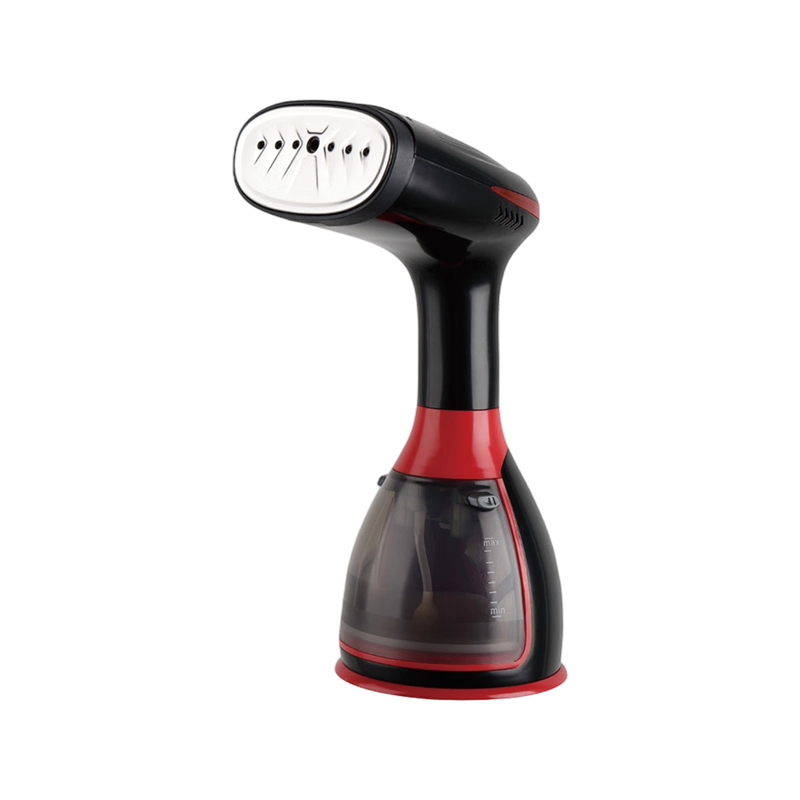
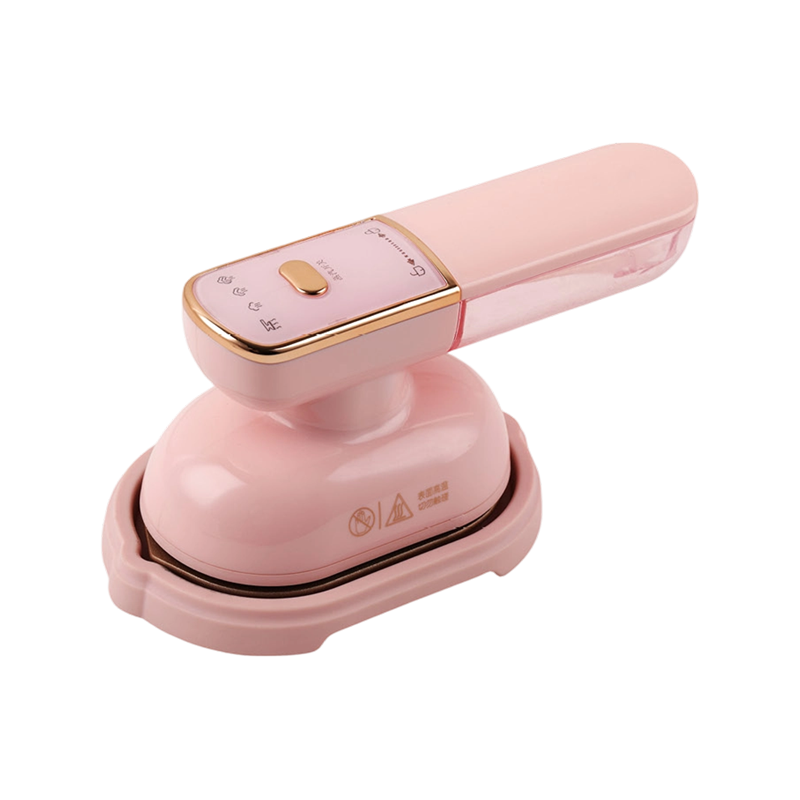
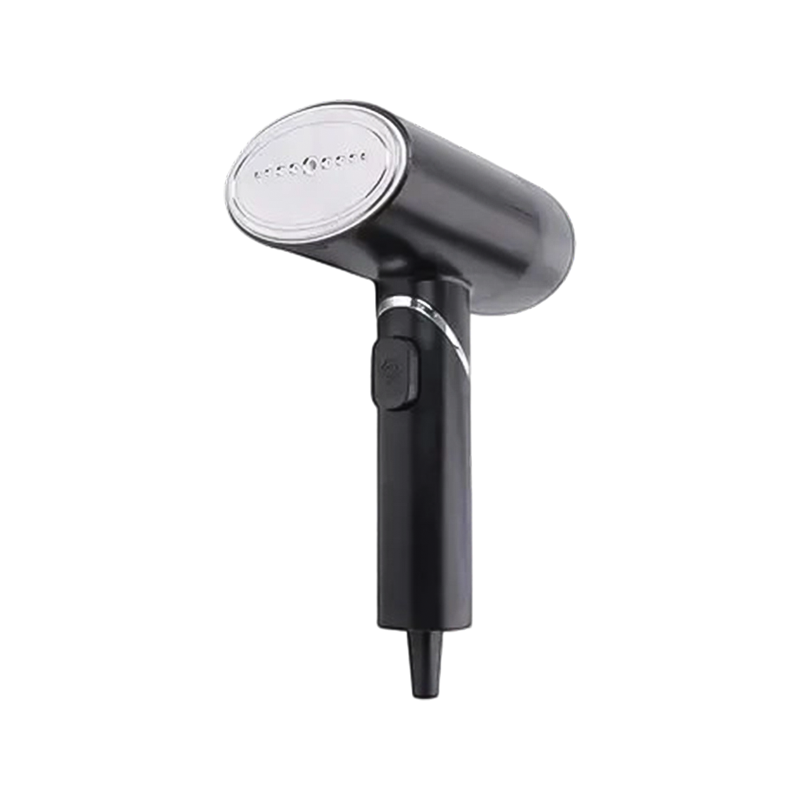
Picture this: you are packing for a two-day business trip, and the hotel does not offer an ironing service. Or you are standing in front of a wardrobe at 7:40 a.m. with a wrinkled linen shirt and a door that closes in twenty minutes. In both situations, a lightweight steam iron earns its place in your bag. The best lightweight steam iron is not simply the lightest one on the shelf; it is the model that combines a manageable weight with fast heating, steady steam flow, and a tank size that matches the way you actually use it. After looking closely at how these devices are built and measured, the practical answer for most buyers is a handheld steam iron or a mini travel steamer that stays under roughly one kilogram, reaches ironing temperature in thirty to forty seconds, and produces enough steam to smooth typical cotton, linen, and synthetic fabrics in a single pass.
What "Lightweight" Actually Means in a Steam Iron
Manufacturers use the word lightweight loosely. A traditional flat iron with a 300 ml water tank often weighs between 1.1 and 1.4 kilograms, and many full-size steam irons cross the 1.4 kg mark once the tank is filled. A genuinely lightweight steam iron sits below 1 kg. Ultra-portable handheld steamers weigh roughly 0.4 to 0.7 kg, while mini travel models can go as low as 0.35 kg. That difference matters more than most people expect. A 1.3 kg iron forces your wrist to support that weight every time you lift it, and during a session with five or six garments the fatigue accumulates quickly. Weight also affects storage, packing space, and how comfortably the iron reaches into sleeves, pleats, and tight seams. So the first practical filter is simple: decide the maximum weight you are willing to carry, and remove every model above that limit.
Weight Comparison: How Much Do Steam Irons Really Weigh?
To put lightweight in perspective, the chart below shows typical weight ranges for the four main product categories you will encounter when searching for a steam iron. The figures are representative values based on current product families, not an exact specification for any single unit.
Figure 1. Typical empty weight of steam iron types
This chart makes the tradeoff visible at a glance. Traditional flat irons are the heaviest group, with most models landing between 1.1 and 1.4 kg; that extra metal and insulation gives them thermal mass, but it also tires the arm faster. Travel steam irons are lighter, yet they still hover around 0.8 to 1.0 kg once the water tank is filled. Handheld steamers drop below 0.7 kg, which is noticeable during long ironing sessions. Mini travel steamers occupy the bottom band at roughly 0.3 to 0.5 kg, and this is the category that truly deserves the lightweight label. The practical implication is straightforward: if lightness is your priority, shop in the handheld or mini travel categories rather than looking at compact versions of full-size irons.
Steam Power and Weight: The Tradeoff Everyone Misses
Lightness does not come for free. Heavier irons usually carry larger water tanks and bigger heating elements; they hold more thermal energy and produce more steam per minute. Lighter irons cut that capacity somewhere. The chart below plots the general relationship between weight and steam output across the same product categories.
Figure 2. Steam output rises as weight increases
The line rises steadily from left to right, and that slope is the tradeoff in a nutshell. At around 0.4 kg, a mini steamer typically produces 14 to 18 grams of steam per minute, which is enough to soften wrinkles but requires slow passes. At 0.6 to 0.7 kg, handheld steamers climb to roughly 20 to 25 grams per minute, a comfortable zone for most garment care. Travel steam irons near 0.9 kg push steam output into the 25 to 30 gram range, while traditional irons above 1.2 kg can exceed 35 grams per minute. For a busy person, the sweet spot is usually the 0.5 to 0.7 kg band, because it keeps the arm comfortable and still delivers enough steam for quick touch-ups. Only if your wardrobe is full of thick cotton and heavy linen will the additional steam of a heavier iron justify the physical cost.
Heat-Up Time: The Metric That Changes How Often You Use an Iron
An iron that takes 90 seconds to heat up feels like a chore. One that is ready in 30 seconds becomes a tool you actually reach for. Heat-up time is not just a convenience feature; it directly affects whether you use the device at all when you are in a hurry. The bar chart below compares typical heat-up times for the four product categories.
Figure 3. Typical heat-up time for steam iron types
Mini steamers lead the group because their small heating chambers heat quickly; many are ready in 25 to 35 seconds. Handheld steamers usually need about 40 to 50 seconds, which is still acceptable. Travel steam irons, built with heavier ceramic or stainless steel plates, often require 60 to 90 seconds to reach the selected temperature. Traditional irons are the slowest of all, especially when their thermostats are set to a cotton or linen program. The practical rule is to look for a lightweight model that advertises a heat-up time under 40 seconds; it will fit into your morning routine instead of disrupting it. A fast heat-up iron also saves electricity, because you switch it on after you have the garment in place and it finishes before you lose patience.
How Two Popular Lightweight Options Compare in Real Use
Most buyers narrow their decision down to two shapes: an ultra-light travel steamer and a two-in-one steam iron with a rotatable soleplate. They look similar on a shelf, but their behavior in daily use differs across five dimensions. The radar chart below shows a representative comparison between the two.
Figure 4. Five-factor comparison of two lightweight options
The radar chart reveals why neither choice is objectively better. The ultra-light travel steamer scores high on weight and portability, which makes it the better companion for flights, suitcase packing, and quick single-garment touch-ups. The two-in-one steam iron, on the other hand, wins clearly on steam output and tank capacity, so it lets you refresh several garments in one session without refilling. Heat-up speed sits between the two for both, but the travel steamer has a slight edge in this comparison. For a traveler who irons one or two items before a meeting, the ultra-light steamer is the natural pick. For someone living in a small apartment who also does occasional batch ironing, the two-in-one type offers more balance. Use this chart to decide which of the five dimensions matters most in your own routine, then let that single priority drive the purchase.
What to Look For When Buying a Lightweight Steam Iron
Four factors separate a genuinely useful lightweight steam iron from a desk ornament. The table below summarizes the most important checks before you place an order.
| Factor | What to Check | Why It Matters |
|---|---|---|
| Weight | Below 1 kg empty | Reduces wrist fatigue and eases packing |
| Steam output | 18 to 30 grams per minute | Removes wrinkles in fewer passes |
| Heat-up time | Under 40 seconds | Makes daily use practical |
| Tank capacity | 90 to 150 ml for mini models | Determines how many garments per fill |
Water tank capacity matters more than the raw number suggests. A 90 ml tank on a mini steamer handles one garment or two light blouses; a 150 ml detachable tank extends the session and can be refilled without unplugging the unit. When the volume is too small, you spend more time filling than ironing.
Another important point is panel material. Stainless steel panels glide smoothly and resist scratches; aluminum panels heat faster but wear more easily and can leave marks on delicate fibers. For a lightweight iron, stainless steel is the more durable choice, and it is easier to keep clean.
Finally, check the electrical rating. If you travel across regions with different voltage standards, a dual-voltage model removes the need for a heavy converter. This is one detail that turns a good lightweight iron into a genuinely international tool. A fuller comparison of the selection process is available in our guide on how to choose a steam iron.
Three Lightweight Steam Irons Worth a Closer Look
All three models below come from the MW product family, which is designed around the exact criteria discussed in this guide. They are lightweight, heat quickly, and each one targets a slightly different use case.
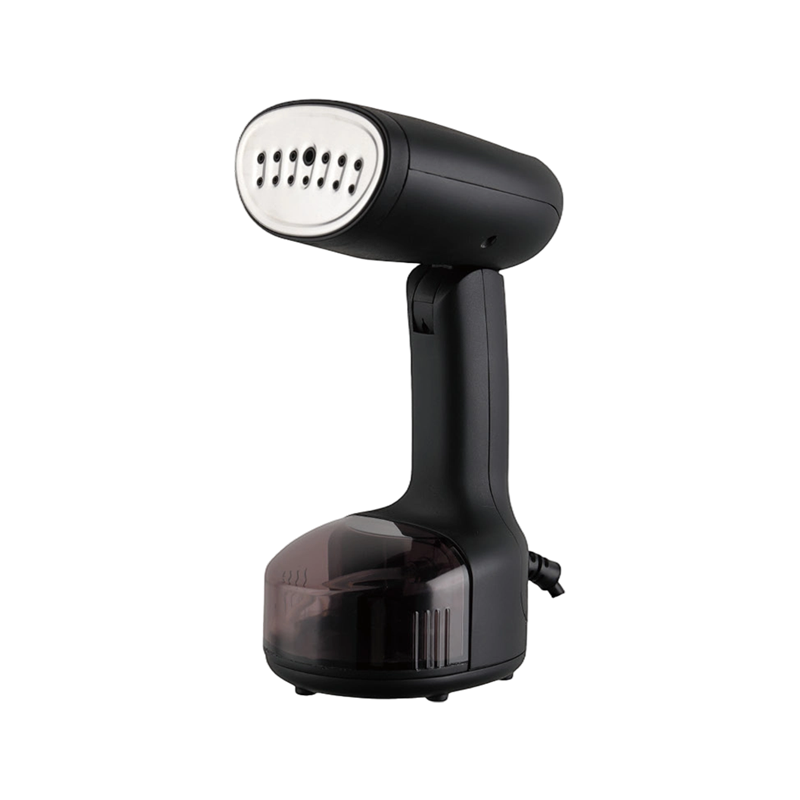
The MW803 is a 1000 watt mini garment steamer with a 90 ml tank. It is aimed at travelers who need the smallest possible footprint. Its compact body keeps it in the ultra-light band described earlier, and the 90 ml capacity is sufficient for refreshing one outfit in a single session. If your main concern is a model that disappears into a backpack, this is the shape to start with.
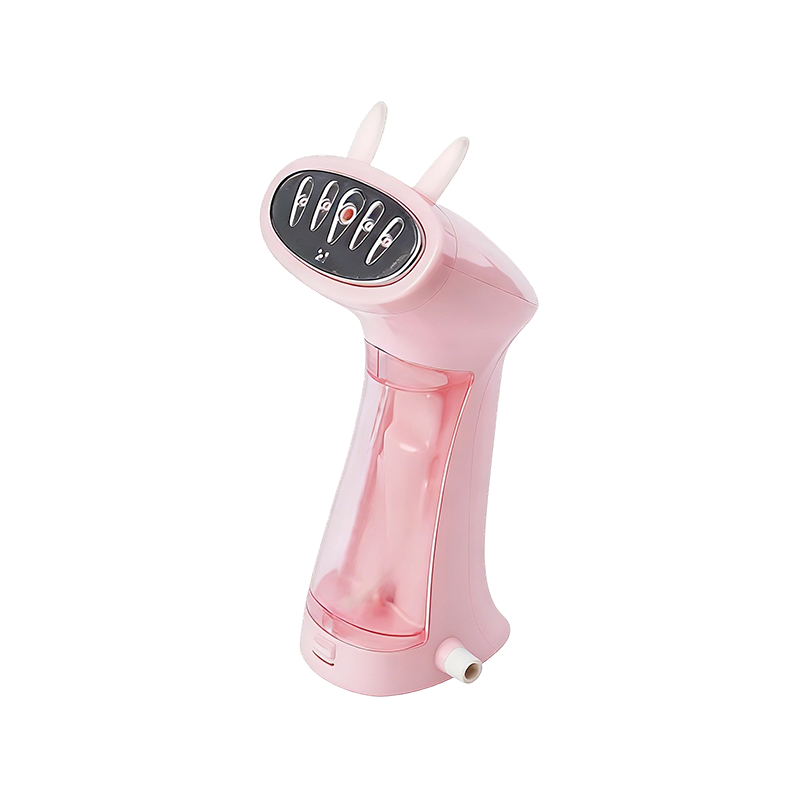 1000W Portable Travel Mini Garment Steamer with 90ml TankThis ultra-light steamer is built for travelers who need the smallest possible footprint, with a 90ml tank sufficient for refreshing one outfit. Its compact size makes it easy to pack in a backpack.View Product →
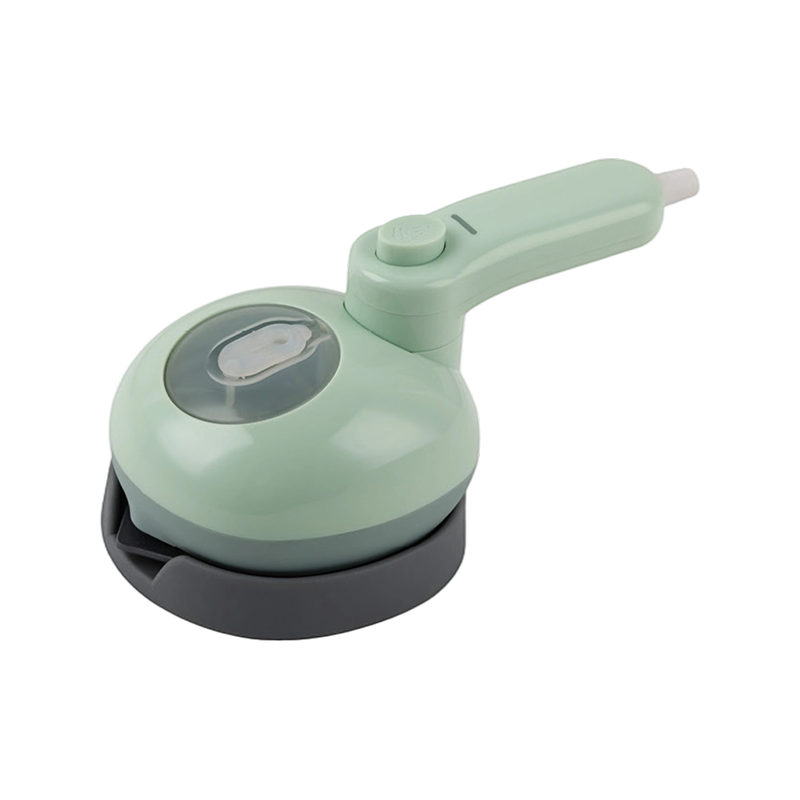
The MW815 adds a foldable handle and a slightly larger 120 ml tank while keeping the unit comfortable to hold. If you want a model that packs almost as small as the MW803 but gives you more water capacity for two garments, this is the middle ground. The foldable design also makes it easier to store in a drawer between trips.
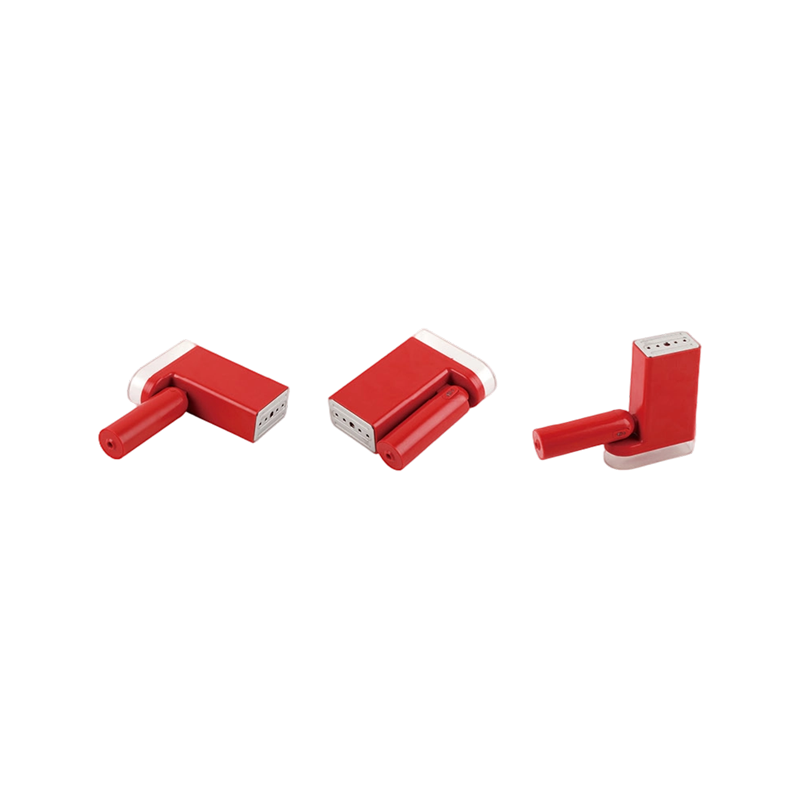 1200W Foldable Travel Garment Steamer with 120ml Detachable TankA middle-ground option that folds for storage yet offers a 120ml detachable tank, suitable for steaming two garments. Its steam control switch and anti-drip feature add convenience during travel.View Product →
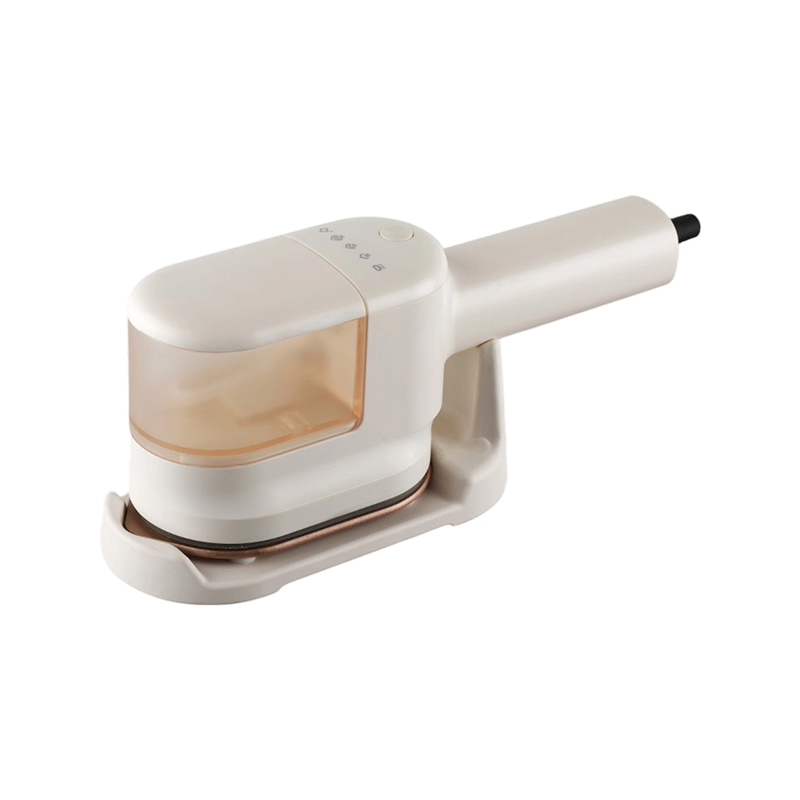
For travelers who move between countries with different mains voltages, the MW829 and MW829D are the obvious choice. They combine a foldable structure with dual-voltage compatibility, so the same unit works across both 110 V and 220 V territories without an external converter. That feature alone removes one of the most common travel ironing problems.
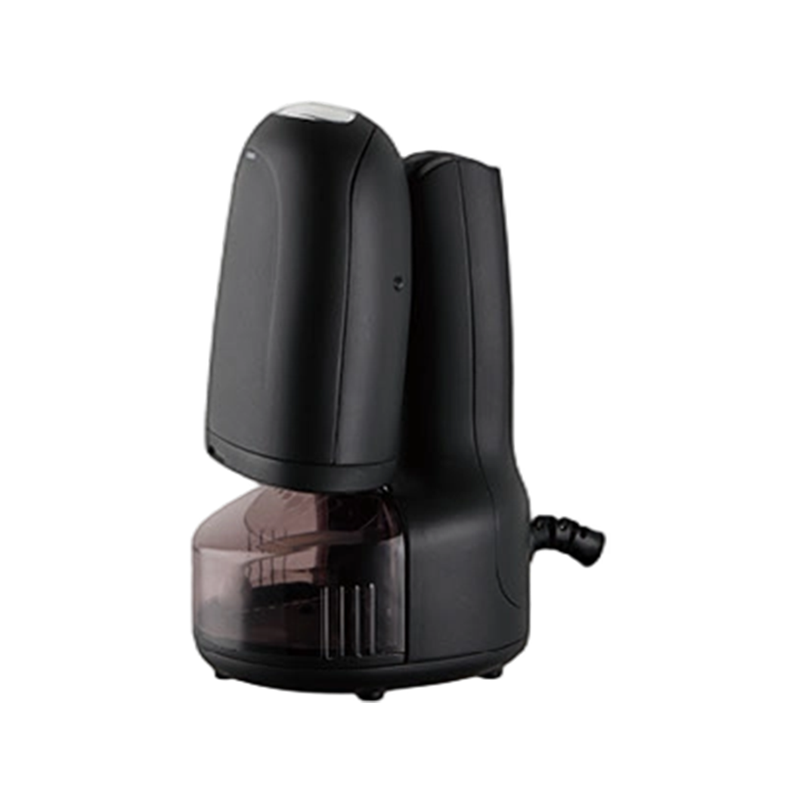 Foldable Dual-Voltage Garment Steamer with 280ml Tank, MW-829This steamer combines a space-saving foldable head with a large 280ml tank and stainless steel panel. It offers dual-voltage compatibility, eliminating the need for a converter when traveling across different regions.View Product →
Final Thoughts
The best lightweight steam iron is the one that fits the specific rhythm of your day. If you travel often and iron one item at a time, prioritize weight and heat-up speed, and choose a mini steamer. If you iron several garments in a single session, accept a little extra weight in exchange for a larger tank and stronger steam. The guidance in this article gives you a repeatable method:
- Set a weight limit.
- Check steam output and heat-up time.
- Verify tank size and panel material.
- Confirm the voltage match.
For additional hands-on advice, our tips for buying a portable steam iron covers more of the details that are easy to overlook.
For exclusive deals and latest offers, sign up by entering your email address below.