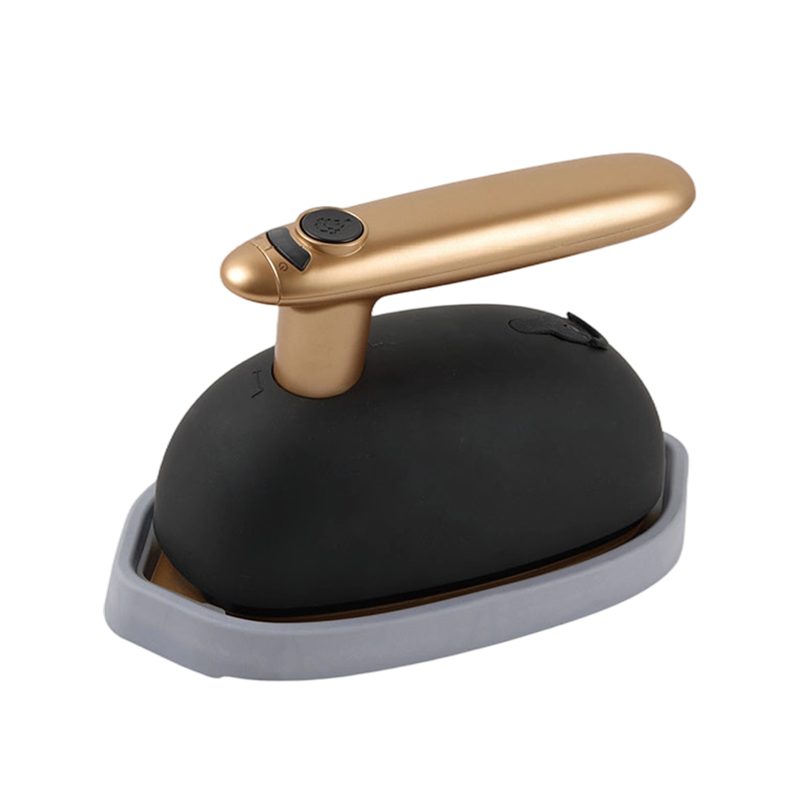
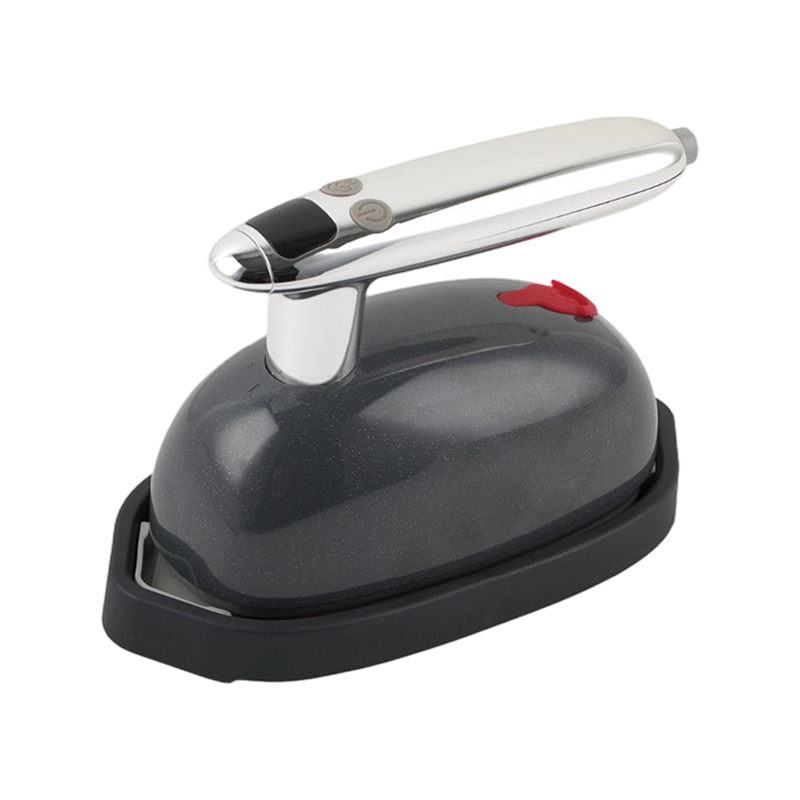
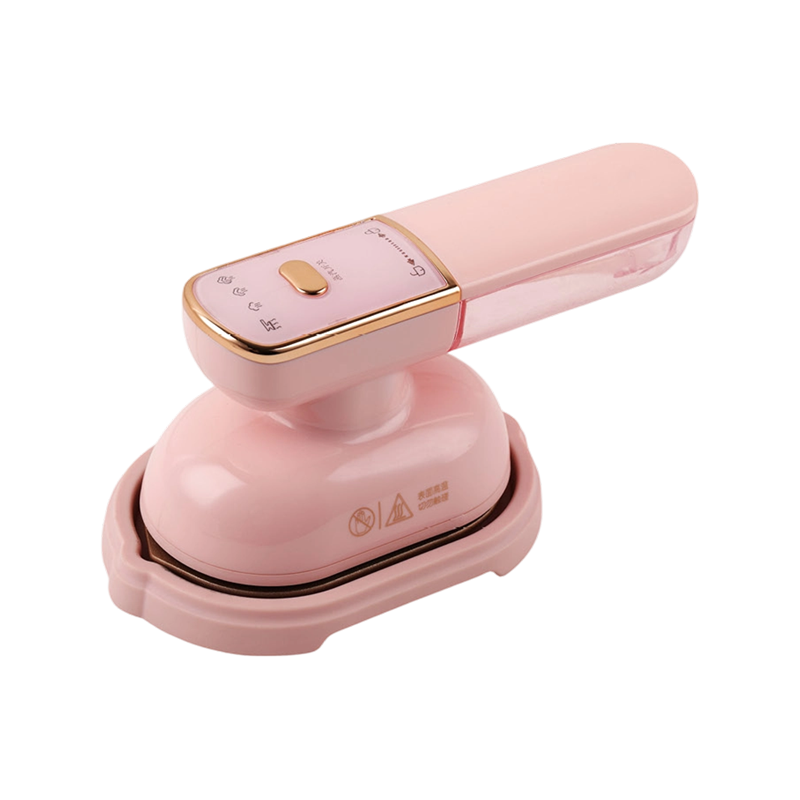
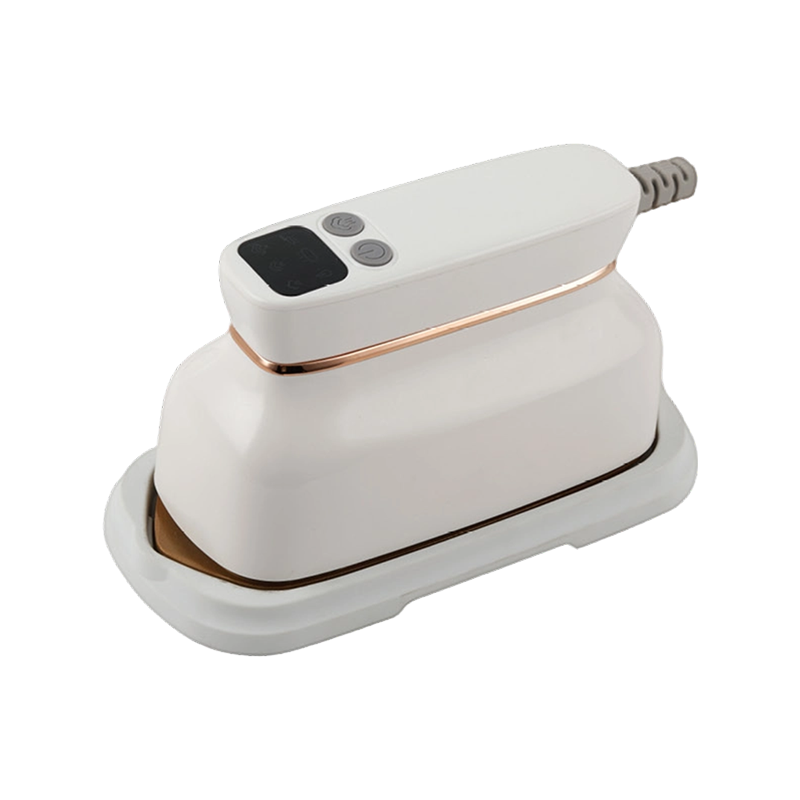
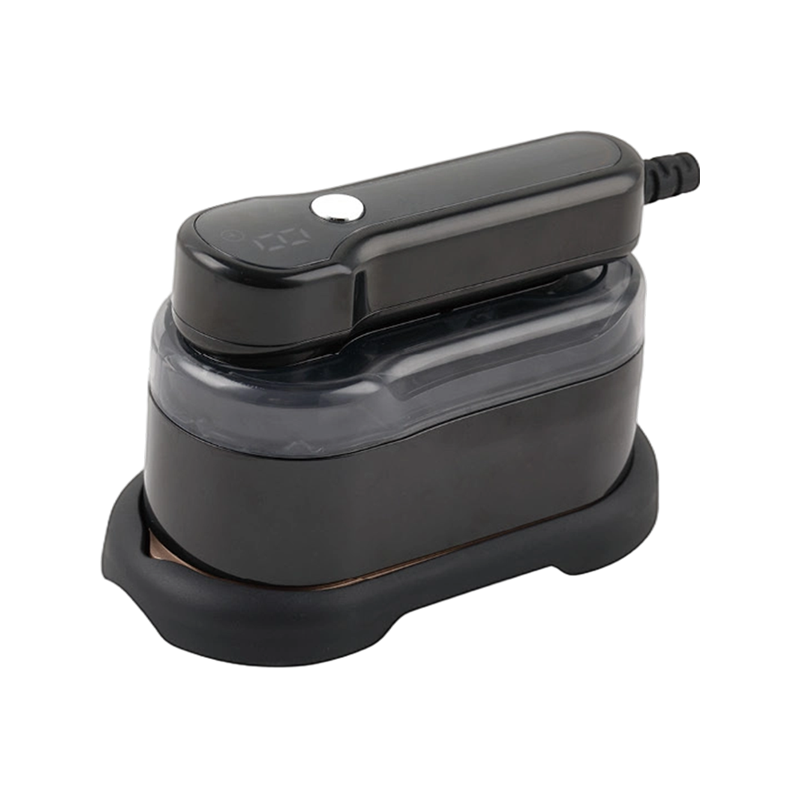
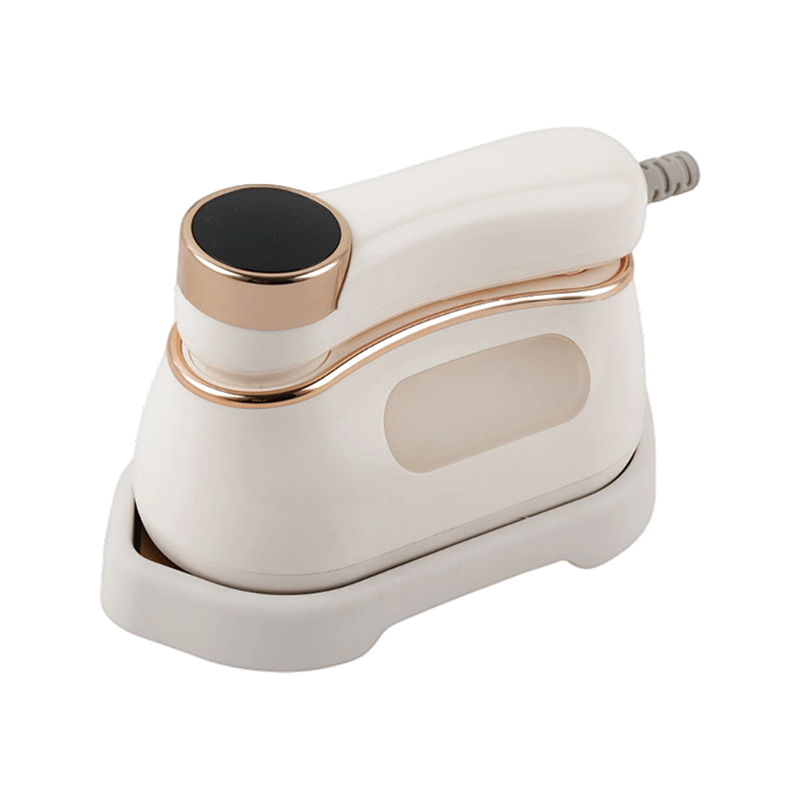
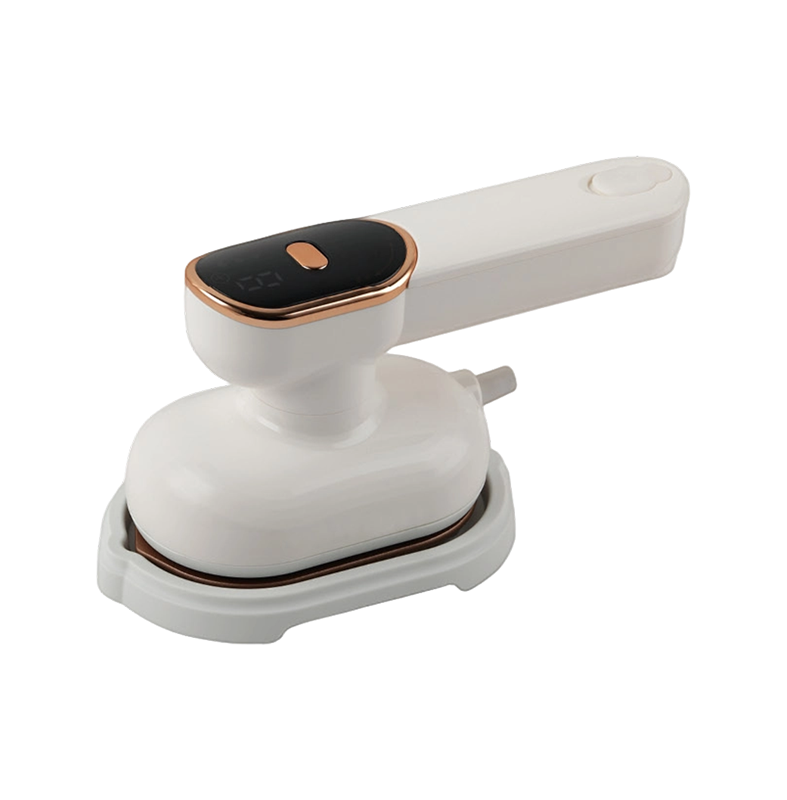
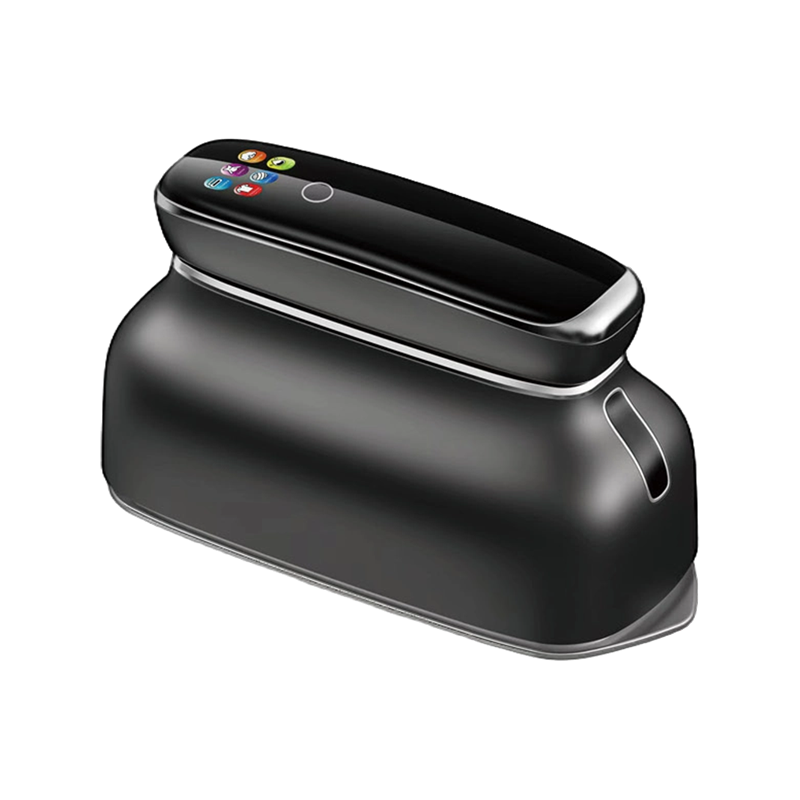
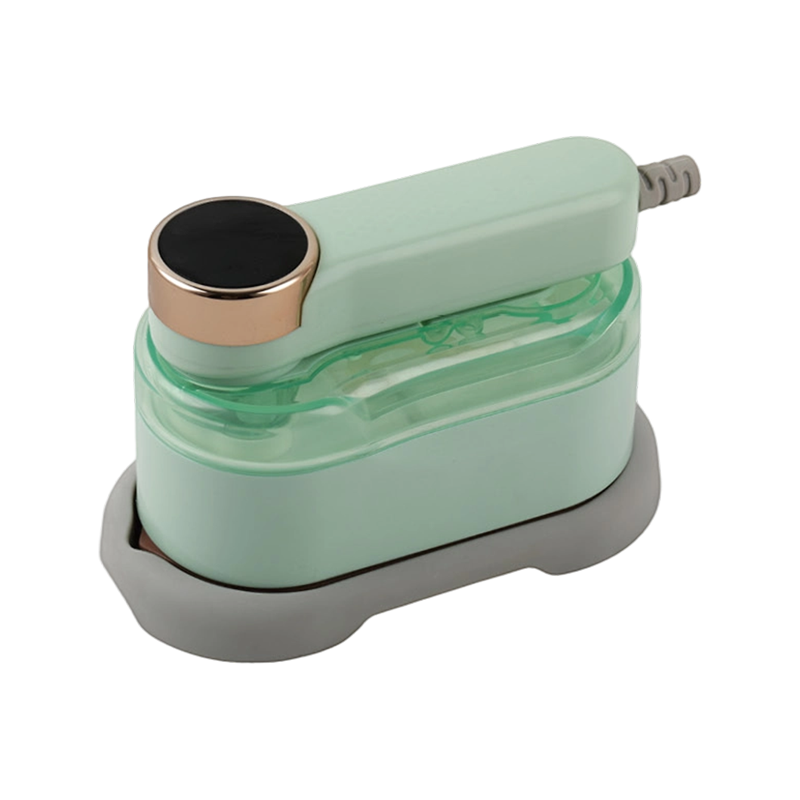
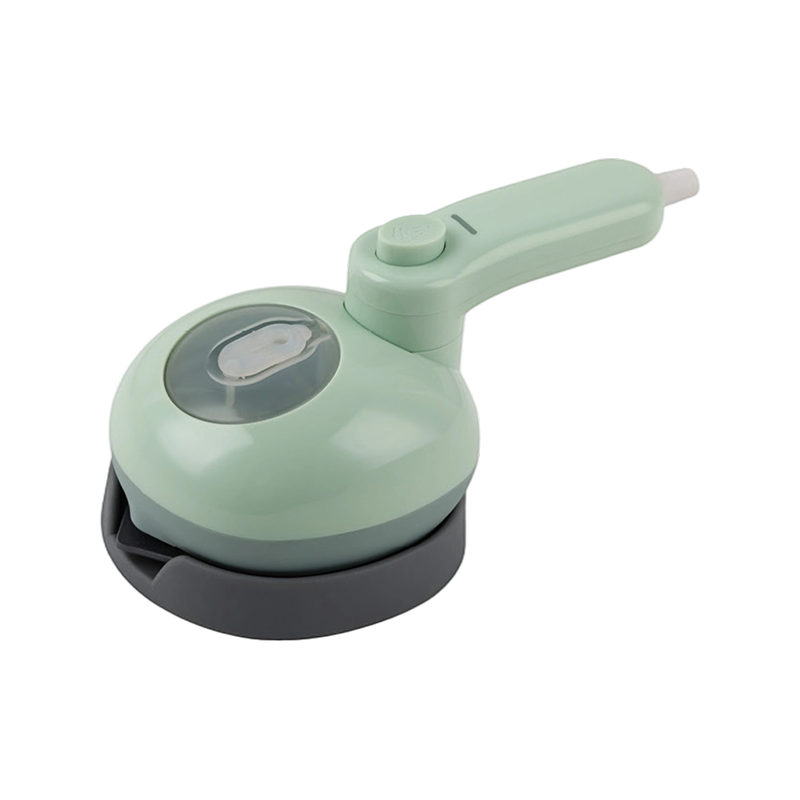
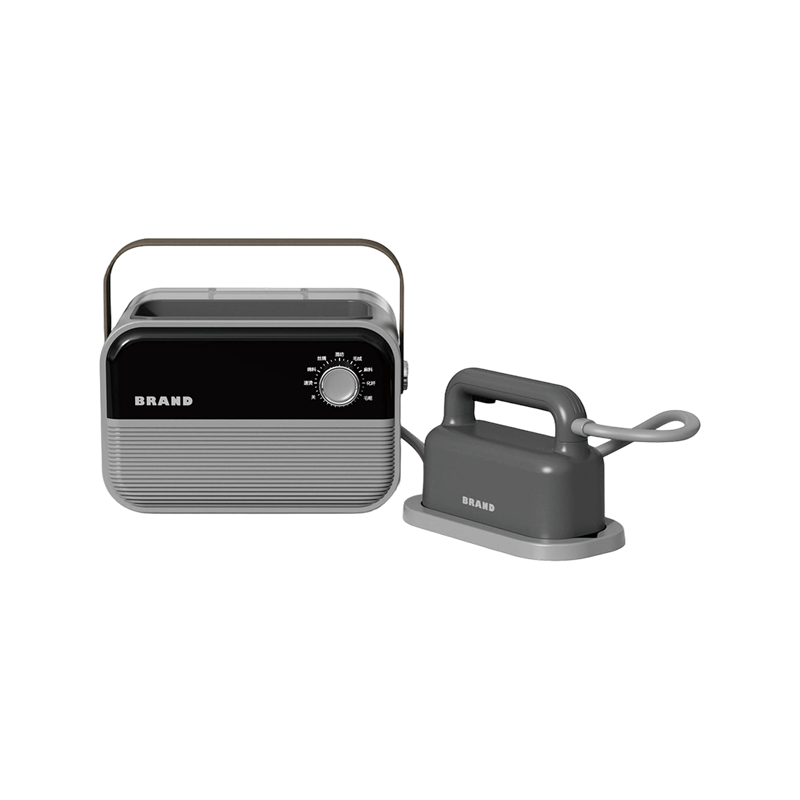
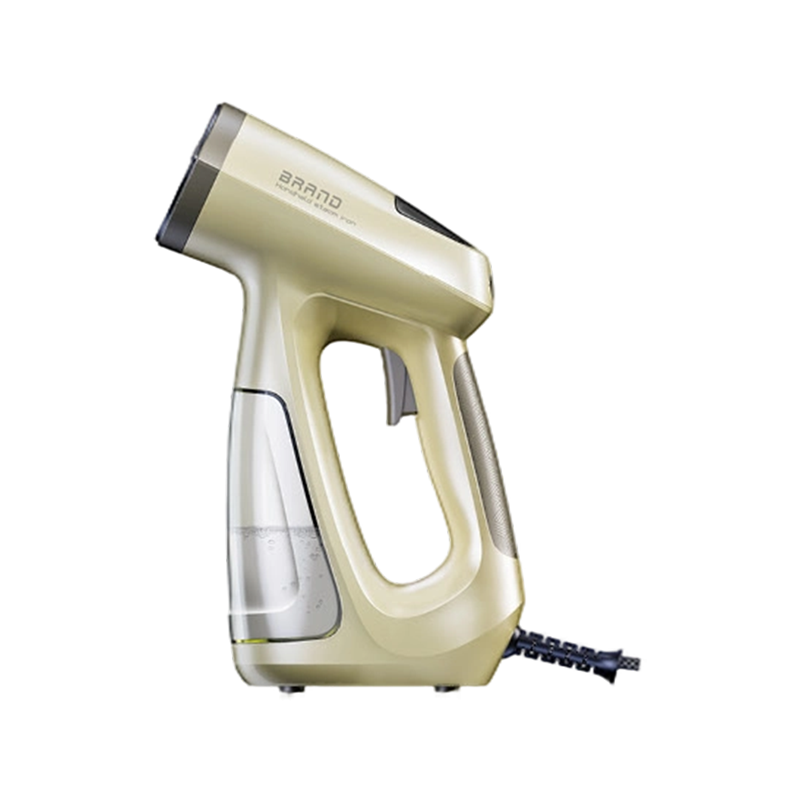
A portable steam iron for clothes combines the precision of a traditional iron with the speed and flexibility of a handheld garment steamer — delivering professional-quality wrinkle removal without requiring a full ironing board setup. Whether used at home before work or packed into a carry-on for business travel, these compact appliances are rapidly replacing bulkier ironing equipment in households worldwide.
The practical appeal is clear. A quality portable steam iron is typically ready for use in under 45 seconds, weighs between 0.5 and 1.5 lbs, and can be stored in a kitchen drawer or luggage bag. For busy households managing mixed-fabric wardrobes, it removes the friction of setting up and storing a traditional ironing system for every session.
Key reasons users choose a portable steam iron over conventional alternatives:
- Dual-mode operation: Functions both as a handheld steamer (vertical, on-hanger) and a flat press iron (horizontal, on-surface) — two tools in one compact unit.
- No ironing board required: Clothes can be treated on a hanger, over a folded towel, or on any flat heat-safe surface.
- Travel compatibility: Compact models meet airline carry-on liquid limits with tanks under 100ml, and dual-voltage units (100–240V) operate on any power grid worldwide.
- Fabric versatility: Safe for silk, wool, linen, cotton, polyester, and delicate embroidered pieces that cannot withstand a full-size iron's soleplate pressure.
- Hygienic refreshing: Steam at 100°C eliminates odors and kills surface bacteria without chemical sprays — effective for refreshing garments between washes.
How a Portable Steam Iron Works: Steam Mode vs. Press Mode
Understanding the operating mechanics of a handheld iron for clothes helps you get consistently better results and choose the right model for your needs. The process relies on controlled heat and pressurized moisture:
- Water in the small onboard reservoir is heated by an internal element, reaching boiling point within seconds.
- Pressurized steam is released through vents in the soleplate or a dedicated nozzle, penetrating fabric fibers.
- Steam softens the hydrogen bonds within the fibers that hold wrinkles in their set position.
- In press mode, the heated soleplate applies light, direct pressure alongside steam for crisper results on thicker fabrics.
- As the garment cools over 1–3 minutes, fibers re-set in a smooth, wrinkle-free configuration.
Steam-Only Mode vs. Press Mode: When to Use Each
The defining advantage of the best steam iron handheld models over basic garment steamers is this dual capability. In steam-only mode, the iron is held vertically near hanging clothes — ideal for delicates, structured blazers, and any garment too fragile for plate contact. In press mode, the soleplate lies flat against the fabric, combining heat and steam with physical pressure — better for cotton dress shirts, linen trousers, and garments needing sharper crease definition. Choosing the right mode for each fabric type is the single most important factor in achieving professional results at home.
Portable Steam Iron vs. Full-Size Iron vs. Garment Steamer
| Criteria |
Portable Steam Iron |
Full-Size Steam Iron |
Garment Steamer |
| Weight |
0.5–1.5 lbs |
2.5–4 lbs |
0.8–10 lbs |
| Heat-Up Time |
15–45 seconds |
60–120 seconds |
20–60 seconds |
| Ironing Board Needed |
Optional |
Yes |
No |
| Sharp Crease Creation |
Yes (press mode) |
Excellent |
Limited |
| Delicate Fabric Safety |
Good (steam mode) |
Moderate |
Excellent |
| Travel-Friendly |
Excellent |
No |
Handheld only |
| Tank Capacity |
80–300 ml |
200–400 ml |
100 ml–2.5 L |
Side-by-side comparison of portable steam irons, full-size irons, and garment steamers across key performance criteria
What Defines the Best Portable Steam Iron: Specifications That Matter
When evaluating the best portable steam iron for home or travel use, these core specifications separate high-performing models from underdelivering ones:
Wattage and Steam Output
Wattage is the most reliable indicator of steam power and heat-up speed. Entry-level portable irons typically range from 800W to 1000W; higher-performing models reach 1200W to 1500W. At 1200W, most units heat up in under 30 seconds. For steam output, look for at least 18–25 g/min for general home use. Models delivering 30–40 g/min handle heavier fabrics like linen and canvas more effectively.
Soleplate Material
The soleplate material directly affects glide quality and heat evenness. Ceramic-coated soleplates are the current standard for mid-range to premium portable irons — smooth, non-stick, and heat-distributing. Stainless steel soleplates are more durable but can drag on synthetic fabrics. For a portable iron, a soleplate area of 100–140 cm² balances coverage with compact dimensions.
Tank Capacity and Session Length
Tank size determines how long you can steam before refilling. Practical benchmarks for portable models:
- 80–120 ml — approximately 8–12 minutes continuous steam; covers 2–3 garments per fill; ideal for travel
- 150–200 ml — approximately 15–20 minutes; handles a typical 4–6 piece morning routine
- 250–300 ml — approximately 25–30 minutes; suitable for weekly steam iron for home use sessions of 8–10 garments
Temperature Settings and Adjustability
A quality handheld iron for clothes should offer at least three heat settings covering low (synthetics and silk), medium (wool and mixed fabrics), and high (cotton and linen). Some models also feature a steam burst function that delivers a concentrated high-pressure shot of 40–80 g/min for 1–2 seconds, effective on stubborn collar creases and thick denim seams.
Voltage Range for International Use
For travelers, a dual-voltage design (100–240V) is non-negotiable. Single-voltage models require a voltage converter abroad and risk permanent damage if plugged into incompatible outlets. Always verify the voltage specification on the product label or listing before purchasing a travel-use portable iron.
Essential Safety Features
- Auto shut-off: Cuts power when the tank empties or after 8–10 minutes of inactivity — critical for household safety.
- Anti-drip nozzle: Prevents water droplets from spitting at lower temperatures — essential for protecting silk and satin from water marks.
- Cool-touch housing: Keeps the exterior safe to handle during extended sessions.
- Overheat protection: Internal thermostat cuts power if the unit exceeds safe operating temperature.
Best Steam Iron Handheld Recommendations by Use Case
The best steam iron handheld for any individual depends on their specific usage patterns. Here is a practical guide to matching model characteristics to real-world scenarios:
For Frequent Travelers
Prioritize weight under 1 lb, dual-voltage support, a foldable handle or flat profile that fits in a toiletry bag, and a tank of at least 80ml. A model that heats in under 20 seconds is especially valuable when time is limited in a hotel room before an early meeting.
For Daily Steam Iron for Home Use
For regular home use, prioritize a larger tank (150–250ml), higher wattage (1200W or above), and three or more temperature settings. A self-clean or anti-calc function reduces manual descaling frequency and extends the life of the heating element — particularly valuable in hard-water areas where tap water exceeds 150 mg/L (ppm) mineral content.
For Delicate and Designer Garments
Choose a model with a dedicated steam-only mode, a ceramic or non-stick soleplate, and a low-temperature setting below 120°C. Some premium portable irons also include a fabric brush attachment for lifting pile on velvet or nap on wool while steaming — a meaningful feature for wardrobes with high-value or specialty fabrics.
For Occasional Quick Touch-Ups
Users needing to quickly freshen a shirt or remove a few creases before going out benefit most from ultra-fast heat-up (under 20 seconds) in a lightweight, single-temperature model. Units in the 800–1000W range are fully adequate and considerably more affordable for this usage pattern.
Fabric Temperature Reference: Getting Results Without Damage
Correct temperature selection is the most important variable in safe, effective ironing across different fabric types. The following reference table covers the most common garment materials:
| Fabric Type |
Recommended Temp. |
Steam Recommended |
Key Tip |
| Silk / Chiffon |
110–130°C |
Steam-only mode |
Keep nozzle 2–3 cm away; use short bursts |
| Wool / Cashmere |
130–150°C |
Yes |
Use pressing cloth; avoid direct plate contact |
| Polyester / Synthetics |
110–140°C |
Optional |
Low heat; never exceed recommended range |
| Cotton |
180–200°C |
Yes |
Iron slightly damp for best results |
| Linen |
200–220°C |
Yes (high steam) |
Iron both sides; gently stretch fabric while steaming |
| Denim |
200°C |
Yes |
Direct soleplate contact acceptable; press seams flat |
Recommended temperature and steam mode by fabric type for portable steam irons
Using a Handheld Iron for Clothes: Step-by-Step Technique
Even the best portable steam iron underperforms without proper technique. These methods ensure consistent results across both operating modes:
Steam Mode (Vertical — On Hanger)
- Hang the garment at shoulder height on a door hook or clothing rail.
- Fill the reservoir and allow the iron to reach full operating temperature before use.
- Hold the steam head 1–2 cm from the fabric and move in slow, downward strokes.
- Use your free hand to gently tension the fabric on the opposite side for faster, smoother results.
- For persistent creases, hold the nozzle at the crease for 2–3 seconds before continuing.
- Allow the garment to air-dry for 2 minutes before wearing or folding.
Press Mode (Horizontal — On Flat Surface)
- Lay the garment on a flat, heat-safe surface — a folded towel on a table works well without an ironing board.
- Set the temperature appropriate for the fabric type using the garment care label as reference.
- Move the soleplate in smooth, overlapping strokes with light forward pressure — avoid scrubbing or pressing hard.
- For collars: press from the points inward toward the body to avoid creating edge fold creases.
- For trouser creases: align leg seams precisely before pressing along the outer edge of each panel.
Maintenance and Care: Keeping Your Portable Steam Iron Performing Long-Term
Consistent maintenance preserves performance and extends the working life of any steam iron for home use. These habits take under five minutes and make a measurable difference over months of use:
After Every Session
- Empty the water reservoir completely — standing water promotes mineral buildup and microbial growth inside the tank.
- Set the iron soleplate-side up and allow it to cool fully before storing (at least 15–20 minutes).
- Wipe the soleplate with a slightly damp cloth while still warm to remove fabric residue or starch buildup.
Monthly Descaling
Limescale accumulation is the primary cause of reduced steam output over time — in severe cases cutting performance by 30–50%. To descale:
- Fill the tank with equal parts white vinegar and distilled water.
- Heat to the highest setting and release steam over a sink for 2–3 minutes.
- Empty the tank, refill with clean water, and run another short cycle to flush residual vinegar.
- Wipe the soleplate clean and allow the unit to cool before storing.
Using distilled or filtered water from the start reduces mineral accumulation by up to 70% compared to hard tap water, significantly extending the interval between descaling sessions and protecting the heating element over the long term.
Soleplate Cleaning
Never use abrasive pads or steel wool on a ceramic or coated soleplate — these cause surface scratches that increase fabric drag and reduce glide quality permanently. For stubborn residue, a paste of baking soda and water applied with a soft cloth and wiped clean is both effective and soleplate-safe.
Behind the Product: Manufacturing Quality That Backs Real-World Performance
The reliability and consistency of a portable steam iron for clothes begins at the manufacturing level. Ningbo Mayway Electrical Appliance Co., Ltd. is based in the industrial zone of north Yuyao, Zhejiang, China — on the south bank of Hangzhou Bay, 60 km from Ningbo port, with direct international logistics access via the Hangzhou Bay transoceanic bridge connecting the region to Shanghai.
As a professional manufacturer and exporter specializing in designing, developing, producing, and selling garment care appliances, the company operates a factory covering 4,000 square meters, equipped with advanced production equipment and a strong technical team capable of meeting production and quality requirements across high-volume orders.
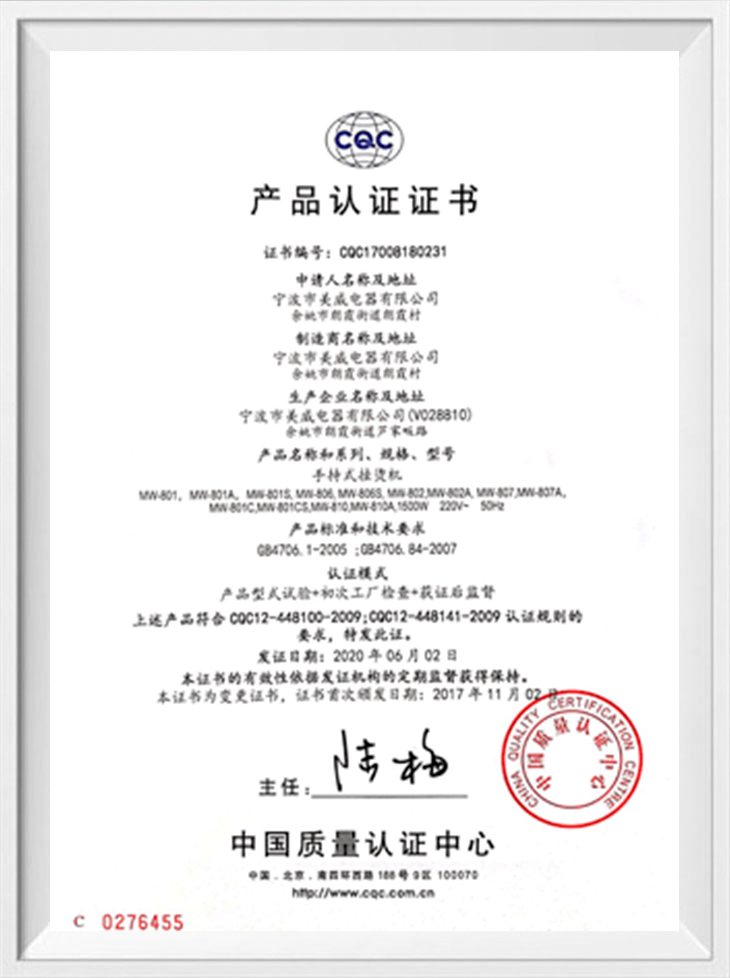
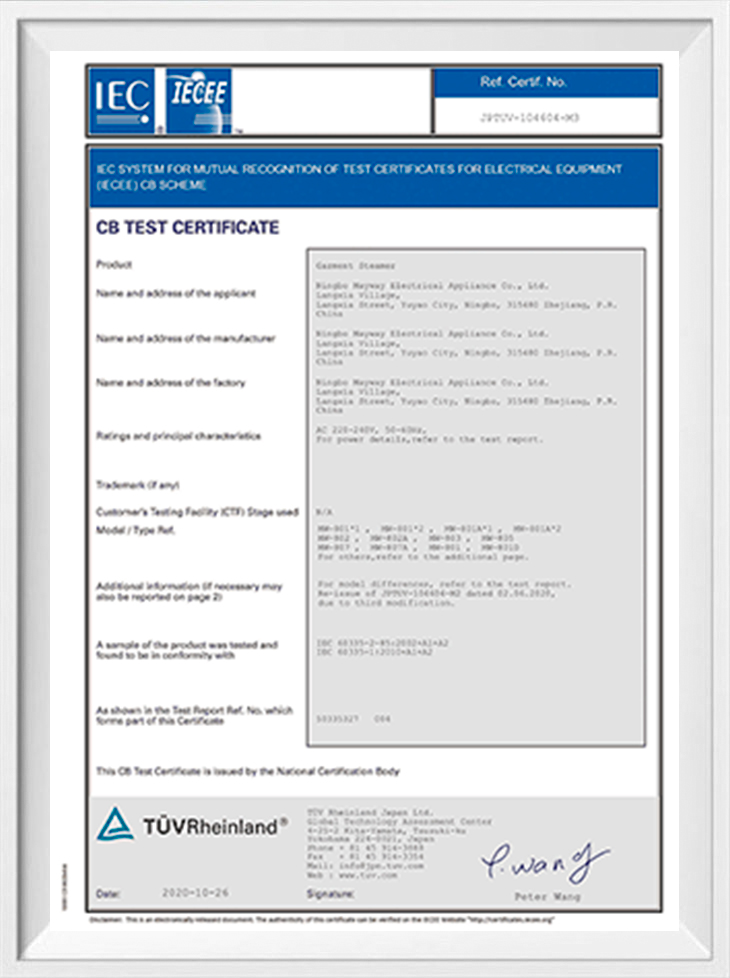
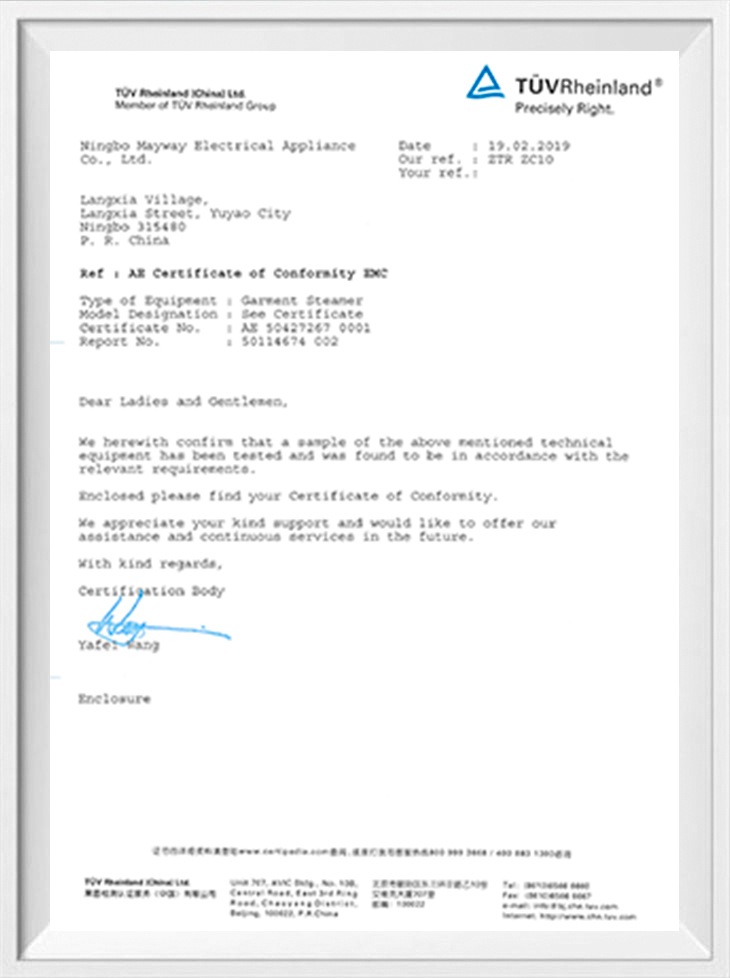
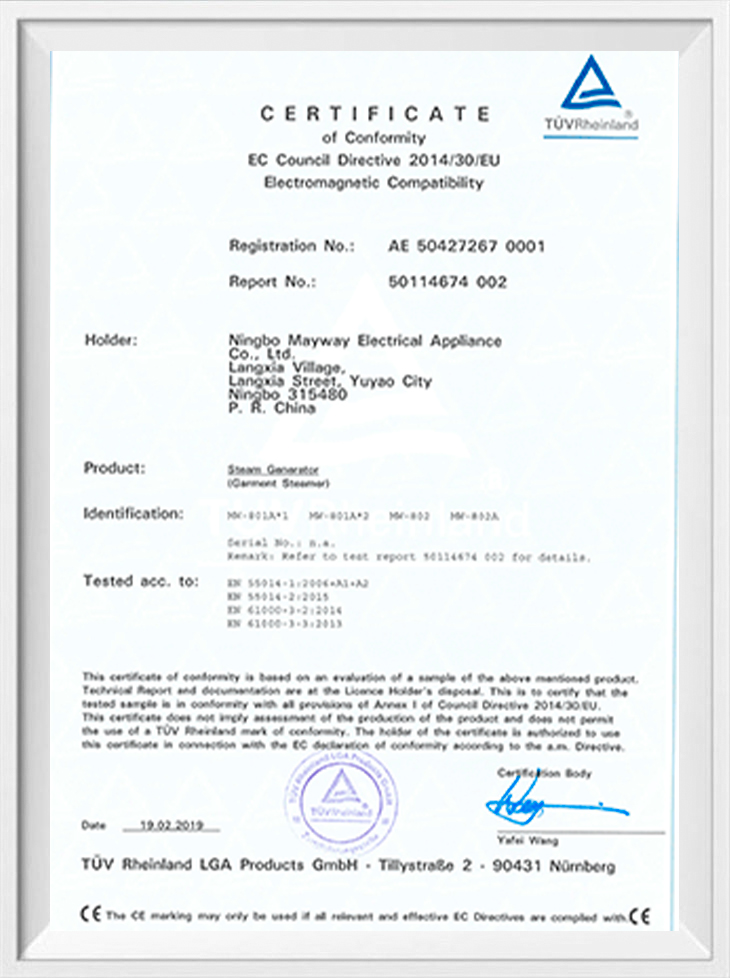
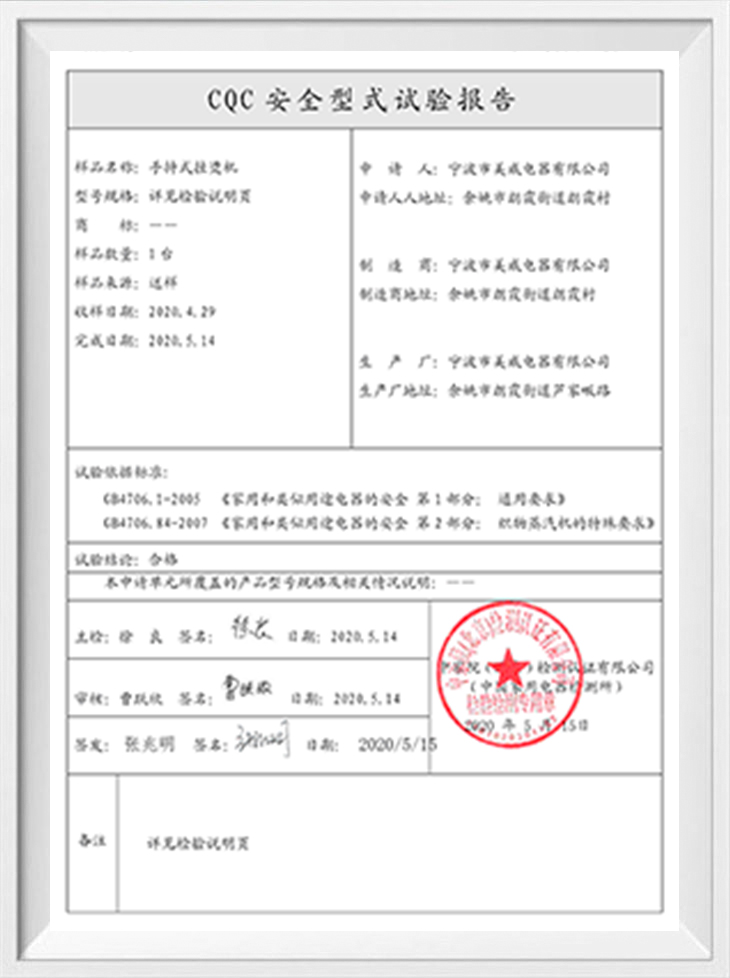
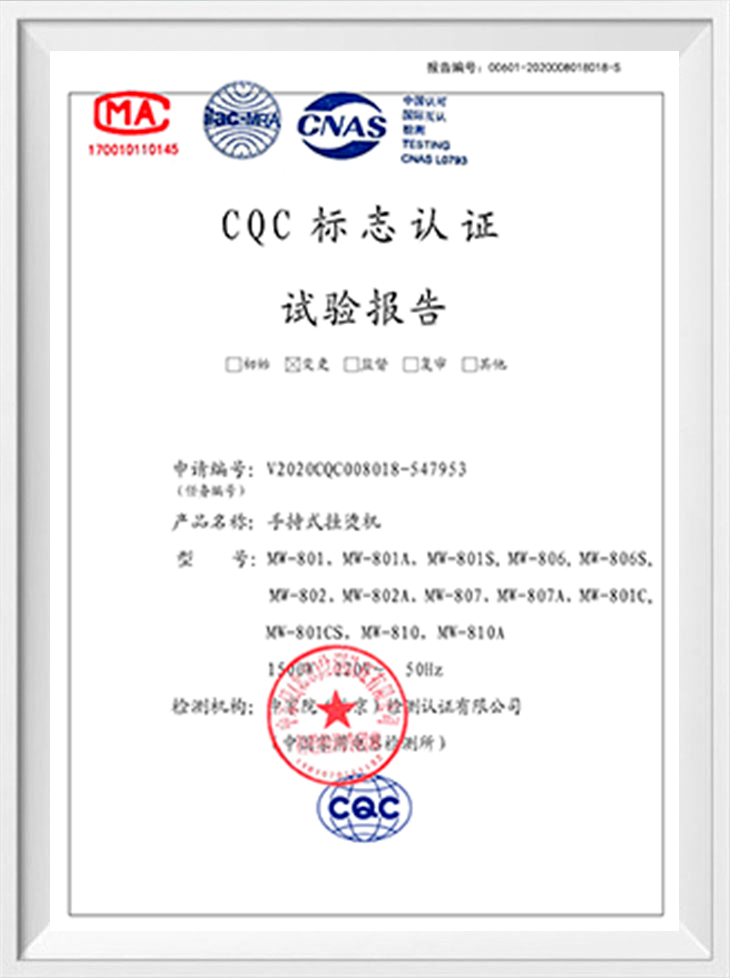
The product lineup — spanning electric irons, handheld garment steamers, and steam brushes — is manufactured under the ISO 9001 international quality assurance standard and holds BSCI social compliance certification. All products carry CE, GS, CB, ROHS, ERP, and PAHs approvals, confirming compliance with European electrical safety, environmental, and chemical substance regulations.
These certified products are exported across Europe, the Middle East, Russia, Asia, South America, and beyond. For buyers evaluating sourcing options for a handheld iron for clothes or a private-label garment care line, this combination of certified manufacturing infrastructure and established global export experience provides meaningful assurance that product specifications translate to consistent real-world performance in every shipment.
Frequently Asked Questions About Portable Steam Irons
Can a portable steam iron fully replace a full-size iron for home use?
For the majority of everyday garments — shirts, blouses, dresses, trousers, and casual wear — a quality portable steam iron for clothes is fully capable as a primary home appliance. The one area where a full-size iron retains an edge is pressing very sharp, formal trouser creases and stiff collar finishes requiring sustained high-pressure plate contact. For households with fewer than 10 garments per week, a portable model with at least a 200ml tank handles the entire load comfortably.
Is a handheld iron safe on silk and delicate fabrics?
Yes — when used correctly in steam-only mode at a low temperature setting (110–130°C). Keep the nozzle at least 2–3 cm from the fabric surface and use short steam bursts rather than continuous flow. For extra protection, lay a thin pressing cloth between the soleplate and the garment when using press mode on delicate materials.
Why is my portable iron spitting water instead of producing steam?
Water spitting usually indicates one of three issues: the iron has not yet fully reached operating temperature (wait an additional 10–15 seconds after the ready indicator activates), the tank has been overfilled past the maximum fill line, or mineral deposits are blocking the heating element. Descaling the unit with the vinegar method typically resolves persistent spitting within a single cleaning cycle.
How many garments can I iron per tank fill?
This depends on tank capacity and steam output rate. At a typical output of 20 g/min, a 200ml tank provides approximately 10 minutes of continuous steam — enough for 3–5 standard dress shirts. A 250ml tank extends this to roughly 12–15 minutes, covering a full morning wardrobe for most users without refilling.
How long should a quality portable steam iron last?
With regular maintenance and correct use, a mid-range portable steam iron typically lasts 3–5 years with daily or near-daily home use. Units that are descaled regularly and stored with empty tanks consistently outlast neglected models by 2–3 years. Premium models with stainless-steel soleplates and higher-grade internal components sourced from certified manufacturers can remain functional for 7 years or more under normal household conditions.


 русский
 Français
 한국어
한국어 عربى
عربى Español
 中文简体
中文简体 Product Category