русский
 Français
 한국어
한국어 عربى
عربى Español
 中文简体
中文简体What is a Hanging Ironing Machine?
Admin 2026-05-08Content
- 1 What is a Hanging Ironing Machine?
- 2 Are Hanging Ironing Machines really useful?
- 3 What are the advantages of a Hanging Ironing Machine?
- 3.1 Advantage 1: Dramatically Faster Wrinkle Removal
- 3.2 Advantage 2: No Risk of Scorching, Shining, or Press Marks
- 3.3 Advantage 3: No Ironing Board Required — Minimal Space and Setup
- 3.4 Advantage 4: Handles Garments That Cannot Be Ironed Flat
- 3.5 Advantage 5: Sanitizes Fabrics and Eliminates Odors Without Washing
- 3.6 Advantage 6: Gentler on Fabric — Extends Garment Lifespan
- 3.7 Advantage 7: Safer to Operate Than Traditional Irons
- 3.8 Advantage 8: Versatile Beyond Clothing
- 4 What are Hanging Ironing Machine used for?
- 4.1 Removing Wrinkles from All Types of Garments
- 4.2 Sanitizing and Killing Bacteria on Fabrics
- 4.3 Eliminating Odors Without Washing
- 4.4 Caring for Delicate and Hard-to-Iron Fabrics
- 4.5 Refreshing Home Textiles and Upholstery
- 4.6 Preparing Clothes for Special Occasions
- 4.7 Travel and On-the-Go Garment Care
- 4.8 Small Business and Professional Uses
- 5 How do you use a Hanging Ironing Machine?
- 5.1 Step One: Fill the Water Tank Correctly
- 5.2 Step Two: Power On and Allow Full Preheat
- 5.3 Step Three: Hang the Garment Properly
- 5.4 Step Four: Master the Steaming Technique
- 5.5 How to Steam Specific Garment Types
- 5.6 Temperature and Steam Settings by Fabric Type
- 5.7 Step Five: Allow Garments to Dry Before Wearing or Storing
- 5.8 After Each Use: Basic Maintenance Habits
- 5.9 Common Beginner Mistakes and How to Avoid Them
What is a Hanging Ironing Machine?
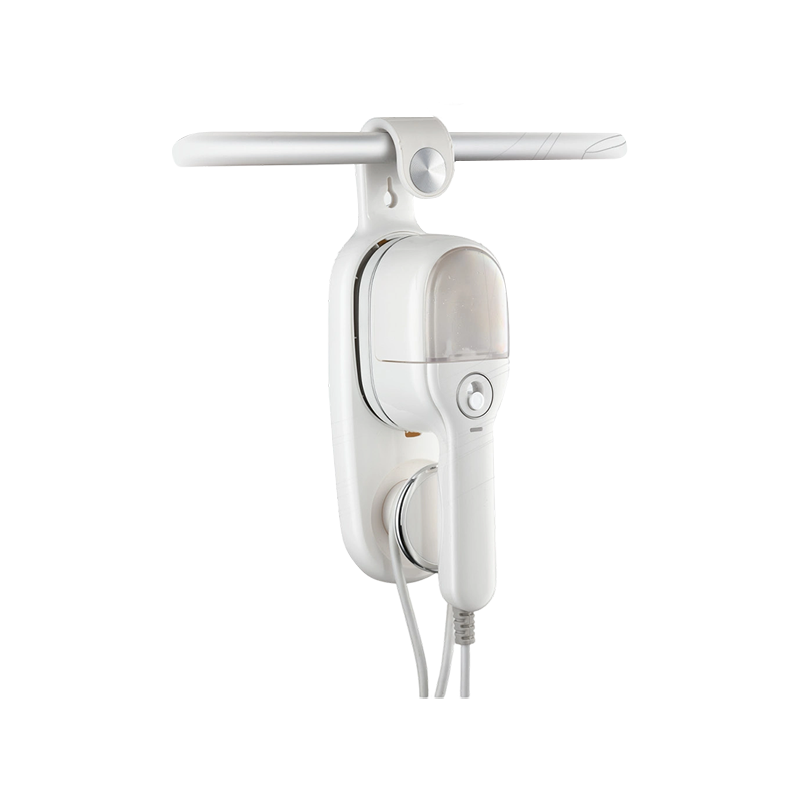
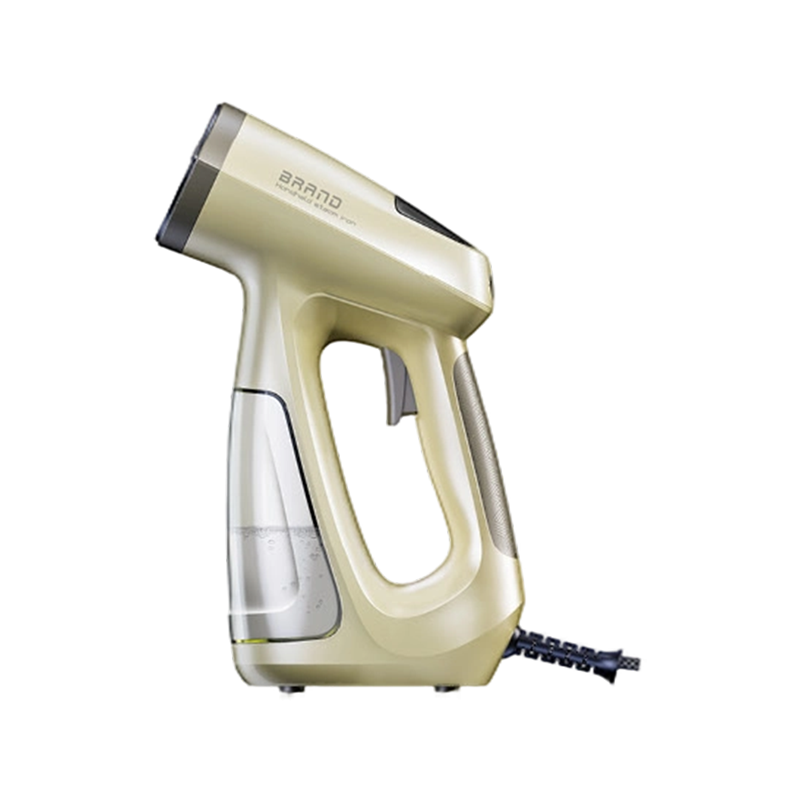
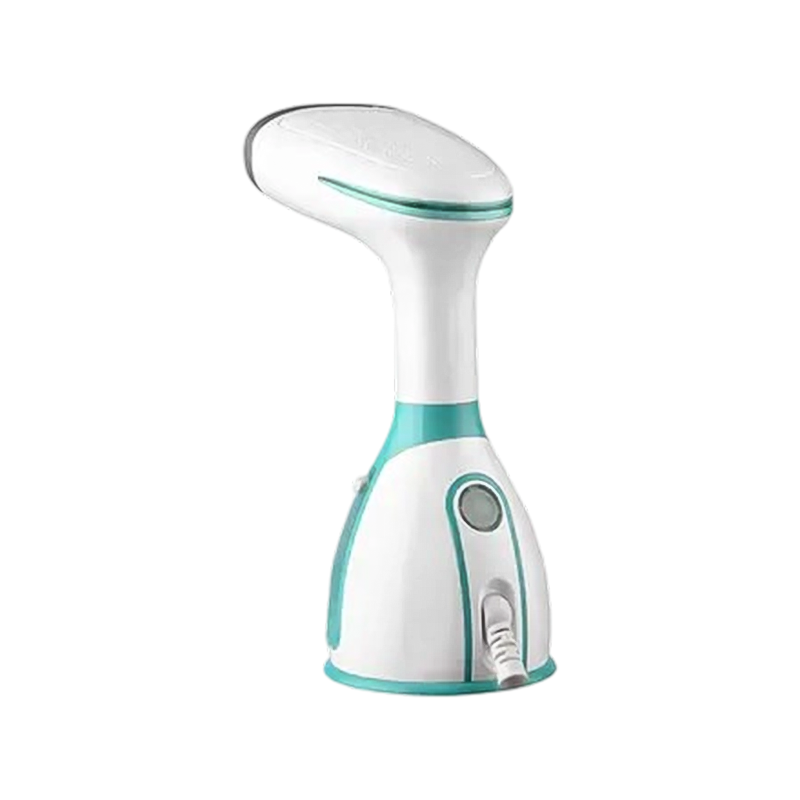
A hanging ironing machine — also widely known as a garment steamer or clothes steamer — is an appliance that removes wrinkles from garments using pressurized steam while the clothing hangs freely, without requiring a flat ironing board. Unlike a conventional iron, which presses a heated metal plate directly against fabric laid on a surface, a hanging ironing machine directs a continuous flow of steam at the garment from a handheld nozzle. The steam penetrates the fabric fibers, relaxes them, and allows gravity to naturally pull the wrinkles out.
These machines are used in a wide range of settings — from everyday home laundry routines to professional environments including hotels, retail clothing stores, fashion studios, and film production sets. Their ability to handle items that cannot be ironed flat, combined with their speed and ease of use, has made them one of the fastest-growing categories of home appliances over the past two decades. The global garment steamer market exceeded $1.5 billion in annual value and continues to grow at roughly 6–8% per year, reflecting how widely this tool has been adopted.
The Core Mechanism: How Steam Removes Wrinkles
Understanding how a hanging ironing machine works helps explain why it is so effective across such a wide range of fabrics. The process relies on a well-understood principle of textile physics: fabric fibers — particularly natural fibers like cotton, wool, and linen — are held in a wrinkled position by hydrogen bonds that form when fibers dry in a compressed or bent state. Steam disrupts these bonds on two levels simultaneously.
- Moisture breaks the hydrogen bonds holding fibers in their wrinkled position, allowing them to move freely and be repositioned
- Heat from the steam softens the fibers, making them temporarily pliable so gravity and light hand tension can smooth them flat
- As the fabric cools and dries, new hydrogen bonds reform in the smooth, relaxed position — keeping the garment wrinkle-free until it is next compressed or worn heavily
The water tank in the machine heats water to generate steam, which travels through a flexible hose to the steamer head. Most models reach operating temperature in 45 seconds to 3 minutes depending on their power rating, and they produce steam continuously as long as water remains in the tank. Steam output typically ranges from 25 grams per minute (g/min) on entry-level models to over 60 g/min on high-performance units, with higher output producing faster, more thorough results on thicker fabrics.
Key Components and What They Do
A typical upright hanging ironing machine consists of several integrated components, each of which affects overall performance:
- Water tank — holds the water that is heated to produce steam; standard capacities range from 1.0 L to 2.5 L, providing 20 to 60 minutes of continuous use before refilling
- Heating element — heats the water to generate steam; power ratings range from 1000 W to 2200 W, with higher wattage producing faster heat-up and more consistent steam
- Flexible hose — carries steam from the unit to the handheld steamer head; typically 1.2–1.8 meters long, allowing freedom of movement around the garment
- Steamer head / nozzle — the handheld component that directs steam at the fabric; many models include attachments such as a fabric brush for stubborn wrinkles or a crease attachment for creating pressed lines
- Hanger pole — a built-in or freestanding rod that holds garments in a vertical hanging position during steaming, keeping them taut so gravity assists the smoothing process
- Steam control — adjusts output between low and high settings to accommodate different fabric types and wrinkle severity
The Three Main Types of Hanging Ironing Machines
Not all garment steamers are built for the same purpose. The three main categories differ significantly in size, steam output, and intended use:
| Type | Tank Capacity | Steam Output | Heat-Up Time | Best Suited For |
|---|---|---|---|---|
| Handheld travel steamer | 100–300 ml | 15–25 g/min | 20–40 seconds | Travel, light touch-ups |
| Upright floor steamer | 1.0–2.0 L | 30–60 g/min | 45–90 seconds | Daily home use |
| Commercial garment steamer | 2.0–4.0 L+ | 60–100+ g/min | 1–3 minutes | Retail, hotel, fashion industry |
For most households, an upright floor steamer with a 1.2–1.8 L tank and a steam output of 35–55 g/min represents the best balance of performance, capacity, and price. Handheld models are ideal as secondary travel tools or for quick spot treatments, while commercial models are only necessary for high-volume professional use.
Common Uses Beyond Basic Wrinkle Removal
A hanging ironing machine is more versatile than its name suggests. Beyond removing wrinkles, these machines are regularly used for:
- Refreshing garments between washes — steam neutralizes light odors and kills surface bacteria, making it ideal for extending the time between laundry cycles for items like wool blazers and coats
- Removing suitcase creases — after travel, a handheld or upright steamer can restore packed clothing to a presentable condition in minutes, often faster than waiting for a hotel iron
- Sanitizing soft furnishings — steam at temperatures above 100°C can sanitize sofa cushion covers, fabric headboards, and upholstered chairs without removal or washing
- Treating curtains in place — full-length curtains can be steamed while hanging, avoiding the significant effort of taking them down, ironing them flat, and rehinging them
- Preparing formal and occasion wear — wedding dresses, evening gowns, and suits are routinely steamed rather than ironed because the risk of damage from direct contact pressing is too high on expensive or delicate fabrics
Are Hanging Ironing Machines really useful?
Hanging ironing machines are not a novelty product or a luxury item for fashion enthusiasts — they solve real, practical problems in everyday clothing care. More than 65% of households that own a garment steamer report using it at least twice per week, and the majority say it has partially or fully replaced their traditional iron for routine tasks. The reason is straightforward: steaming a shirt takes approximately 2–3 minutes versus 6–10 minutes for flat ironing, and requires no board setup or teardown. For anyone who cares regularly for clothing, that time saving is immediately and consistently meaningful.
That said, usefulness depends on what kinds of garments you own, how often you need to care for them, and what standard of finish you require. The following sections provide an honest, detailed assessment of where these machines genuinely deliver value — and where their limitations become relevant.
Where Hanging Ironing Machines Deliver Real, Measurable Value
Significant Time Savings on Everyday Garments
The single most consistently reported benefit of garment steamers is the reduction in time spent on clothing care. The time advantage comes from multiple sources: the machine heats up in under 60 seconds for most upright models, compared to 2–4 minutes for a traditional iron and ironing board setup. No board needs to be unfolded, positioned, or put away. The garment does not need to be repositioned repeatedly to reach different sections. A standard dress shirt can be fully steamed in 2–3 minutes — front, back, sleeves, and collar area — while remaining on a hanger.
For someone who irons five garments per week, the time saved versus traditional ironing amounts to roughly 30–45 minutes per week, or over 25 hours per year. This is a meaningful practical benefit that compounds over months of regular use.
Handling Items That Are Difficult or Impossible to Iron Flat
Many of the garments people own are poorly suited to flat ironing — not because ironing doesn't work, but because the process is physically awkward or carries a real risk of damage. A hanging ironing machine handles these items naturally:
- Tailored blazers and structured jackets — pressing these flat on an ironing board risks compressing the internal padding and canvas interfacing, which can permanently distort the garment's shape; steam refreshes them safely in 3–5 minutes while they hang
- Floor-length curtains and drapes — too large and heavy to manage on an ironing board; steamed in place while hanging in under 10 minutes per panel
- Tiered dresses and pleated skirts — the layered construction of these garments makes flat ironing each layer individually extremely time-consuming; steam reaches all layers simultaneously
- Embellished or embroidered garments — beading, sequins, and embroidery can be damaged or flattened under a hot iron; steam treats the surrounding fabric without direct contact
Refreshing Garments Without Washing
Steam at temperatures above 100°C has a documented sanitizing effect on textile surfaces, eliminating common surface bacteria and neutralizing light odors including body odor, cooking smells, and the musty scent of stored clothing. For garments that should not be frequently washed — wool coats, cashmere sweaters, structured suits — this is a significant practical benefit.
A wool blazer worn for a few hours can be steamed for 3–4 minutes to eliminate any odor and smooth light wrinkles, then returned to the wardrobe ready to wear again. The alternative — dry cleaning — typically costs $10–$25 per garment and exposes the fabric to chemical solvents. Regular steaming can reduce dry-cleaning frequency by 50% or more, producing meaningful savings over a year and extending the usable life of high-quality garments.
Fabric Safety on Delicates
Because a garment steamer never touches fabric directly, it cannot scorch, shine, or leave press marks — the three most common forms of ironing damage. This makes it unambiguously the safer choice for silk blouses, fine wool, chiffon, lace, and any garment with a care label warning against direct contact with a hot iron. Users who own a significant proportion of these fabrics will find a hanging ironing machine genuinely invaluable for routine care.
Usefulness by User Profile
The degree to which a hanging ironing machine is useful varies considerably depending on lifestyle and clothing habits. The table below provides a realistic assessment for common user types:
| User Profile | Usefulness Level | Primary Benefit | Recommended Type |
|---|---|---|---|
| Busy professional (office wear) | Very high | Fast morning touch-ups | Upright floor steamer |
| Fashion-conscious wardrobe owner | Very high | Safe care for delicates | Upright floor steamer |
| Hotel / retail professional | Essential | High volume, fast throughput | Commercial steamer |
| Frequent traveler | High | Removing suitcase creases | Handheld travel steamer |
| Dress shirt wearer (formal crisp finish) | Moderate | Best paired with traditional iron | Both tools recommended |
| Casual / jeans-only dresser | Low to moderate | Occasional garment refresh | Handheld or budget upright |
Where Hanging Ironing Machines Have Limitations
A balanced assessment must acknowledge the situations where a hanging ironing machine is not the right tool or where it performs less effectively than a traditional iron:
- Sharp, defined creases — trouser pleats, sharp shirt collar points, and structured cuffs all require the pressing force of a flat iron against a firm surface; steam alone cannot create or maintain a crisp pressed line
- Very heavily wrinkled thick cotton — a cotton shirt that has been tightly rolled or left wet for hours may require multiple passes or a combination of steaming and flat pressing to fully smooth out the most compressed creases
- Iron-on applications — heat transfers, fusible interfacing, and iron-on patches require dry contact heat with firm pressure; a steamer cannot perform these tasks
- Wax-coated or leather materials — steam causes surface damage on these materials and should never be used
For most users, none of these limitations are dealbreakers — they simply define the cases where a traditional iron remains the better tool. The practical solution is to keep both, using the steamer for the majority of everyday tasks and the iron for the minority of precision work.
The Financial Case: Is the Investment Worthwhile?
A quality upright garment steamer for home use typically costs between $40 and $150, with well-regarded models concentrated in the $60–$100 range. With proper maintenance — particularly regular descaling and emptying the tank after use — most models last 3–7 years. The cost per year of ownership works out to approximately $10–$30, which is comparable to a single dry-cleaning visit for one suit.
When weighed against the time savings (25+ hours per year for regular users), the reduced dry-cleaning costs, and the extended lifespan of garments that benefit from gentler steam care rather than repeated washing, the financial case for owning a hanging ironing machine is straightforward for anyone who regularly cares for clothing. For casual dressers who rarely iron, the value proposition is lower, but even occasional users tend to find the convenience of quick touch-ups sufficient justification for the relatively modest cost.
Real-World Feedback: What Regular Users Report
Consumer surveys and user reviews consistently highlight the same benefits and pain points. The most commonly cited positive outcomes are:
- Faster morning preparation — garments ready in under 3 minutes without setting up an ironing board
- Confidence using it on expensive or delicate garments that previously went to the dry cleaner
- Ability to treat curtains, sofa covers, and other oversized items that were previously impractical to iron
- Noticeable reduction in dry-cleaning bills over six months to a year of ownership
The most commonly cited limitations are the inability to create sharp pressed creases and occasional water dripping from lower-quality models during the warm-up phase. Both are manageable: the first by keeping a traditional iron for formal items, and the second by pointing the nozzle away from clothing for the first 5–10 seconds after the machine reaches operating temperature.
Overall, the evidence — both from sales data and from user experience — strongly supports the conclusion that hanging ironing machines are genuinely useful for the majority of people who regularly care for clothing. The key is matching the right model and use case to your specific needs.
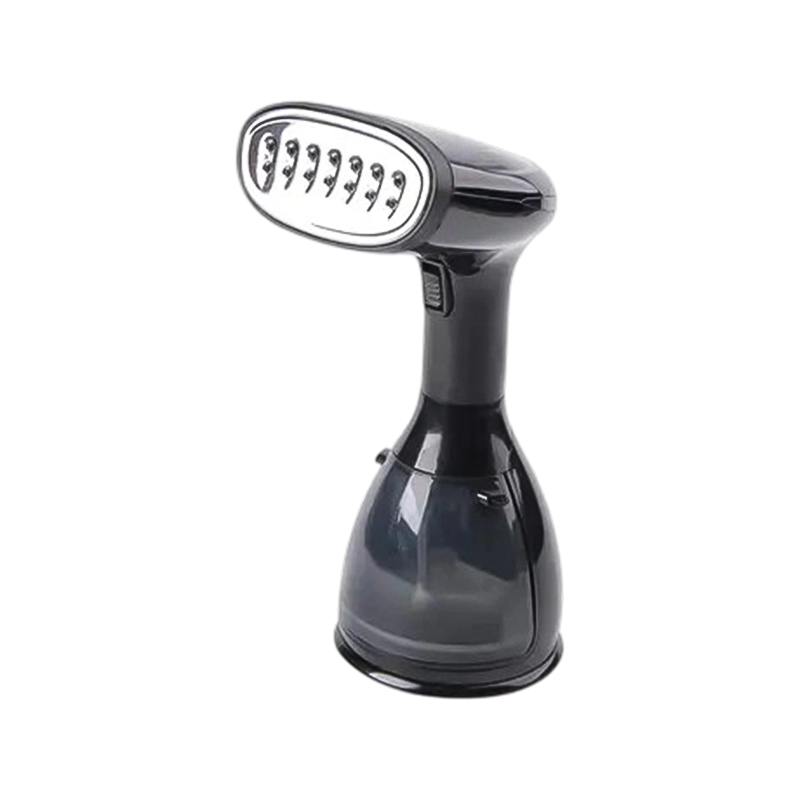
What are the advantages of a Hanging Ironing Machine?
Hanging ironing machines offer a distinct and well-documented set of advantages over traditional flat irons: faster results, superior fabric safety, elimination of the ironing board, the ability to handle garment types that irons cannot, odor and bacteria reduction, and meaningful time and cost savings over the long term. These are not minor incremental improvements — for most everyday clothing care tasks, a garment steamer represents a fundamentally more practical approach than the traditional iron-and-board method. The following sections examine each advantage in detail, with specific data and examples to illustrate the real-world impact.
Advantage 1: Dramatically Faster Wrinkle Removal
Speed is the most immediately noticeable advantage of a hanging ironing machine. The time difference comes not just from faster steaming but from the elimination of multiple steps that traditional ironing requires:
- Setup time — unfolding and positioning an ironing board takes 1–2 minutes; a garment steamer is ready to use the moment it reaches temperature, typically in under 60 seconds
- Per-garment time — a standard dress shirt takes 2–3 minutes with a steamer versus 6–10 minutes flat on a board; a linen blouse takes 3–4 minutes versus 8–12 minutes
- Teardown time — putting away an ironing board takes another 1–2 minutes; a steamer is simply switched off and left to cool in place
For a household ironing five garments per week, these time savings accumulate to approximately 30–45 minutes per week, or 26–39 hours per year. That is a substantial and ongoing benefit for anyone who irons regularly. The speed advantage is further extended by the steamer's ability to handle multiple garment areas simultaneously — the steam disperses across a wider area than a soleplate, and there is no need to reposition the garment or address specific sections separately.
Advantage 2: No Risk of Scorching, Shining, or Press Marks
Traditional ironing involves pressing a metal plate heated to 120–220°C directly against fabric. At the wrong temperature setting, or if the iron is left stationary for even a few seconds, this direct contact can cause irreversible damage:
- Scorch marks — brown or yellowish marks on cotton and linen caused by localized overheating; these are permanent and cannot be removed by washing
- Shine — permanent glossy marks on wool, synthetic blends, and dark-colored fabrics caused by pressing at too high a temperature or with too much pressure
- Flattened textures — pile fabrics like velvet lose their texture permanently when pressed with a hot iron; the same applies to heavily embossed or raised-weave fabrics
A hanging ironing machine eliminates all of these risks because the steamer head never makes direct contact with the fabric. Steam is applied from a distance of 1–3 cm, and no physical pressure is exerted. The risk of scorching or shine marks is effectively zero with a properly used garment steamer. This makes these machines the unambiguously safer choice for high-value garments, delicate fabrics, and items with complex textures or surface treatments.
Advantage 3: No Ironing Board Required — Minimal Space and Setup
A full-size ironing board occupies approximately 140 × 45 cm when open and requires adequate clear floor space to use safely. In apartments, studios, or compact homes, finding this space can be a genuine inconvenience. Many people end up ironing on beds or floors — both of which produce inferior results — simply because setting up the board is too disruptive.
A freestanding garment steamer occupies a floor footprint of approximately 25–35 cm in diameter when in use and includes its own integrated hanger pole. It can be positioned anywhere — next to the wardrobe, in a hallway, or in a bedroom corner — without rearranging other furniture. After use, it folds to an even smaller storage footprint. For users in compact living spaces, this is a substantial practical advantage that directly affects how frequently and conveniently they can care for clothing.
Advantage 4: Handles Garments That Cannot Be Ironed Flat
This is one of the most practically significant advantages of a hanging ironing machine, and it is one that traditional irons simply cannot address. A wide range of common garments and household textiles are either impossible or extremely difficult to iron flat on a board:
| Item | Why Flat Ironing Is Difficult | Steamer Solution | Approx. Time to Steam |
|---|---|---|---|
| Tailored blazer / suit jacket | Pressing distorts internal padding and canvas | Steam while hanging; no distortion | 3–5 min |
| Floor-length curtain panel | Too large and heavy to handle on a board | Steam in place while hanging | 5–12 min |
| Evening gown / wedding dress | Risk of damage to delicate fabric and embellishments | Gentle steam from distance; no contact | 5–10 min |
| Tiered / pleated dress | Multiple layers impossible to iron flat individually | Steam penetrates all layers at once | 4–7 min |
| Heavy wool overcoat | Extremely heavy; difficult to manage on a board | Steam while hanging on sturdy hook | 6–10 min |
Advantage 5: Sanitizes Fabrics and Eliminates Odors Without Washing
Steam at temperatures above 100°C effectively kills common surface bacteria and deactivates dust mite activity on textiles. It also neutralizes a wide range of odors by breaking down the odor-causing compounds embedded in fabric fibers. This combination of sanitizing and deodorizing without immersion washing has significant practical benefits for garment longevity and convenience.
Many garments — particularly wool, cashmere, structured outerwear, and lined jackets — are adversely affected by frequent machine washing: the fabric can shrink, the structure can distort, and the fibers weaken over time. Steam ironing offers a way to maintain these garments in a fresh, clean condition between washes, effectively extending the intervals between laundering by 30–50% for items that are worn but not heavily soiled.
The reduction in dry-cleaning frequency is financially significant. A wool blazer dry-cleaned once per month costs approximately $120–$300 per year in cleaning fees. If regular steaming reduces this to once every two to three months, the annual saving from a single garment can exceed the purchase price of the steamer itself.
Advantage 6: Gentler on Fabric — Extends Garment Lifespan
Every time a garment is washed, dried, or pressed with a hot iron, its fibers undergo physical stress. Repeated washing causes fibers to weaken, colors to fade, and fabric structures to break down. Flat ironing adds mechanical stress through direct contact pressure, and at incorrect temperatures it causes irreversible heat damage.
Steaming applies gentler treatment: no direct contact, no mechanical pressure, and lower effective temperature at the fabric surface compared to direct soleplate contact. Studies on textile durability consistently show that fabrics treated with steam over time retain their strength, color, and texture significantly better than those subjected to frequent ironing. For garments that represent a meaningful financial investment — quality suits, cashmere knitwear, silk blouses — this represents a compelling reason to choose steaming as the primary care method.
Advantage 7: Safer to Operate Than Traditional Irons
Traditional irons present a fire and burn hazard when left face-down on fabric — even briefly. A face-down iron left on cotton for 20–30 seconds can cause significant scorching, and left for longer it can start a fire. Garment steamers eliminate this risk entirely because the steamer head does not rest on fabric. Modern models also include automatic shut-off systems that cut power after 10–15 minutes of inactivity, providing an additional layer of safety.
The steam itself is at or above 100°C and will cause burns on direct skin contact, so care is needed during operation — but the overall risk profile of a garment steamer in a household setting is significantly lower than a traditional flat iron, particularly for households with children or pets.
Advantage 8: Versatile Beyond Clothing
Hanging ironing machines are not limited to garment care. Many users find their steamer equally valuable for household textile maintenance:
- Upholstered furniture — sofa cushion covers, fabric headboards, and armchair upholstery can be freshened and lightly sanitized with steam without removal
- Mattress covers and bedding — periodic steaming removes dust mites and surface bacteria from mattress surfaces and fabric bed bases
- Tablecloths and napkins — larger linens that are impractical to iron flat can be steamed hanging or draped over a chair
- Stuffed toys and soft accessories — plush items can be sanitized with steam without water immersion, which can damage fillings and cause mold if not dried thoroughly
This breadth of application increases the overall utility of the machine well beyond its primary function, making it a more cost-effective purchase compared to a tool with a single narrow use case. For households that take textile care seriously, a hanging ironing machine is among the most versatile appliances available for the price.
What are Hanging Ironing Machine used for?
A hanging ironing machine, also known as a garment steamer or clothes steamer, is a household appliance that uses continuous high-temperature steam to relax fabric fibers and remove wrinkles from clothing while the garments remain on a hanger. Unlike a traditional flat iron that requires an ironing board and direct soleplate contact, a hanging ironing machine works by directing steam onto the surface of the fabric from a short distance, making it one of the most versatile and user-friendly fabric care tools available today.
The core function is wrinkle removal, but the uses of a hanging ironing machine extend far beyond simply smoothing out creases. From sanitizing fabrics to refreshing stored clothes, it serves a wide range of practical purposes in daily home care, travel, and professional garment maintenance.
Removing Wrinkles from All Types of Garments
The primary use of a hanging ironing machine is fast and effective wrinkle removal. Because the steam penetrates fabric fibers directly rather than pressing them flat with heat and weight, it is especially well suited to garments that are difficult or risky to iron on a flat board.
A full-size upright garment steamer with a 1.5-liter water tank can typically produce continuous steam for 40 to 60 minutes, which is enough to refresh an entire wardrobe in one session. Compact handheld models with 200 to 300 ml tanks are ready in about 30 to 45 seconds and can dewrinkle a shirt in under 2 minutes.
- Dress shirts and blouses: Steam relaxes collar areas, cuffs, and button plackets without requiring precise pressure control.
- Suits and blazers: Structured jackets with padding and lining are notoriously difficult to iron flat. A steamer refreshes them in minutes without distorting the shape.
- Dresses and evening wear: Long, layered, or pleated garments that are awkward to manage on an ironing board respond extremely well to vertical steaming.
- Knitwear and sweaters: Traditional irons can flatten the texture of knitted fabrics, but steam revives them without direct contact.
- Curtains and drapes: A standing steamer allows you to dewrinkle curtains while they hang on the rod, eliminating the need to take them down entirely.
Sanitizing and Killing Bacteria on Fabrics
One of the most underappreciated uses of a hanging ironing machine is its ability to sanitize clothing and household textiles. The steam produced by most garment steamers reaches temperatures between 100 and 160 degrees Celsius. At these temperatures, sustained contact of 5 to 10 seconds is sufficient to kill over 99% of common household bacteria, dust mites, and certain viruses on fabric surfaces.
This makes the hanging ironing machine particularly valuable in the following situations:
- Refreshing baby clothing, blankets, and soft toys that require extra hygiene but cannot be machine washed frequently.
- Sanitizing secondhand or thrift-store clothing purchases before wearing them.
- Treating pillowcases, bed linens, and upholstered furniture surfaces where dust mites are a concern.
- Disinfecting garments after illness without subjecting delicate items to harsh washing cycles.
Eliminating Odors Without Washing
High-temperature steam breaks down volatile odor-causing molecules, including those from sweat, food, smoke, and mustiness. A hanging ironing machine is widely used to freshen garments that do not need a full wash but have absorbed odors during wear or storage.
For wool coats, cashmere sweaters, tailored suits, and other items that should only be dry-cleaned or washed infrequently, a steaming session can extend the number of wearings between cleaning cycles by two to three times. This not only saves time and money on dry cleaning but also reduces the structural wear that repeated washing causes to high-quality fabrics.
Practical scenarios where odor removal is the main goal include:
- Refreshing a suit jacket after a long flight or business event.
- Deodorizing vintage or secondhand clothing that has a musty storage smell.
- Removing food or smoke odors from party or restaurant outfits without full washing.
- Freshening seasonal garments before wearing them again after months in storage.
Caring for Delicate and Hard-to-Iron Fabrics
Many fabrics that require careful handling are actually ideal candidates for a hanging ironing machine precisely because no direct soleplate pressure is applied. This dramatically reduces the risk of shiny marks, texture crushing, or heat damage.
| Fabric Type | Why a Steamer Works Better | Risk with a Flat Iron |
|---|---|---|
| Velvet | No contact preserves the pile | Crushing and permanent flattening of the pile |
| Silk | Gentle steam softens wrinkles without water stains | Water spots and shiny scorch marks |
| Wool and Cashmere | Steam revives fibers without direct heat | Shrinkage, texture damage, shiny marks |
| Embroidered or Beaded Garments | Steam refreshes fabric without touching decorations | Melting, crushing, or dislodging embellishments |
| Pleated Fabric | Uniform steam refreshes pleats while hanging | Difficult to position correctly, risk of pressing pleats flat |
Refreshing Home Textiles and Upholstery
A hanging ironing machine is not limited to clothing. It is widely used around the home for a range of textile care tasks that would be impractical with a conventional iron.
- Curtains and drapes: Full-length curtains can be steamed in place, saving the significant effort of taking them down, washing, and rehiring.
- Sofa and chair upholstery: Steaming upholstery removes surface odors, kills dust mites, and relaxes fabric wrinkles on cushion covers and armrests.
- Bed linens and pillowcases: Freshening bed linens between washes is quick and effective with a steamer, particularly for items like duvet covers that take a long time to dry after washing.
- Table linens and cloth napkins: Removing storage creases from tablecloths before a dinner event takes just a few minutes with a standing steamer.
Preparing Clothes for Special Occasions
Before weddings, job interviews, formal dinners, or important presentations, a hanging ironing machine is the fastest way to ensure garments look impeccable. Professional stylists and wardrobe departments on film and television sets use garment steamers as a standard tool precisely because they deliver polished results quickly without risking damage to expensive or irreplaceable costumes.
For home users, the advantage is equally practical. A standing steamer can have a suit, dress, or shirt looking professionally finished within 3 to 5 minutes, compared to the setup time, careful handling, and longer duration required when ironing flat.
Travel and On-the-Go Garment Care
Compact handheld hanging ironing machines have become a popular travel accessory for business travelers, frequent flyers, and anyone who needs to maintain a professional appearance away from home. Handheld models typically weigh between 300 and 700 grams and fit easily into a carry-on bag or suitcase.
Within minutes of arriving at a hotel, a traveler can hang up creased clothing and steam out the wrinkles accumulated during transit. This eliminates the need to request an iron and ironing board from hotel staff and allows for much faster garment preparation in unfamiliar environments.
- Many travel steamers heat up in 20 to 40 seconds and are ready to use almost immediately.
- Dual-voltage models (100 to 240V) work in countries with different electrical standards, making them genuinely international travel tools.
- A full tank on a travel steamer provides around 10 to 15 minutes of continuous steam -- more than enough to treat 3 to 4 garments.
Small Business and Professional Uses
Hanging ironing machines are standard equipment in a range of professional and commercial settings where garment presentation is critical.
- Clothing boutiques and retail stores: New stock arriving from suppliers is often wrinkled from packing. Staff use standing steamers to prepare garments for display quickly and safely.
- Tailors and alteration shops: Steamers are used to set seams, ease fabric, and finish altered garments before handing them back to customers.
- Hotels and hospitality: Housekeeping teams use professional-grade steamers to freshen guest room curtains, bedding, and robes between laundering cycles.
- Photography and fashion studios: Models and subjects need wrinkle-free clothing on set, and steamers allow last-minute touch-ups without risk of heat damage under studio lights.
- Dry cleaning and laundry services: Commercial steamers are used to finish garments after cleaning, restoring shape and texture before return to clients.
How do you use a Hanging Ironing Machine?
Using a hanging ironing machine is straightforward: fill the water tank, allow the unit to heat up until steam is produced steadily, hang the garment vertically, and glide the steam head slowly down the fabric while holding the cloth taut with your free hand. The entire process for a single garment typically takes 2 to 5 minutes, and most users find they can achieve professional results after just a few practice sessions. The sections below walk through every step in detail, covering setup, technique, fabric-specific tips, and maintenance.
Step One: Fill the Water Tank Correctly
Before doing anything else, fill the water tank to the recommended level. Most standing models have tanks ranging from 1 to 2 liters, while handheld travel models typically hold 150 to 350 ml.
- Use distilled or purified water whenever possible. Hard tap water contains calcium and magnesium minerals that accumulate inside the heating element and steam channels over time, reducing performance and shortening the appliance's lifespan. If only tap water is available, descale the unit monthly.
- Do not overfill the tank past the maximum fill line. Excess water can be pushed out through the steam nozzle as liquid droplets, leaving water marks on fabric.
- Fill to between 70% and 90% of the maximum capacity for best steam consistency throughout the session.
- Make sure the tank cap is sealed firmly before plugging in the unit.
Step Two: Power On and Allow Full Preheat
Plug the steamer into a suitable outlet and switch it on. Most standing garment steamers take between 30 seconds and 2 minutes to reach full operating temperature, depending on the power rating. Compact handheld models often heat up in as little as 20 to 40 seconds.
Do not begin steaming until the unit indicates it is ready, either through an indicator light, an audible signal, or the cessation of sputtering from the steam head. Starting too early results in wet, inconsistent steam that can leave water spots on delicate fabrics.
- For the first use of the day, point the steam head away from any fabric and allow 5 to 10 seconds of steam to flush through before applying it to clothing. This clears any condensation that may have formed inside the hose.
- If your model has a temperature or steam level adjustment dial, set it according to the fabric type before preheating. Lower settings for synthetics and silk, higher settings for cotton, linen, and denim.
Step Three: Hang the Garment Properly
The way you hang the garment directly affects how easy and effective the steaming process will be. A well-hung garment allows steam to work with gravity, which helps moisture and heat distribute evenly through the fabric.
- Use a sturdy hanger that supports the shape of the garment. Flimsy wire hangers allow garments to shift and swing while steaming, making it harder to maintain even contact.
- Hang the garment at a comfortable working height, ideally at chest to shoulder level, so you can steam from top to bottom without straining.
- For standing steamers with a built-in hanger hook or pole, use that support to keep the garment stable during the process.
- Make sure there is enough clearance around the garment so that you can reach all panels -- front, back, and sleeves -- without the fabric bunching up against a wall.
Step Four: Master the Steaming Technique
Technique is the single biggest factor in achieving wrinkle-free results with a hanging ironing machine. The following guidelines apply to most garments and fabrics:
Keep the Fabric Taut
Use your free hand to gently pull the fabric taut below the area you are steaming. This is the single most important technique tip. Steam works by relaxing fibers, and if the fabric is loose, the fibers may relax into a slightly bunched position rather than lying flat. Maintaining gentle tension ensures the fibers dry and set in a smooth, flat position.
Maintain the Right Distance from the Fabric
For most fabrics, hold the steam head approximately 1 to 3 centimeters from the surface. Closer contact delivers more steam per square centimeter and is effective on thick fabrics like cotton and denim. On fine or heat-sensitive fabrics such as silk or chiffon, increase the distance to 3 to 5 centimeters so the steam reaches the fabric at a slightly lower temperature.
Move Steadily from Top to Bottom
Begin at the shoulders or collar and work your way down the garment in slow, overlapping vertical strokes. Moving too quickly leaves areas untreated, while moving too slowly can over-saturate the fabric with moisture. A consistent downward motion of roughly 5 to 10 centimeters per second works well for most mid-weight fabrics.
Work in Sections
Treat the front panel, back panel, and each sleeve as separate sections. For a dress shirt, a logical order would be: collar, front placket and buttons, left front panel, right front panel, left sleeve, right sleeve, back panel. This systematic approach ensures complete coverage without double handling.
How to Steam Specific Garment Types
Shirts and Blouses
Start with the collar, folding it out flat and steaming both sides. Move to the button placket and then the front panels. For cuffs, unbutton them and hold them flat while steaming. The back yoke and body of the shirt can be treated as a single continuous section. A typical dress shirt takes 3 to 4 minutes to finish completely.
Suits and Blazers
Hang the jacket on a shaped or padded hanger to maintain the shoulder structure. Steam the lapels first, holding them gently flat, then move to the front panels, keeping 2 to 3 cm distance to avoid flattening any texture. Pay attention to the lower hem, which often creases during storage. Do not steam the lining directly if it is a synthetic material -- keep to the outer fabric side.
Trousers and Jeans
Hang trousers by the waistband or drape them over the hanger with the legs hanging freely. Steam each leg from waistband to hem, pulling gently at the hem end to keep the fabric taut. To reinforce the front crease on dress trousers, hold the crease line pinched between your fingers while steaming directly over it, then allow to cool in position before releasing.
Dresses and Skirts
Hang full-length dresses and skirts on a sturdy hanger and work from the waist down in vertical sections. For layered or pleated skirts, use steam at a slightly greater distance to allow it to penetrate multiple layers without over-wetting the outer surface. Rotate the hanger as you work to ensure all sides are treated evenly.
Knitwear and Sweaters
For knitwear, hold the steam head slightly further from the surface (3 to 5 cm) and use a gentle hovering motion rather than pressing close. Avoid stretching or pulling knitted fabrics while steaming, as wet fibers are temporarily more elastic and may distort if handled too aggressively. After steaming, allow knitwear to cool flat rather than hanging, to prevent the weight of the damp fibers from stretching the garment out of shape.
Temperature and Steam Settings by Fabric Type
| Fabric | Recommended Steam Level | Suggested Distance | Special Notes |
|---|---|---|---|
| Cotton | High | 1 to 2 cm | Lightly damp fabric steams best |
| Linen | High | 1 to 2 cm | Multiple passes may be needed for deep creases |
| Wool and Cashmere | Medium | 2 to 4 cm | Do not over-saturate; cool flat after steaming |
| Silk | Low to Medium | 3 to 5 cm | Test on an inner seam first; avoid drips |
| Polyester and Synthetics | Low | 3 to 5 cm | Do not hold the steam head stationary |
| Denim | High | 1 to 2 cm | Turn inside out to protect dye |
| Velvet | Medium | 4 to 6 cm | Never touch the pile with the steam head |
Step Five: Allow Garments to Dry Before Wearing or Storing
After steaming, fabric fibers are warm and slightly damp. Allow the garment to hang for at least 5 to 10 minutes before wearing or folding it. This drying and cooling period is when the fibers set into their new, smooth position. Folding or wearing the garment immediately while it is still warm and damp can cause new creases to form almost instantly.
For heavier fabrics like wool coats or thick cotton trousers, allow up to 15 to 20 minutes of hanging time to ensure the garment is fully dry before it is placed in a wardrobe or drawer.
After Each Use: Basic Maintenance Habits
A few simple habits after each steaming session will keep your machine performing well and extend its working life significantly.
- Empty the water tank after every use. Leaving water sitting in the tank encourages mineral scale to form and can promote bacterial growth in warm, moist conditions.
- Store the unit upright with the steam head pointing downward or in a neutral position to prevent any residual water from running back into the heating element.
- Wipe the exterior of the steam head with a dry cloth once it has cooled to remove any mineral deposits or fiber lint that may have collected on the surface.
- Run a descaling cycle every 4 to 8 weeks depending on how frequently the unit is used and the hardness of your local tap water. Most manufacturers provide a descaling procedure in the manual, often involving a diluted white vinegar flush followed by a clean water rinse cycle.
Common Beginner Mistakes and How to Avoid Them
| Mistake | What Happens | How to Avoid It |
|---|---|---|
| Starting before full preheat | Water droplets drip and leave stains on fabric | Wait for the ready indicator and flush steam first |
| Not holding the fabric taut | Wrinkles are not fully removed or reform quickly | Always stretch the fabric gently with your free hand |
| Moving the steam head too quickly | Areas receive insufficient steam and remain wrinkled | Slow, overlapping strokes at a steady pace |
| Wearing or folding immediately after steaming | New creases form as warm fibers are compressed | Allow 5 to 10 minutes of hanging time to cool and set |
| Using hard tap water without descaling | Scale buildup reduces steam output and may stain clothes | Use distilled water and descale every 4 to 8 weeks |
For exclusive deals and latest offers, sign up by entering your email address below.