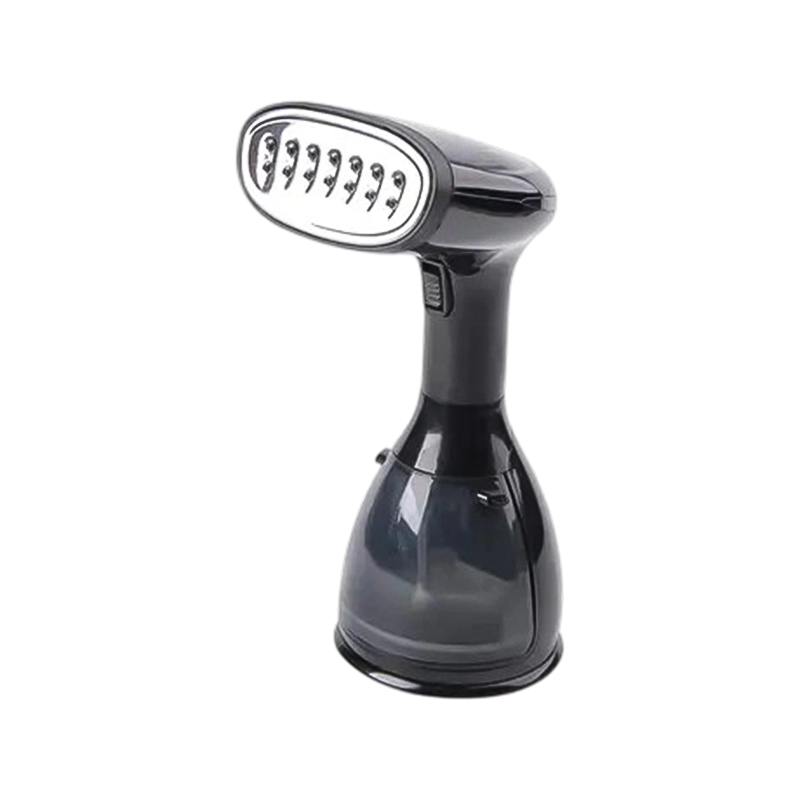
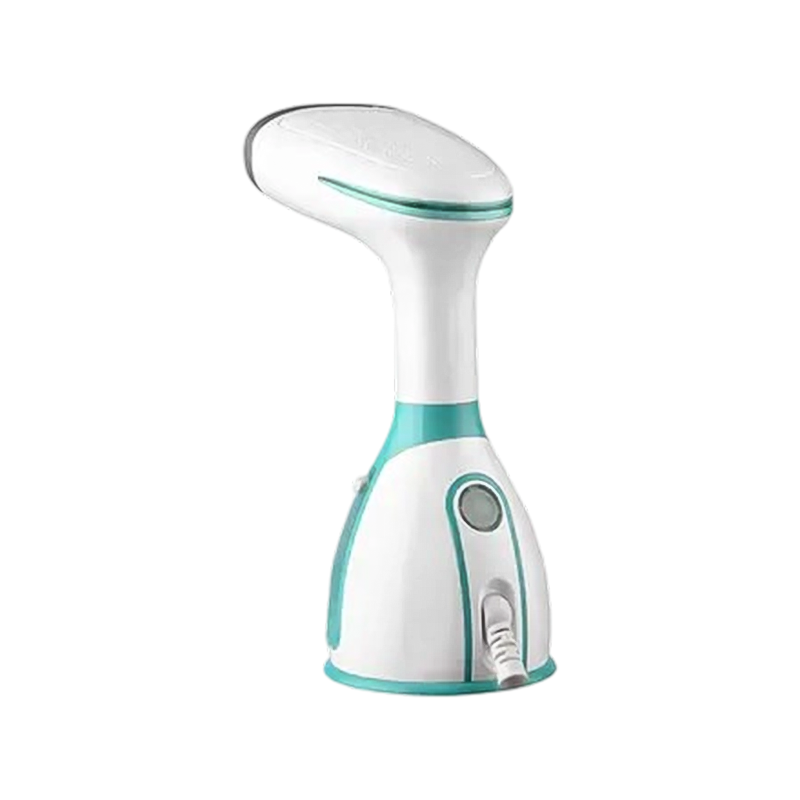
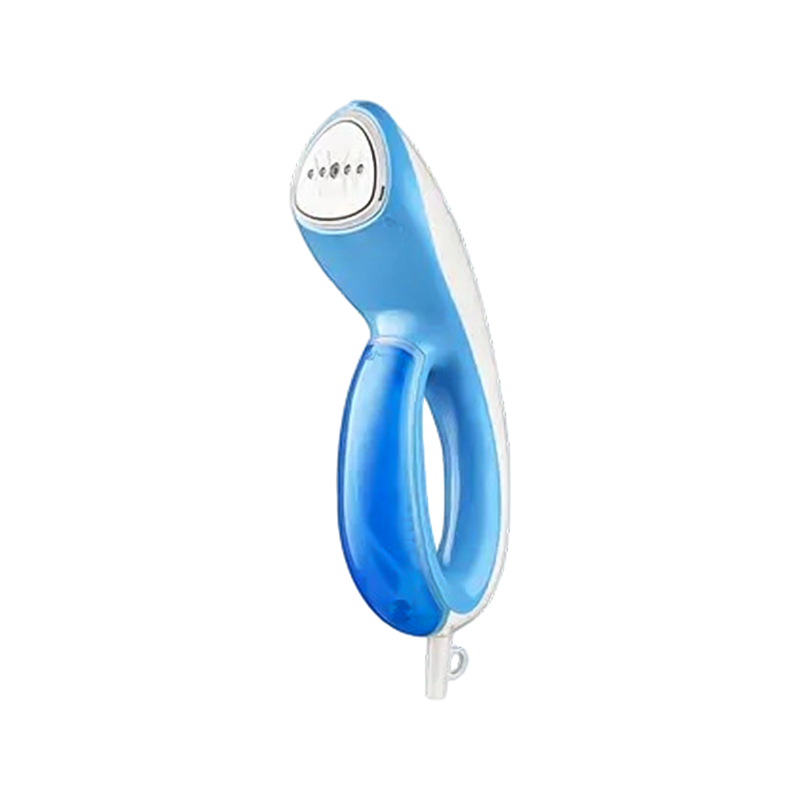
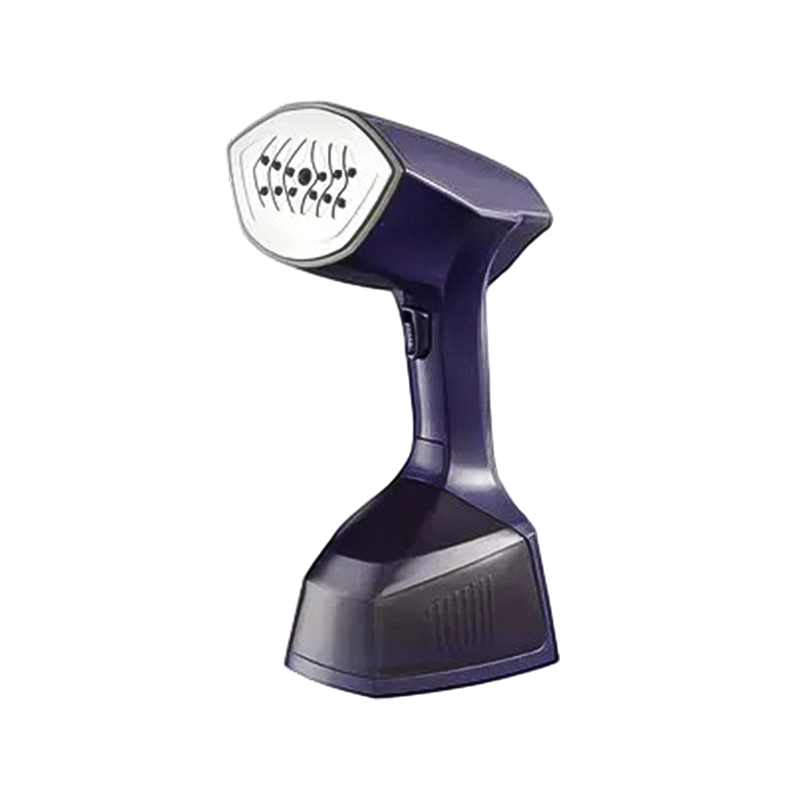
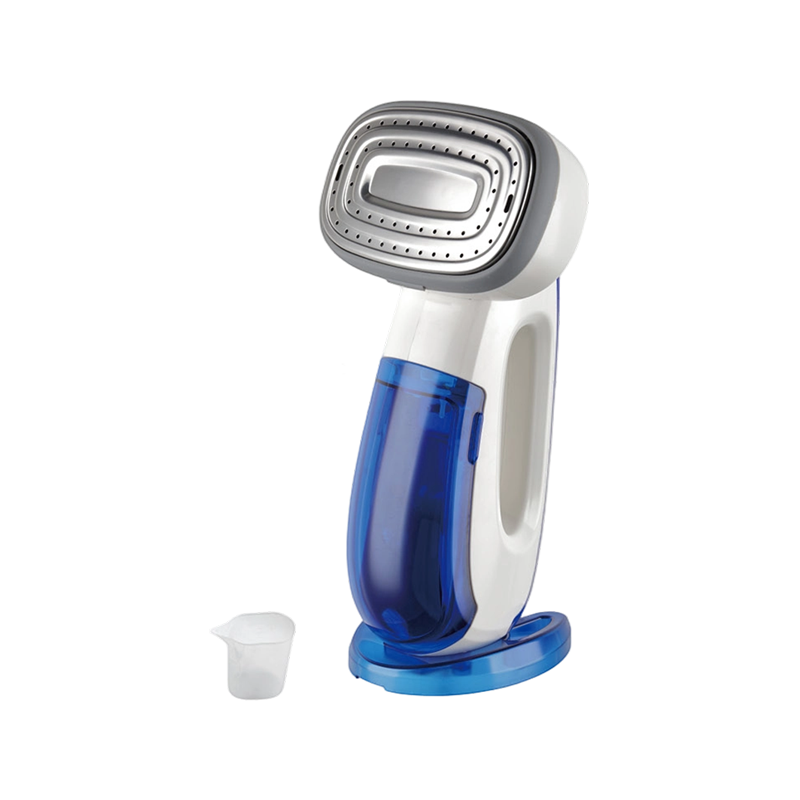
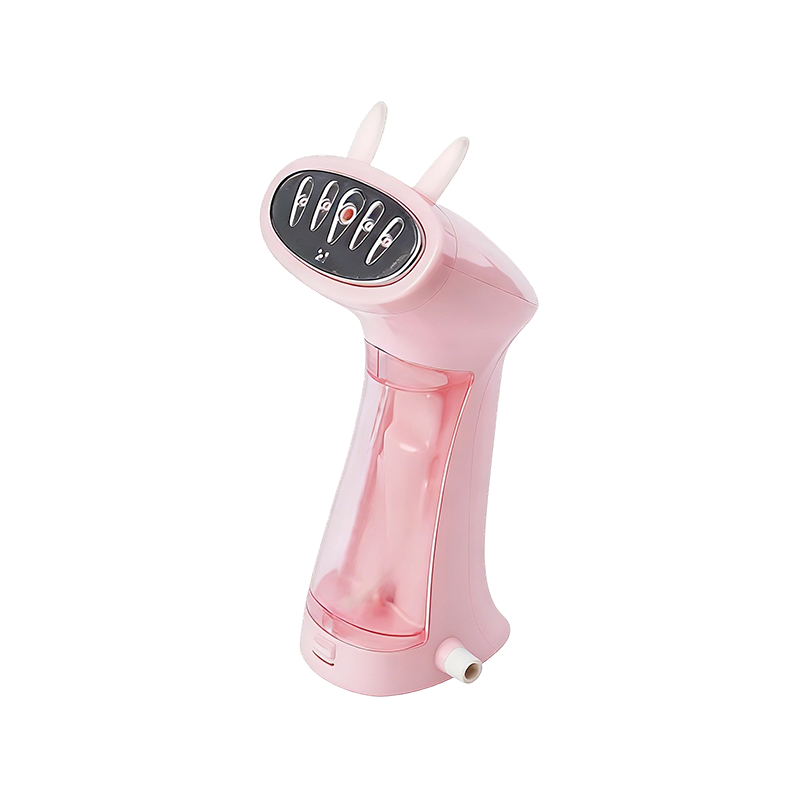
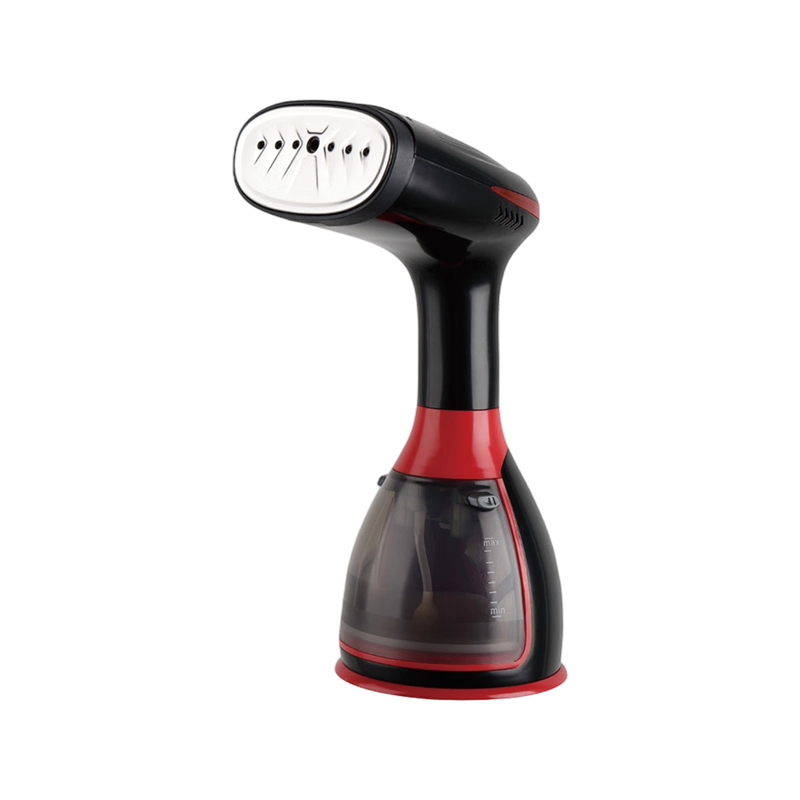
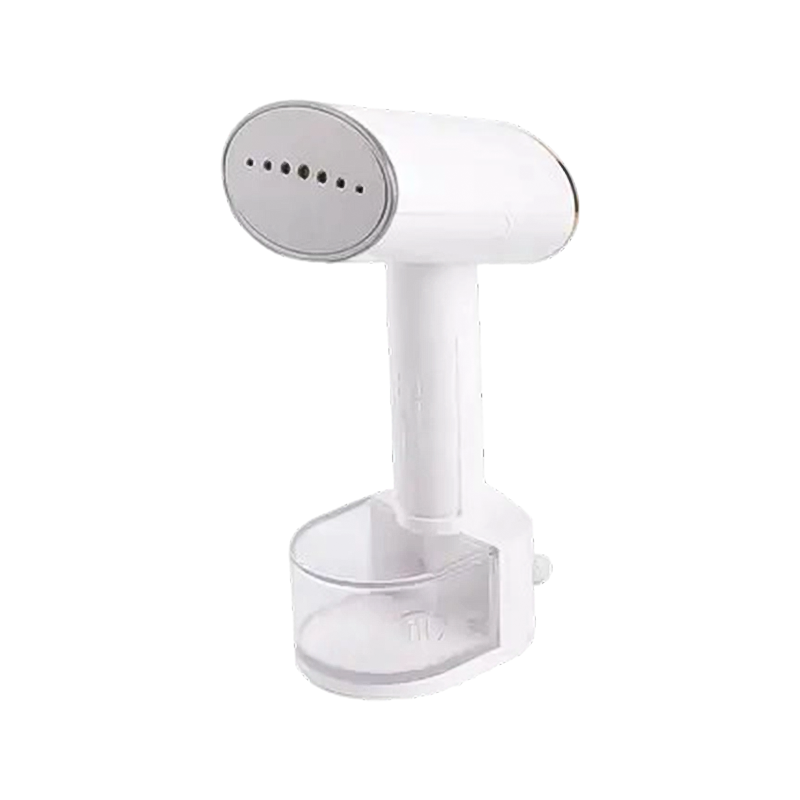
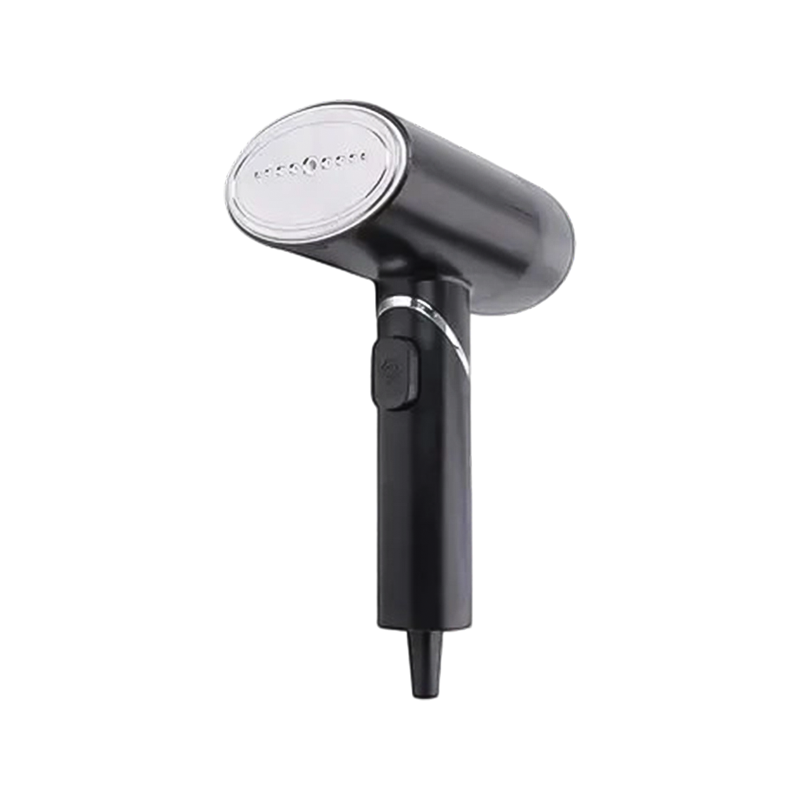
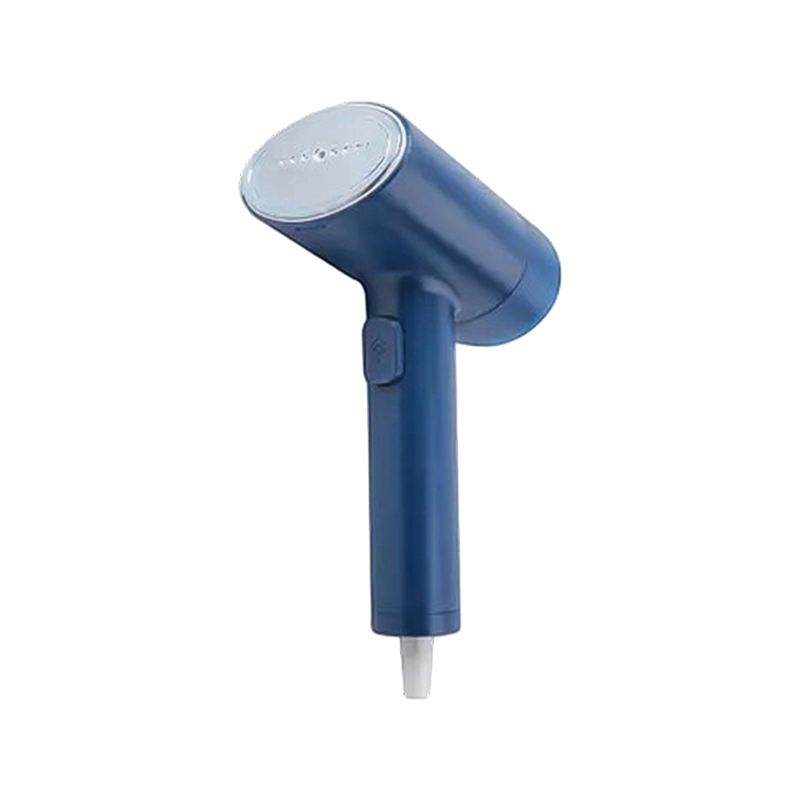
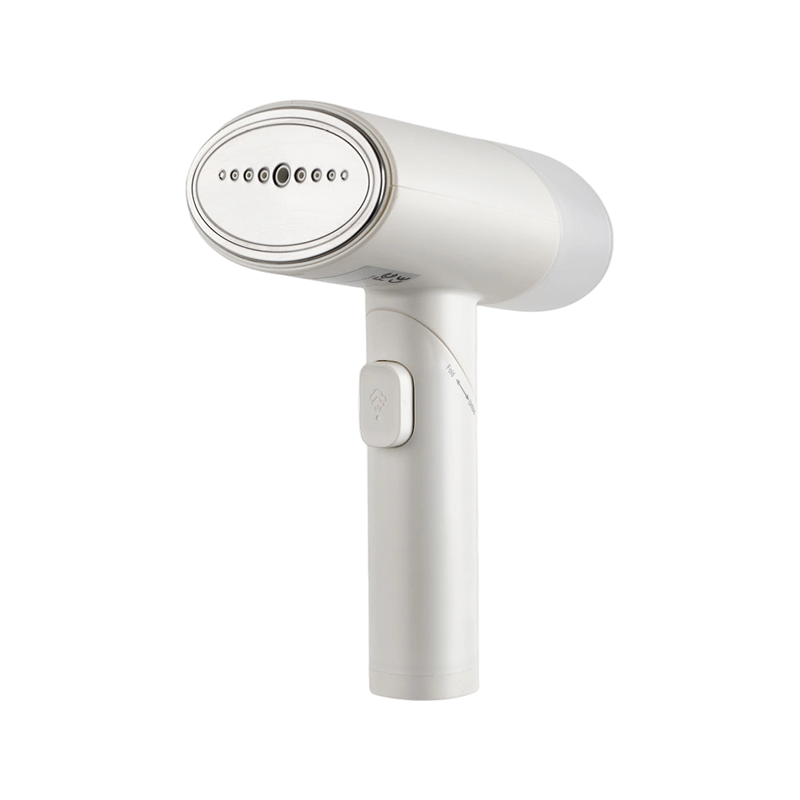
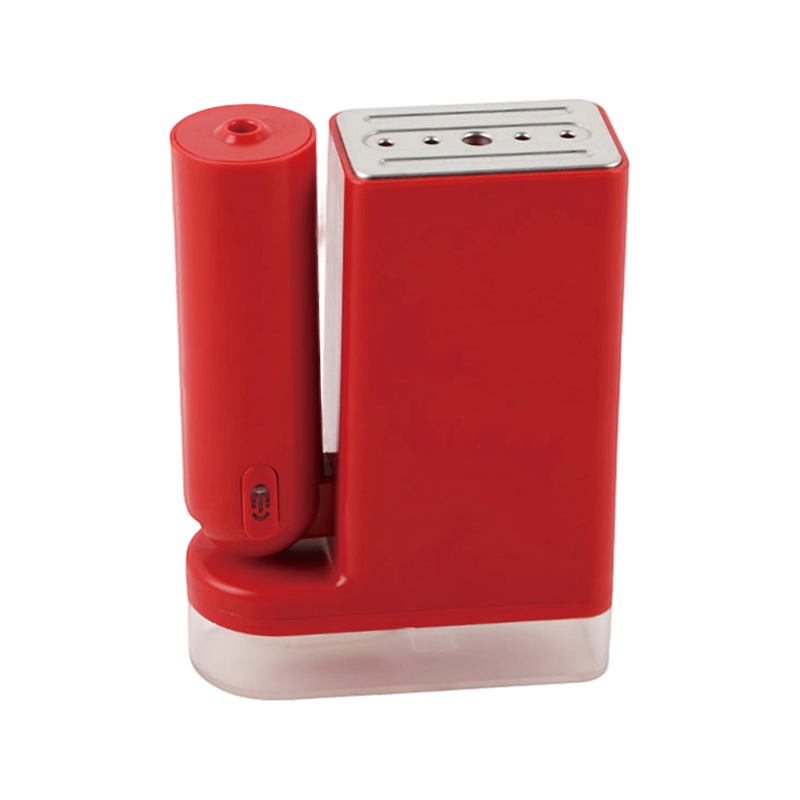
A hanging ironing machine, also known as a handheld garment steamer or steam brush, is a vertical fabric care appliance designed to remove wrinkles from garments while they hang on a rack or hanger. Unlike traditional flat irons that require an ironing board and a horizontal surface, a hanging ironing machine directs a continuous flow of steam onto fabric from above, relaxing fibers and eliminating creases in a fraction of the time.
As global demand for efficient and fabric-friendly garment care continues to grow, the hanging ironing machine has become an essential product for households, hotels, clothing boutiques, and fashion professionals alike. Industry reports estimate the global garment steamer market to reach over $1.8 billion USD by 2027, reflecting steady double-digit annual growth driven by rising consumer preference for convenient, damage-free fabric care solutions.
Key Advantages of Using a Hanging Ironing Machine
Compared to conventional irons and steam press machines, the hanging ironing machine offers a distinct set of benefits that make it the preferred choice for modern garment care:
- Gentle on Delicate Fabrics: Steam treatment avoids direct contact pressure, making it safe for silk, chiffon, wool, linen, and embroidered garments that would be damaged by a hot flat iron.
- Faster Wrinkle Removal: A quality hanging ironing machine can de-wrinkle a standard shirt in as little as 60–90 seconds, compared to 3–5 minutes with a conventional iron and ironing board.
- No Ironing Board Required: Garments are treated vertically while hanging, eliminating setup time and saving significant storage space—ideal for apartments, hotel rooms, and retail environments.
- Sanitizing Effect: High-temperature steam (typically 100°C–120°C) kills common bacteria, dust mites, and odor-causing microorganisms embedded in fabric fibers.
- Versatility: Beyond clothing, hanging ironing machines are widely used for curtains, upholstery, bedding, and even stuffed toys, making them a multi-purpose household appliance.
- Energy Efficiency: Most handheld garment steamers consume between 800W and 1500W, while floor-standing hanging ironing machines range from 1500W to 2200W—generally comparable to or lower than steam press machines of equivalent output.
How a Hanging Ironing Machine Works
Understanding the working principle of a hanging ironing machine helps users operate it more effectively and maintain it properly over time.
Steam Generation Mechanism
Water is fed from a removable or integrated reservoir into a heating chamber (boiler). An internal heating element rapidly heats the water to its boiling point, generating pressurized steam. This steam is channeled through a flexible hose to a handheld nozzle head, where it is expelled in a steady, directed flow onto the hanging garment.
Wrinkle Relaxation Process
When high-temperature steam penetrates fabric fibers, it temporarily increases the moisture content and raises the fiber temperature. This combination causes the molecular bonds within the fiber to relax. As the steam dissipates and the fabric cools, the fibers reset in a smooth, wrinkle-free configuration under their own weight—since the garment is hanging vertically during treatment.
Core Components Overview
Table 1: Main components of a standard hanging ironing machine and their functions
| Component |
Function |
Key Specification (Typical) |
| Water Reservoir |
Stores water supply for steam generation |
0.3 L – 2.5 L capacity |
| Heating Element / Boiler |
Converts water to pressurized steam |
800W – 2200W |
| Steam Hose |
Delivers steam from boiler to nozzle |
1.0 m – 1.8 m length |
| Nozzle / Steam Head |
Directs steam onto fabric surface |
Ceramic, stainless, or fabric brush head |
| Garment Hanger / Pole |
Holds garment upright during steaming |
Adjustable height, 1.3 m – 1.8 m |
| Thermostat / Safety Valve |
Regulates temperature and prevents overpressure |
Auto cut-off at set threshold |
Types of Hanging Ironing Machines: Choosing the Right Model
The market offers several distinct categories of hanging ironing machines, each suited to different use scenarios and user needs:
Handheld Garment Steamers
Compact, lightweight units (typically 300–500g) with a small water tank (150–350ml). Best suited for travel, quick touch-ups, and small households. Heat-up time is usually under 45 seconds. Limited continuous steam duration (10–20 minutes per fill) makes them less suitable for bulk steaming tasks.
Floor-Standing Hanging Ironing Machines
These full-size units feature a base boiler with a large water reservoir (1.5–2.5L), an integrated vertical garment pole, and a flexible steam hose. With continuous steam output of 25–45g/min, they are the standard choice for home use, laundry services, tailors, and garment retailers. Many models offer adjustable steam settings for different fabric types.
Steam Brush Attachments
A specialized variant of the hanging ironing machine nozzle, the steam brush features bristles on the head to simultaneously lift fabric nap and deliver steam. It is particularly effective for wool suits, velvet, and upholstered furniture, where directional fiber alignment is as important as wrinkle removal.
Professional / Industrial Garment Steamers
Designed for high-volume environments such as hotels, dry-cleaning facilities, and garment factories, these units can produce steam continuously for 4–8 hours without refilling, thanks to external water connections or large-capacity tanks. Power consumption ranges from 2000W to 3500W.
Hanging Ironing Machine vs. Traditional Iron: A Direct Comparison
Table 2: Comparison between hanging ironing machines and traditional flat irons across key usage dimensions
| Criteria |
Hanging Ironing Machine |
Traditional Flat Iron |
| Setup Required |
Minimal (hang garment, fill water) |
Ironing board required |
| Fabric Safety |
High (no direct contact pressure) |
Risk of scorching on delicates |
| Speed (per shirt) |
60–90 seconds |
3–5 minutes |
| Crease Sharpness |
Moderate (best for general smoothing) |
High (ideal for crisp trouser creases) |
| Sanitizing Ability |
Yes (steam kills bacteria) |
Limited |
| Space Required |
Minimal |
Moderate (board storage needed) |
| Suitable Fabrics |
Nearly all fabric types |
Most fabrics (care needed on silk/velvet) |
Important Technical Specifications to Evaluate Before Purchasing
When sourcing or purchasing a hanging ironing machine—whether for personal use or commercial supply—the following specifications directly determine performance and suitability:
- Steam Output Rate: Measured in grams per minute (g/min). For household use, 20–35 g/min is adequate; professional environments benefit from 35–60 g/min.
- Water Tank Capacity: Larger tanks (1.5L+) mean longer uninterrupted use. A 1.5L tank typically supports 45–60 minutes of continuous steaming.
- Heating Time (Warm-up): Consumer units generally reach operating temperature in 30–90 seconds; faster warm-up is a premium differentiator.
- Power Wattage: Higher wattage generally means more powerful steam and faster heat recovery. 1500W–2000W is the standard range for home floor-standing models.
- Voltage Compatibility: Products exported to international markets must accommodate both 110V (North America, Japan) and 220–240V (Europe, Asia, Middle East) standards, often via a dual-voltage design or separate SKUs.
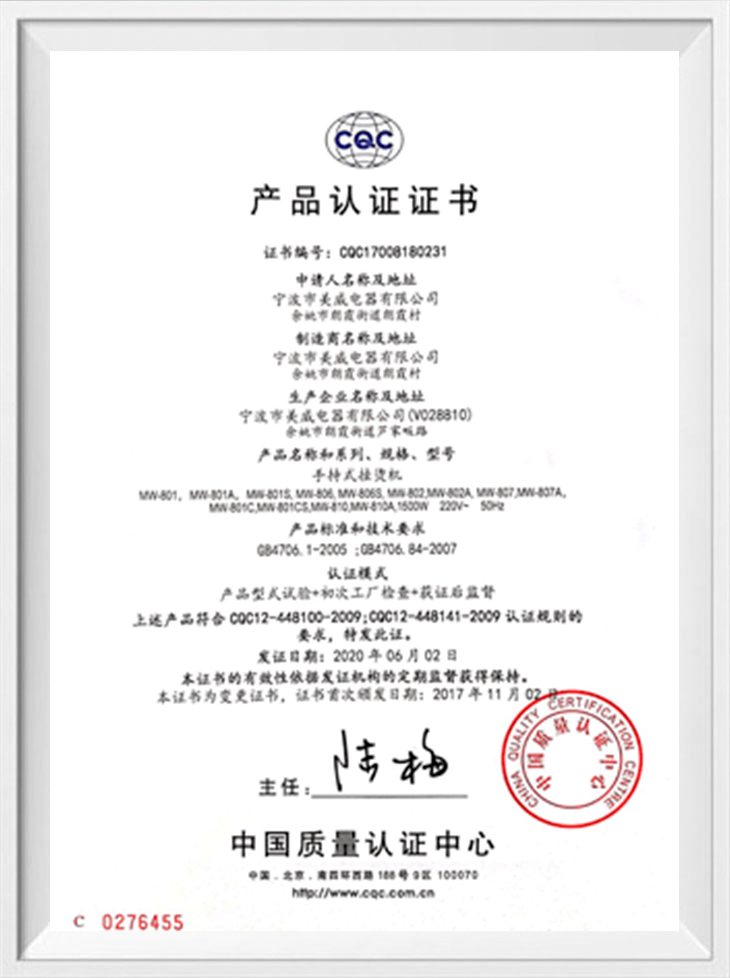
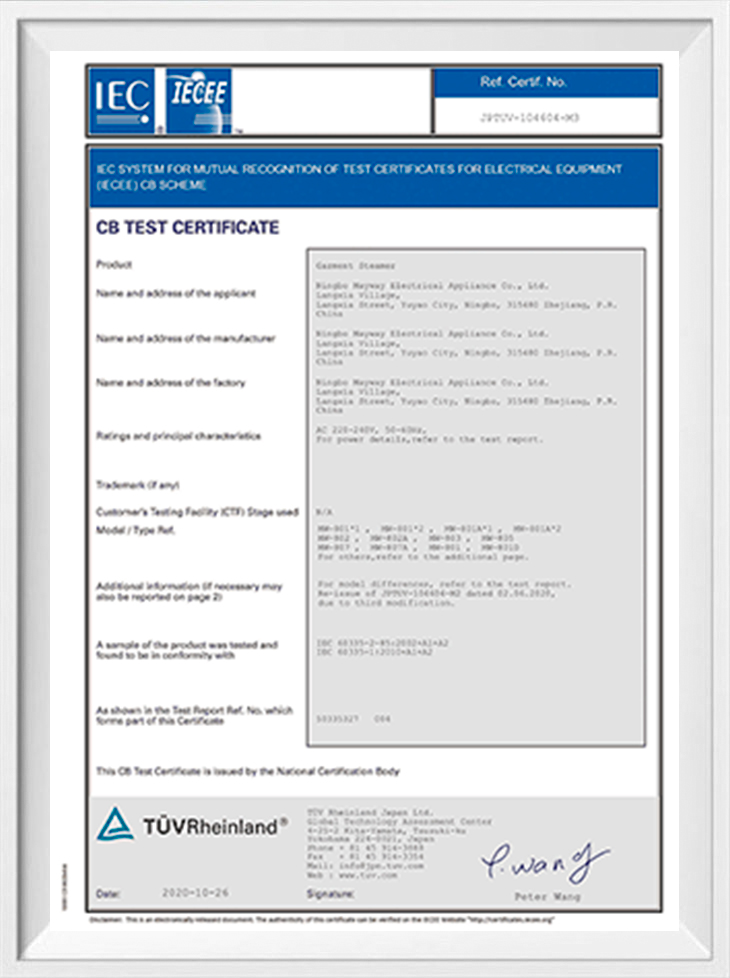
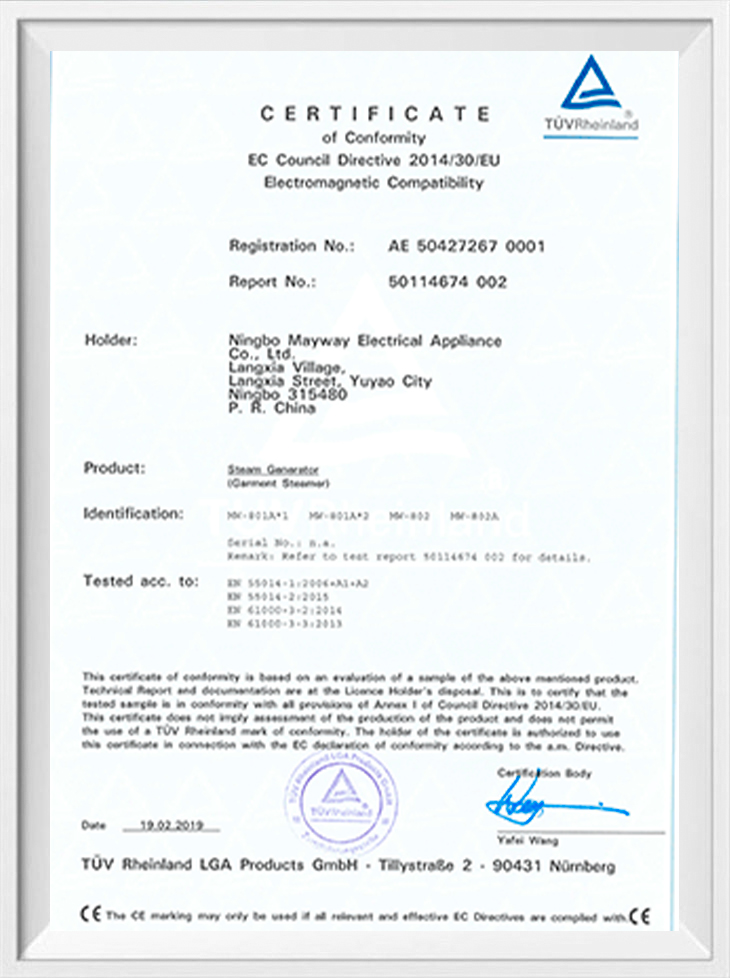
- Certifications: For export markets, compliance with CE (Europe), GS (Germany), CB (international), ROHS (hazardous materials), ERP (energy efficiency), and PAHs (chemical safety) standards is mandatory and indicates verified product safety.
Certifications and Quality Standards in the Hanging Ironing Machine Industry
For buyers and importers, product certifications serve as a critical benchmark of quality, safety, and regulatory compliance. A reputable hanging ironing machine manufacturer should hold the following:
- ISO 9001: Internationally recognized quality management system certification, confirming that the manufacturer operates under consistently controlled production and quality assurance processes.
- BSCI (Business Social Compliance Initiative): Validates that the factory meets social compliance standards including labor rights, workplace safety, and ethical manufacturing practices.
- CE Marking: Required for all electrical appliances sold in the European Economic Area, confirming conformity with EU health, safety, and environmental protection standards.
- GS (Geprüfte Sicherheit): A voluntary German safety mark that exceeds basic CE requirements, highly valued by German and Austrian distributors.
- ROHS Compliance: Restricts the use of specific hazardous substances (lead, mercury, cadmium, etc.) in electrical and electronic equipment—mandatory for EU markets.
- ERP Directive: European energy-related products regulation, addressing eco-design requirements and energy efficiency labeling.
- PAHs Testing: Confirms that plastic and rubber components of the appliance do not release polycyclic aromatic hydrocarbons—a requirement for consumer product safety in Germany and increasingly across Europe.
Manufacturers with a comprehensive portfolio of these certifications—such as those operating under the ISO 9001 quality assurance framework with CE/GS/CB/ROHS/ERP/PAHs approvals—demonstrate a commitment to both product integrity and market access across multiple global regions including Europe, the Middle East, Russia, Asia, and South America.
About the Manufacturer: Quality You Can Verify
Behind every reliable beautural steamer for clothes is a manufacturing standard worth understanding. Ningbo Mayway Electrical Appliance Co., Ltd. is located in the industrial zone of north Yuyao, Zhejiang, China — on the south bank of Hangzhou Bay, approximately 60 km from Ningbo port, with direct access to international shipping lanes via the Hangzhou Bay transoceanic bridge.
As a professional manufacturer and exporter, the company is engaged in designing, developing, producing, selling, and providing related services across its product range. The factory covers 4,000 square meters and is equipped with advanced production equipment and strong technical capability to meet customer requirements across both quality and volume.
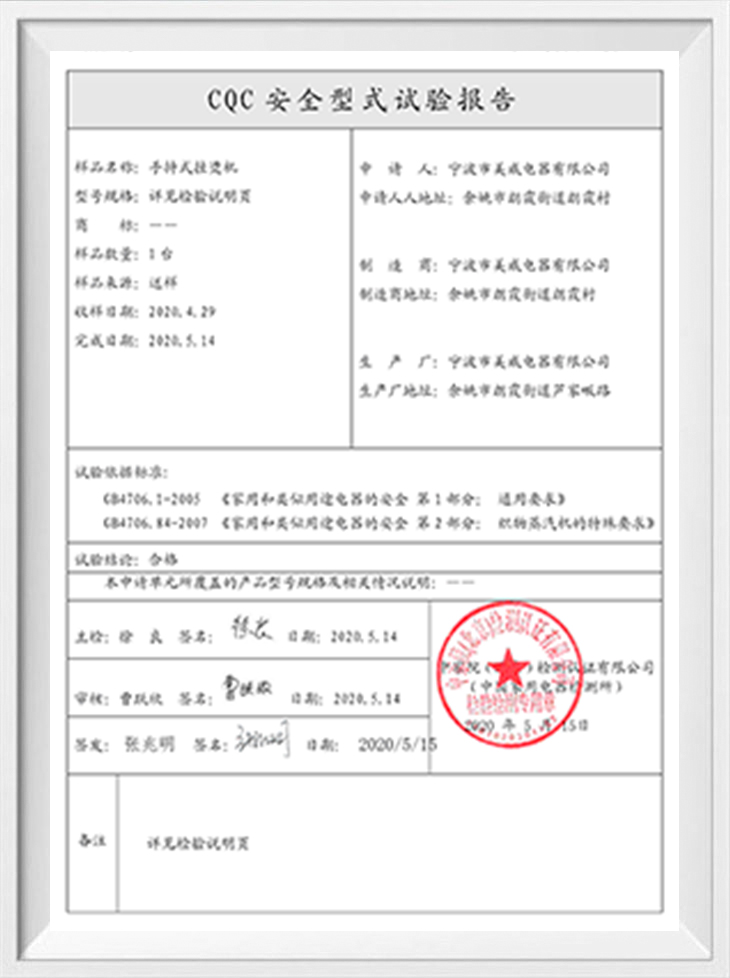
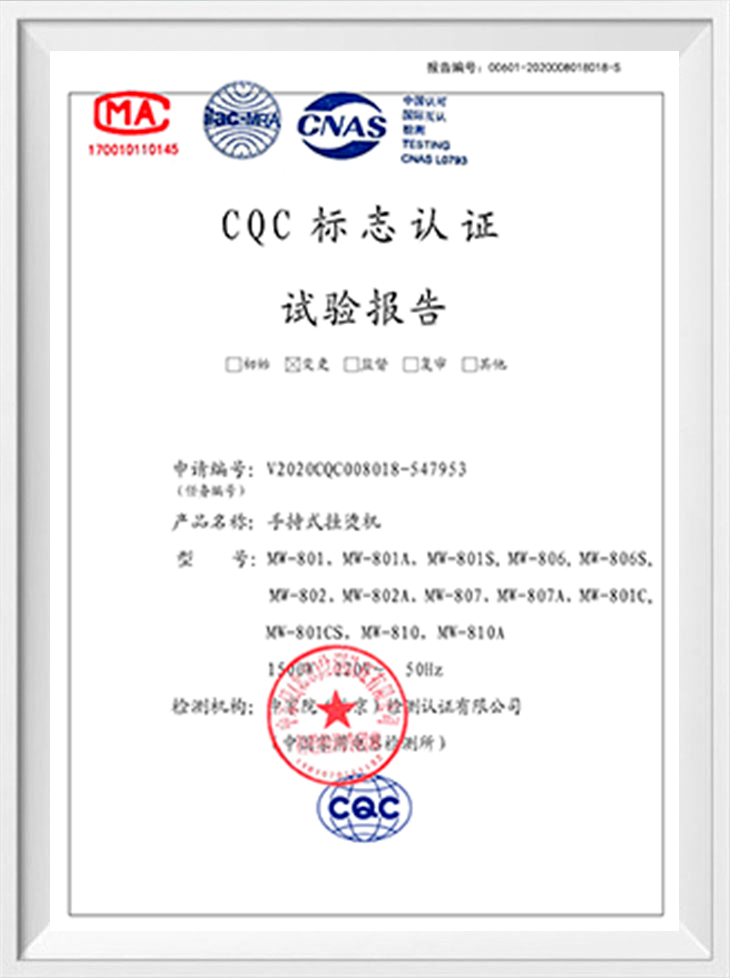
The product lineup — including electric irons, handheld garment steamers, and steam brushes — is manufactured under the ISO 9001 international quality assurance standard and holds BSCI certification. All products carry CE, GS, CB, ROHS, ERP, and PAHs approvals, meeting the safety and environmental compliance requirements of European and international markets.
These products are exported worldwide — to Europe, the Middle East, Russia, Asia, South America, and beyond. As a highly competitive and professional manufacturer, the company is committed to building stable, long-term business relationships with customers who value consistent quality and reliable supply.
For buyers sourcing a steamer for home use or evaluating private-label garment care products, this manufacturing background — backed by verifiable certifications and an established global export track record — provides the confidence that product specifications will match real-world performance.
How to Use a Hanging Ironing Machine Correctly
Proper technique ensures optimal results and extends the lifespan of both the machine and the garments being treated.
- Fill the Water Tank with clean, preferably distilled or filtered water. Hard tap water accelerates limescale buildup inside the boiler and can reduce steam output over time.
- Allow Full Heat-Up Time before beginning (typically 30–90 seconds). Most machines signal readiness via an indicator light.
- Hang the Garment on the integrated pole or a sturdy external hanger at a comfortable working height.
- Hold the Steam Head 1–2cm from the fabric surface and move in smooth downward strokes. Avoid pressing the nozzle directly onto the fabric unless using a fabric brush head designed for contact.
- Use the Other Hand to Gently Tension the Fabric from below as you steam from above—this stretches fibers slightly and dramatically improves the final smoothness of the result.
- Allow Garments to Cool and Dry for 2–3 minutes after steaming before wearing or storing, as fabric fibers are temporarily vulnerable while warm and damp.
Maintenance Tips to Extend Machine Lifespan
A well-maintained hanging ironing machine can provide reliable service for 5 years or more. The following maintenance habits are strongly recommended:
- Descale Regularly: Every 4–8 weeks (depending on water hardness and frequency of use), run a descaling solution through the boiler to dissolve mineral deposits. Most manufacturers recommend a mix of white vinegar and water or a dedicated appliance descaler.
- Empty the Water Tank After Each Use: Standing water promotes bacterial growth and accelerates internal corrosion. Always drain and leave the reservoir cap open to air-dry.
- Clean the Steam Nozzle: Mineral deposits and fabric lint can clog steam vents. Wipe the nozzle head with a damp cloth after cooling, and use a fine pin to clear blocked holes as needed.
- Store the Hose Correctly: Avoid tight coiling or kinking the steam hose, as this weakens the inner lining and can restrict steam flow over time.
- Inspect the Power Cord Periodically: Check for signs of fraying or heat damage near the connection points, which are the most common stress areas in electrical appliances.
Frequently Asked Questions About Hanging Ironing Machines
Can a hanging ironing machine replace a traditional iron entirely?
For most everyday garments—shirts, dresses, trousers, knitwear, and outerwear—a hanging ironing machine handles wrinkle removal effectively. However, for garments requiring sharp, defined creases (such as formal dress shirts with stiff collars or military-style trouser creases), a flat iron and ironing board may still deliver superior precision results. Many users choose to own both for complementary purposes.
Is tap water safe to use in a hanging ironing machine?
Most modern hanging ironing machines are designed to accept tap water. However, in areas with high mineral content (hard water above 200 ppm TDS), using distilled or filtered water significantly reduces limescale accumulation, which is the primary cause of reduced steam output and internal component failure over time.
Why does my hanging ironing machine spit water instead of steam?
Water spitting typically occurs when the machine has not fully reached operating temperature, when the water tank is overfilled beyond the maximum fill line, or when the unit is tilted at an angle that allows water to flow directly into the steam channel. Always wait for the ready indicator, fill to the recommended level, and keep the unit upright during operation.
What fabrics should NOT be steamed with a hanging ironing machine?
While hanging ironing machines are safe for the vast majority of fabrics, certain materials require caution or should be avoided entirely: waxed cotton (steam can remove the wax coating), suede and leather (steam can cause permanent water staining and texture changes), and fabrics with "do not wet clean" care labels. Always check the garment care label before steaming.
How do I choose between a handheld steamer and a floor-standing hanging ironing machine?
The choice comes down to volume and frequency of use. If you need to de-wrinkle 1–3 garments occasionally or primarily for travel, a handheld garment steamer is sufficient and more portable. For daily use, family households, or any professional garment care application, a floor-standing hanging ironing machine provides the steam capacity, continuous output, and ergonomics needed for sustained efficient performance.


 русский
 Français
 한국어
한국어 عربى
عربى Español
 中文简体
中文简体 Product Category