русский
 Français
 한국어
한국어 عربى
عربى Español
 中文简体
中文简体What is a steam iron?
Admin 2026-05-08Content
- 1 What is a steam iron?
- 2 Are steam irons better than regular irons?
- 3 How do I choose a good steam iron?
- 3.1 Wattage: The Foundation of Performance
- 3.2 Steam Output: The Number That Matters Most
- 3.3 Soleplate Material: What It Means for Your Clothes
- 3.4 Water Tank Capacity and Refill Convenience
- 3.5 Weight and Ergonomics: Comfort During Extended Use
- 3.6 Temperature Control and Fabric Settings
- 3.7 Safety Features Worth Having
- 3.8 Limescale Management: Protecting Your Investment
- 3.9 Should You Consider a Steam Generator Iron?
- 3.10 A Quick Checklist Before You Buy
- 4 Can I use a steam iron to iron rayon?
- 4.1 Why Rayon Requires Special Care When Ironing
- 4.2 Step-by-Step Guide: How to Iron Rayon Safely
- 4.3 Recommended Iron Temperature for Rayon vs. Other Fabrics
- 4.4 Can You Use a Steamer Instead of an Iron on Rayon?
- 4.5 Common Mistakes to Avoid When Ironing Rayon
- 4.6 Ironing Rayon Blends: What You Need to Know
- 4.7 How to Store Rayon After Ironing to Prevent Re-Wrinkling
- 5 Do steam irons really remove wrinkles from clothes?
- 5.1 The Science Behind Why Steam Removes Wrinkles
- 5.2 How Well Does a Steam Iron Work on Different Fabrics?
- 5.3 Steam Iron vs. Dry Iron: Which Removes Wrinkles Better?
- 5.4 What Affects How Well a Steam Iron Removes Wrinkles?
- 5.5 Vertical Steaming: Removing Wrinkles Without an Ironing Board
- 5.6 Tips to Get the Best Wrinkle-Removal Results from Your Steam Iron
- 5.7 Steam Iron vs. Garment Steamer: Which Is Right for You?
What is a steam iron?
A steam iron is a household appliance used to remove wrinkles and creases from fabric by combining heat and steam. Unlike a traditional dry iron that relies solely on heat, a steam iron releases pressurized water vapor through small vents on its soleplate, penetrating fabric fibers and relaxing them far more effectively. The result is smoother, crisper clothing with significantly less effort and time.
Steam irons are the most widely used ironing tool in households worldwide, valued for their ability to handle a wide range of fabrics — from delicate silk to heavy denim — with precision and ease.
How a Steam Iron Works
The core mechanism of a steam iron involves a built-in water reservoir, a heating element, and a soleplate with steam vents. Here is the step-by-step process:
- Water is poured into the iron's reservoir (typically between 200ml and 400ml in capacity).
- The heating element brings the water to a boil, generating steam.
- Steam travels through internal channels and exits via the soleplate vents.
- The combination of moist heat relaxes fabric fibers, making them easier to smooth out.
- The soleplate glides over the fabric, pressing it flat as the steam works through it.
Many modern steam irons also include a vertical steaming function, allowing users to steam hanging garments, curtains, and upholstery without placing items on an ironing board.
Key Components of a Steam Iron
Understanding the parts of a steam iron helps users make better purchasing decisions and use the appliance more effectively.
The Soleplate
The soleplate is the flat, heated bottom surface of the iron that makes direct contact with fabric. It contains the steam vents and is responsible for the gliding performance. Common soleplate materials include:
- Stainless steel – durable, heats evenly, resists scratching
- Ceramic – non-stick, gentle on delicate fabrics, easy to clean
- Titanium-coated – scratch-resistant, smooth glide, long-lasting
- Aluminum – lightweight, heats up quickly but less durable
The Water Tank
The water tank stores the water that is converted into steam. Larger tanks (300ml–400ml) allow longer ironing sessions without refilling, while smaller tanks keep the iron lighter and more maneuverable.
The Steam Control System
This system controls how much steam is released. Most steam irons offer an adjustable steam output dial and a dedicated steam burst button for tackling stubborn creases. Some high-end models feature automatic steam regulation based on the selected fabric temperature.
The Thermostat and Temperature Dial
The thermostat regulates the soleplate temperature to match different fabric types. Most irons have settings labeled by fabric category — synthetic, wool, cotton, linen — with corresponding temperature ranges, typically between 110°C and 230°C.
Types of Steam Irons Available
Not all steam irons are the same. There are several distinct types, each suited to different needs and lifestyles.
| Type | Steam Output | Best For | Typical Price Range |
|---|---|---|---|
| Standard Steam Iron | 20–40 g/min | Everyday household use | $20–$80 |
| Steam Generator Iron | 80–120 g/min | Large loads, heavy fabrics | $100–$400 |
| Travel Steam Iron | 10–20 g/min | Travelers, compact spaces | $15–$60 |
| Cordless Steam Iron | 20–35 g/min | Convenience-focused users | $40–$120 |
| Garment Steamer | 25–50 g/min | Delicate fabrics, quick refresh | $25–$150 |
Steam Generator Irons
Steam generator irons feature a separate, larger water tank and a powerful boiler unit. They produce significantly more steam than standard models — up to 120 g/min — making them ideal for ironing large batches of laundry or thick fabrics like denim and linen. A steam generator iron can cut ironing time by up to 50% compared to a standard steam iron.
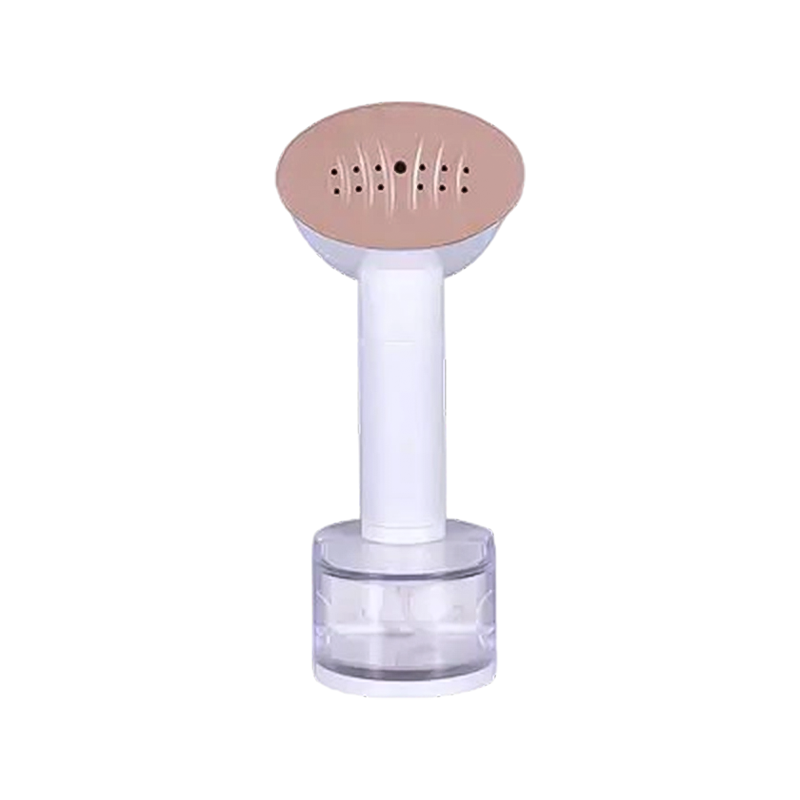
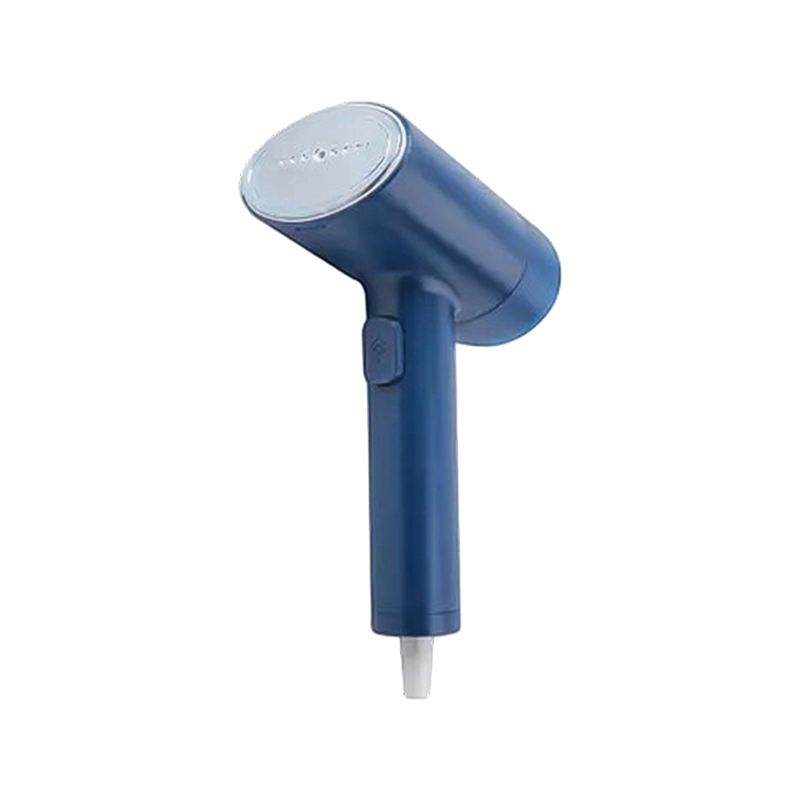
Garment Steamers
While not technically irons, garment steamers use steam without direct fabric pressure. They are excellent for refreshing clothes quickly and are especially popular for delicate items that cannot withstand direct soleplate contact, such as silk blouses or embroidered garments.
What Fabrics Can a Steam Iron Handle?
One of the greatest strengths of a steam iron is its versatility across fabric types. Using the correct temperature setting is essential to avoid damage.
- Synthetics (polyester, nylon): Low heat, minimal steam — typically around 110°C to 130°C
- Silk and delicate fabrics: Low heat with steam, or use a pressing cloth — around 140°C to 150°C
- Wool: Medium heat with gentle steam — around 150°C to 160°C
- Cotton: High heat and full steam — around 200°C to 210°C
- Linen: Highest heat and maximum steam — up to 230°C
Always check the care label on your garment before ironing. Using too high a temperature on synthetic fabrics can melt the fibers, causing irreversible damage.
Common Features Found on Modern Steam Irons
Today's steam irons come equipped with a variety of features designed to improve performance, safety, and convenience.
- Steam burst / shot of steam: Releases a powerful burst of extra steam to tackle tough creases
- Vertical steaming: Allows steam to be directed at hanging garments, curtains, or cushions
- Anti-drip system: Prevents water drops from leaking onto fabric at low temperatures
- Anti-scale system: Reduces limescale buildup to extend the iron's lifespan
- Self-cleaning function: Flushes out mineral deposits and impurities from the steam chamber
- Auto shut-off: Automatically turns off the iron after a period of inactivity (usually 8–30 minutes) for safety
- Precision tip: A pointed front allows the iron to navigate around buttons and collars easily
How Much Power Does a Steam Iron Use?
Steam irons are rated by wattage, which affects both heating speed and steam output. Most standard steam irons range from 1,400 watts to 2,400 watts. Higher wattage means faster heat-up times and more powerful steam — a 2,000W iron typically reaches full operating temperature in under 30 seconds.
Despite their power rating, steam irons are not continuously drawing maximum power during use. The thermostat cycles the heating element on and off, so actual energy consumption during a 30-minute ironing session is typically equivalent to 0.5–0.8 kWh depending on the model and fabric setting used.
Tips for Using a Steam Iron Safely and Effectively
Getting the most out of your steam iron requires a few simple best practices.
- Use distilled or demineralized water to prevent limescale deposits that can clog steam vents over time
- Always start with lower-temperature fabrics and work up to higher-temperature ones in a single ironing session
- Allow the iron to fully heat up before use — this typically takes 1–2 minutes
- Empty the water tank after each use to prevent mineral buildup inside the iron
- Iron garments while slightly damp — steam penetrates fabric more effectively when fibers contain a small amount of moisture
- Store the iron upright or flat as recommended by the manufacturer, never on its soleplate while hot
- Run the self-cleaning cycle every 1–2 months to maintain steam performance
Are steam irons better than regular irons?
For the vast majority of everyday ironing tasks, a steam iron outperforms a regular dry iron in speed, effectiveness, and fabric versatility. Steam relaxes fabric fibers from within, reducing the physical effort required and delivering smoother results — especially on stubborn creases in cotton and linen. However, a dry iron still has a legitimate role in specific niche applications where moisture would cause damage.
Understanding exactly where each type excels will help you make the right choice for your household and ironing habits.
How Steam Irons and Dry Irons Differ
At their core, both types of iron use a heated soleplate to press wrinkles out of fabric. The critical difference is the addition of steam in one and its absence in the other.
- Dry iron: Relies entirely on heat and pressure. Simple, lightweight, no water tank, no risk of leaking. Best for fabrics sensitive to moisture.
- Steam iron: Uses a combination of heat, pressure, and water vapor. More complex, slightly heavier, but dramatically more effective on most fabrics, especially thicker ones.
Most steam irons can also be used as dry irons by simply turning off the steam function, making them a more flexible option from the start.
Where Steam Irons Have a Clear Advantage
Faster and Easier Wrinkle Removal
Steam penetrates fabric fibers and relaxes them from the inside out. This means stubborn creases that would require multiple firm passes with a dry iron can be removed in a single light stroke with steam. For cotton dress shirts, linen trousers, or bed sheets, the time savings can be significant — estimates suggest steam ironing can be 30–50% faster than dry ironing for the same results.
Better Results on Thick and Natural Fabrics
Dense fabrics like denim, wool, linen, and cotton respond best to moisture and heat combined. A dry iron struggles to penetrate the thickness of these materials effectively. Steam, particularly from a high-output model producing 40+ g/min, can smooth even heavily wrinkled linen shirts quickly and without excessive pressing force.
Vertical Steaming for Hanging Garments
Most steam irons offer a vertical steam function that allows users to steam suits, dresses, curtains, and upholstery while they hang. This is a capability a dry iron simply cannot replicate, and it makes steam irons far more versatile beyond traditional flat-surface ironing.
Reduced Physical Effort
Because steam relaxes fibers before the soleplate presses them, users do not need to apply as much downward pressure. This is especially beneficial for people who iron large volumes of laundry regularly or those who experience wrist or arm fatigue from extended ironing sessions.
Sanitizing Benefits
The high-temperature steam produced by a steam iron can kill dust mites, bacteria, and other microorganisms on fabric. At temperatures above 100°C, steam effectively sanitizes textiles — a benefit that dry heat alone is less consistent at delivering due to uneven heat distribution across the fabric surface.
Where Dry Irons Still Have the Upper Hand
Moisture-Sensitive Applications
Certain tasks require completely dry heat. Ironing fusible interfacing (a heat-activated adhesive fabric used in sewing) is one prominent example — steam can prevent the adhesive from bonding correctly, leading to bubbling or weak adhesion. Similarly, some embroidery or heat-transfer work requires dry heat to set properly.
Lightweight and Simplicity
Dry irons have no water tank, making them noticeably lighter — often 200g to 400g less than comparable steam irons. For users who iron only occasionally and prefer a simpler appliance, a dry iron is easier to store, carry, and maintain.
No Limescale or Maintenance Concerns
Since dry irons have no water system, there is no risk of limescale deposits clogging steam vents, no need to use distilled water, and no self-cleaning cycle required. Maintenance is essentially limited to keeping the soleplate clean — a significant convenience advantage for low-maintenance users.
No Risk of Water Drips or Stains
Steam irons can occasionally drip water — especially when not fully heated or when the anti-drip feature fails over time. On silk, viscose, or other water-sensitive fabrics, even a small drip can leave a visible water stain. A dry iron eliminates this risk entirely.
Side-by-Side Comparison
| Feature | Steam Iron | Dry Iron |
|---|---|---|
| Wrinkle removal effectiveness | Excellent | Good |
| Speed | Faster (30–50%) | Slower |
| Fabric versatility | Very high | Moderate |
| Weight | Heavier | Lighter |
| Maintenance required | Regular (descaling) | Minimal |
| Risk of water drips | Possible | None |
| Vertical steaming | Yes (most models) | No |
| Price range | $20–$400+ | $10–$60 |
| Sewing / crafting use | Limited (for fusibles) | Preferred |
What Real-World Use Reveals About Steam vs. Dry Ironing
Consumer testing and household use consistently confirm that steam irons handle the most common ironing scenarios — dress shirts, trousers, bed linen, cotton tops — significantly better than dry irons. In independent appliance tests, steam irons routinely score 20–30% higher on wrinkle removal efficiency compared to dry models at equivalent temperature settings.
For families who do laundry several times per week, the time saved by using a steam iron adds up substantially. A household ironing for 3 hours per week could realistically save 45–90 minutes weekly by switching from a dry iron to a quality steam model.
Who Should Choose Each Type
Choose a Steam Iron If You:
- Iron multiple garments per week — shirts, trousers, linens, towels
- Want the fastest, most effective results with minimal effort
- Need to iron hanging garments, curtains, or upholstery
- Work frequently with cotton, linen, denim, or wool
- Want a single appliance that handles virtually any fabric type
Choose a Dry Iron If You:
- Iron only occasionally and have minimal fabric variety
- Do sewing, quilting, or crafting that requires dry heat for adhesives
- Prefer a simpler, lighter, lower-maintenance appliance
- Frequently iron moisture-sensitive or water-marking fabrics
- Are on a very tight budget and need the lowest-cost option
The Verdict
A steam iron is the better all-around choice for most households. It handles a broader range of fabrics, removes wrinkles faster and with less effort, and offers additional features like vertical steaming that a dry iron simply cannot match. The trade-offs — slightly more weight, the need for occasional descaling, and a marginally higher price — are minor compared to the practical benefits gained in daily use.
A dry iron remains the correct tool for specific tasks such as pressing fusible interfacing, seam work in sewing, or any application where moisture contact would be damaging. For those specialized needs, having a basic dry iron as a secondary tool alongside a steam iron is worth considering.
How do I choose a good steam iron?
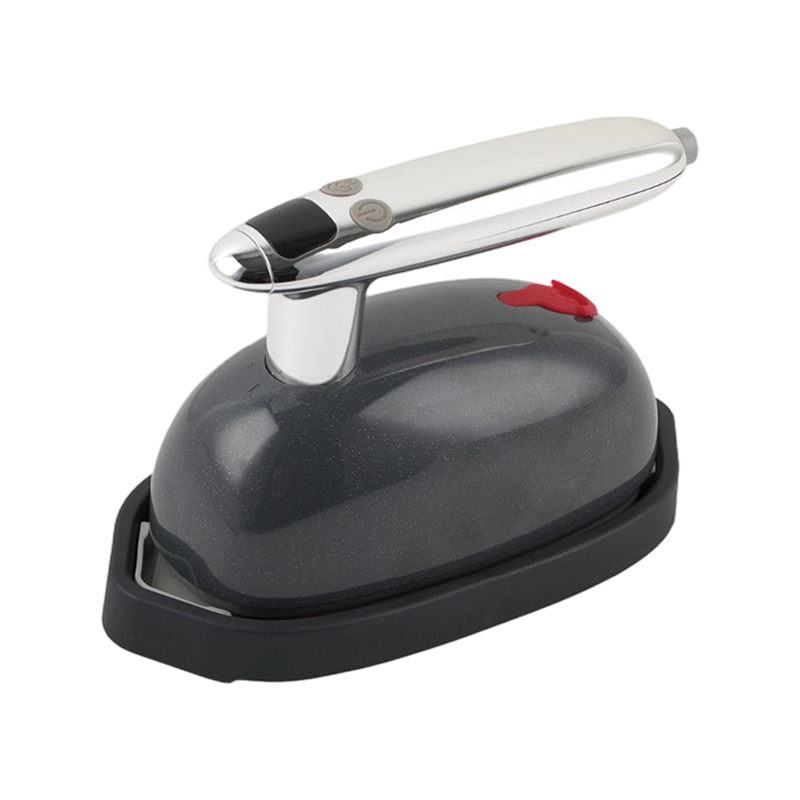
The most important factors when choosing a steam iron are wattage, steam output, soleplate material, and water tank capacity. These four specifications directly determine how well and how quickly the iron performs on your clothes. Secondary considerations like weight, safety features, and cord design then refine the decision based on your personal preferences and ironing habits.
The right steam iron for a person who irons five dress shirts per week is very different from the right one for a household managing large batches of mixed laundry. This guide will walk you through every factor in practical terms so you can match the iron to your actual needs.
Wattage: The Foundation of Performance
Wattage is the single most reliable indicator of an iron's capability. For a good everyday steam iron, look for a minimum of 2,000 watts. Models rated at 1,400–1,800 watts can work, but they typically heat up more slowly, produce less steam, and require more pressing effort on thick fabrics.
- 1,400–1,800W: Entry-level, suitable for light ironing — synthetic blouses, lightweight tops, occasional use
- 2,000–2,200W: The sweet spot for most households — fast heat-up, good steam output, effective on cotton and linen
- 2,400W+: High-performance models — ideal for large volumes of heavy fabrics, professional-style results
A 2,000W iron will typically reach full operating temperature in under 30 seconds, while a 1,600W model may take 45–60 seconds. Over the course of a weekly ironing session, that adds up.
Steam Output: The Number That Matters Most
Steam output is measured in grams per minute (g/min) and tells you how much steam the iron continuously produces. This is arguably the most critical performance metric for a steam iron.
| Steam Output | Performance Level | Best Suited For |
|---|---|---|
| Under 25 g/min | Basic | Light fabrics, occasional use |
| 25–40 g/min | Good | Everyday household ironing |
| 40–60 g/min | Very Good | Cotton, linen, regular large loads |
| 60+ g/min | Excellent | Heavy fabrics, high-volume ironing |
In addition to continuous steam output, pay attention to the steam burst (or shot of steam) value, usually measured separately. A powerful steam burst of 120–180 g/min can quickly tackle deeply set creases in shirt collars, trouser pleats, and cuffs without repeated passes.
Soleplate Material: What It Means for Your Clothes
The soleplate is what touches your garments, so its material directly affects glide quality, durability, and fabric safety. Each material has distinct trade-offs.
Stainless Steel
Stainless steel is the most common soleplate material. It is durable, heats evenly, and is easy to clean. It is the recommended choice for most households and performs well across all standard fabrics. The trade-off is that it is not completely non-stick — some starchy residue can accumulate over time.
Ceramic
Ceramic soleplates offer excellent non-stick performance and a very smooth glide. They are particularly gentle on delicate fabrics. However, ceramic coatings can chip or scratch if the iron is dropped or if metal buttons catch on the surface. Once the coating is damaged, the iron's performance and fabric safety can be compromised.
Titanium or Diamond-Coated
Titanium-coated and diamond-infused soleplates combine the hardness and scratch resistance of titanium or diamond particles with a non-stick surface. These are found on higher-end models and offer the best combination of durability and smooth glide. If budget allows, a titanium-coated soleplate is a worthwhile long-term investment.
Aluminum
Aluminum soleplates heat up quickly and are lightweight, but they are more prone to scratching and less durable than the alternatives. They are typically found on basic entry-level or travel models where weight reduction is prioritized over longevity.
Water Tank Capacity and Refill Convenience
The water tank determines how long you can iron before needing to stop and refill. A tank of 300ml or larger is recommended for most households, providing roughly 30–45 minutes of continuous ironing at moderate steam settings before a refill is needed.
- Under 200ml: Compact, lightweight, but requires frequent refilling — suited for travel or occasional use
- 200–300ml: Adequate for small sessions — a few shirts or blouses without interruption
- 300ml+: Suitable for extended ironing sessions — families, large loads of laundry
Also check whether the water fill opening is wide enough to fill easily from a standard cup or jug. Narrow openings can be frustrating in practice. Some models feature a removable water tank, which simplifies filling at the sink without carrying the entire iron.
Weight and Ergonomics: Comfort During Extended Use
An iron's weight affects both fatigue during use and pressing effectiveness. Most quality steam irons weigh between 1.1kg and 1.8kg. Heavier irons apply more passive pressure on fabric, reducing the need to press down manually — which is an advantage for thick fabrics. Lighter irons are easier to maneuver for extended periods and are better for delicate fabrics that require a lighter touch.
Look for an ergonomic handle with a comfortable grip. Handles that angle naturally with the wrist reduce strain during long sessions. Rubberized or textured grip surfaces prevent the iron from slipping when hands become warm or slightly damp.
Also evaluate the cord length and its attachment point. A cord of at least 2 meters provides enough reach to move freely around an ironing board without constantly repositioning near a power outlet. A swivel cord is particularly useful as it reduces tangling when ironing in different directions.
Temperature Control and Fabric Settings
Good temperature control is essential for protecting your clothes. Look for an iron with clearly labeled temperature settings that correspond to fabric types. The ideal control system should allow smooth incremental adjustments rather than just a few fixed positions.
- Dial with fabric icons: The most common and user-friendly format — labels like "silk," "wool," "cotton," and "linen" remove guesswork
- Numeric dial: Offers more precise control, preferred by experienced users who know their fabric temperatures
- Electronic LCD display: Found on premium models — offers precise digital temperature readout and may include automatic fabric sensing
A useful feature to look for is a ready indicator light that tells you when the iron has reached the selected temperature. Starting to iron before the correct temperature is reached can leave marks on fabric, particularly on synthetic materials.
Safety Features Worth Having
Safety features are especially important if there are children in the household, or if you tend to forget to switch off appliances.
- Auto shut-off: The iron automatically powers down after a set period of inactivity — typically 8 minutes when horizontal and 30 minutes when upright. This is an essential fire-safety feature and should be present on any iron you consider.
- Anti-drip system: Prevents water from leaking through the soleplate at low temperatures, protecting delicate fabrics from water spots.
- Locking steam trigger: A lockable steam button prevents accidental steam release, reducing the risk of burns.
- Heat-resistant heel rest: A stable, heat-resistant rest plate keeps the iron safely upright during pauses, protecting both your ironing board cover and nearby surfaces.
Limescale Management: Protecting Your Investment
Limescale accumulation inside the steam system is one of the most common causes of steam iron failure. Over time, mineral deposits from tap water block the steam vents, reduce output, and eventually damage the heating element. Always look for an iron with an effective anti-scale system.
Common solutions include removable anti-calc cartridges that collect mineral deposits before they enter the steam system, self-cleaning cycles that flush impurities from the chamber, and scale collector compartments that can be rinsed periodically.
If your local tap water is hard (high mineral content), use distilled or filtered water in your iron regardless of what anti-scale system it has. Hard water can deposit enough minerals in 3–6 months to significantly reduce steam performance even with protective systems in place.
Should You Consider a Steam Generator Iron?
If you iron large volumes of laundry regularly — more than 5–7 items per session — or frequently work with thick, heavily wrinkled fabrics like denim, linen, or cotton bed sheets, a steam generator iron may be worth the higher investment.
Steam generators feature a separate, large-capacity boiler (typically 1.5–2 liters) and produce steam at a pressure of 3–8 bar — far more powerful than a standard iron. Their steam output typically ranges from 80 to 120 g/min, compared to 30–50 g/min for standard steam irons. This translates to dramatically faster ironing with far less physical pressure required.
The trade-off is size, weight (the combined unit can weigh 2–4kg), and cost ($100–$400+). For a single person ironing a few items weekly, a standard steam iron is the more practical and economical choice.
A Quick Checklist Before You Buy
Use these questions to narrow your choice to the right model for your needs:
- Does it produce at least 2,000 watts of power?
- Is the continuous steam output at least 30 g/min?
- Does it have a quality soleplate — stainless steel, ceramic, or titanium-coated?
- Is the water tank at least 300ml for uninterrupted sessions?
- Does it include auto shut-off and an anti-drip system?
- Is there an anti-scale system to extend the iron's useful life?
- Is the cord long enough (at least 2 meters) and ideally a swivel type?
- Does the handle feel comfortable and the overall weight suit your preference?
If a model checks off all eight of these criteria within your budget range, it is a strong candidate. Prioritize wattage and steam output above all else — these two specifications have the most direct impact on daily performance.
Can I use a steam iron to iron rayon?
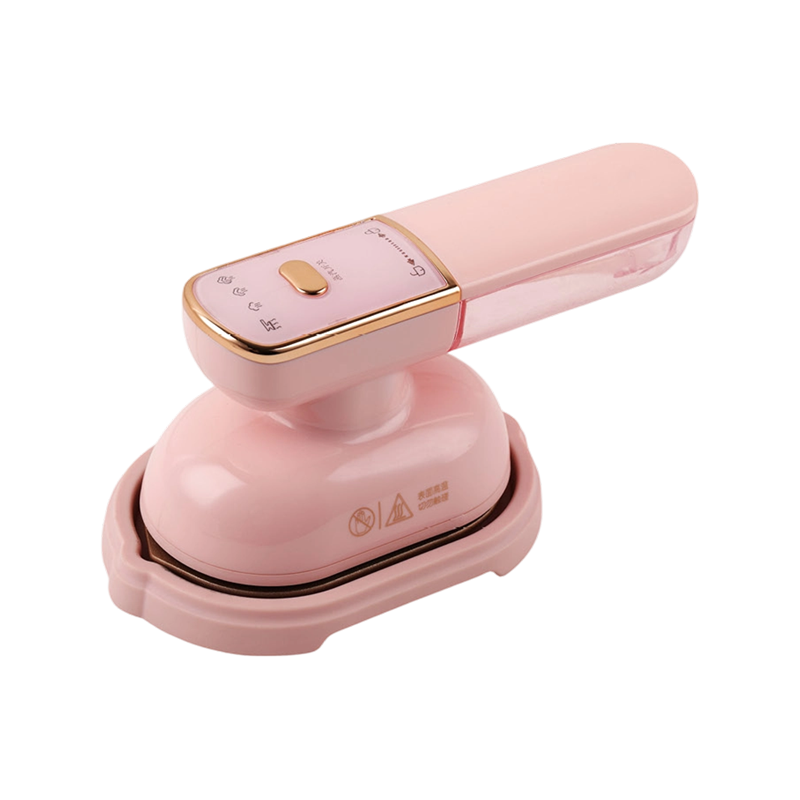
Rayon is one of the most wrinkle-prone fabrics in your wardrobe, and the good news is that a steam iron can absolutely be used on it. However, rayon is also one of the most heat-sensitive fabrics available, meaning the wrong approach can cause permanent damage — including scorching, shiny patches, or even shrinkage. The key rule: always use a low heat setting (typically 110°C / 230°F or lower) and never apply the iron directly to the fabric surface. Follow the steps below and your rayon garments will come out smooth and damage-free every time.
Rayon (also called viscose) is a semi-synthetic fiber made from cellulose. It's prized for its silk-like drape and lightweight feel, but those same properties make it particularly vulnerable to high heat and moisture. Understanding how to handle this fabric correctly is essential before you pick up any iron.
Why Rayon Requires Special Care When Ironing
Rayon fibers are significantly weaker when wet compared to most other fabrics. In fact, rayon can lose up to 50% of its tensile strength when saturated with moisture. This means that combining steam and direct pressure from an iron — especially on the outside of the garment — puts the fabric at serious risk of stretching, distorting, or developing a permanent shine.
The fabric's delicate structure also means it reacts poorly to high temperatures. Synthetic irons set above the recommended range can cause:
- Scorch marks or browning of the fibers
- A permanent glossy or shiny patch where the iron touched
- Irreversible shrinkage, particularly along seams
- Fabric distortion or stretching, especially in bias-cut pieces
Always check the care label on your garment first. Most rayon items will indicate a low-temperature iron setting, and some may specify "dry iron only," meaning you should turn the steam function off entirely.
Step-by-Step Guide: How to Iron Rayon Safely
Following a careful, methodical process is the best way to protect your rayon garments while still achieving wrinkle-free results.
- Check the care label. Look for ironing symbols and temperature guidelines. A single dot (•) on the iron symbol means low heat only.
- Turn the garment inside out. Always iron rayon from the wrong side to prevent sheen and protect the visible surface of the fabric.
- Set your iron to the lowest heat setting. This is typically labeled "rayon," "delicate," or "silk" on most irons — generally around 110°C (230°F).
- Use a pressing cloth. Place a thin cotton cloth or a piece of muslin between the iron and the garment. This adds an extra layer of protection from direct heat contact.
- Use steam sparingly. If the care label permits steam, use only light steam bursts rather than continuous steam. Never soak the fabric.
- Iron while slightly damp. Rayon responds best when it contains a small amount of moisture. If your garment is completely dry, lightly mist it with water from a spray bottle before ironing.
- Use gentle, gliding strokes. Do not press down hard or leave the iron stationary on the fabric. Keep the iron moving at all times.
- Hang the garment immediately. Once finished, hang the garment to cool and set its shape before wearing or folding.
Recommended Iron Temperature for Rayon vs. Other Fabrics
Understanding how rayon compares to other common fabrics on the heat spectrum can help you make better decisions when ironing mixed-fiber garments or switching between fabrics in your routine.
| Fabric | Recommended Temp (°C) | Steam Recommended? | Iron on Wrong Side? |
|---|---|---|---|
| Rayon / Viscose | 110°C (230°F) | Light steam only | Yes, always |
| Silk | 110°C (230°F) | No | Yes |
| Wool | 148°C (300°F) | Yes | Yes, with pressing cloth |
| Cotton | 204°C (400°F) | Yes | Optional |
| Linen | 230°C (445°F) | Yes | Optional |
| Polyester | 148°C (300°F) | Light steam | Yes |
Always start at the lowest temperature and test on an inconspicuous area — such as an inside hem or seam allowance — before ironing the full garment. This is especially important with blended fabrics containing rayon mixed with polyester or cotton.
Can You Use a Steamer Instead of an Iron on Rayon?
For rayon, a handheld garment steamer is often a safer and more effective alternative to a flat iron. Here's why:
- No direct contact with the fabric surface — steamers hover above the garment, eliminating the risk of shine or scorch marks.
- Steam relaxes the fibers naturally, which works well with rayon's texture and drape.
- Steamers work well on hanging garments, which helps rayon maintain its shape without being stretched on an ironing board.
- They are faster and easier to use for large surface areas like dresses, blouses, and wide-leg pants.
The one limitation: steamers are less precise than irons and may not fully flatten deep creases in structured areas like collars, cuffs, or pleats. For these areas, a low-heat iron with a pressing cloth remains the better tool.
When to Use a Steamer vs. an Iron on Rayon
- Use a steamer for flowing dresses, blouses, skirts, and any loosely structured garment.
- Use a steam iron (on low, with pressing cloth) for structured tops, collars, cuffs, and pleated trousers.
- Use a dry iron with pressing cloth if the care label says "do not steam."
Common Mistakes to Avoid When Ironing Rayon
Even experienced home ironers can damage rayon by overlooking a few critical pitfalls. Here are the most frequent mistakes — and how to avoid them:
- Setting the iron too hot: Many people use the same setting for rayon as they do for cotton, which can scorch the fabric instantly. Always dial down to the lowest setting first.
- Ironing on the right side: Direct iron-to-fabric contact on the visible surface almost always creates a permanent shine on rayon. Turn it inside out every time.
- Leaving the iron stationary: Even at low temperatures, a stationary iron on rayon for more than 2–3 seconds can cause heat damage. Keep the iron moving continuously.
- Over-wetting the fabric: While slight dampness helps, saturating rayon with water or excessive steam weakens the fibers dramatically and can cause stretching or distortion.
- Skipping the pressing cloth: Even when ironing on the inside, a pressing cloth provides an important extra buffer, especially for thinner rayon weaves.
- Ignoring care label symbols: If the care label shows a crossed-out iron, the garment should never be ironed at all — use a steamer on the lowest setting instead.
Ironing Rayon Blends: What You Need to Know
Rayon is frequently blended with other fibers to improve durability and reduce wrinkling. Common blends include rayon-polyester, rayon-spandex, and rayon-cotton. The ironing rules for these blends require careful consideration:
Rayon-Polyester Blends
Polyester melts at relatively low temperatures (around 150–170°C). Since both fibers are heat-sensitive, always use the lowest iron setting — never exceed 130°C for rayon-polyester blends. Use a pressing cloth and minimal steam.
Rayon-Spandex Blends
Spandex (elastane) is extremely sensitive to heat and can permanently lose its stretch if over-ironed. For rayon-spandex garments, a steamer is strongly preferred over a flat iron. If you must iron, use the absolute lowest setting, never let the iron rest in one spot, and always use a pressing cloth.
Rayon-Cotton Blends
Cotton can handle higher heat, but since the blend contains rayon, the iron temperature should still be kept at the rayon-safe level (around 110–130°C). The rayon component remains vulnerable even in a blend.
How to Store Rayon After Ironing to Prevent Re-Wrinkling
Rayon wrinkles easily, so proper post-ironing storage is just as important as the ironing process itself. Follow these tips to keep your rayon garments smooth for longer:
- Hang rayon garments immediately after ironing on padded or wide-shoulder hangers to maintain shape and prevent new creases from forming.
- Allow the garment to cool and air fully before putting it in a wardrobe or drawer — folding warm fabric leads to sharper wrinkles.
- If you must fold rayon (for packing or storage), place tissue paper between folds to minimize crease lines.
- Avoid overcrowding your wardrobe — rayon garments that are compressed between other clothes will wrinkle quickly.
- For travel, roll rayon garments loosely rather than folding them — rolling typically creates fewer wrinkles than flat folding.
Do steam irons really remove wrinkles from clothes?
Steam irons genuinely and effectively remove wrinkles from most types of clothing. The combination of heat and moisture works on a scientific level: steam relaxes the hydrogen bonds within fabric fibers, allowing them to be reshaped into a smooth, flat configuration. When the garment cools, those bonds reset in the new wrinkle-free position. This is not just a surface effect — the steam penetrates the fibers themselves, making it far more effective than dry heat alone.
In practical terms, a quality steam iron can remove even deep, stubborn creases from cotton dress shirts, linen trousers, and heavy denim in a single pass — something that would require multiple passes with a dry iron at the same temperature. Understanding why steam works so well, and how to use it correctly, is what separates consistently great results from frustrating, half-finished ironing sessions.
The Science Behind Why Steam Removes Wrinkles
Wrinkles form when fibers within fabric become bent or kinked and the intermolecular bonds (primarily hydrogen bonds in natural fibers like cotton, linen, and wool) hold those fibers in a distorted shape. To remove a wrinkle, you need to break those bonds temporarily, realign the fibers into a smooth position, and then allow new bonds to form in the correct configuration.
This is exactly what steam does:
- Heat raises the temperature of the fibers above the glass transition temperature of the material, making them pliable and easy to reshape.
- Moisture from steam penetrates between fiber strands, further weakening the bonds holding the wrinkle in place. Water molecules act as a lubricant between fibers, enabling them to slide back into alignment.
- Pressure from the soleplate then physically flattens the softened fibers into a smooth plane.
- Cooling and drying allows new bonds to form between fibers in the smooth, flat configuration — locking in the wrinkle-free result.
Research in textile science confirms that moisture approximately doubles the effectiveness of heat-based wrinkle removal in cellulose-based fabrics (cotton, linen, rayon). This is why steam irons outperform dry irons on most natural fabrics at the same temperature setting.
How Well Does a Steam Iron Work on Different Fabrics?
Steam irons do not perform equally across all fabric types. The effectiveness depends on the fiber composition, weave density, and how deeply the wrinkle is set. Here is a breakdown of how steam ironing performs on common fabrics:
| Fabric | Steam Effectiveness | Notes |
|---|---|---|
| Cotton | Excellent | Responds best to steam; deep creases removed in 1–2 passes |
| Linen | Excellent | Iron while slightly damp for best results; high heat + steam required |
| Wool | Very Good | Use pressing cloth; steam above (not on) the surface works well |
| Rayon / Viscose | Good | Low heat only; light steam; iron on wrong side |
| Silk | Moderate | Avoid direct steam; use a steamer or dry iron with pressing cloth |
| Polyester | Moderate | Low heat + light steam; iron inside out to prevent sheen |
| Denim | Good | High steam output needed; works well on heavy cotton denim |
| Spandex / Lycra | Poor | Heat destroys elasticity; use a cool iron only or skip ironing |
Steam Iron vs. Dry Iron: Which Removes Wrinkles Better?
When comparing steam ironing to dry ironing on identical fabrics and wrinkle conditions, steam irons consistently outperform dry irons for natural fibers. Here is how they differ in real-world usage:
Speed of Wrinkle Removal
Steam ironing typically reduces the number of passes needed to remove a wrinkle by 30–50% compared to dry ironing on cotton and linen. For a standard business shirt, a dry iron may require 3–4 passes over a stubborn crease, while steam typically removes the same crease in 1–2 passes at the same temperature.
Result Quality
Steam ironing produces crisper results on natural fibers because the moisture allows the fibers to completely relax before being pressed flat. Dry ironing can sometimes flatten surface wrinkles without fully resetting the fiber alignment underneath, meaning wrinkles return more quickly after wearing.
When Dry Ironing Is Better
Dry ironing has advantages in specific situations:
- Fabrics that are damaged by moisture, such as certain silk weaves and velvet
- Creating very sharp, precise creases — such as trouser pleats — where steam may over-soften the fabric
- Ironing over fusible interfacing or appliqués that may be loosened by steam
- Garments labeled "dry iron only" on their care labels
What Affects How Well a Steam Iron Removes Wrinkles?
Not all steam irons deliver the same results. Several factors determine how effectively a steam iron will remove wrinkles in practice:
Steam Output (g/min)
Steam output is measured in grams per minute (g/min). Consumer steam irons typically produce between 20–50 g/min of continuous steam, with higher-end models producing steam bursts of 100–200 g/min. Higher steam output means more moisture delivered to the fabric per stroke, which translates to faster and more complete wrinkle removal. For thick fabrics like heavy cotton or denim, a higher steam output iron makes a significant difference.
Soleplate Material
The soleplate material affects how evenly heat and steam are distributed across the fabric. Stainless steel soleplates heat evenly and are easy to clean. Ceramic-coated soleplates provide excellent glide and distribute heat smoothly but can chip over time. Titanium soleplates are highly durable and offer superior glide. The number and distribution of steam holes in the soleplate also matters — more holes spread steam more evenly across the fabric surface.
Water Tank Capacity and Pressure
Larger water tanks allow for longer continuous ironing without refilling, and irons with pressurized water systems (pump-action or pressurized steam stations) deliver steam at higher pressures, forcing moisture more deeply into fabric fibers. Steam stations — which combine a large reservoir with a pressurized pump — are used in professional settings precisely because their higher-pressure steam removes wrinkles more efficiently than standard consumer irons.
Ironing Technique
Even the best steam iron will underperform if used incorrectly. Key technique factors include using the right temperature setting for the fabric, maintaining steady forward motion without pressing too hard, and using a burst of steam just before pressing the iron down on stubborn creases.
Vertical Steaming: Removing Wrinkles Without an Ironing Board
Most modern steam irons include a vertical steam function that lets you remove wrinkles from hanging garments without an ironing board. This feature is genuinely effective for:
- Refreshing suits, blazers, and structured jackets that should not be laid flat
- Removing light travel wrinkles from hanging clothes after unpacking
- Steaming curtains and drapes in place without taking them down
- Touching up delicate garments like evening wear that might be damaged by the pressure of flat ironing
When using vertical steam, hold the iron 3–5 cm (1–2 inches) away from the fabric surface and move it slowly downward. Never touch the fabric directly with the soleplate while in vertical mode — the soleplate may be hot enough to scorch fabric if pressed against it while steaming.
Tips to Get the Best Wrinkle-Removal Results from Your Steam Iron
Getting consistently excellent results from a steam iron comes down to a handful of practical habits that most people overlook:
- Use distilled or filtered water in your iron's reservoir. Tap water contains minerals that gradually build up inside the steam vents, reducing steam output over time. Many manufacturers recommend distilled water specifically to extend the life of the appliance.
- Preheat the iron fully before starting. Most irons require 1–2 minutes to reach their set temperature and stabilize steam output. Starting too early means inconsistent heat and uneven steaming.
- Iron garments slightly damp. Taking clothes out of the dryer while still slightly damp, or lightly misting dry garments with water, improves wrinkle removal significantly — especially on linen and cotton.
- Iron in sections. Work from top to bottom and tackle one section at a time — collar, then cuffs, then sleeves, then body panels. This prevents re-wrinkling sections you have already ironed.
- Use a steam burst on stubborn creases. For particularly deep or set-in wrinkles, depress the steam burst button while holding the iron just above the crease, then glide forward immediately to press the softened fibers flat.
- Clean your soleplate regularly. Mineral deposits and residue can cause the iron to drag and stain garments. Use a dedicated iron cleaner or a paste of baking soda and water to keep the soleplate clean and smooth.
- Hang garments immediately after ironing. Folding or stacking freshly ironed clothes while they are still warm creates new creases almost immediately. Hanging allows them to cool in a wrinkle-free position.
Steam Iron vs. Garment Steamer: Which Is Right for You?
Both steam irons and dedicated garment steamers remove wrinkles effectively, but they suit different needs. Here is a direct comparison to help you decide which is better for your household:
| Feature | Steam Iron | Garment Steamer |
|---|---|---|
| Wrinkle removal on cotton/linen | Excellent (crisp results) | Good (smoother but less crisp) |
| Wrinkle removal on delicates | Good (with pressing cloth) | Excellent (no contact needed) |
| Sharp creases / pleats | Excellent | Poor |
| Speed for large items | Moderate | Fast |
| Ease of use | Moderate (requires ironing board) | Easy (works on hanging clothes) |
| Fabric damage risk | Moderate (direct contact) | Low (no direct contact) |
| Best for | Dress shirts, trousers, structured garments | Dresses, suits, curtains, delicates |
For most households, a steam iron is the more versatile option because it handles both sharp pressing and general wrinkle removal. A garment steamer is a valuable complement — or a better primary choice — if your wardrobe consists mostly of delicate, structured, or heavily draped garments.
For exclusive deals and latest offers, sign up by entering your email address below.