русский
 Français
 한국어
한국어 عربى
عربى Español
 中文简体
中文简体What are the advantages of a Hanging Ironing Machine?
Admin 2026-06-05Content
- 1 Advantage 1: No Ironing Board Required — Maximum Convenience
- 2 Advantage 2: Fast Heat-Up and Continuous Operation
- 3 Advantage 3: Gentle on All Fabric Types — Superior Fabric Protection
- 4 Advantage 4: Sanitization and Odor Elimination
- 5 Advantage 5: Easier and Safer to Use Than a Conventional Iron
- 6 Advantage 6: Versatility Beyond Clothing
- 7 Advantage 7: Energy Efficiency and Environmental Benefits
- 8 Hanging Ironing Machine vs. Conventional Iron: A Direct Comparison
- 9 Types of Hanging Ironing Machines and Their Specific Advantages
- 10 Advantages of Hanging Ironing Machines in Professional and Commercial Settings
- 11 Key Features to Look for in a Hanging Ironing Machine
- 12 Performance Specifications: Consumer vs. Professional Hanging Ironing Machines
- 13 Tips for Getting the Best Results from a Hanging Ironing Machine
- 14 Ningbo Mayway Electrical Appliance Co., Ltd.: Hanging Ironing Machine Manufacturer and Factory
- 15 Frequently Asked Questions About Hanging Ironing Machines
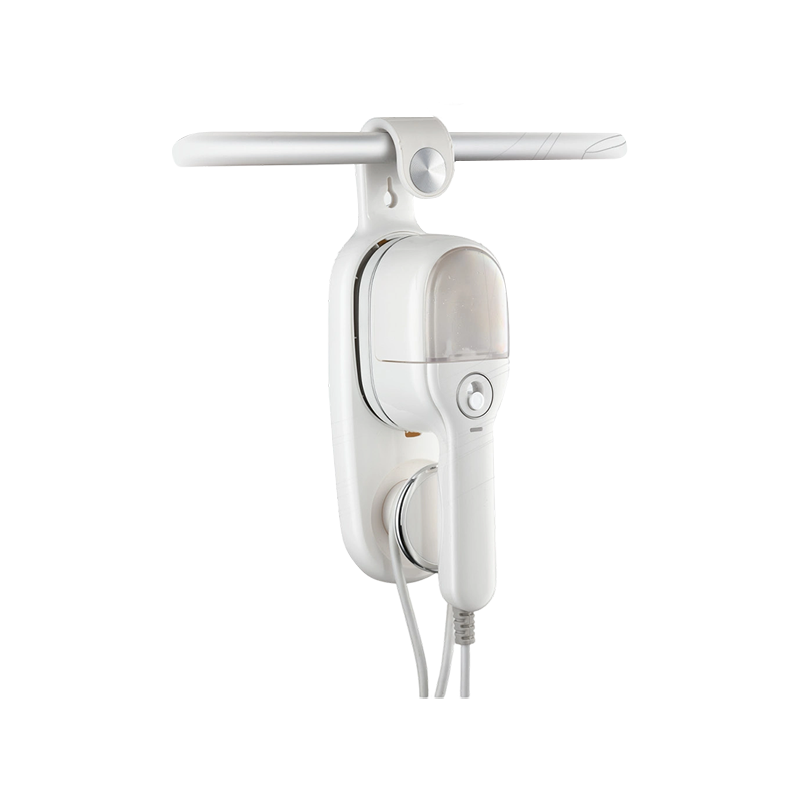
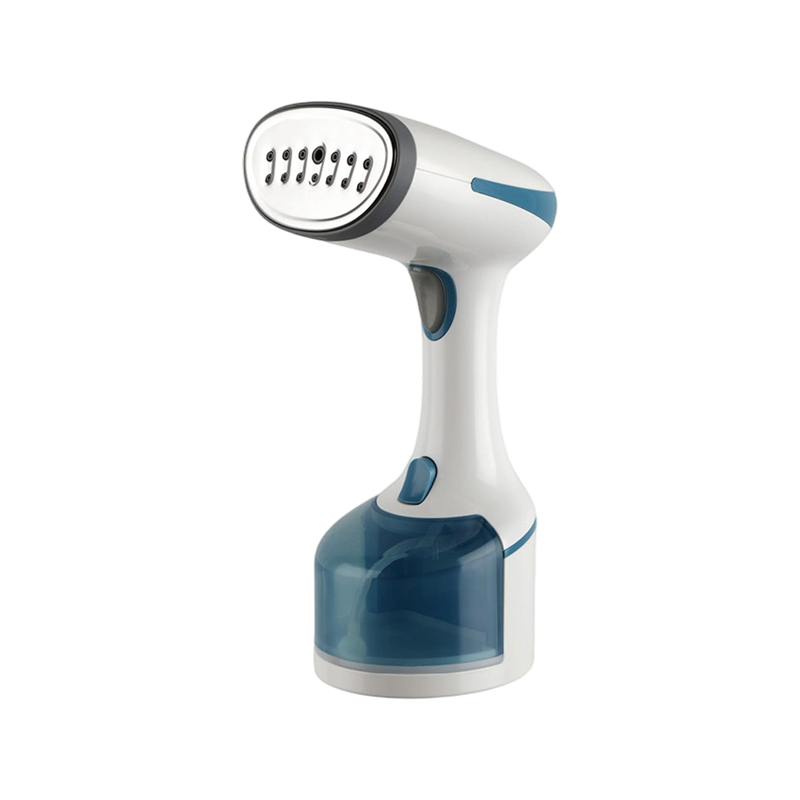
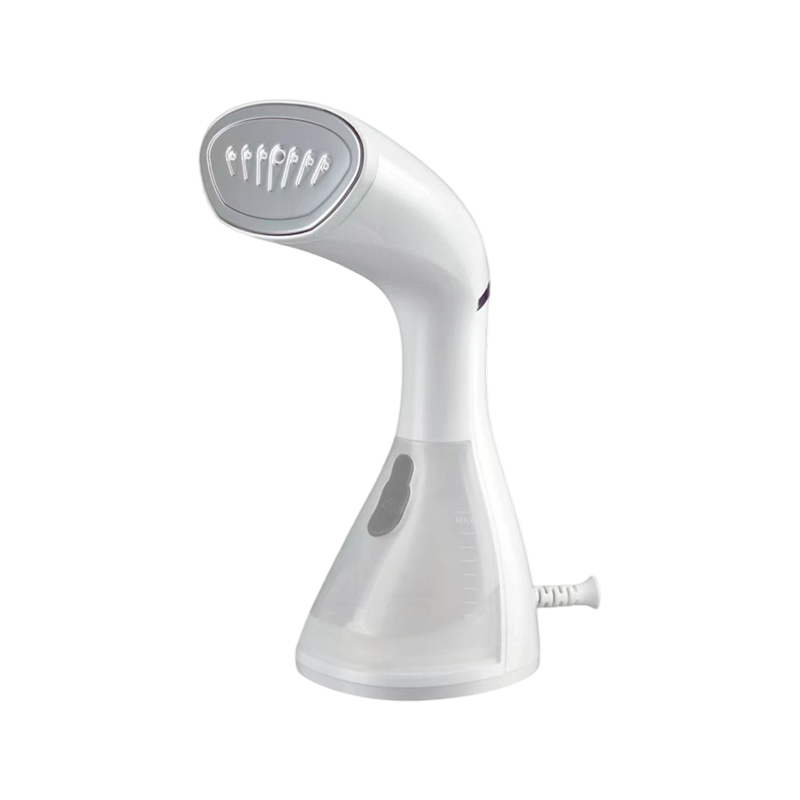
A hanging ironing machine — also called a garment steamer, vertical steamer, or clothes steamer — offers a faster, safer, and more versatile alternative to traditional flat ironing boards for removing wrinkles, refreshing fabrics, and sanitizing garments. Its key advantages include the ability to treat clothes while they hang on a hanger, eliminating the need for an ironing board; the use of continuous steam rather than direct dry heat, making it safe for delicate fabrics; and significantly faster heat-up times — typically 30 to 60 seconds compared to 3–5 minutes for a conventional iron. These benefits make hanging ironing machines the preferred choice in professional garment care, hotel housekeeping, retail clothing, and home laundry routines worldwide.
Understanding the specific advantages of a hanging ironing machine — and how those advantages translate into real time savings, fabric protection, and operational efficiency — helps consumers, hospitality professionals, garment retailers, and laundry businesses choose the right equipment for their needs.
Advantage 1: No Ironing Board Required — Maximum Convenience
The most immediately practical advantage of a hanging ironing machine is that garments are treated while hanging vertically on a hanger or garment rack. This eliminates the setup, storage, and physical effort associated with ironing boards entirely. In a typical household, setting up and putting away an ironing board adds 2–4 minutes to every ironing session — a trivial figure for one garment, but a meaningful time drain when processing a week's worth of clothing.
For professional settings — hotel guest rooms, retail display preparation, costume departments, or wedding venue dressing rooms — the absence of a cumbersome board is even more valuable. A standing garment steamer on a wheeled base can be positioned next to any rack and moved between locations within seconds, while a compact handheld hanging ironing machine can be packed into a travel bag and used in a hotel bathroom using the shower rod as a hanging point.
For apartment dwellers or anyone with limited living space, this is a decisive advantage: a hanging ironing machine occupies 60–80% less storage space than a traditional iron-and-board combination.
Advantage 2: Fast Heat-Up and Continuous Operation
Speed is one of the most cited reasons that users switch from conventional irons to hanging ironing machines. A quality hanging steamer reaches operating temperature in 30–60 seconds. Once at temperature, it delivers continuous steam output — typically 25–50 grams per minute for consumer models and 60–120 grams per minute for professional vertical steamers — without interruption until the water reservoir is empty.
Contrast this with a traditional steam iron, which requires 3–5 minutes to heat up, must be repositioned repeatedly to avoid contact burns on delicate fabric, and delivers steam in short bursts rather than continuously. A full shirt can be de-wrinkled with a hanging ironing machine in 60–90 seconds; the same shirt on an ironing board typically takes 3–5 minutes.
Professional models with large-capacity boilers — 1.5 to 3 liters — can operate continuously for 1.5 to 3 hours before refilling, making them practical for commercial laundry operations, garment factories, and hotel housekeeping teams processing dozens of garments per shift.
Advantage 3: Gentle on All Fabric Types — Superior Fabric Protection
The single most important technical advantage of a hanging ironing machine over a conventional iron is the way it interacts with fabric. A traditional iron applies a hot metal soleplate — at temperatures between 110°C and 230°C depending on the fabric setting — directly to the garment surface under pressure. Incorrect temperature setting, leaving the iron stationary for even a few seconds, or pressing on the wrong side of a garment can cause irreversible shine marks, scorch marks, flattening of pile fabrics, or outright burning.
A hanging ironing machine works exclusively through steam contact. Steam at atmospheric pressure exits the nozzle at approximately 100°C and penetrates the fabric fibers, relaxing the hydrogen bonds that hold wrinkles in place, without any direct mechanical pressure on the cloth surface. This makes hanging ironing machines safe for:
- Silk and silk blends — which scorch easily under a direct iron even at low settings.
- Velvet and velour — pile fabrics that are permanently crushed by ironing but respond perfectly to vertical steam.
- Wool and cashmere — which felt and shrink under the combination of heat and pressure from a conventional iron.
- Embellished garments — beaded, sequined, or embroidered items that cannot be safely placed face-down on an ironing board.
- Structured jackets and blazers — which can be de-wrinkled without disturbing shoulder pads or internal construction.
- Pleated trousers and skirts — steam refreshes the fabric without collapsing pleats as a flat iron would.
- Linen and heavy cotton — steam penetrates thick weaves efficiently, relaxing deep wrinkles that are difficult to remove with a dry iron.
The absence of direct contact also means there is no risk of shiny marks on dark fabrics — a common complaint from users of conventional irons on wool and polyester blends.
Advantage 4: Sanitization and Odor Elimination
One of the less immediately obvious but practically significant advantages of a hanging ironing machine is its sanitizing capability. The steam produced by a hanging steamer reaches temperatures of 100°C or above at the nozzle exit, and research has shown that steam exposure at these temperatures for just a few seconds kills the majority of common bacteria, dust mites, and surface-level pathogens on fabric.
This makes hanging ironing machines especially valuable in:
- Hotel and hospitality — guest robes, uniforms, and bed linens can be freshened between full laundry cycles, reducing water and energy consumption while maintaining hygiene standards.
- Secondhand and vintage clothing — steam effectively removes musty odors absorbed into fibers during storage, without requiring a full wash cycle that might damage fragile vintage textiles.
- Suit jackets and outerwear — garments that cannot be machine washed between wearings can be refreshed with steam to eliminate perspiration odors and body oils from the fiber surface.
- Children's soft toys and stuffed animals — steam sanitizes fabric surfaces on items that cannot be ironed conventionally.
- Curtains and upholstery in place — many hanging ironing machines can be directed at installed curtains, upholstered furniture, and mattresses to reduce allergen load without removal.
The steam also helps break down cooking odors, cigarette smoke residues, and other volatile organic compounds (VOCs) absorbed into textile fibers, refreshing garments that smell stale without the water and detergent consumption of a full wash.
Advantage 5: Easier and Safer to Use Than a Conventional Iron
Conventional irons are among the most common causes of household burns and domestic fires. In the United States alone, irons are responsible for an estimated 3,000 residential fires per year, most caused by irons left face-down on ironing boards while the user is distracted. A hanging ironing machine dramatically reduces this risk profile:
- No hot soleplate — the steam head of a hanging ironing machine does not retain heat in a flat metal surface, so accidental contact with skin or fabric causes a momentary steam exposure rather than a contact burn.
- Auto shut-off — most modern hanging ironing machines include automatic shut-off when the water reservoir runs dry or after a set period of inactivity, eliminating the fire risk of a forgotten-on appliance.
- No ironing board tipping hazard — ironing boards, particularly with a heavy iron resting on them, can tip onto children or pets. A free-standing vertical steamer with a stable base presents no equivalent risk.
- Simpler operation — there are no temperature dials to set per fabric type. Many hanging ironing machines operate at a single steam output level, and the user adjusts technique (distance and dwell time) rather than temperature settings.
This ease of use makes hanging ironing machines accessible to users who find conventional ironing physically demanding — elderly users, those with limited hand strength, or teenagers managing their own clothing for the first time — without sacrificing the quality of the result.
Advantage 6: Versatility Beyond Clothing
A hanging ironing machine is not limited to garment care. The directed steam output can be applied to a wide range of household and professional tasks that a conventional iron cannot address:
- Curtains and drapes in situ — floor-length curtains can be de-wrinkled without taking them down; steam relaxes creases from packaging and storage without wetting the fabric enough to cause water marks.
- Upholstered furniture — sofa cushion covers, chair backs, and headboard fabric can be freshened and lightly de-creased without removal.
- Mattresses and pillows — directing steam at mattress surfaces reduces dust mite populations and refreshes the fabric between full cleaning cycles.
- Tablecloths and bed linen — large flat pieces that are awkward on an ironing board can be steamed quickly while draped over a door or rack.
- Craft and sewing projects — steam setting of seam allowances and pressing of quilt blocks can be done with a handheld steamer for faster, more flexible results than a board-mounted iron.
- Display props and soft furnishings — retail visual merchandisers, event decorators, and set designers use hanging ironing machines to finish fabric displays quickly on location.
Advantage 7: Energy Efficiency and Environmental Benefits
Hanging ironing machines are generally more energy-efficient than conventional steam irons for equivalent garment throughput. A typical consumer hanging steamer operates at 1,200–1,800 watts, comparable to a conventional iron; however, because the heat-up time is shorter and the steaming process is faster per garment, total energy consumed per item treated is typically 20–35% lower than with a conventional iron.
The environmental case for hanging ironing machines extends beyond energy:
- Reduced washing frequency — by refreshing and sanitizing lightly worn garments with steam rather than rewashing them, users can extend the interval between full machine washes. Each domestic laundry cycle consumes approximately 50 liters of water and 1 kWh of electricity; even modest reductions in wash frequency across millions of households add up to significant resource savings.
- Extended garment life — fewer wash cycles mean less mechanical abrasion and chemical exposure on fabric fibers, extending garment lifespan and reducing clothing waste. Studies suggest that washing accounts for a substantial fraction of the lifetime environmental impact of a garment.
- No chemicals required — unlike dry cleaning or stain-treatment sprays, steam refreshing uses only water, eliminating the discharge of detergent chemicals into wastewater.
Hanging Ironing Machine vs. Conventional Iron: A Direct Comparison
The table below summarizes the key differences between a hanging ironing machine and a conventional flat iron across the criteria most relevant to everyday use:
| Criterion | Hanging Ironing Machine | Conventional Flat Iron |
|---|---|---|
| Heat-up time | 30–60 seconds | 3–5 minutes |
| Time per shirt | 60–90 seconds | 3–5 minutes |
| Ironing board required | No | Yes |
| Suitable for delicate fabrics | Yes — silk, velvet, cashmere | Risk of damage if mistreated |
| Risk of scorch / burn marks | Very low | Moderate to high if misused |
| Sanitizing / odor removal | Yes — steam kills bacteria and removes odors | Limited |
| Can treat structured garments | Yes — jackets, suits on hanger | Difficult; distorts construction |
| Crease sharpness (trousers, shirts) | Good to very good | Excellent — sharp creases and flat seams |
| Storage space needed | Compact — especially handheld models | Large board + iron storage required |
| Travel-friendly | Yes — handheld models pack easily | Bulky; travel irons are underpowered |
| Energy per garment (approx.) | Lower — 20–35% less per item | Higher due to longer process time |
Types of Hanging Ironing Machines and Their Specific Advantages
The hanging ironing machine category encompasses several product formats, each with a different advantage profile:
Handheld Garment Steamers
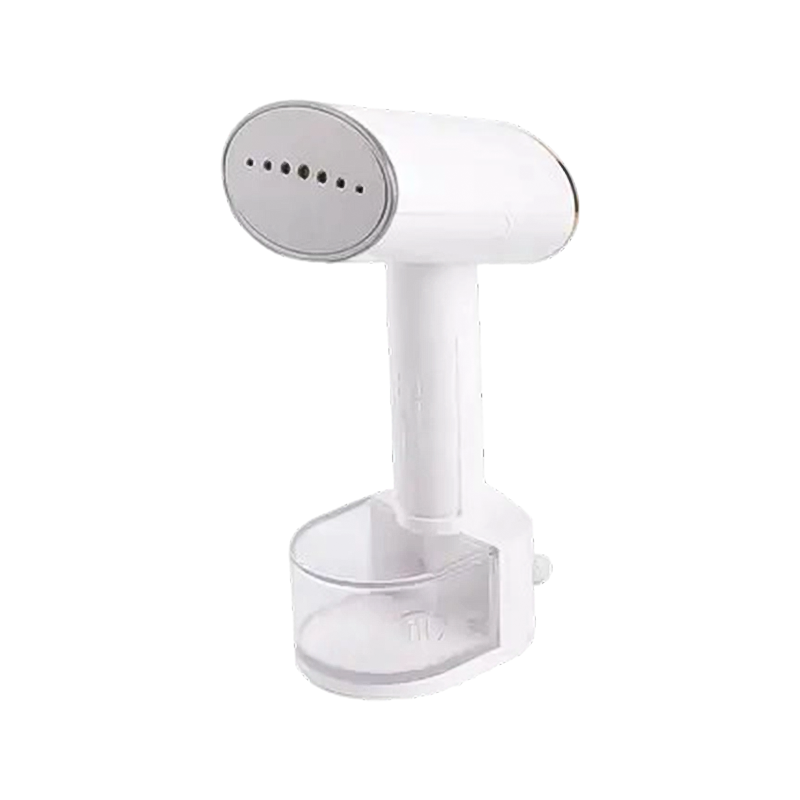
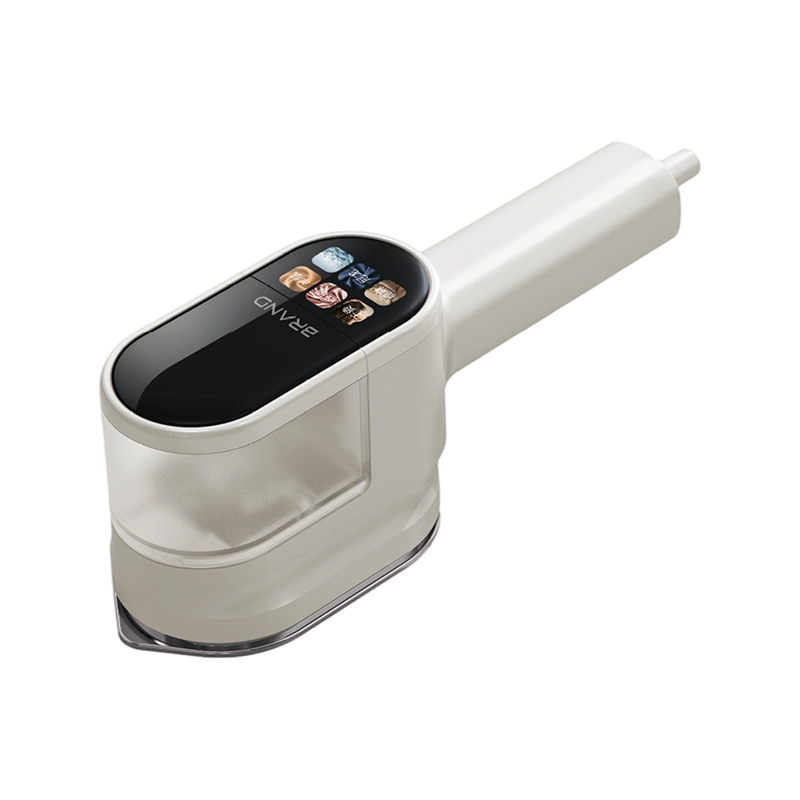
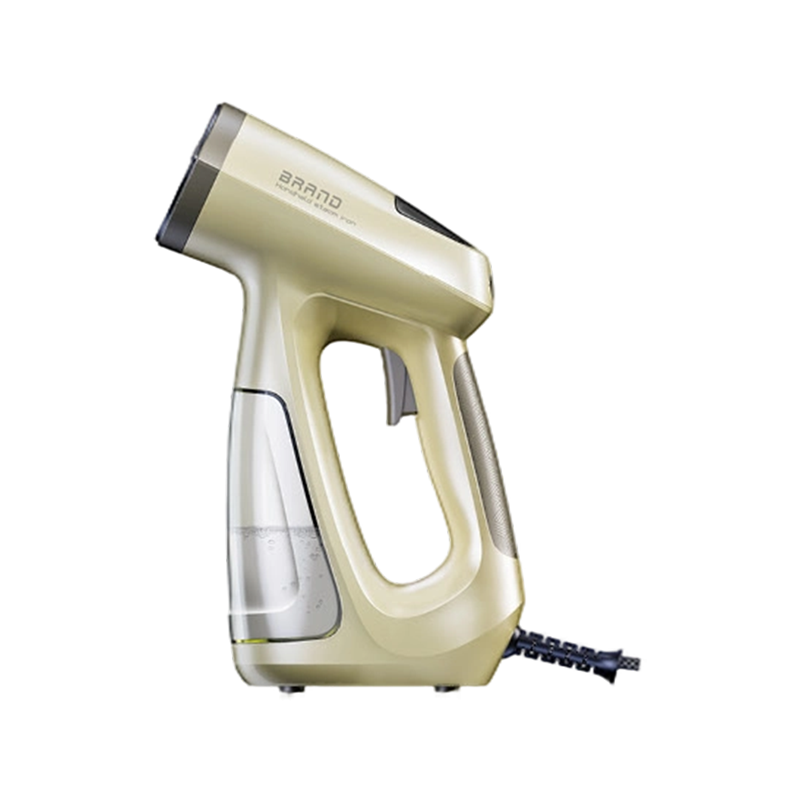
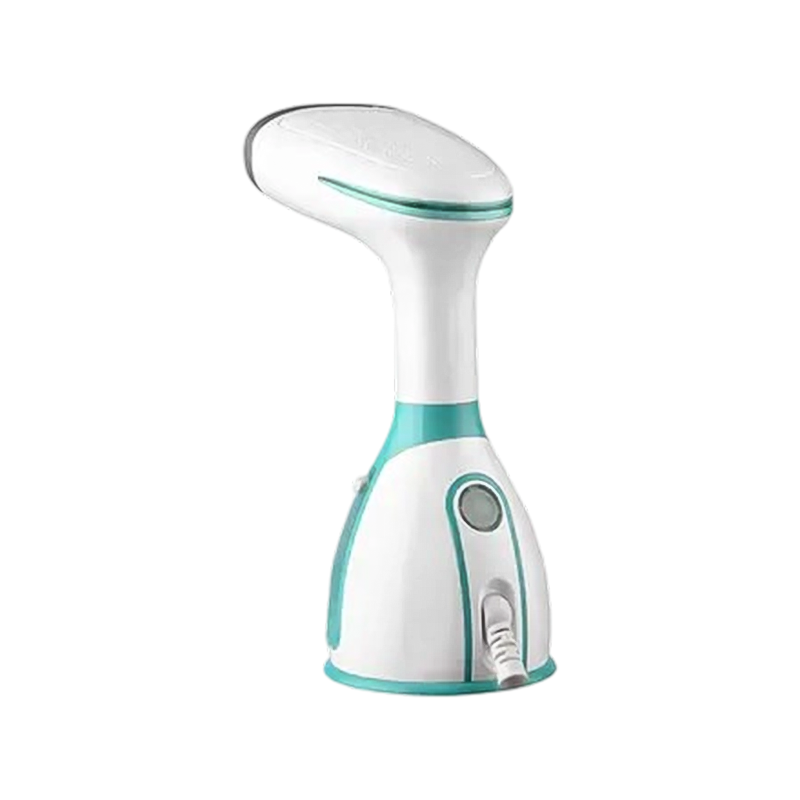
The most compact form factor — a single handheld unit typically weighing 300–600 grams with a built-in water reservoir of 100–200 ml. Heat-up time is under 30 seconds. Continuous steam output lasts 8–15 minutes before refilling. The primary advantage is portability: handheld steamers are carried in luggage for travel use, kept at a dressing table for quick morning touch-ups, and stored in a drawer without any dedicated storage space.
Standing Vertical Steamers
A floor-standing unit with a separate base boiler (typically 1–2.5 liters), a flexible steam hose, and a steam head on an adjustable pole. The large boiler enables continuous operation for 60–180 minutes per fill. Most models include an integrated garment hanger bar, allowing the user to hang and steam a garment in one motion. These are the standard choice for home users who process several garments per session and for boutique retail outlets where presentation quality is paramount.
Professional Industrial Steamers
Heavy-duty units used in garment factories, hotel housekeeping departments, dry cleaners, and theatrical costume departments. Key features include pressurized boilers (operating at 3–6 bar rather than atmospheric pressure), output rates of 80–150 grams of steam per minute, stainless steel construction, and in some models, a Teflon-coated steam head that can be used as a light pressing tool for crease-setting. These machines combine the gentleness of steam with the pressing force needed for commercial-quality results.
Travel Hanging Steamers
Specifically engineered for frequent travelers, these dual-voltage models (100–240V) operate on both North American and international power standards, weigh under 400 grams, and feature collapsible handles or compact cylindrical forms that fit in a toiletry bag. They address a common travel frustration: clothing that arrives creased from a suitcase can be restored in minutes using the hotel room's shower rail or door hook, without calling housekeeping or paying a hotel pressing fee.
Advantages of Hanging Ironing Machines in Professional and Commercial Settings
Hotel and Hospitality
In hotels, staff uniforms, guest robes, and guest room draperies are maintained to a consistently high standard across hundreds of rooms. A standing professional steamer allows a housekeeping attendant to refresh a guest robe, de-crease draperies, and touch up the bed valance in a single room visit using a single tool — without transporting an ironing board, without risk of scorching the fabric, and in approximately half the time of conventional ironing. For hotel chains managing thousands of uniforms across multiple properties, the cumulative time and labor savings are substantial.
Retail Garment Display
New stock arriving at clothing boutiques, department stores, or fashion showrooms is often creased from folding and packaging. A floor-standing steamer positioned at the receiving area allows visual merchandisers to prepare garments for display racks directly from the shipping carton, without the setup time of ironing boards and without removing garments from hangers. This directly reduces stock-to-floor time — a measurable operational advantage in high-volume fast-fashion retail.
Garment Manufacturing and Quality Control
In garment factories, hanging ironing machines are used at the finishing stage to prepare completed garments for photography, sampling, and pre-shipment inspection. Steam finishing a sewn garment reveals its true drape and silhouette — which is why fashion designers, photographers, and quality control inspectors prefer steamers over irons for final presentation work.
Theatrical and Film Costume Departments
Costume departments on film sets and in theaters maintain large inventories of garments — often including irreplaceable vintage pieces, hand-embroidered items, and structured period costumes — that cannot be entrusted to a conventional iron. Professional hanging ironing machines are standard equipment in these environments because they deliver excellent wrinkle removal without any contact risk to the fabric surface or ornamentation.
Key Features to Look for in a Hanging Ironing Machine
Not all hanging ironing machines deliver the same performance. When evaluating models for home or professional use, the following specifications are most important:
- Steam output rate (g/min) — higher output means faster wrinkle removal per garment. Consumer models should deliver at least 25 g/min; professional models 60 g/min or above.
- Boiler/reservoir capacity — a larger tank reduces refilling interruptions. For home use, 1–1.5 liters provides adequate session duration; professional use warrants 2 liters or more.
- Heat-up time — look for models that reach operating temperature in under 60 seconds; faster is better for intermittent-use scenarios.
- Hose length and flexibility — a hose of at least 1.2–1.5 meters allows comfortable maneuvering around a garment; rigid or short hoses reduce ergonomic convenience.
- Anti-drip / anti-spitting protection — water droplets spat from the steam head can wet-mark delicate fabrics; quality models include anti-drip valves or secondary heat chambers to fully vaporize water before it exits the nozzle.
- Auto shut-off — an essential safety feature; the machine should stop producing steam automatically when the reservoir empties or after a defined idle period.
- Continuous-fill capability — some professional models allow water to be added to the reservoir while the machine is operating, enabling truly uninterrupted use in high-throughput environments.
- Attachments and accessories — fabric brushes (for raising pile on velvet), crease clips (for setting trouser creases), and lint paddles extend the versatility of the machine beyond basic de-wrinkling.
Performance Specifications: Consumer vs. Professional Hanging Ironing Machines
| Specification | Handheld Consumer | Standing Consumer | Professional / Commercial |
|---|---|---|---|
| Power (W) | 700–1,000 | 1,200–1,800 | 1,800–2,500 |
| Steam output (g/min) | 15–30 | 25–50 | 60–150 |
| Reservoir capacity (L) | 0.1–0.2 | 1.0–1.5 | 2.0–3.0+ |
| Heat-up time | 20–30 sec | 40–60 sec | 45–90 sec |
| Continuous steam duration | 8–15 min | 40–90 min | 90–180 min+ |
| Weight | 300–600 g | 2–4 kg | 4–8 kg |
| Best for | Travel, quick touch-ups | Home daily use | Hotel, retail, garment factory |
Tips for Getting the Best Results from a Hanging Ironing Machine
To maximize the advantages of a hanging ironing machine, the following best practices apply:
- Hang the garment taut — a garment hanging loosely from a single hanger point will move away from the steam head. Use a good quality hanger and, for heavier items, hold the hem gently taut with the free hand to keep the fabric in contact with the steam.
- Move the steam head slowly and steadily downward — slow, overlapping passes allow steam to penetrate the full thickness of the fabric. Rapid passes leave areas undertreated.
- Use the back of the steam head as a light pressing tool — on cotton and linen where a sharper finish is desired, pressing the flat back of the nozzle lightly against the fabric while steaming delivers a smoother result.
- Allow steam to fully penetrate before moving on — for thick wool or heavily creased linen, dwell for 2–3 seconds per area rather than moving continuously.
- Use distilled or filtered water in hard-water areas — mineral deposits from hard water accumulate in the boiler and nozzle, reducing steam output and eventually blocking the machine. Distilled water extends machine life significantly and is particularly important for professional machines in continuous operation.
- Allow the garment to cool and dry for 2–3 minutes before wearing or folding — steam slightly dampens the fabric surface; wearing or folding immediately can re-introduce creases. A brief cooling period allows the fabric to set in its relaxed, wrinkle-free state.
- Steam inside-out for dark or sensitive fabrics — steaming from the reverse side prevents any moisture spotting on the outer surface of dark wool, velvet, or dry-clean-only fabrics.
Ningbo Mayway Electrical Appliance Co., Ltd.: Hanging Ironing Machine Manufacturer and Factory
Ningbo Mayway Electrical Appliance Co., Ltd. is an established hanging ironing machine manufacturer and hanging ironing machine factory based in Yuyao, Zhejiang, China. The company is strategically situated in the industrial zone of north Yuyao, on the south bank of Hangzhou Bay — just 60 km from Ningbo port, with Shanghai accessible across the bay via the Hangzhou Bay transoceanic bridge. This location provides direct, cost-efficient access to China's premier export infrastructure, enabling reliable global delivery to customers across North America, Europe, and Asia-Pacific.
Ningbo Mayway's geographic position in the Yangtze River Delta — one of the world's most concentrated manufacturing and logistics hubs — means the company benefits from proximity to component suppliers, rapid customs clearance at Ningbo port, and competitive freight options for both full-container-load and less-than-container-load export shipments. For international buyers sourcing hanging ironing machines for retail distribution, private label, or OEM supply, this translates into shorter lead times and reliable on-time delivery.
As both a manufacturer and a factory, Ningbo Mayway controls the full production process in-house — from component procurement and tooling to assembly, quality inspection, and export packaging — giving buyers a single-source solution for custom product development and volume production of hanging ironing machines that deliver the performance advantages detailed throughout this article.
Frequently Asked Questions About Hanging Ironing Machines
Can a hanging ironing machine replace a conventional iron completely?
For most everyday garment care tasks — refreshing shirts, trousers, dresses, suits, and casual wear — a quality standing hanging ironing machine produces results indistinguishable from a conventional iron for most people. The one task where a conventional iron retains an advantage is setting very sharp, defined creases (military-style trouser creases, crisp shirt collar points, and flat pocket flaps) where direct pressure against an ironing board gives a crisper line. For users who prioritize sharp creasing on formal wear, keeping a conventional iron for occasional use alongside a hanging steamer for daily refresh work is a practical combination.
Is tap water safe to use in a hanging ironing machine?
In areas with soft to moderately hard water (below 200 ppm dissolved minerals), tap water is generally acceptable for consumer models. In areas with hard water (above 200 ppm), tap water will cause limescale buildup that reduces steam output and shortens machine life. Distilled water is always the safest option; some manufacturers recommend a 50/50 blend of distilled and tap water to avoid mineral depletion issues in certain boiler materials. Consult the specific model's manual for water quality recommendations.
How long does a hanging ironing machine typically last?
Consumer-grade hanging ironing machines used 3–5 times per week with distilled water and regular descaling typically last 3–7 years. Professional models built for commercial use — with stainless steel boilers, brass fittings, and heavy-duty hoses — can last 10 years or more with regular maintenance. The most common cause of premature failure is limescale buildup from hard water in the boiler and steam passages; this is fully preventable with appropriate water quality and periodic descaling per the manufacturer's schedule.
Can a hanging ironing machine be used on curtains without taking them down?
Yes — and this is one of the most appreciated practical advantages of standing models with long hose attachments. Directing steam at floor-length curtains from a distance of 2–5 cm, using slow downward passes, effectively removes storage creases and freshens the fabric without removal, washing, or the risk of color fading from laundering. Most curtain fabrics — polyester, velvet, linen blends, and cotton — respond well to steam. Sheer organza and very fine silk voile should be tested on a hidden area first.
For exclusive deals and latest offers, sign up by entering your email address below.