русский
 Français
 한국어
한국어 عربى
عربى Español
 中文简体
中文简体What is the appropriate temperature for a steam iron?
Admin 2026-07-17Content
- 1 Temperature Chart by Fabric Type
- 2 Reading Fabric Care Labels Correctly
- 3 Why Getting the Temperature Right Matters
- 4 How to Use the Steam Function Effectively
- 5 Common Temperature Mistakes to Avoid
- 6 Soleplate Materials and Heat Distribution
- 7 Energy Use and Ironing Efficiency
- 8 Maintaining Accurate Temperature Over Time
- 9 Safety Considerations at High Temperatures
- 10 Frequently Asked Questions
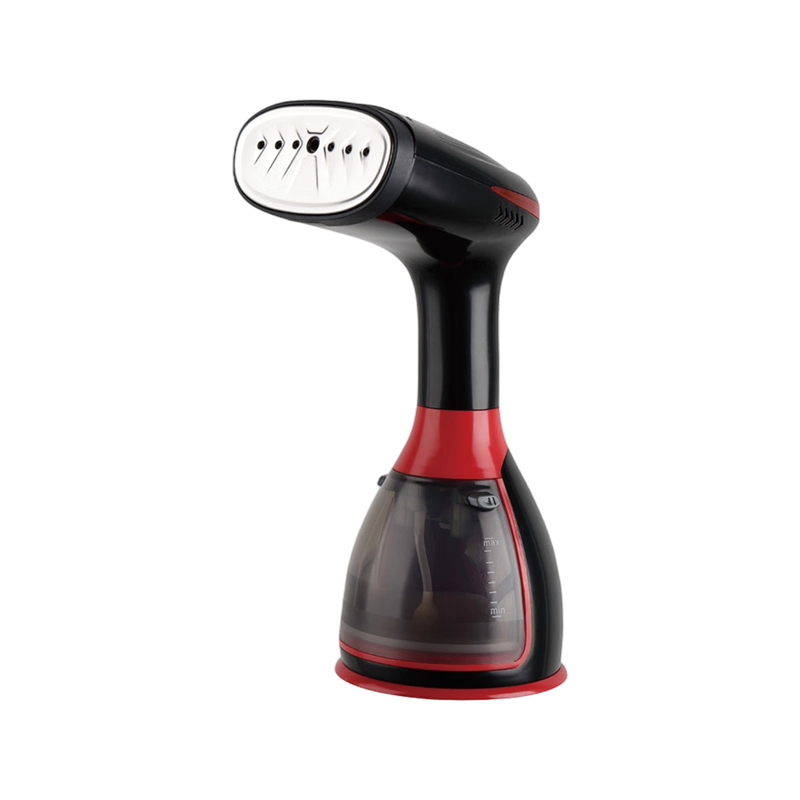
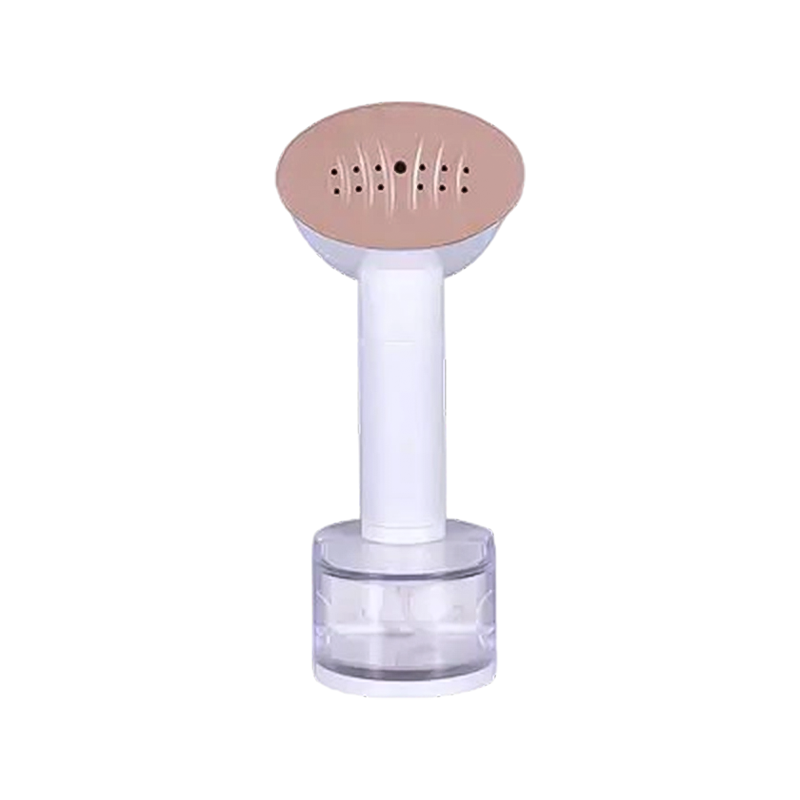
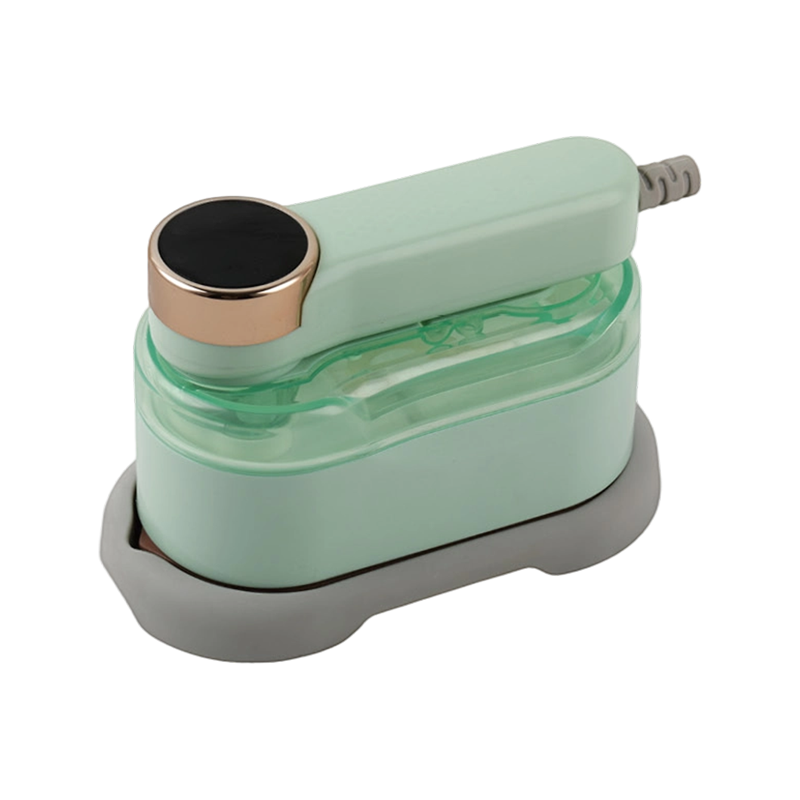
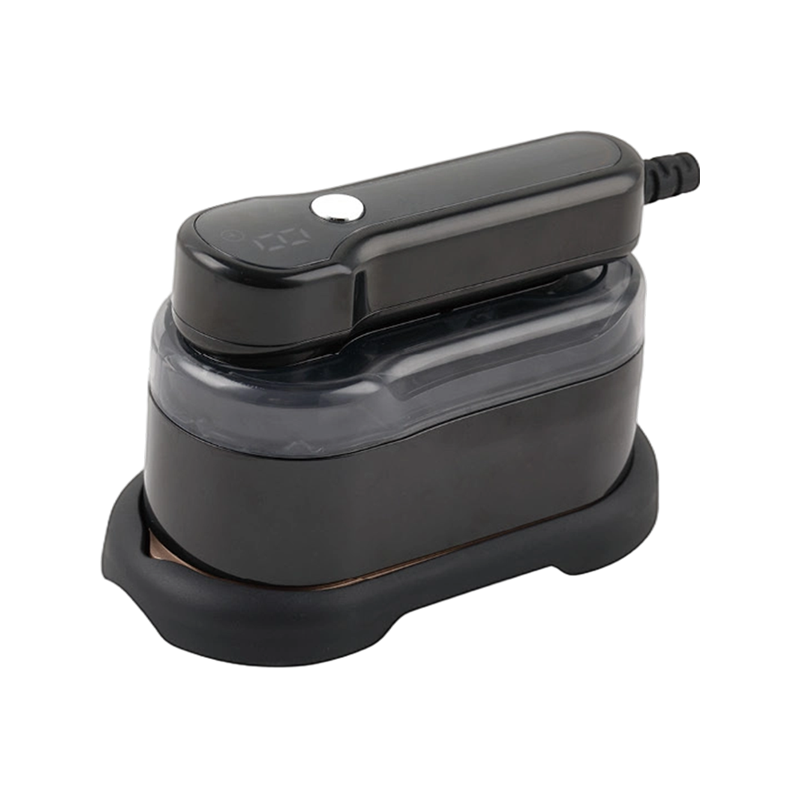
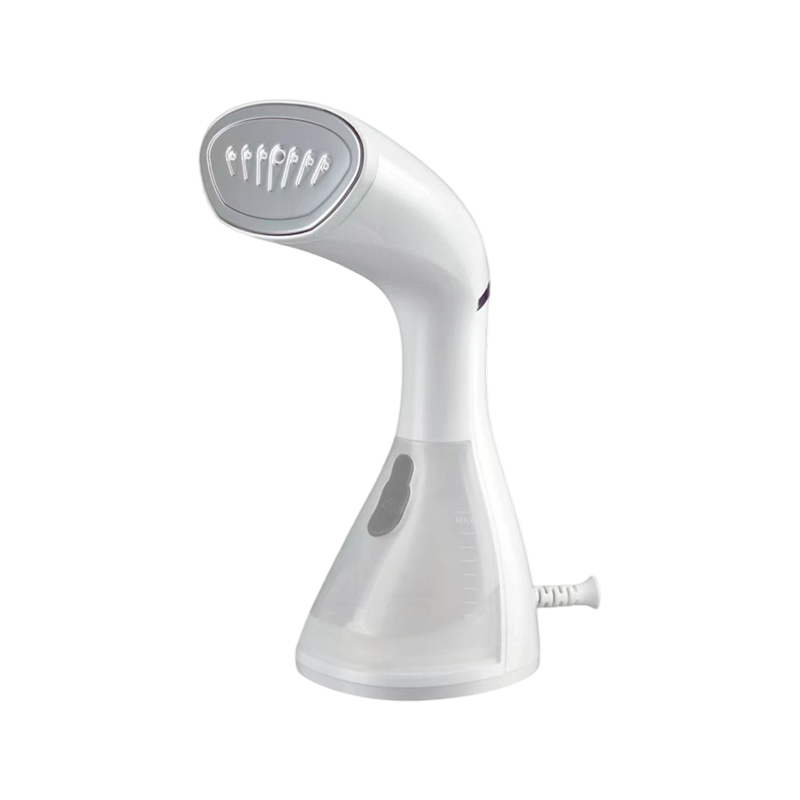
The correct temperature for a Steam Iron depends entirely on the fabric being pressed. As a general rule, synthetic fabrics need 90 to 110 degrees Celsius, wool and silk need 130 to 150 degrees Celsius, cotton needs 170 to 180 degrees Celsius, and linen needs 190 to 200 degrees Celsius. Using a lower setting than required simply wastes time, while using a higher setting than a fabric can tolerate risks scorching, glazing, or melting the material. Most modern steam irons, including the Maywaycn Steam Iron, mark these ranges directly on the temperature dial so you do not need to memorize exact numbers, only the fabric category.
Beyond the basic dial setting, temperature accuracy also depends on soleplate material, steam volume, ironing speed, and even the water used in the tank. This guide covers each of these factors in detail so that every fabric in a household laundry basket can be pressed safely and efficiently.
Temperature Chart by Fabric Type
This chart follows the general guidance used across most textile care labeling systems, including the ISO 3758 international care labeling code, which assigns one to three dots on garment tags to represent low, medium, and high iron temperatures.
| Fabric | Temperature | Steam Setting |
| Nylon, Polyester, Acrylic | 90 to 110 degrees Celsius | Low or off |
| Silk, Wool | 130 to 150 degrees Celsius | Low to medium |
| Cotton | 170 to 180 degrees Celsius | Medium to high |
| Linen | 190 to 200 degrees Celsius | High |
| Denim, Heavy Cotton Blends | 180 to 200 degrees Celsius | High |
| Rayon, Viscose | 120 to 140 degrees Celsius | Low to medium |
| Spandex, Elastane Blends | Below 110 degrees Celsius | Low, no direct contact preferred |
If a garment contains blended fibers, such as a cotton and polyester mix, always set the iron to the temperature required by the more delicate fiber. For example, a 60 percent cotton and 40 percent polyester shirt should be ironed at the polyester setting, around 110 degrees Celsius, to avoid damaging the synthetic content.
Reading Fabric Care Labels Correctly
What the Dot Symbols Mean
Care labels use a small iron icon with one, two, or three dots inside it, based on the ISO 3758 textile care labeling standard adopted by most manufacturers worldwide.
- One dot: low heat, around 110 degrees Celsius, for synthetic fibers
- Two dots: medium heat, around 150 degrees Celsius, for wool and silk
- Three dots: high heat, around 200 degrees Celsius, for cotton and linen
- A crossed-out iron symbol: do not iron this item at all
When There Is No Label
If a garment has no care label, test the iron on an inside seam or hem first at the lowest heat setting, then gradually increase the temperature while checking for shine, sticking, or discoloration before ironing the visible surface.
Regional Labeling Differences
Care symbols can vary slightly between regions. The Ginetex care labeling system used across Europe and much of Asia follows the same three dot structure described above, while some North American labels state a plain text instruction such as "iron low" or "iron medium" instead of dots. When in doubt, the fabric composition listed on the tag remains the most reliable guide to temperature.
Why Getting the Temperature Right Matters
Ironing at the wrong temperature is one of the most common causes of fabric damage during home laundry care. According to the American Cleaning Institute, incorrect heat settings can cause synthetic fibers to melt or glaze almost instantly, while insufficient heat on natural fibers like linen leaves wrinkles that no amount of pressing time can remove.
A correctly matched temperature also shortens ironing time significantly. Cotton pressed at the recommended 180 degrees typically smooths out in a single pass, while the same cotton item pressed at 110 degrees may require three or four passes to achieve the same result, increasing both effort and the risk of over-handling the fabric.
Repeated ironing at excessive heat also weakens fiber structure over time. Textile durability studies commonly cited by fabric care organizations note that cotton fibers repeatedly pressed above their recommended threshold lose tensile strength faster and develop a yellowish tint after multiple wash and iron cycles, shortening the usable life of the garment.
How to Use the Steam Function Effectively
Steam output should be matched to temperature just as carefully as heat. Most steam irons only produce effective steam once the soleplate reaches approximately 100 degrees Celsius, since this is the boiling point of water. Setting the iron too low while using the steam button can cause water to leak from the soleplate instead of converting to vapor, leaving damp spots on the fabric.
- Set the temperature dial to match the fabric first
- Wait for the ready indicator light before pressing the steam button
- Use a light, even gliding motion rather than pressing down hard
- Reduce steam output for delicate fabrics such as silk
- Use the vertical steam function for hanging curtains or garments on a rack
The Steam Iron from our range includes a variable steam dial alongside the temperature control, letting users reduce vapor output independently for delicate fabrics without switching off steam entirely, which helps prevent water spotting on silk and wool.
Steam Burst and Vertical Steam
Many steam irons include a burst function that releases a concentrated shot of steam for stubborn creases, and a vertical steam mode designed for hanging fabrics. Vertical steaming should still respect the fabric temperature limit, since holding a hot soleplate too close to synthetic fibers can cause them to warp even without direct contact.
Common Temperature Mistakes to Avoid
Ironing Everything at One Setting
Many households press an entire laundry basket at a single high temperature to save time. This approach frequently damages synthetic blends, acrylic sweaters, and printed t-shirts, where high heat can cause permanent glazing or cracked prints within seconds of contact.
Ignoring Preheat Time
Soleplates typically need 60 to 90 seconds to stabilize at the selected temperature. Ironing immediately after switching the dial can result in uneven heat distribution across the plate, leaving some areas cooler than the display suggests.
Using Tap Water in Hard Water Areas
Mineral deposits from hard tap water can clog steam vents over time, reducing steam output and forcing users to compensate with higher temperatures than the fabric actually requires. Using distilled or demineralized water helps maintain consistent steam performance at lower, safer settings.
Ironing Over Prints, Embellishments, or Zippers
Direct heat on plastic prints, sequins, or metal zippers can melt or discolor them even at moderate temperatures. Turning the garment inside out or using a pressing cloth between the soleplate and the decorated area protects these details regardless of the fabric setting.
Soleplate Materials and Heat Distribution
The soleplate material affects how evenly heat spreads across the ironing surface, which in turn affects how reliably the set temperature translates into consistent results.
| Soleplate Type | Heat Distribution | Glide |
| Stainless Steel | Even, durable | Smooth |
| Ceramic Coated | Very even | Very smooth |
| Standard Aluminum | Uneven, hot spots common | Moderate |
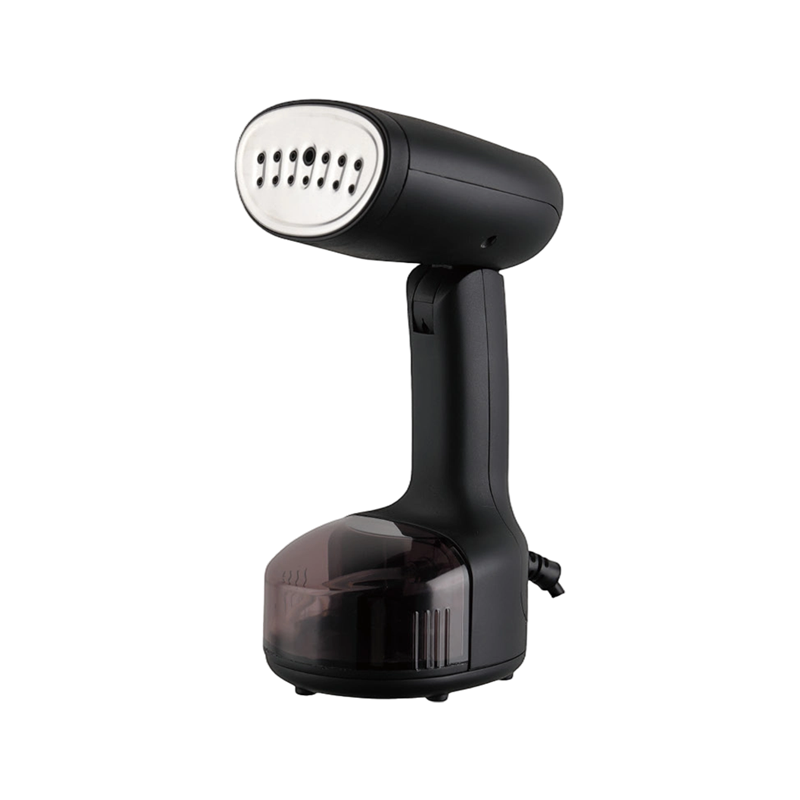
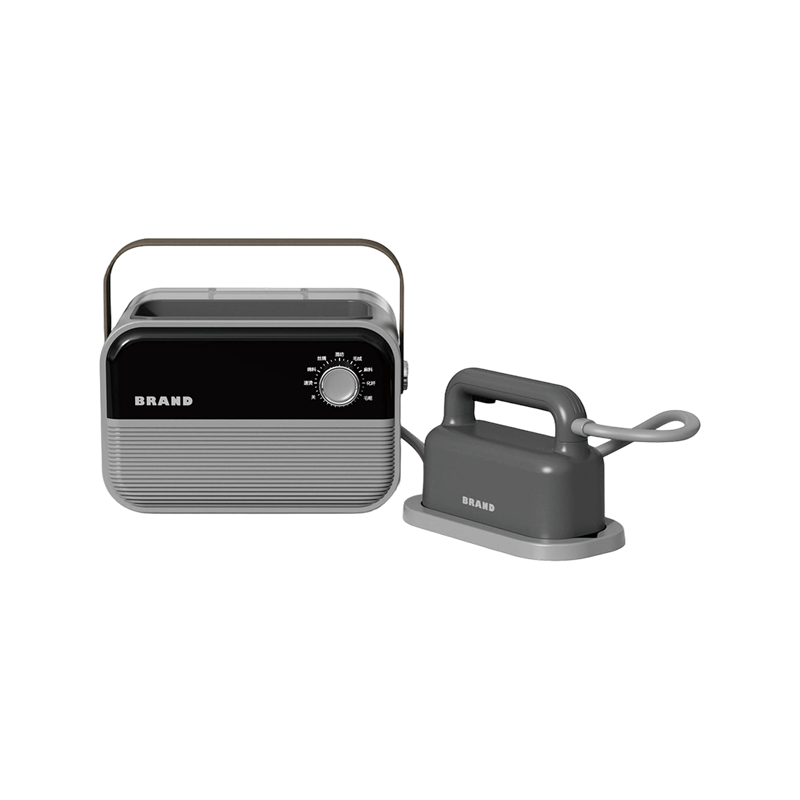
The Steam Iron uses a stainless steel soleplate with clearly marked temperature zones for synthetics, wool, cotton, and linen, making it easier for users to match settings to fabric type without guesswork while maintaining even heat across the entire pressing surface.
Energy Use and Ironing Efficiency
Temperature setting also affects electricity consumption. According to general household appliance energy guidance published by the U.S. Department of Energy, irons typically draw between 1,000 and 1,800 watts, with higher temperature settings and continuous steam use pulling closer to the upper end of that range.
Grouping garments by fabric type before ironing, starting with low temperature synthetics and moving up to high temperature linens, reduces the number of times the iron needs to reheat and cool, which can noticeably cut total ironing time and energy use during a full laundry session.
Maintaining Accurate Temperature Over Time
Not all irons hold temperature consistently. Lower quality thermostats can fluctuate by 10 to 15 degrees Celsius during use, which is enough to scorch delicate fibers even when the dial is set correctly. Look for a steam iron with a ceramic or stainless steel soleplate and an electronic thermostat, since these materials distribute and retain heat more evenly than standard aluminum plates.
Descaling and Cleaning
Mineral buildup inside the water tank and steam vents is one of the most common causes of temperature and steam inconsistency over the life of an iron. Running a descaling cycle every four to six weeks, or as indicated by the manufacturer, helps maintain steady steam output and prevents the iron from needing a higher temperature to compensate for reduced vapor flow.
Storing the Iron Properly
Always empty the water tank after use and store the iron upright to prevent mineral residue from settling near the steam vents, which over time can affect both temperature stability and steam consistency.
Safety Considerations at High Temperatures
Irons set to cotton or linen temperatures can exceed 190 degrees Celsius, hot enough to cause burns instantly on contact with skin. The Consumer Product Safety Commission notes that irons are among the leading causes of thermal burns from household appliances, particularly in homes with young children.
- Never leave a hot iron unattended, even for a short period
- Use the auto shut off feature if the iron includes one
- Keep the cord away from the ironing surface to prevent scorching
- Allow the soleplate to cool fully before storage
Frequently Asked Questions
Can I Iron Polyester on a Steam Iron
Yes, but only at the lowest setting, typically around 110 degrees Celsius, since polyester begins to soften and stick to the soleplate at higher temperatures.
What Temperature Should I Use for a Cotton Silk Blend
Always iron at the temperature for the more delicate fiber. For a cotton silk blend, use the silk setting of approximately 150 degrees Celsius rather than the higher cotton setting.
Why Does My Iron Leave Water Marks
This usually happens when the steam button is used before the soleplate reaches its set temperature, or when the temperature is set too low for the steam function to fully vaporize the water.
How Often Should I Check My Iron Temperature Accuracy
Testing the iron on a scrap fabric every few months, especially after periods of heavy use, helps confirm the thermostat is still holding the correct temperature range as the appliance ages.
For exclusive deals and latest offers, sign up by entering your email address below.