русский
 Français
 한국어
 عربى
 Español
 中文简体
1800 Watt Steam Iron: What That Wattage Really Delivers to OEM and Wholesale Buyers
Admin 2026-11-20Content
- 1 What 1800 watts really changes, and what it does not
- 2 Where 1800 W sits in the product range
- 3 Tank volume, steam holes and panel material carry the load
- 4 Voltage and certification decide whether the shipment lands
- 5 A short checklist before you approve a sample
- 6 Platforms to benchmark in this power class
An 1800 watt steam iron draws roughly 7.8 amps on a 230 V supply, reaches working temperature in about 30 to 45 seconds and keeps producing steam through a full shirt instead of fading two thirds of the way down a sleeve. That is the practical summary. Wattage is the ceiling on steam output, and 1800 W is the point where a handheld or 2-in-1 model stops behaving like a travel accessory and starts working like a daily tool. For buyers building a retail or OEM program, the figure on the label matters less than what surrounds it: tank volume, steam hole layout, nozzle panel material, declared voltage and the certificate file that clears the destination market.
What 1800 watts really changes, and what it does not
A higher wattage buys recovery time before it buys peak steam. Three things shift when a platform moves from 1200 W to 1800 W. Heat-up shortens from roughly a minute to under 45 seconds. Steam output stays closer to constant during a long pass, because the element replaces heat about as fast as the boiler loses it. And recovery after a refill drops sharply, which matters more than most spec sheets admit, since a refill on a lower-powered unit often costs a second full heat-up cycle.
What wattage does not fix is design. A 1500 W steamer with a double-row steam outlet and a well-matched boiler will feel steamier than an 1800 W unit with a narrow single port and a long internal steam path. Treat the wattage rating as engine size, not as the whole vehicle. When you compare quotations from different factories, ask for the rated power, the tolerance band and the test method, because a plus or minus 5 percent band on a nominal 1800 W rating is normal and a supplier who cannot state one is telling you something useful.
Where 1800 W sits in the product range
Most handheld platforms on the market cluster into four bands. Knowing which band a model belongs to tells you more about its retail positioning than a single number does.
| Power class | Typical heat-up | Typical positioning | What buyers should check |
|---|---|---|---|
| 1000 to 1200 W | 60 to 90 seconds | Travel, gifting, light home use | Tank of 90 to 150 ml, dual voltage option, foldable handle |
| 1300 to 1500 W | 45 to 60 seconds | Mainstream household retail | Steam hole count, panel material, cord length |
| 1600 to 1800 W | 30 to 45 seconds | Daily home use, 2-in-1 flat press and vertical steaming | Tank of 250 to 350 ml, rated power tolerance, thermostatic control |
| 1900 to 2000 W and above | 25 to 40 seconds | Heavy household and light semi-professional | Circuit load, plug rating, certification for the destination market |
Tank volume, steam holes and panel material carry the load
Tank volume sets the duty cycle
An 1800 W unit vaporises water faster than a 1200 W unit, so a small tank turns into a stop-start experience. In practice, 90 to 150 ml suits travel and quick touch-ups, while 250 to 350 ml is the range that lets a user finish a full shirt plus a pair of trousers without breaking rhythm. If a buyer pairs an 1800 W element with a 120 ml tank, the product will feel powerful for two minutes and annoying for the rest of the session.
Steam hole layout sets the working rhythm
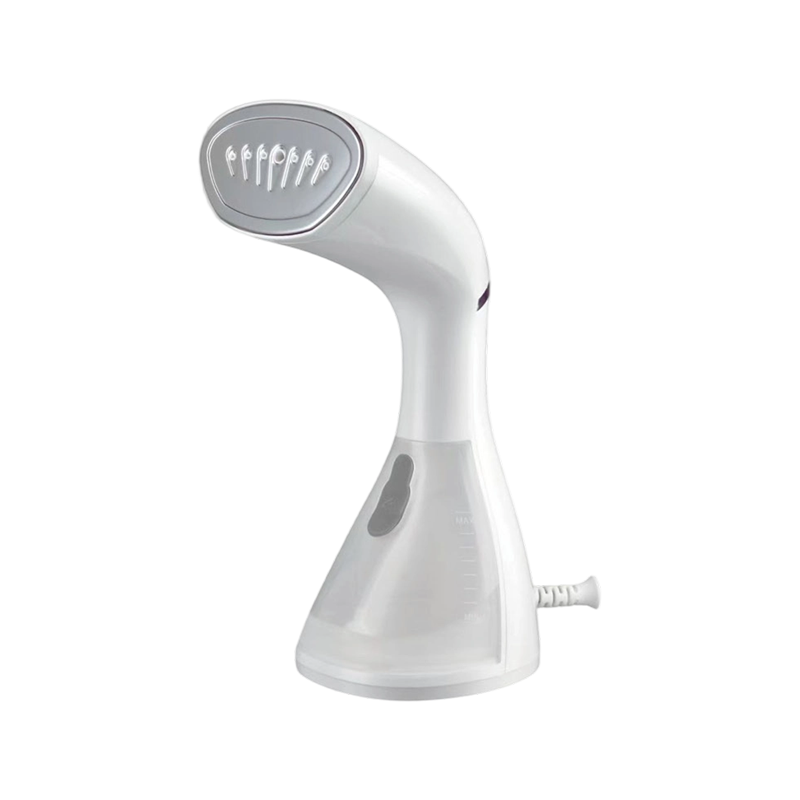
Single-row outlets concentrate steam in a narrow band and require more strokes. Double-row outlets spread steam across a wider strip, which shortens the pass count on shirts, dresses and curtains. Neither is automatically better, but the layout should match the claim. A high-wattage model with a single narrow port wastes its thermal headroom.
Nozzle panel material sets the glide and the wear
Stainless steel panels resist scratching, glide smoothly over buttons and tolerate repeated contact with zips and metal fastenings. Aluminium panels heat through quickly and cost less, but the surface is softer and needs more care in packing and in use. For a premium SKU, the panel is one of the few touch points a shopper can evaluate in the aisle, so it is worth specifying deliberately rather than by default.
Control interface sets the after-sales risk
Mechanical push buttons are the lowest-risk option for high-volume programs. LED and LCD displays add perceived value and clearer steam level feedback. Touch screens look strongest on shelf but add PCB complexity, which raises the cost of warranty claims in markets where service centres are far from the consumer.
Voltage and certification decide whether the shipment lands
The same 1800 W rating behaves very differently across markets. On 230 V it pulls about 7.8 A, comfortably inside a standard 10 A or 16 A European circuit. On 120 V it pulls about 15 A, which sits at the limit of a conventional North American household circuit and above the usual 80 percent continuous-load guidance. That is why many 120 V programs cap handheld steamers at 1500 W or specify intermittent use in the instructions. If your brief calls for a genuine 1800 W product for North America, decide early whether you are designing for a 20 A circuit or repositioning the SKU.
Certification follows the same logic. CE, GS, CB, ROHS, ERP and PAHs documentation covers safety, energy and restricted substances for European buyers, while plug type, cord length and language variants are the details that delay a first shipment. Factories that already hold ISO 9001 and a social compliance audit such as BSCI shorten the onboarding process, and you can review the quality and audit background on the company profile page before requesting samples.
A short checklist before you approve a sample
Run every new 1800 W sample through the same sequence, and most surprises disappear before the purchase order stage.
- Confirm rated power, tolerance band and the voltage and frequency printed on the rating label.
- Time the heat-up from cold and again after a full refill, not just the first cycle.
- Measure continuous steaming time on a full tank at the highest steam level.
- Check steam hole layout and count against the marketing claim.
- Confirm panel material, thickness and surface finish on the production sample.
- Verify the certificate file matches the exact model, voltage variant and plug you are buying.
- Check packaging drop protection, cord length and instruction language before tooling is signed off.
If you are still narrowing the format, the guide on how to choose a steam iron walks through the same decisions from the end user side, which helps when you write the retail copy.
Platforms to benchmark in this power class
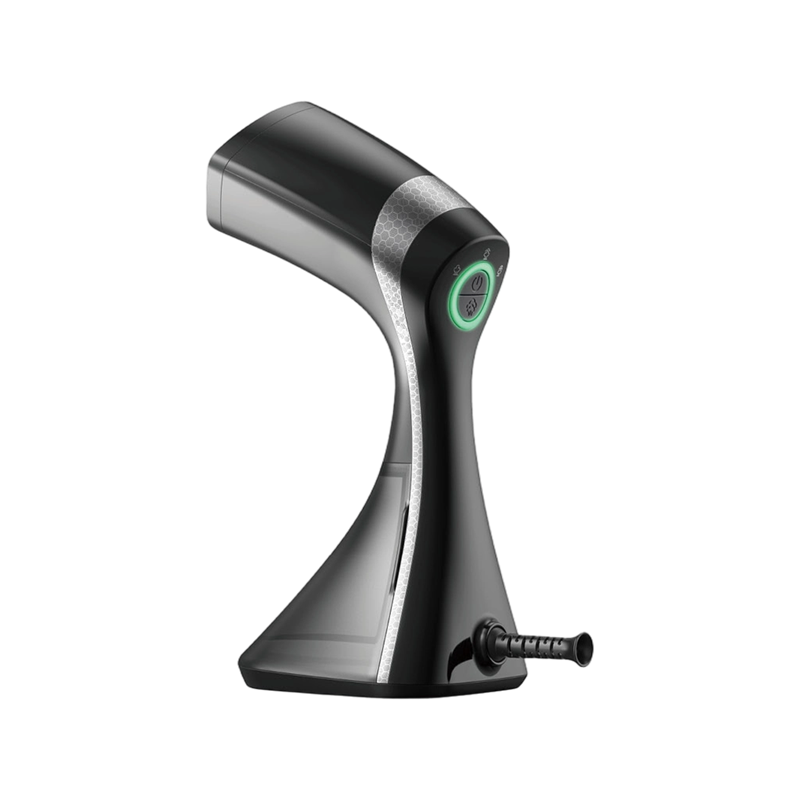
Two reference points are useful when you write a brief for an 1800 W program. The first is a high-output handheld platform rated from 1600 W to 2000 W with a 350 ml tank, which covers the 1800 W target directly and gives enough water capacity to make the power rating meaningful in daily use.
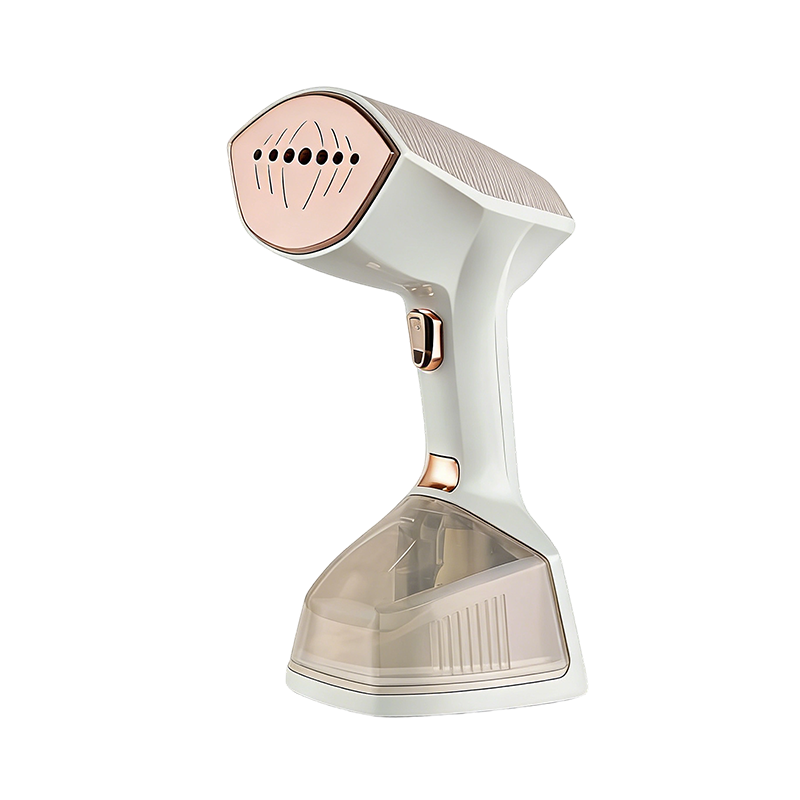 MW-816 Handheld Garment Steamer with 350 ml TankA 1600-2000 W handheld steamer with 350 ml detachable tank, three steam levels, dry or steam ironing, and auto-shut-off for portable garment care.View Product →
The second is a 2-in-1 rotatable format with four steam levels, aimed at buyers whose market wants vertical steaming and flat pressing from a single appliance rather than two separate products on the shelf.
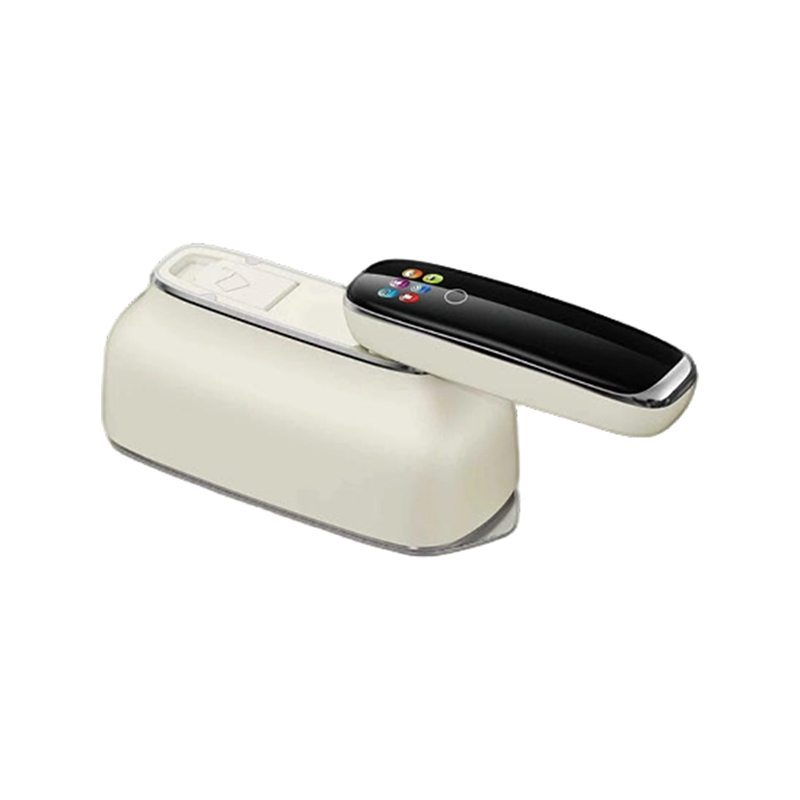 MW-819F Rotatable Touchscreen Garment Steam IronA 1500-1700 W 2-in-1 touchscreen steam iron with 180° rotating handle, four fabric programs, 160 ml tank, and vertical or horizontal use.View Product →
Both formats can be adapted through OEM tooling, panel finish, control interface and voltage variant, which is usually the cheapest way to build a differentiated SKU without opening new moulds.
An 1800 watt steam iron makes sense when the product has to work daily, not occasionally, and when the tank, steam outlet and panel are specified to match the element. Before you commit, fix three things in the brief: the destination voltage and the circuit load it implies, the tank size that supports the steam rate you are promising, and the certification file that has to match the exact variant. Get those three right and the wattage becomes a genuine selling point rather than a number that invites complaints after the first week of use.
For exclusive deals and latest offers, sign up by entering your email address below.