русский
 Français
 한국어
 عربى
 Español
 中文简体
2 in 1 Steam Iron Buyer Guide: Rotatable Models, Steam Control, Safety
Admin 2026-11-19Content
Most 2 in 1 steam iron programs succeed or fail on three details: the rotating joint, steam consistency, and the safety file. Get those right, and one tool can handle hanging steam and flat pressing without adding a second appliance to the carton. Get them wrong, and the return rate will expose the gap long before the reorder.
This guide is written for importers, private-label teams, and sourcing staff comparing rotatable steam iron models. It focuses on the checks that matter before a sample is approved and before a purchase order is placed.
What a 2 in 1 steam iron does and where it fits
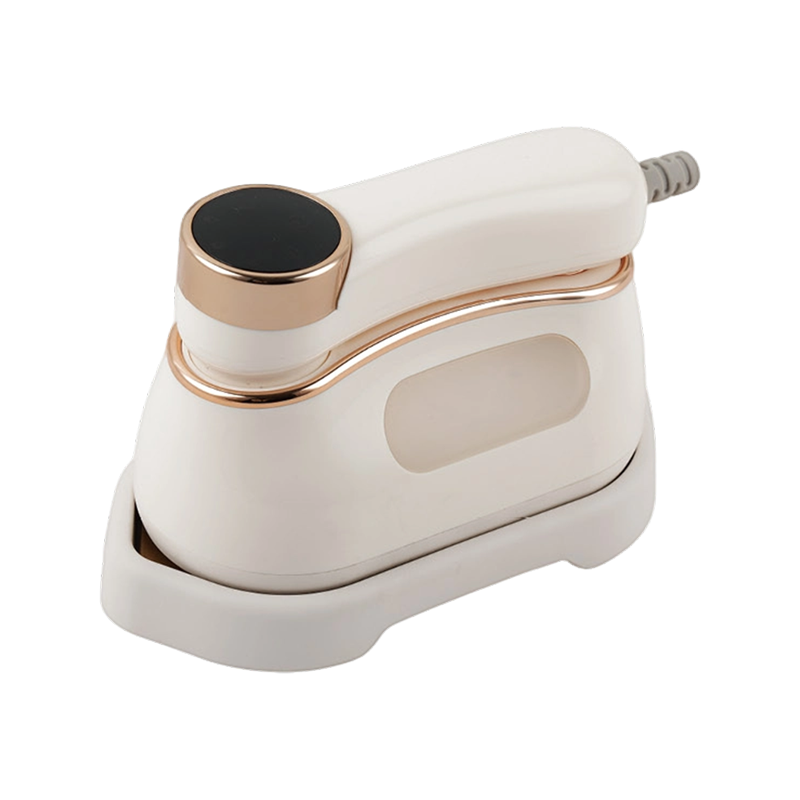
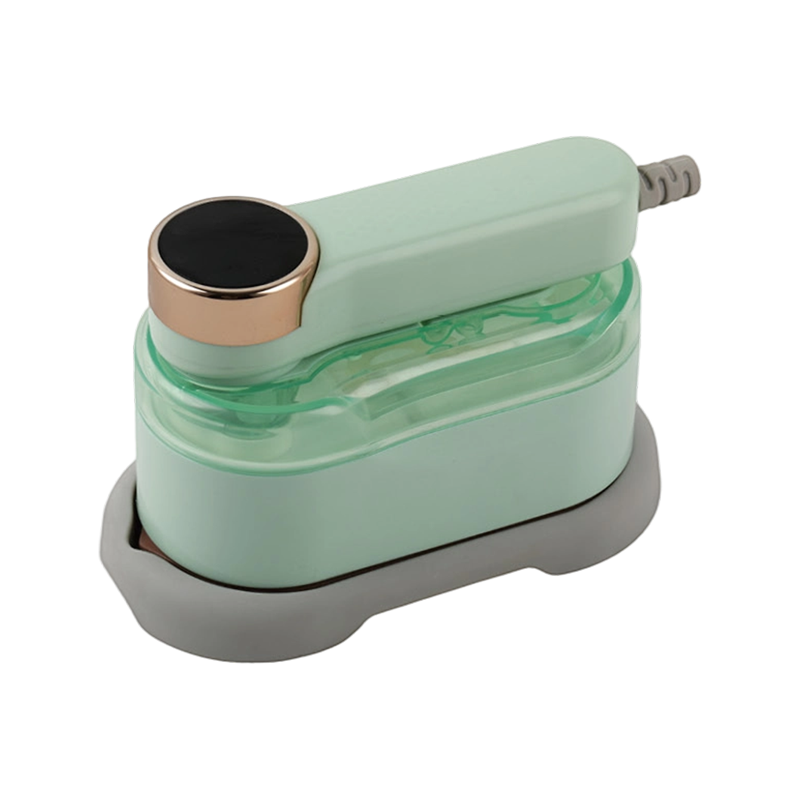
A 2 in 1 steam iron combines a handheld garment steamer and a flat iron in one body, usually with a rotating head that locks in a flat position for pressing and a vertical position for hanging steam. The design suits small homes, travel kits, hotel rooms, and retail programs that want one SKU to cover two ironing needs.
The category is not a compromise product when the mechanism is built well. A rotatable head with a firm lock, a stable thermostat, and a water tank that seals correctly can deliver a crisp finish on collars and cuffs, then switch to steam for curtains, suits, and delicate fabrics. The risk sits in cheap joints, weak seals, and steam paths that spit water after a short warm-up.
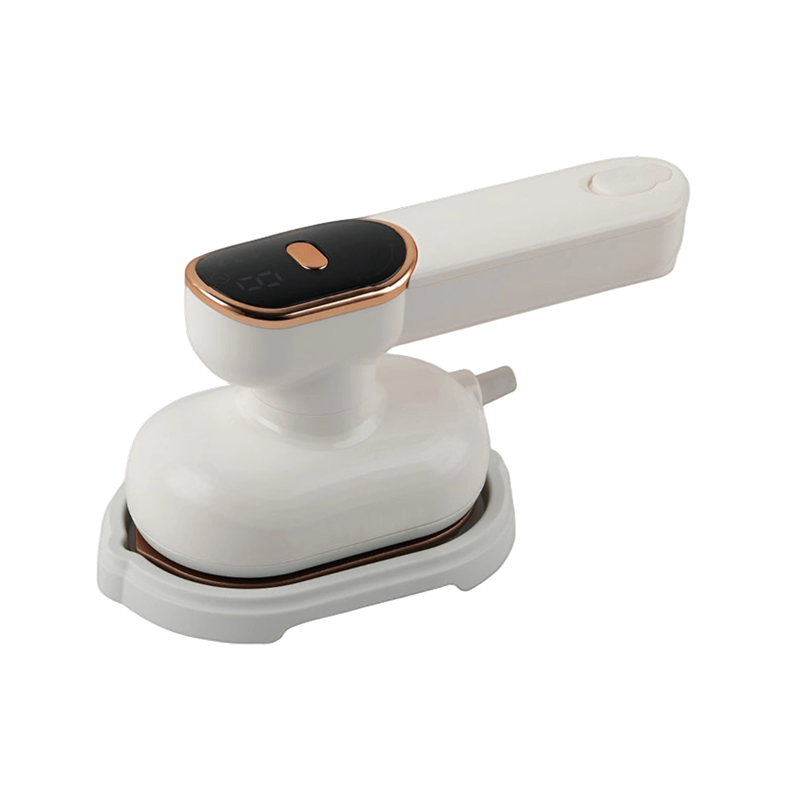
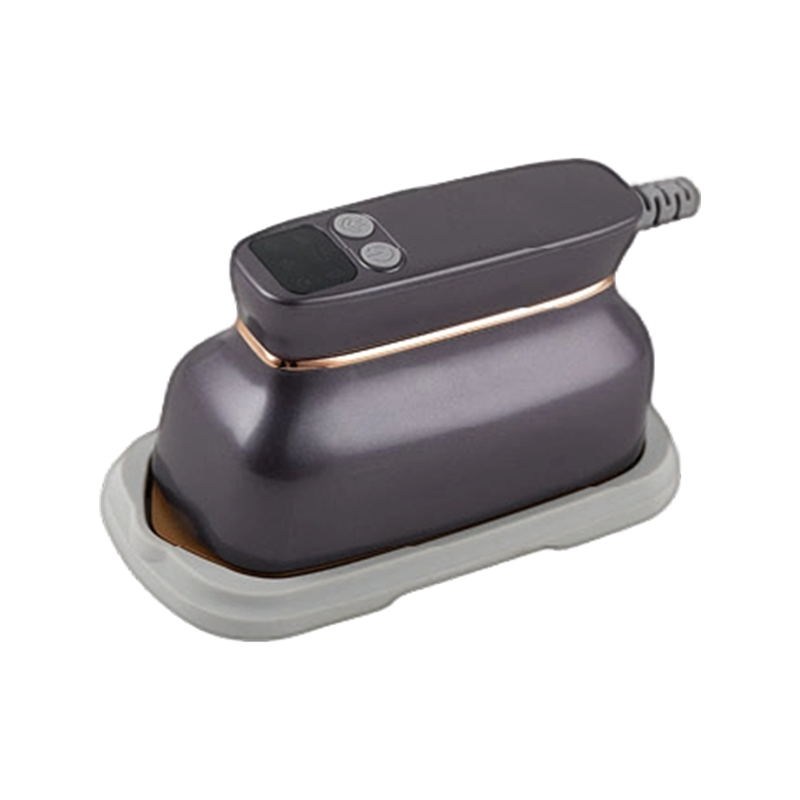 LCD Display 2-in-1 Rotatable Garment Steamer and Steam IronA 160 ml detachable-tank 2-in-1 with three steam levels and LCD; useful here for comparing display integration with thermostat and steam-valve consistency.View Product →
For buyers who need a reference point, an LCD display rotatable model shows how steam level, temperature, and mode can be presented without adding a separate control box. The display is useful only when the underlying thermostat and steam valve are consistent from unit to unit.
Buyer checklist for a 2 in 1 steam iron
Start with the use case, then match the specification to the channel. A travel-focused SKU needs low weight, dual voltage, and a small tank. A home-focused SKU can trade weight for a larger tank, higher wattage, and faster steam recovery. A private-label program needs all of that plus a safety file and repeatable packaging.
A broader selection framework is available in this guide to choosing a steam iron, but the table below covers the checks that most often decide sample approval.
| Check | Why it matters | Practical target |
|---|---|---|
| Rotating joint | A loose head feels unsafe and causes returns | Lock in both positions with no visible wobble; test 500 to 1,000 cycles on samples |
| Steam recovery | Slow recovery extends ironing time | Burst steam recovers within 20 to 30 seconds |
| Tank seal | Leaks damage cartons and clothing | No drip at maximum fill after a 10-minute idle and a tilt test |
| Soleplate | Finish and glide affect perceived quality | Stainless steel for durability or aluminium for lighter weight; no sharp edges |
| Safety file | Customs and retail compliance depend on it | CE, GS, CB, RoHS, ERP, and PAHs documents matched to the model |
| Control interface | Buttons, LED, LCD, and touch affect cost and service | Choose the lowest interface that meets the channel brief |
Rotating head, steam control, and real-use performance
The rotating head is the first part a buyer should test by hand. It should lock in the flat position and the hanging position without a loose feel. A small amount of play may pass a bench test, but it becomes obvious in a live demo and in online reviews. Ask the factory to show the cycle test and the lock design, not just the finished unit.
Steam control is the second test. A 2 in 1 steam iron should deliver a steady stream at the selected level, stop cleanly when the trigger is released, and recover after a burst. On a sample, check for water spitting during the first minute, spitting after a tilt, and dripping when the tank is full. These faults are often traced to the valve, the steam chamber, and the tank seal, not the heating element alone.
What to test on a sample
- Lock the head in both positions and apply light pressure to check for wobble.
- Run a full tank through the steam mode and watch for spitting at the nozzle.
- Switch to flat mode and press a cotton shirt collar and a synthetic blend.
- Check heat-up time and steam recovery against the product data sheet.
- Fill, tilt, and carry the unit to confirm the tank seal and cap fit.
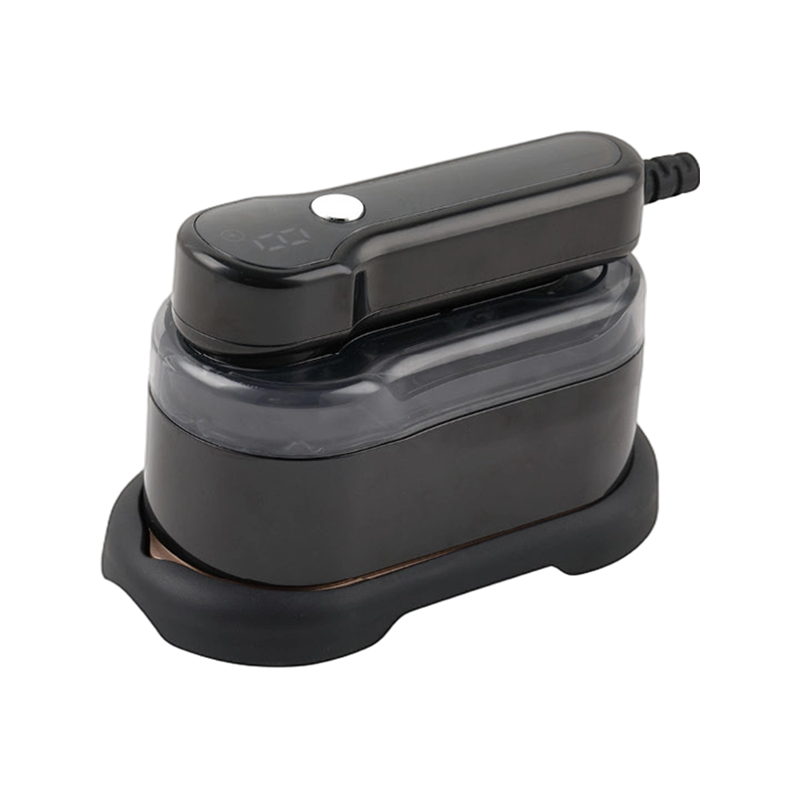
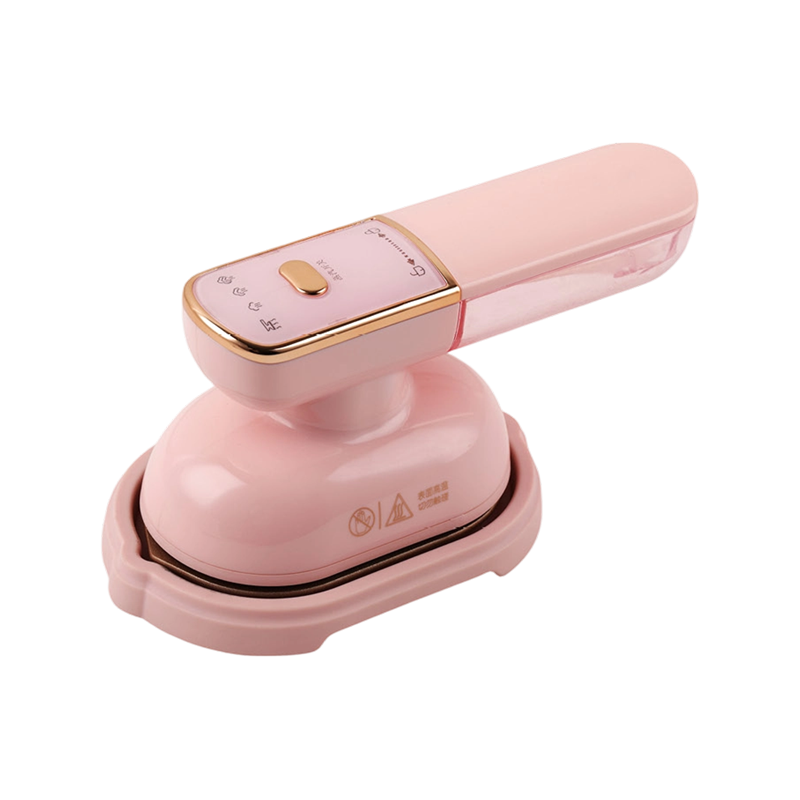
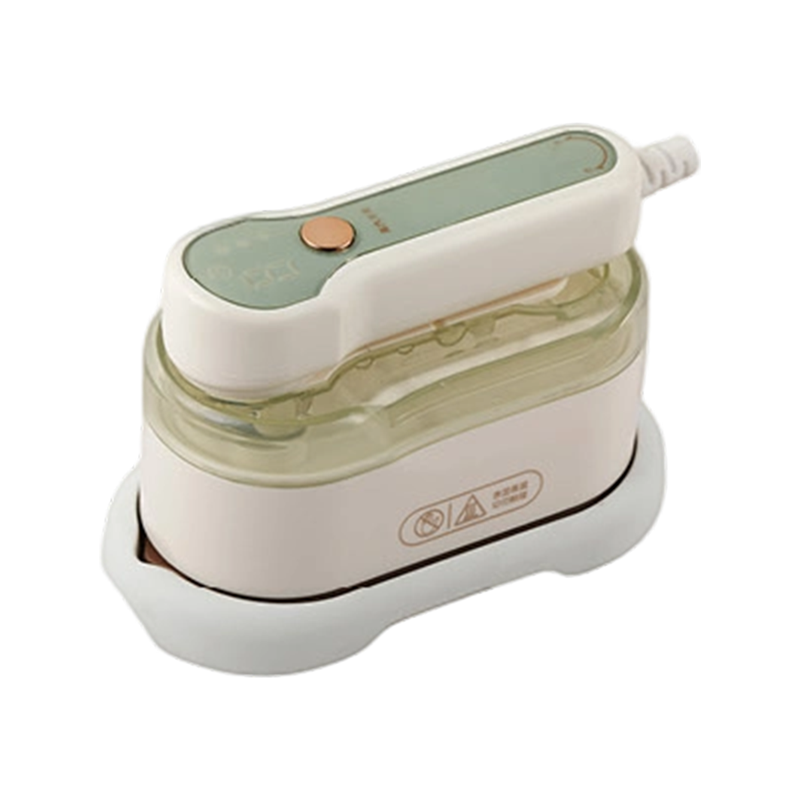 LED Display 2-in-1 Rotatable Garment Steamer and Steam IronA 150 ml detachable-tank 2-in-1 with LED display, three steam levels, preheat countdown and 180-degree handle; a practical mid-tier retail option for clear steam control.View Product →
An LED display rotatable model is a practical middle option for retail programs. It gives the user a clear steam level without the cost of a full touch interface, and it is easier to service than a sealed display module.
Materials, safety, and compliance
The soleplate material affects glide, durability, and cost. Stainless steel panels resist scratching and are easier to present as a durable option. Aluminium panels are lighter and can heat faster, but they need a good coating and a clean finish to avoid a poor first impression. The choice should follow the retail price band and the target fabric mix.
Safety compliance is not a logo on a box. A buyer should ask for the model-specific test report, the certificate holder, and the file that matches the plug and voltage version being shipped. For European retail, CE, GS, CB, RoHS, ERP, and PAHs files are common checkpoints. A factory that already holds ISO 9001 and BSCI and can show those documents in a clear scope is easier to qualify than one that sends a generic certificate pack.
Review the manufacturer's factory profile and certification scope before the first sample run. This is also the stage to confirm the thermostat, thermal fuse, and cord specification, because those parts decide how the unit performs in the destination market.
OEM and sourcing checks for private-label buyers
Price is only one line in the landed-cost calculation. For a 2 in 1 steam iron, the bigger risks are packaging damage, plug and voltage mismatch, manual errors, and spare-part availability after the first season. A low quote that ignores those items is not a lower cost.
Set the brief before the factory quotes. Confirm the voltage range, plug type, tank capacity, steam levels, control interface, soleplate material, and accessory set. If the SKU is for travel retail, ask for dual voltage and a folding handle. If it is for home retail, ask for a larger tank and a longer cord. If it is for gifting, ask for a carton that survives drop testing and a manual in the right language.
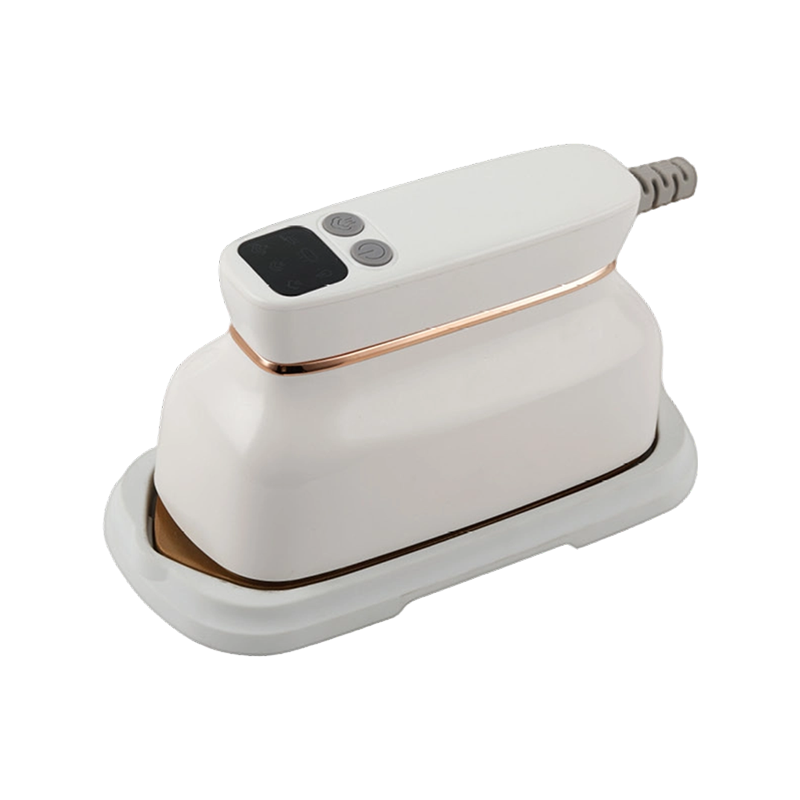
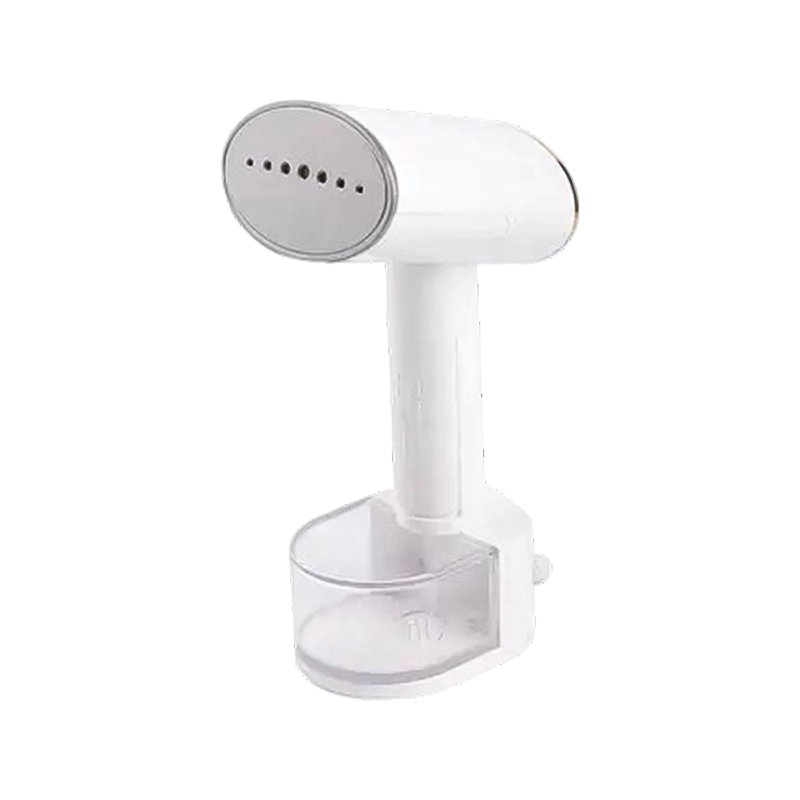
 Mini 2-in-1 Handheld Garment Steamer and Steam IronA 100 ml detachable-tank, 1000 W compact 2-in-1 for travel touch-ups; relevant where carton size and unit weight matter, with lower capacity as the trade-off.View Product →
A mini 2 in 1 model can serve travel and promotional channels where carton size and unit weight matter. The lower tank capacity is a trade-off, so the packaging should state the fill volume and the expected number of garments per tank.
Questions to put in the RFQ
- Which tests are performed on the rotating joint, and what is the pass mark?
- What is the steam recovery time after a burst at the highest setting?
- Which certificates are held by the factory and which are held by the importer?
- What is the spare-part policy for tanks, caps, soleplates, and displays?
- Can the carton and manual be customized without changing the tooling?
Common mistakes and a practical recommendation
The most common mistake is buying a 2 in 1 steam iron as a price-led item and treating the rotating joint as a cosmetic feature. It is a mechanical part that users will move every time they switch between hanging steam and flat pressing. If the joint is weak, the product will feel loose, the head may drift, and the return reason will be hard to argue.
The second mistake is ignoring the water path. A tank that is hard to fill, a cap that cross-threads, or a steam chamber that spits will generate complaints even when the soleplate is good. Ask for a live demo with a full tank, not a dry bench sample.
For most private-label programs, the practical choice is a rotatable model with a firm lock, clear steam levels, a stainless or well-finished aluminium soleplate, and a complete safety file. Start with one or two samples, run the checks in this guide, and only then move to tooling and packaging. That sequence keeps the specification honest and reduces the chance of a costly first shipment.
For exclusive deals and latest offers, sign up by entering your email address below.