русский
 Français
 한국어
한국어 عربى
عربى Español
 中文简体
中文简体Are Hanging Ironing Machines actually effective?
Admin 2026-06-19Content
- 1 How a Hanging Ironing Machine Works
- 2 Effectiveness by Fabric Type
- 3 Speed and Efficiency Compared to Flatbed Ironing
- 4 Physical Effort and Ergonomic Advantages
- 5 Limitations Where a Flatbed Iron Remains More Effective
- 6 Effectiveness in Commercial and Retail Applications
- 7 Energy and Water Considerations
- 8 Practical Guidance for Getting Effective Results
- 9 Overall Effectiveness Assessment
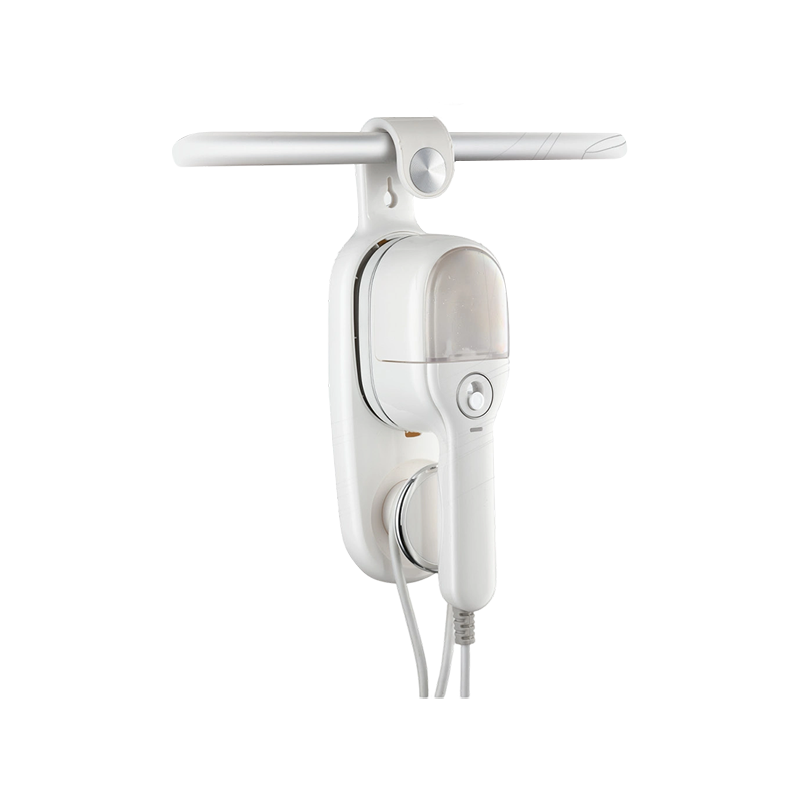
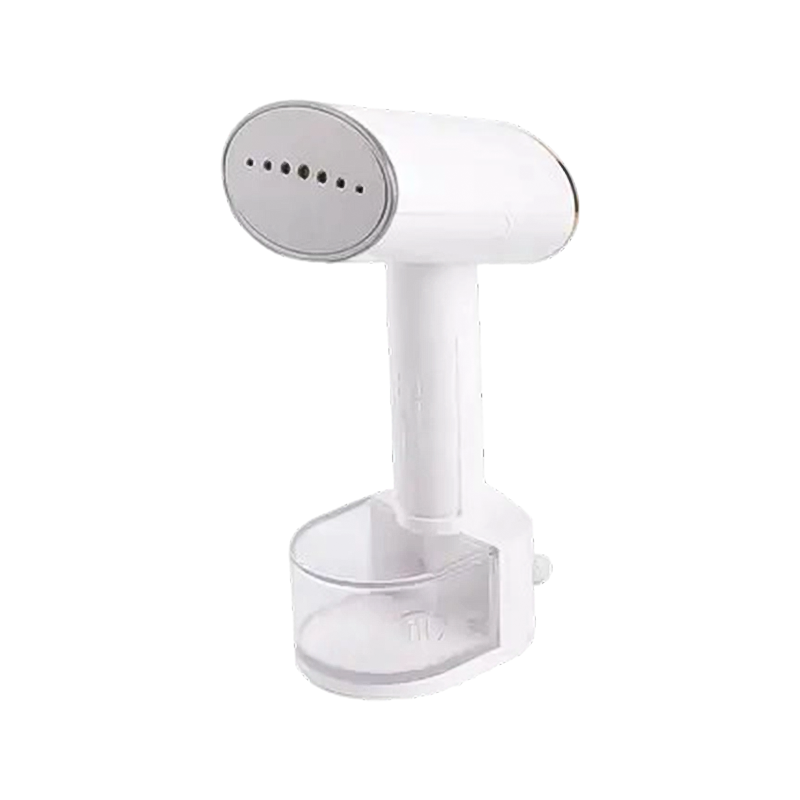
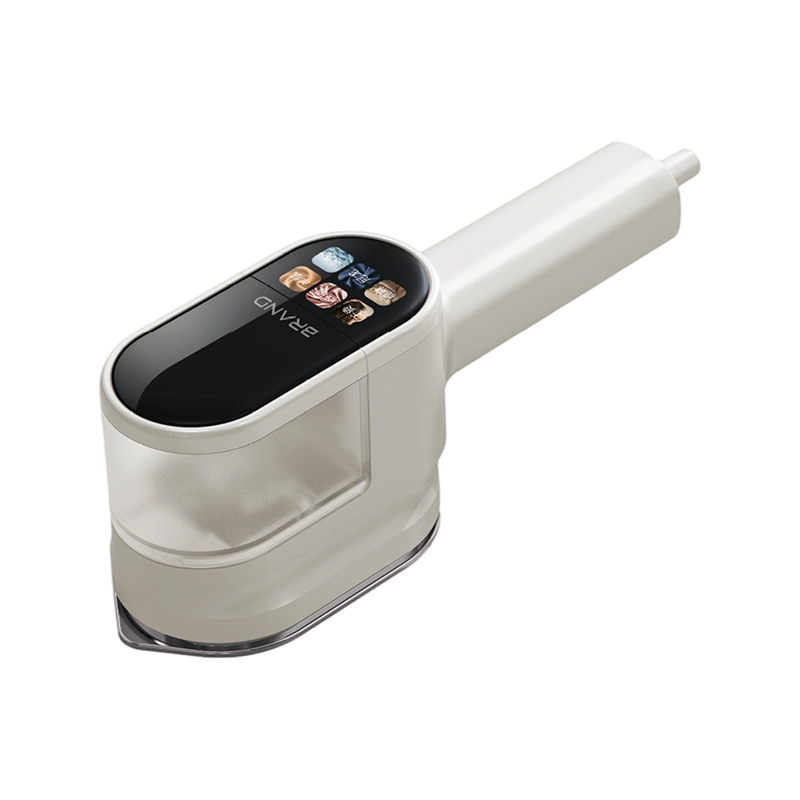
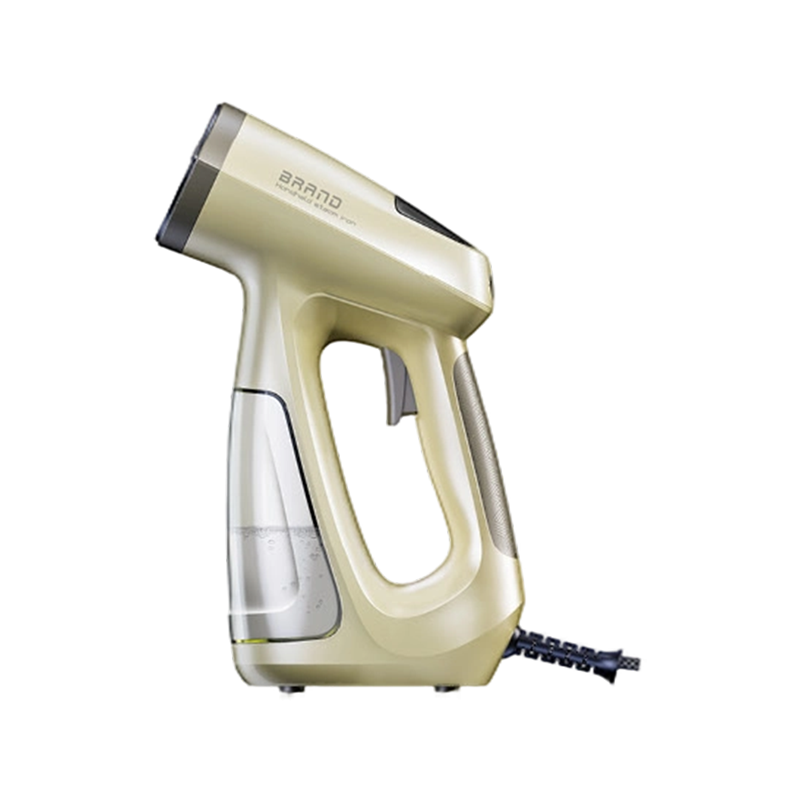
Yes, a Hanging Ironing Machine is genuinely effective at removing wrinkles, refreshing fabric, and pressing garments while they hang vertically, and for many fabric types and use cases it performs the task faster and with less physical effort than a traditional flatbed iron. The effectiveness of a hanging ironing machine depends primarily on the fabric type, the wrinkle severity, and whether the user needs a flat pressed crease or simply a smooth, wrinkle-free finish -- for the latter, which represents the majority of everyday garment care needs, hanging ironing machines deliver results that are functionally comparable to flatbed ironing in a fraction of the time and with substantially less physical strain.
The technology works through a combination of steam penetration and gentle mechanical tension or brushing action applied to a garment suspended on a hanger, rather than the direct pressure-and-heat contact method used by a conventional flatbed iron. This fundamentally different mechanism is both the source of the hanging ironing machine's key advantages and the explanation for the specific situations where a flatbed iron remains the better tool -- both of which are explored in detail throughout this article.
How a Hanging Ironing Machine Works
Understanding the mechanical and thermal principles behind hanging ironing machine technology explains why it achieves effective wrinkle removal without the direct pressing action of a traditional iron.
Steam Generation and Penetration
A hanging ironing machine uses an internal boiler or steam generator to produce continuous, high-temperature steam, typically in the range of 100 to 105 degrees C, which is delivered through a flexible hose to a garment hanger or pressing arm. The steam penetrates the fabric fibers, temporarily relaxing the hydrogen bonds between cellulose or protein fiber molecules that are responsible for holding a wrinkle's creased shape. Once relaxed, the fiber naturally returns toward its original, flat configuration under the combined influence of the garment's own weight and any light tension applied by the machine's hanger or arm assembly.
Mechanical Tension and Brushing Action
Many hanging ironing machine designs incorporate a clamping or tensioning mechanism at the base of the garment, gently pulling the fabric taut while steam is applied from above, which helps the relaxed fibers settle into a smooth, flat orientation as they cool. Some models add an integrated steam brush attachment that the user passes lightly over the fabric surface, combining steam penetration with a light mechanical brushing action that helps work out more stubborn wrinkles in heavier fabrics.
Continuous Steam Supply vs. Tank-Based Systems
Hanging ironing machines intended for retail, hospitality, or high-volume household use typically draw steam from a standing boiler reservoir capable of 30 to 90 minutes or more of continuous steam output before requiring a refill, compared to the smaller integrated water tanks of handheld steamers or flatbed irons that typically provide 10 to 20 minutes of steam before needing to be refilled. This continuous supply capability is a significant factor in the practical effectiveness of hanging ironing machines for processing multiple garments in a single session without interruption.
Effectiveness by Fabric Type
The effectiveness of a hanging ironing machine varies meaningfully depending on the fabric being treated, because different fiber types respond differently to steam penetration versus direct pressing heat and pressure.
| Fabric Type | Hanging Steamer Effectiveness | Notes |
|---|---|---|
| Silk and delicate synthetics | Excellent | Steam alone relaxes fibers without risk of scorching or shine marks |
| Wool and wool blends | Very good | Steam relaxes fibers effectively; light tension helps set the shape |
| Cotton dress shirts | Good for general wrinkles, limited for sharp creases | Removes general wrinkling well; collar and cuff creases may need touch-up |
| Linen | Moderate | Heavier wrinkles in linen often require longer steam exposure or flatbed finishing |
| Heavy denim and canvas | Limited | Dense weave resists fiber relaxation from steam alone |
| Suiting fabric (wool-poly blends) | Very good | Standard professional dry cleaning finishing method for jackets and suits |
Lightweight and medium-weight fabrics consistently show the best results with hanging ironing machines, while heavier, densely woven fabrics such as canvas, heavy denim, or stiff linen blends benefit from either extended steam exposure time or a finishing pass with a flatbed iron for the most demanding creases, such as a sharp trouser crease line.
Speed and Efficiency Compared to Flatbed Ironing
One of the most significant and measurable advantages of hanging ironing machines is the reduction in time required to process a typical garment compared to traditional flatbed ironing.
Industry data from commercial garment care and dry cleaning operations consistently shows that finishing a dress shirt on a flatbed press or with a handheld flatbed iron takes approximately 3 to 5 minutes per garment including setup, pressing each panel of the shirt individually, and adjusting the garment position multiple times during the process. A hanging ironing machine, by contrast, can typically process the same garment in 60 to 120 seconds, because the entire garment is treated simultaneously while hanging, without the need to reposition the fabric panel by panel as is required on a flat surface.
This time efficiency compounds significantly for households or businesses processing multiple garments in a single session. A household processing 8 to 10 garments per week can save a meaningful amount of weekly laundry care time by switching from flatbed ironing to a hanging ironing machine for the majority of everyday wrinkle removal tasks, reserving flatbed ironing only for garments requiring sharp, structured creases.
Physical Effort and Ergonomic Advantages
Beyond raw speed, hanging ironing machines offer a significant ergonomic advantage over flatbed ironing, which is a meaningful factor in their practical effectiveness for regular, sustained use.
Reduced Repetitive Strain
Flatbed ironing requires repeated pressing, lifting, and repositioning motions of the arm and shoulder over an extended ironing board surface, a repetitive physical activity that can contribute to shoulder, wrist, and lower back strain, particularly during extended ironing sessions or for users with pre-existing musculoskeletal conditions. Hanging ironing machines require the user to hold a lightweight steam wand or guide the fabric with a light brushing motion while standing in a natural posture, substantially reducing the physical demand of the task.
No Ironing Board Setup Required
The elimination of ironing board setup, positioning, and storage is a practical effectiveness factor that is easy to overlook but meaningfully affects how consistently a household or business actually uses their garment care equipment. Hanging ironing machines are typically used with the garment already on a standard hanger, positioned on the machine's built-in hanging rail or a nearby clothing rack, removing a setup step that for many users represents a real barrier to frequent ironing.
Limitations Where a Flatbed Iron Remains More Effective
An honest assessment of hanging ironing machine effectiveness requires acknowledging the specific tasks where a flatbed iron continues to outperform the hanging steam method, since no single garment care technology is universally superior across every use case.
- Sharp, structured creases: A precisely pressed trouser crease line or a sharply defined shirt collar point requires direct pressure and heat applied along a specific fold line, a result that the steam-and-gravity mechanism of a hanging ironing machine cannot reliably replicate. Flatbed ironing or a dedicated creasing press remains the appropriate tool for this specific finishing requirement.
- Heavily starched fabrics: Fabrics treated with starch for a stiff, crisp finish -- common in some formal shirt styles -- depend on the direct heat and pressure of flatbed ironing to properly set the starch and achieve the intended crisp texture; steam alone is insufficient to achieve this specific finish.
- Very heavy or densely woven fabrics: As shown in the fabric effectiveness comparison earlier in this article, heavy denim, thick canvas, and similarly dense weaves resist fiber relaxation from steam penetration alone and typically require the direct mechanical pressure of flatbed ironing to fully remove deep-set wrinkles.
- Small, intricate garment details: Detailed pleating, small decorative tucks, or intricate seam finishing on garments sometimes require the precision and direct control of a small flatbed iron tip to press accurately into tight spaces that a hanging steam system, designed to treat the overall garment surface, is not optimized to address.
For most households and many commercial garment care operations, the practical solution is to use a hanging ironing machine for the substantial majority of routine wrinkle removal and fabric refreshing tasks, while retaining a flatbed iron or a small travel iron for the specific finishing tasks listed above.
Effectiveness in Commercial and Retail Applications
Hanging ironing machines are widely used in commercial settings, and their adoption in these higher-volume, higher-stakes environments provides strong practical evidence of their genuine effectiveness beyond anecdotal household use.
Retail Garment Presentation
Clothing retailers, particularly in the fashion and apparel sector, widely use hanging steam finishing equipment to refresh garments that have developed wrinkles or creasing during shipping, storage, or customer try-on handling, restoring a fresh, presentation-ready appearance without the time cost of flatbed pressing each item individually. The speed advantage discussed earlier becomes a direct commercial efficiency benefit in this context, where staff time spent on garment presentation directly affects labor cost and sales floor productivity.
Hospitality and Hotel Operations
Hotels and hospitality businesses use hanging ironing machines for guest laundry services and for maintaining staff uniforms, valuing the speed and reduced physical effort benefits when processing high volumes of garments under time pressure. The continuous steam supply capability of commercial-grade hanging ironing machines, discussed earlier, is particularly valuable in this context, where uninterrupted processing of many garments in sequence is a practical operational requirement.
Dry Cleaning and Garment Care Services
Professional dry cleaning operations frequently use hanging steam finishing as either the primary finishing method for suits, dresses, and delicate garments, or as a preparatory step before final flatbed pressing of specific garment areas requiring sharp creases. This hybrid approach, used by experienced industry professionals who handle thousands of garments and have every commercial incentive to use the most efficient and effective method available, is itself strong evidence that hanging ironing technology delivers genuinely effective results for the majority of garment types it is applied to.
Energy and Water Considerations
Effectiveness is not solely about wrinkle removal performance -- resource efficiency is also a relevant practical consideration for users evaluating hanging ironing machines against flatbed alternatives.
Hanging ironing machines with continuous boiler systems generally consume more water per session than a small flatbed iron's integrated tank, simply because they are designed to produce steam continuously over a longer working session rather than for a single brief ironing task. However, because hanging ironing machines process garments significantly faster than flatbed ironing, as detailed earlier, the total energy consumption per garment processed is often comparable to or lower than flatbed ironing, since the heating element or boiler is active for a shorter total cumulative time across a typical garment care session, even though it may draw a higher continuous wattage while running.
Practical Guidance for Getting Effective Results
The actual effectiveness experienced by any individual user of a hanging ironing machine depends significantly on correct technique, and the following practices consistently improve results based on common usage guidance from garment care equipment manufacturers and professional finishing operations.
- Allow the boiler to reach full operating temperature before starting: Steam output and temperature stabilize after a warm-up period, typically a few minutes depending on the specific machine, and starting before full temperature is reached can result in inconsistent or insufficient steam penetration on the first few garments processed.
- Hang the garment with buttons fastened where applicable: Fastening shirt buttons before steaming helps the fabric hang with a more natural, even tension, allowing the steam-and-gravity relaxation process to work more effectively across the full garment surface.
- Work from top to bottom in a single smooth pass: Applying steam in a controlled top-to-bottom sequence, rather than randomly across the garment, allows gravity to assist the smoothing process as relaxed fibers settle downward, improving the overall finished appearance.
- Use the mechanical brush attachment for stubborn areas: For fabric sections that retain visible wrinkling after initial steam exposure, a light pass with an integrated steam brush attachment, where available, combines mechanical action with continued steam penetration to address more persistent creasing.
- Allow garments to cool and set before wearing or storing: Fibers that have been relaxed by steam need a short period to cool and re-stabilize in their new, flattened configuration; moving or compressing the garment immediately after steaming can reintroduce wrinkling before the fabric has had time to set.
Overall Effectiveness Assessment
Taking together the evidence on speed, ergonomic benefit, fabric-specific performance, and widespread professional adoption, hanging ironing machines are an effective garment care technology for the substantial majority of everyday fabric care needs, with clearly defined and predictable limitations for specific finishing tasks such as sharp creasing and starched fabrics. The technology is not a universal replacement for every flatbed ironing function, but it is a genuinely effective and, for most users and most garments, a superior solution for routine wrinkle removal, fabric refreshing, and garment presentation across household, retail, and hospitality applications.
For users evaluating whether to adopt a hanging ironing machine for household or commercial use, the practical decision point is whether the majority of their garment care needs fall into the categories where hanging steam technology performs well -- general wrinkle removal across lightweight to medium-weight fabrics -- or whether their needs are dominated by structured creasing and heavy fabric pressing, where a flatbed iron remains the more appropriate primary tool. The Hanging Ironing Machine range designed for both household and commercial garment care applications is engineered to deliver the continuous steam output, fabric versatility, and ease of use that make this technology an effective solution across the wide range of fabric care scenarios discussed throughout this article.
For exclusive deals and latest offers, sign up by entering your email address below.