русский
 Français
 한국어
한국어 عربى
عربى Español
 中文简体
中文简体Which types of clothing are suitable for Hanging Ironing Machine?
Admin 2026-06-26Content
- 1 Dress Shirts and Blouses
- 2 Suits, Blazers, and Tailored Jackets
- 3 Dresses, Skirts, and Evening Wear
- 4 Silk and Delicate Synthetic Fabrics
- 5 Knitwear and Sweaters
- 6 Curtains, Drapes, and Soft Furnishings
- 7 Garments Less Suited to Hanging Steam Treatment Alone
- 8 Everyday Casual Wear: A Strong General-Purpose Match
- 9 Fabric Weight as the Key Determining Factor
- 10 Choosing the Right Garment Care Approach for a Mixed Wardrobe
A Hanging Ironing Machine is best suited to lightweight and medium-weight garments that hang naturally on a hanger and rely on overall smoothness rather than sharp structural creases -- this includes dress shirts and blouses, silk and satin garments, suits and blazers, dresses, knitwear, curtains and soft furnishings, and most everyday casual wear made from cotton, polyester, viscose, or wool blends. Garments that require a precise pressed crease line, heavy starching, or treatment of very dense, stiff fabrics are less suited to hanging steam treatment alone and typically achieve better results with a flatbed iron or a combination of both methods.
The underlying principle is straightforward: a hanging ironing machine relaxes fabric fibers through steam penetration and uses gravity and light tension to settle the fabric into a smooth shape, rather than applying direct pressure along a fold line the way a flatbed iron does. This means the technology performs best on garments where the desired outcome is overall wrinkle removal and a smooth, fresh appearance, and performs less well where the desired outcome is a sharply defined, pressed edge. The sections below provide a detailed breakdown of specific garment categories and the practical considerations for each.
Dress Shirts and Blouses
Dress shirts and blouses are among the most common and most effectively treated garment types on a hanging ironing machine, representing a significant proportion of daily garment care needs in both household and professional settings.
The body and sleeves of a dress shirt -- which make up the majority of the garment's visible surface area -- respond very well to steam relaxation while hanging, achieving a smooth, wrinkle-free finish in under two minutes per garment for most cotton, cotton-polyester blend, and viscose shirt fabrics. The collar and cuffs, which are typically reinforced with interfacing and benefit from a firmer, more structured finish, can be lightly touched up with a quick flatbed iron pass if a crisper edge is desired, though many users find the steam-finished collar and cuff acceptable for everyday wear without additional pressing.
Blouses made from lighter fabrics such as viscose, rayon, or polyester crepe are particularly well suited to hanging steam treatment, as these fabrics can be prone to shine marks or heat damage from direct flatbed iron contact at higher temperature settings -- a risk that hanging steam treatment avoids entirely since the fabric never makes direct contact with a heated plate.
Suits, Blazers, and Tailored Jackets
Hanging ironing machines are the standard finishing method used by professional tailors and dry cleaners for suits, blazers, and structured tailored jackets, making this garment category one of the strongest practical endorsements of the technology's effectiveness.
Why Hanging Steam Suits Tailored Garments
Tailored jackets are constructed with internal structural elements -- shoulder padding, chest canvas, lapel interfacing -- that are specifically designed to be shaped and supported on a hanger rather than flattened on an ironing board. Pressing a structured jacket flat on a board can distort or flatten these internal structural elements, gradually degrading the garment's intended silhouette over repeated ironing sessions. Hanging steam treatment, by contrast, allows the jacket to hang in its natural, structured shape while steam removes surface wrinkling, preserving the garment's tailored construction over its full service life.
Wool and Wool-Blend Suiting Fabric
Wool fiber responds particularly well to steam treatment because wool's natural fiber structure relaxes readily under moist heat and re-stabilizes effectively once cooled, which is the same principle used in traditional wool pressing and blocking techniques in tailoring. According to industry guidance from the Drycleaning and Laundry Institute (DLI, dlionline.org), steam finishing is the recommended primary method for wool suiting garments, with flatbed pressing reserved for specific structural seams or edges requiring a sharper finish.
Dresses, Skirts, and Evening Wear
Dresses, skirts, and formal evening wear are generally well suited to hanging ironing machine treatment, particularly for garments with pleating, draping, or flowing silhouettes that are difficult or impossible to lay flat on an ironing board without disturbing their intended shape.
- A-line and flared dresses: The flared shape of these garments cannot be effectively flattened for board ironing without significant repositioning; hanging steam treatment addresses the entire garment shape simultaneously while it hangs in its natural form.
- Pleated skirts and dresses: Permanently set pleats benefit from hanging steam treatment that refreshes the fabric without disturbing the pleat structure, whereas flatbed ironing risks flattening or distorting pleats that were set using a specific heat-pressing or chemical-setting process during manufacturing.
- Evening gowns and formal wear: Long formal garments are simply impractical to iron on a standard ironing board due to their length; hanging steam treatment is the only practical home or commercial finishing method for many full-length formal garments.
- Bridesmaid and bridal preparation garments: Wedding industry professionals widely use hanging steam equipment to finish bridal party garments immediately before events, valuing both the speed and the gentle treatment of often delicate fabrics under significant time pressure.
Silk and Delicate Synthetic Fabrics
Silk, satin, chiffon, and delicate synthetic fabrics represent one of the categories where hanging ironing machines offer a clear performance and safety advantage over flatbed ironing, due to the heat sensitivity of these materials.
Silk fiber can be damaged by excessive direct heat, developing a permanent shine or scorch mark if a flatbed iron is used at too high a temperature or held in direct contact for too long. Because hanging ironing machines apply heat only through steam vapor rather than direct contact with a heated plate, the risk of this type of heat damage is substantially reduced. Fabric care guidance from textile industry bodies generally recommends steam treatment over direct ironing for silk and similarly delicate synthetic fabrics wherever a steam option is available, specifically because of this reduced heat damage risk.
Chiffon and other very lightweight, sheer fabrics are similarly well suited to hanging steam treatment, both because of heat sensitivity and because these fabrics are often difficult to handle and position accurately on a flatbed ironing board without stretching or distorting the delicate weave.
Knitwear and Sweaters
Knitwear presents a special case where hanging steam treatment offers a clear advantage over flatbed ironing, related directly to the structural properties of knitted fabric construction.
Knitted fabrics are constructed from interlocking loops rather than the woven crossing threads found in shirt or trouser fabric, and this loop structure can be permanently stretched or distorted by the direct pressure and dragging motion of flatbed ironing, particularly if the iron is moved across the fabric surface while pressing. Hanging steam treatment avoids this risk entirely, as no direct pressure or dragging motion is applied to the garment surface -- the steam simply relaxes the fiber and allows gravity to settle the knit back into its natural, undistorted shape.
Wool and cashmere sweaters benefit particularly from this gentler treatment approach, as these fibers can also felt or develop a matted texture if subjected to excessive direct heat and pressure, a risk that hanging steam treatment minimizes while still effectively removing storage wrinkles and creases.
Curtains, Drapes, and Soft Furnishings
Household soft furnishings -- curtains, drapes, decorative throws, and similar large fabric items -- are exceptionally well suited to hanging ironing machine treatment, often more so than to any flatbed alternative.
Curtains and drapes are typically far too large to position on a standard ironing board, and removing them from their hanging rail for board ironing is impractical for most households. Hanging steam treatment allows curtains to be steamed directly while hanging in place on their rail or rod, removing transport wrinkles, storage creases, or general wrinkling that develops over time, without ever needing to take the curtains down. This is one of the clearest examples of a garment or textile category where hanging steam treatment is not simply an alternative to flatbed ironing, but the only genuinely practical method available for most households.
Garments Less Suited to Hanging Steam Treatment Alone
A complete and accurate answer to which clothing types suit a hanging ironing machine requires identifying the garment types and finishing requirements where the technology is less effective on its own, so users can set realistic expectations and combine methods appropriately where needed.
| Garment or Fabric | Hanging Steam Suitability | Reason and Recommended Approach |
|---|---|---|
| Suit trousers (crease line) | Limited for the crease itself | Body wrinkles steam well; the sharp crease line needs flatbed pressing |
| Heavily starched formal shirts | Limited | Starch finish requires direct heat and pressure to set properly |
| Heavy denim jeans | Limited | Dense weave resists steam fiber relaxation; flatbed pressing more effective |
| Canvas workwear | Limited | Stiff, dense fabric needs direct mechanical pressure to flatten |
| Heavily pleated school uniform skirts | Moderate | Steam refreshes pleats but may need occasional flatbed touch-up for sharpness |
| Small decorative details and appliques | Limited precision | Hanging steam treats overall garment surface; small iron tip needed for fine detail |
Everyday Casual Wear: A Strong General-Purpose Match
Beyond the specific categories discussed above, the broad category of everyday casual wear -- t-shirts, casual cotton or linen-blend shirts, casual dresses, light jackets, and similar everyday garments -- generally represents a strong overall match for hanging ironing machine treatment, since most casual wear prioritizes a smooth, fresh appearance over the structured, sharply pressed finish associated with formal business attire.
For households where the majority of garment care needs fall into this everyday casual category, a hanging ironing machine can realistically replace flatbed ironing for the substantial majority of weekly laundry care tasks, with a flatbed iron retained only for the smaller number of garments requiring sharp creases or starched finishes, such as business shirts and suit trousers.
Fabric Weight as the Key Determining Factor
Across all the specific garment categories discussed throughout this article, fabric weight emerges as the single most reliable predictor of how well a given item will respond to hanging steam treatment, more so even than the specific garment type or category.
- Lightweight fabrics (under approximately 120 grams per square meter): Silk, chiffon, voile, lightweight viscose, and similar fine fabrics respond extremely well to steam relaxation, typically achieving a fully smooth finish from steam alone without requiring any mechanical pressing assistance.
- Medium-weight fabrics (approximately 120 to 200 grams per square meter): Standard dress shirt cotton, wool suiting, knitwear, and most everyday garment fabrics fall into this range and generally achieve good to very good results with hanging steam treatment, sometimes benefiting from the mechanical brush attachment for more stubborn wrinkled areas.
- Heavyweight fabrics (above approximately 200 grams per square meter): Denim, canvas, heavy wool coating, and similarly dense fabrics show reduced effectiveness from steam alone, as the increased fiber density and fabric mass resist the gentle relaxation effect of steam penetration, generally requiring either extended steam exposure time or flatbed pressing to achieve a fully wrinkle-free result.
Choosing the Right Garment Care Approach for a Mixed Wardrobe
Most households and many businesses manage a wardrobe or garment inventory containing a mix of the fabric types and garment categories discussed throughout this article, meaning the most practical real-world approach is typically a combination strategy rather than relying exclusively on one method.
A practical approach used successfully by many households and professional garment care operations is to sort garments by their primary finishing requirement: items needing overall smoothness and freshness -- the majority of dress shirts, blouses, suits, dresses, knitwear, and casual wear -- are processed efficiently through hanging steam treatment, while the smaller number of items requiring sharp structural creases or starched finishes -- primarily suit trousers and certain formal shirts -- receive a brief flatbed iron finishing pass either before or after the hanging steam treatment, depending on the specific garment construction. This combined approach captures the substantial time and effort savings of hanging steam technology for the bulk of routine garment care, while still achieving the specific finishing results that certain garment types require.
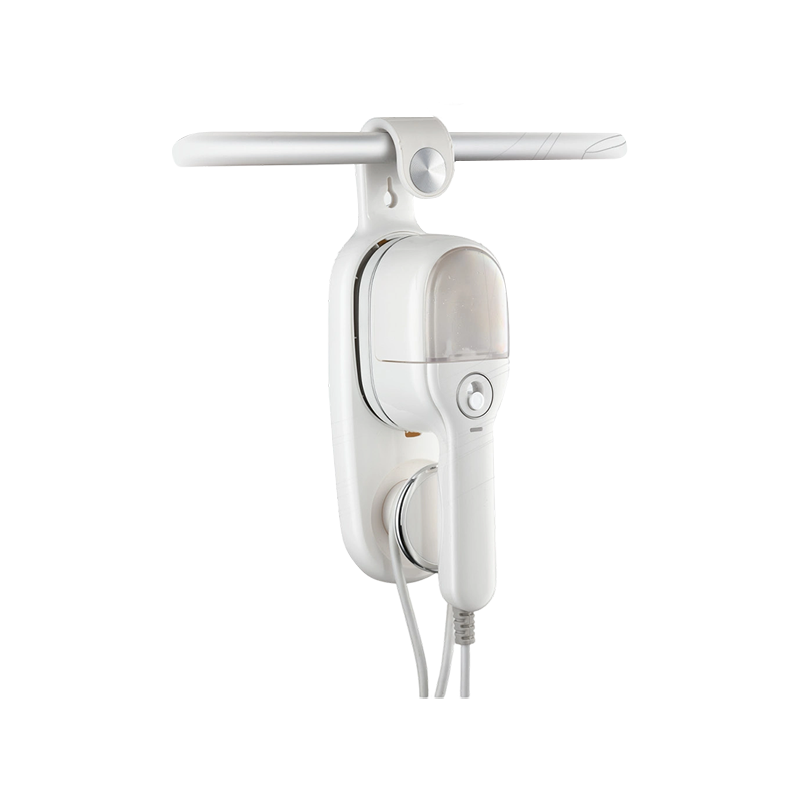
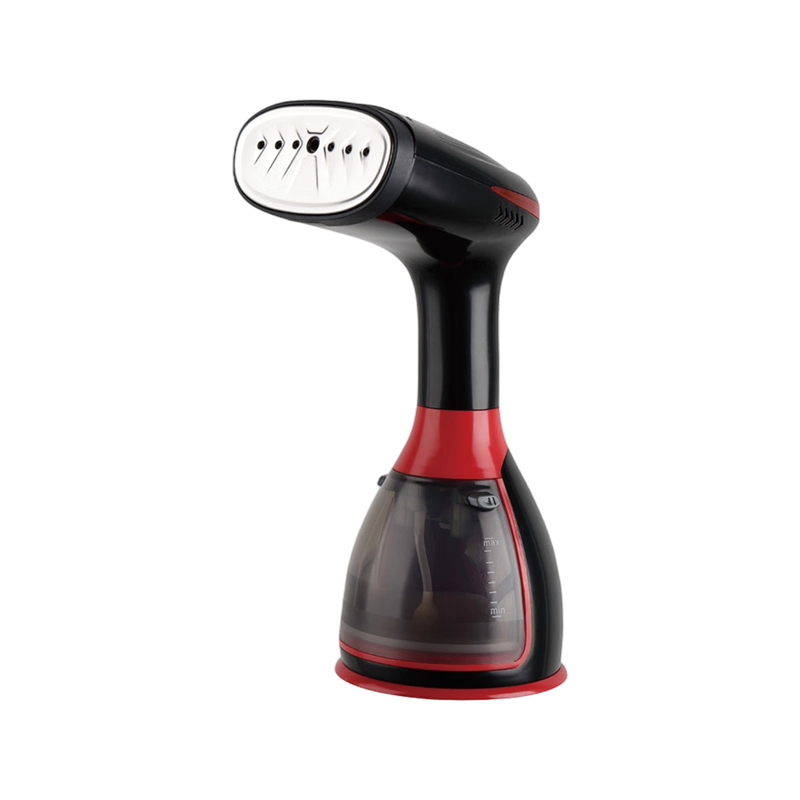
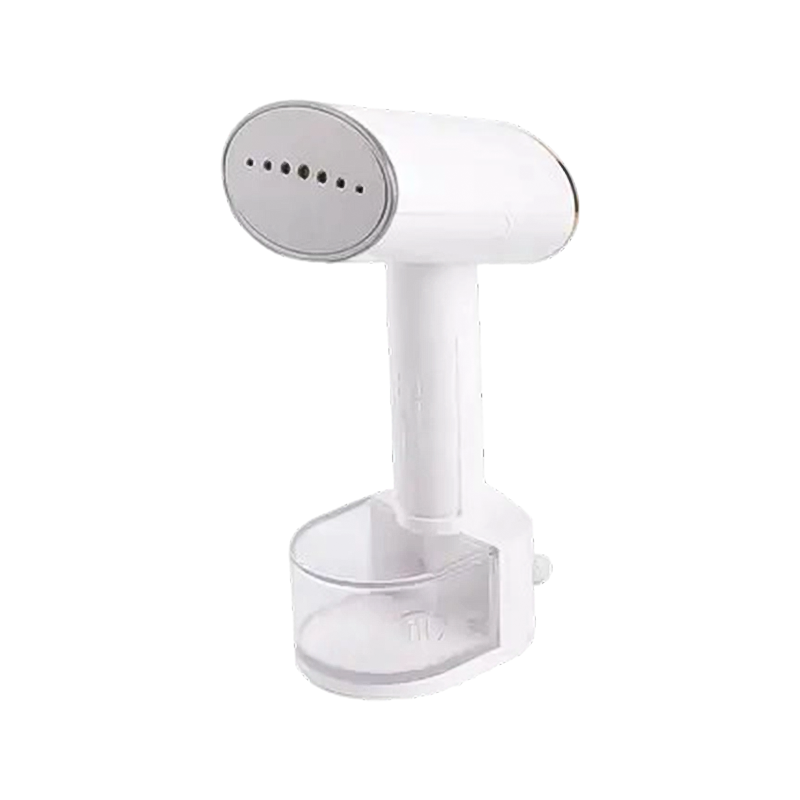
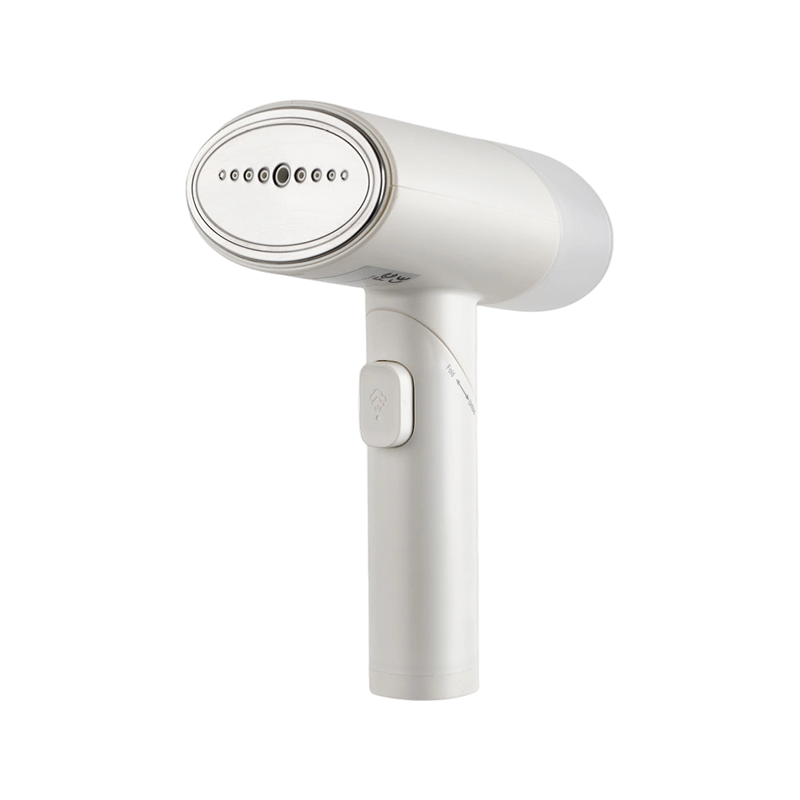
For households or businesses evaluating which garment care equipment best matches their specific wardrobe composition and finishing needs, the Hanging Ironing Machine range is designed to handle the wide variety of fabric types and garment categories discussed throughout this article, from delicate silk blouses through tailored suit jackets to everyday casual wear, supporting an efficient and gentle approach to the majority of routine garment care tasks.
For exclusive deals and latest offers, sign up by entering your email address below.