русский
 Français
 한국어
한국어 عربى
عربى Español
 中文简体
中文简体Which type of Steam Iron is best?
Admin 2026-07-03Content
- 1 The Main Types of Steam Iron: What Sets Each One Apart
- 2 Steam Output: The Single Most Important Performance Specification
- 3 Soleplate Materials: How the Contact Surface Affects Ironing Quality
- 4 Wattage and Heat-Up Time: What the Numbers Mean in Practice
- 5 Water Tank Design: Capacity, Refill Convenience, and Anti-Calc Systems
- 6 Steam Generator Irons vs. Standard Steam Irons: A Detailed Comparison
- 7 Key Features to Look for When Choosing a Steam Iron
- 8 Steam Iron Selection by Fabric Type and Use Case
- 9 Proper Use and Maintenance for Long Steam Iron Service Life
- 10 What to Look for in a Quality Steam Iron: A Summary Checklist
The best type of Steam Iron depends on your specific needs, but for most households the corded steam iron with a ceramic or stainless steel soleplate, a steam output of 30 to 50 g/min, and a wattage of 2,000 to 2,600 W delivers the ideal balance of performance, convenience, and value. If you iron large volumes of laundry regularly, a steam generator iron with a separate water tank producing 100 to 120 g/min of continuous steam is significantly faster. If portability and occasional touch-up ironing are the priority, a cordless or travel steam iron serves those needs better. The sections below compare every major steam iron type across the criteria that matter most in daily use, supported by specific performance data to guide your choice.
The Main Types of Steam Iron: What Sets Each One Apart
Steam irons are not a single product category but a family of related appliances that differ significantly in water tank design, steam generation method, power supply, and intended use context. Understanding these fundamental differences is the first step toward selecting the type that matches your laundry routine.
Corded Steam Irons
A corded steam iron is the standard household iron: a single unit containing the heating element, soleplate, and water reservoir, powered by a continuous mains electricity connection. When the thermostat reaches the set temperature, water from the reservoir is dripped or pumped onto the heating element, vaporized into steam, and discharged through holes in the soleplate onto the fabric. Corded steam irons are available across the widest wattage range — from approximately 1,200 W for budget models to 3,200 W for high-performance units — and represent the largest segment of the global iron market, accounting for approximately 68% of household iron sales by volume in 2022 (Source: Statista, Global Iron Market Overview, 2023).
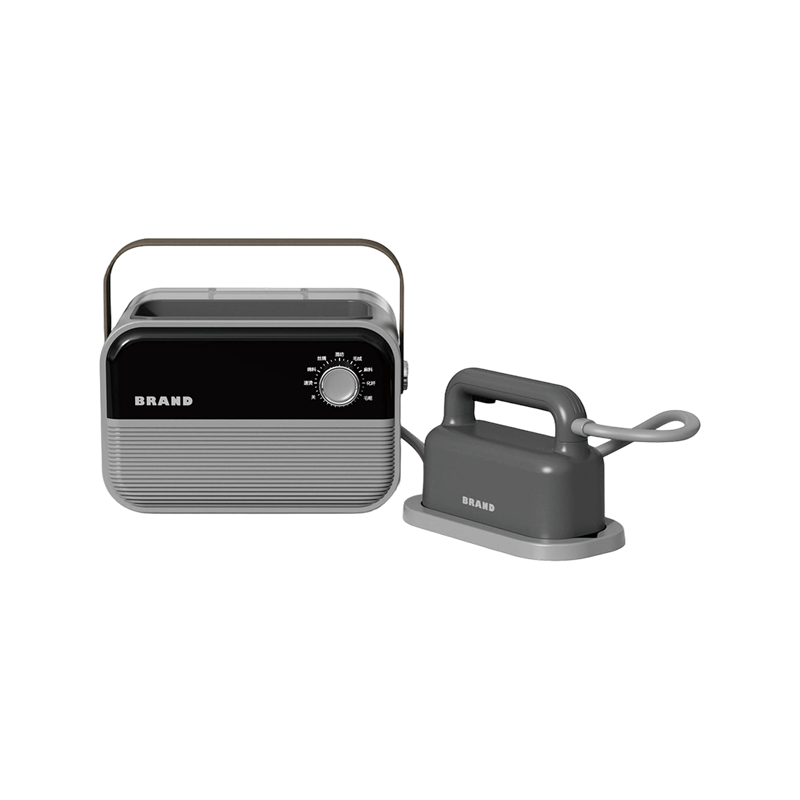
Steam Generator Irons
A steam generator iron separates the water tank from the iron head. A large pressurized boiler unit sits on the ironing board or a separate stand, generating steam at high pressure and delivering it to the iron head through a hose. The iron head itself is lighter than a conventional iron because it carries no water, and the external boiler can hold 1.5 to 2.5 liters of water — enough for 90 to 120 minutes of continuous steaming without refilling. Steam output is dramatically higher than a conventional iron, typically 100 to 160 g/min, compared with 30 to 50 g/min for a standard corded iron.
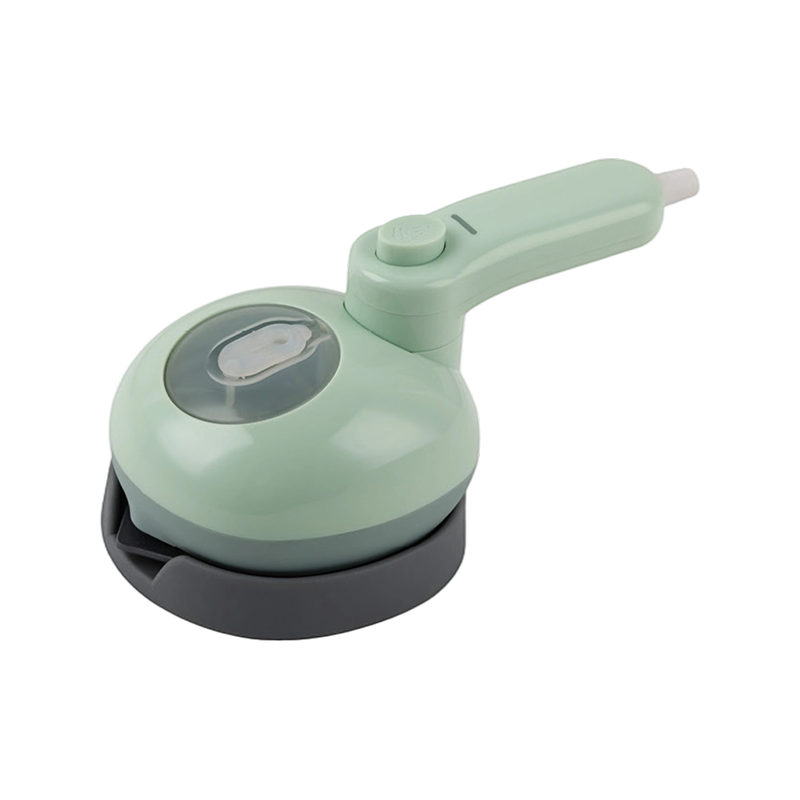
Cordless Steam Irons
Cordless steam irons use a charging base that heats the iron to operating temperature. The iron is lifted from the base for use, operates on stored thermal energy for a period of approximately 30 to 60 seconds per charge cycle, and is then returned to the base for rapid recharging while the user moves the ironing board position or repositions the garment. Modern cordless irons can cycle between the base and the fabric 10 to 20 times per minute without noticeable performance loss, effectively eliminating the cord-management burden of conventional ironing.
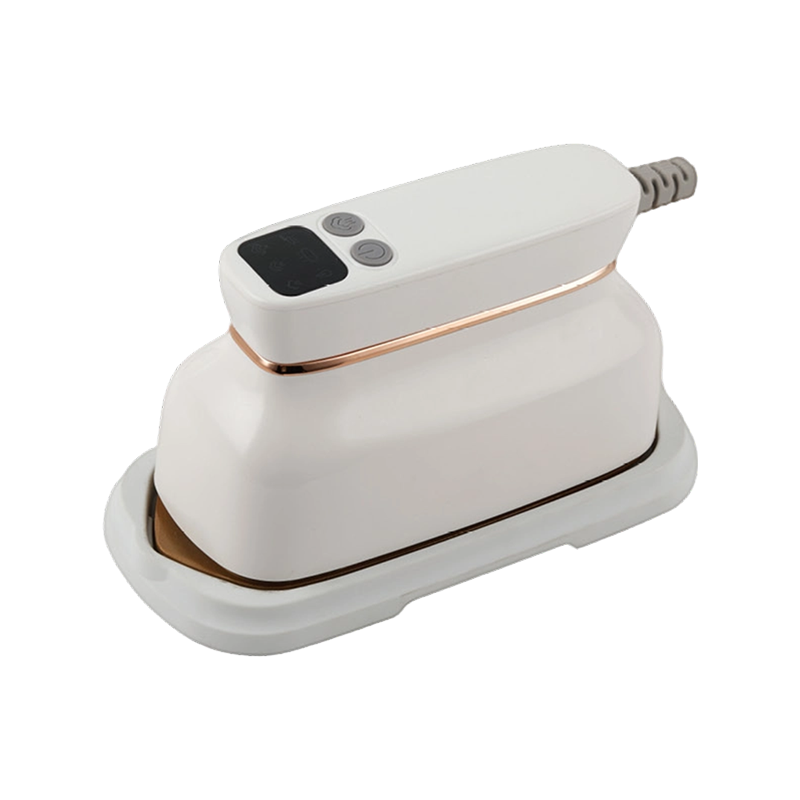
Travel Steam Irons
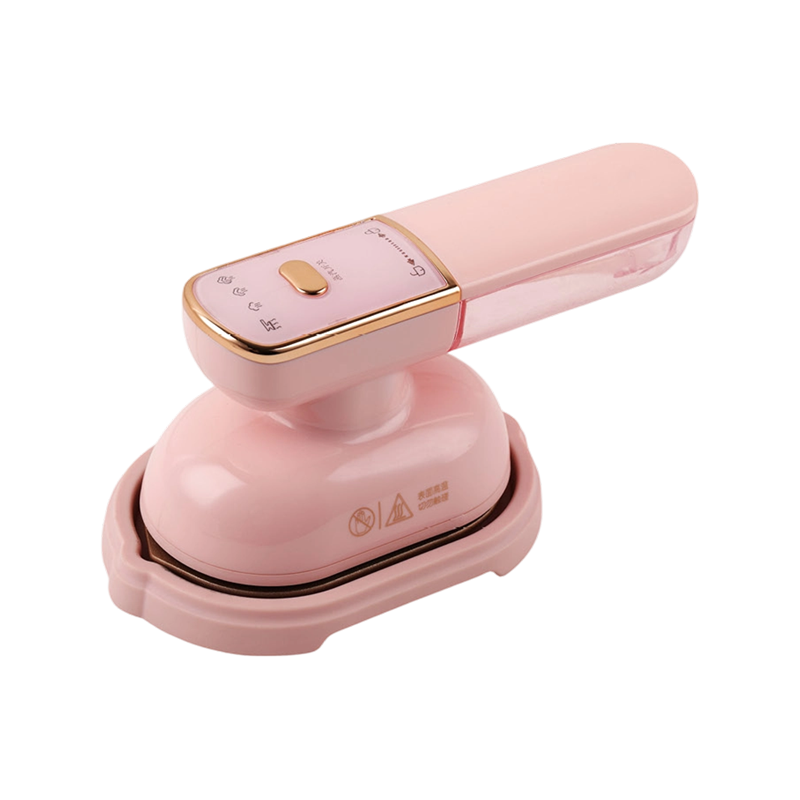
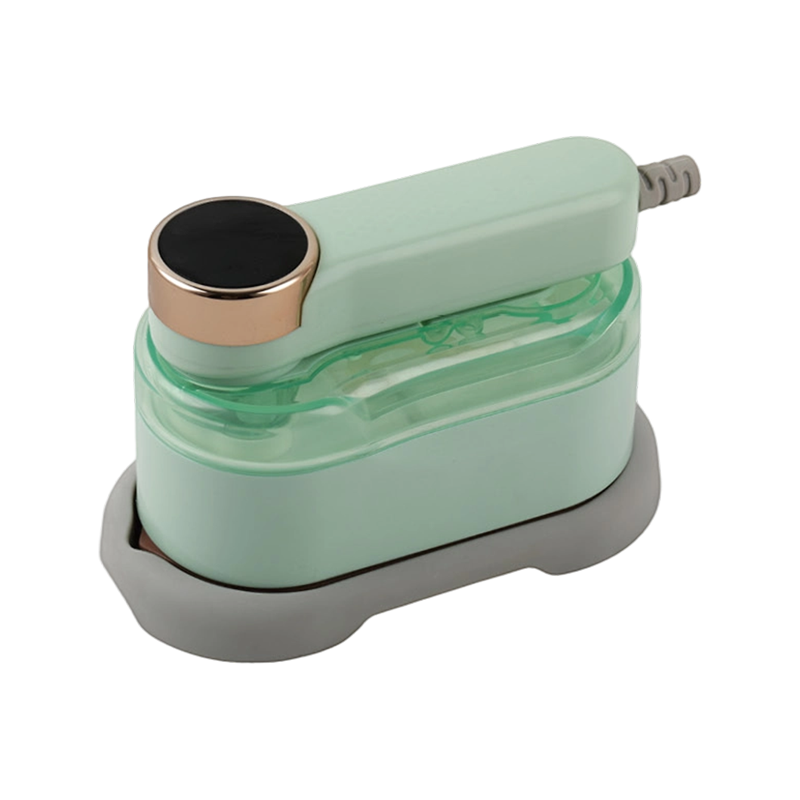
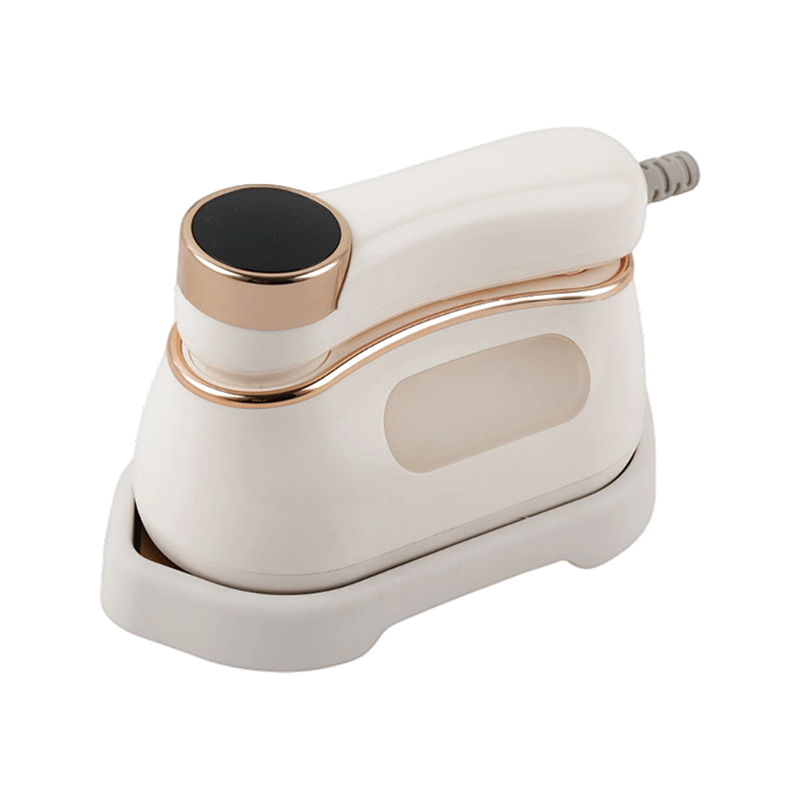
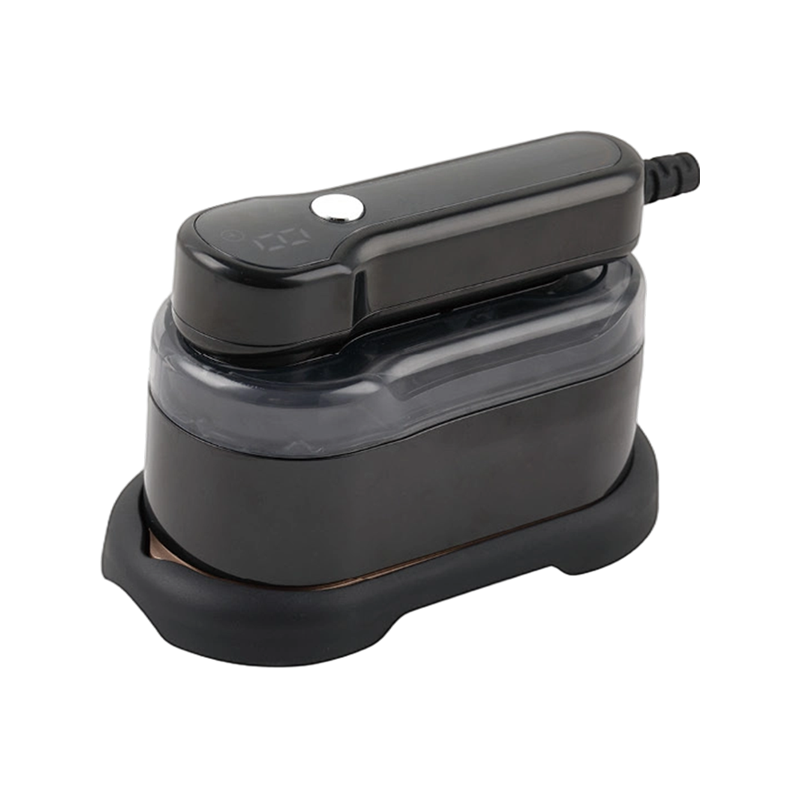
Travel irons are compact, lightweight irons designed for portability. They typically weigh 300 to 700 g — versus 1,000 to 1,500 g for a full-size iron — and fold or collapse for packing in a suitcase. Many travel steam irons include dual-voltage switching (110 V and 220-240 V) for international use. Power ratings are typically 1,000 to 1,500 W, which limits steam output and heat recovery speed relative to full-size models but is adequate for touch-up ironing of dress shirts, blouses, and suit jackets.
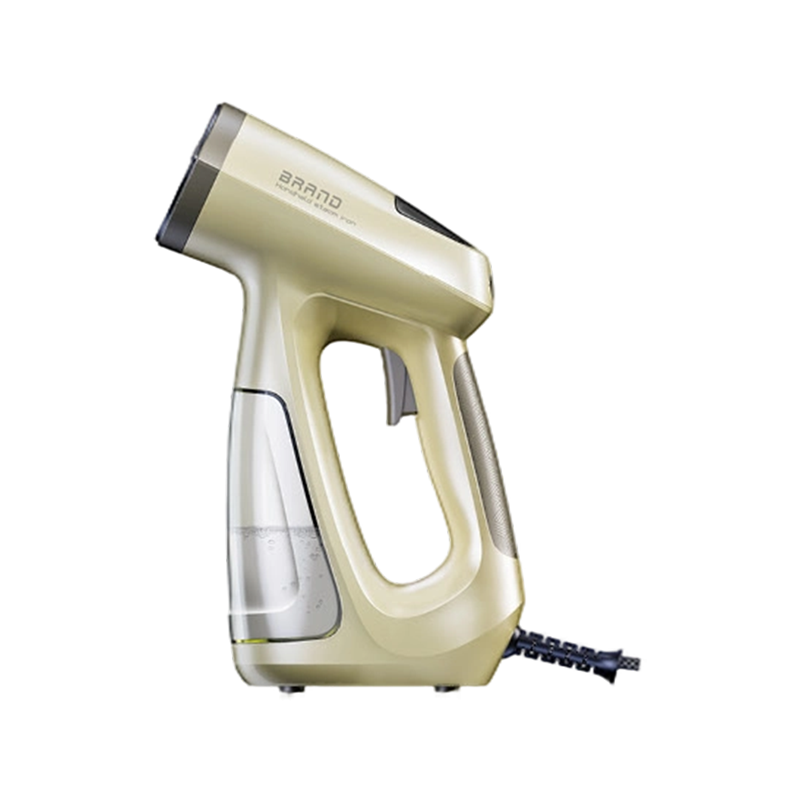
Garment Steamers
While not technically an iron, garment steamers are frequently compared with steam irons when buyers are making a purchase decision. A garment steamer directs a continuous flow of steam onto a hanging garment, relaxing fabric fibers without applying pressure or contact heat. Steamers are highly effective at removing wrinkles from delicate fabrics — silk, chiffon, velvet — that cannot be pressed with a hot iron soleplate. They are less effective than irons at creating crisp pressed creases in trousers, shirt collars, and cuffs.
Steam Output: The Single Most Important Performance Specification
Steam output — measured in grams of steam per minute (g/min) — is the single specification that most directly determines an iron's ability to remove wrinkles from dense, heavy, or heavily creased fabrics. It is the number to compare first when evaluating steam iron models, before wattage, weight, or soleplate material.
How Steam Output Affects Ironing Performance
Steam works by penetrating fabric fibers, relaxing the hydrogen bonds between fiber molecules that hold a wrinkle in place, and allowing the weight of the soleplate to press the fiber into a smooth configuration. Higher steam output means more moisture penetrates the fabric per unit time, which means deeper wrinkle relaxation in fewer passes of the iron. A cotton dress shirt that requires 4 to 6 passes with a 20 g/min iron can typically be pressed smooth in 2 to 3 passes with a 40 g/min iron, cutting ironing time by 30 to 40%.
The practical implication is that steam output is particularly important for:
- Heavy cotton and linen: These dense natural fiber fabrics absorb moisture readily and benefit most from high steam output; a minimum of 35 g/min is recommended for regular linen ironing
- Heavily creased garments: Clothes that have been packed in a suitcase or stored compressed in a drawer require higher steam penetration to release the set creases
- Denim and canvas: These fabrics require both high heat and high steam to press effectively; a steam generator iron is often the most practical choice
- Vertical steaming of hanging garments: Many irons include a vertical steam function for steaming curtains, suit jackets, and hanging dresses; this requires at least 25 to 30 g/min of continuous steam to be effective
Steam Output by Iron Type
| Iron Type | Typical Continuous Steam (g/min) | Typical Steam Burst (g/min) | Best Fabric Category |
|---|---|---|---|
| Budget corded steam iron | 15 to 25 | 80 to 100 | Synthetics, light cotton |
| Mid-range corded steam iron | 30 to 45 | 120 to 160 | Cotton, mixed fabrics |
| High-performance corded iron | 45 to 60 | 180 to 250 | Heavy cotton, linen, denim |
| Steam generator iron | 100 to 160 | Continuous at full rate | All fabrics including heavy linen |
| Cordless steam iron | 20 to 35 (during use cycle) | 80 to 120 | Light to medium weight fabrics |
| Travel steam iron | 10 to 20 | 40 to 80 | Light fabrics; touch-up work |
Soleplate Materials: How the Contact Surface Affects Ironing Quality
The soleplate — the flat metal surface that contacts the fabric — is the most important quality differentiator between irons at similar power and steam output levels. It determines glide quality, heat distribution evenness, scratch and stick resistance, and durability over years of use.
Stainless Steel Soleplates
Stainless steel is the standard soleplate material in mid-range and premium irons. It offers excellent heat conductivity, good corrosion resistance, and a naturally smooth surface that glides well on most fabrics. High-polish stainless steel soleplates — sometimes called mirror-finish or polished steel — have particularly low friction coefficients, making them fast and effortless on smooth fabrics including silk and polyester. Stainless steel is durable and easy to clean; most mineral deposits and fabric residues can be removed with a damp cloth and mild abrasive.
The limitation of plain stainless steel is that it can scratch or leave marks on delicate fabrics if the temperature is set too high, and it is susceptible to surface dulling over time from mineral deposits in the steam ports. A quality stainless steel soleplate from a reputable manufacturer maintains its glide characteristics for 5 to 10 years of regular household use.
Ceramic Soleplates
Ceramic-coated soleplates apply a thin layer of ceramic compound — typically aluminum oxide or titanium-reinforced ceramic — over a steel substrate. The ceramic coating provides a harder, smoother surface than plain stainless steel, with lower friction and better scratch resistance. Ceramic soleplates distribute heat very evenly across the contact surface, reducing the risk of hot spots that can leave shine marks on wool or delicate synthetic fabrics. They are also easier to clean than plain steel, as the non-stick properties of the ceramic surface prevent most fabric finishes and starch residues from adhering.
The primary concern with ceramic soleplates is the durability of the coating. A thin ceramic coating on a low-quality iron may chip or develop hairline cracks within 12 to 18 months of regular use, particularly if the iron is dropped or knocked against a hard surface. Premium ceramic coatings on quality irons are significantly thicker and more impact-resistant, maintaining their performance characteristics for the full service life of the appliance.
Titanium and Diamond-Coated Soleplates
Titanium-coated and diamond-particle-reinforced soleplates represent the premium end of the soleplate technology spectrum. These coatings are applied to a stainless steel substrate using physical vapor deposition (PVD) or electrostatic deposition techniques, creating surface hardness values typically 4 to 8 times harder than plain stainless steel. The practical result is exceptional scratch resistance, near-zero friction on all fabric types including delicate silks, and easy-clean properties that require only a wipe with a damp cloth to restore the soleplate to factory condition after normal use.
Aluminum Soleplates
Aluminum soleplates are found on budget irons and some older designs. Aluminum heats up quickly due to its high thermal conductivity, but it is significantly softer than steel — scratching easily and developing a rough surface over time that catches on fabric fibers. Aluminum is also more reactive with mineral deposits, and the scale buildup inside the steam ports of aluminum-soled irons can be difficult to clean without damaging the soleplate surface. For any iron intended to provide more than 12 to 18 months of regular use, an aluminum soleplate is not recommended.
Wattage and Heat-Up Time: What the Numbers Mean in Practice
Wattage determines how quickly a steam iron reaches operating temperature from cold and how rapidly it recovers between steam bursts. It also constrains the maximum soleplate temperature achievable and the sustainability of continuous steam output at high levels.
The Relationship Between Wattage and Heat-Up Time
A higher-wattage iron heats its soleplate more quickly from cold, which reduces the wait time before ironing can begin, and recovers its temperature more quickly after a steam burst or cold-fabric contact cools the soleplate. Standard heat-up times by wattage range:
- 1,200 to 1,600 W: Approximately 2.5 to 4 minutes from cold to maximum temperature; slow temperature recovery between steam bursts on heavy fabrics
- 1,800 to 2,200 W: Approximately 1.5 to 2.5 minutes; adequate temperature recovery for continuous ironing of medium-weight fabrics
- 2,400 to 2,800 W: Approximately 45 seconds to 1.5 minutes; rapid recovery suitable for continuous high-volume ironing of heavy fabrics
- 3,000 W and above: Under 30 seconds heat-up; near-instant recovery; typically found in semi-professional and professional-grade irons
Wattage and Steam Quality
There is a direct relationship between wattage and steam quality in standard corded irons. Generating 40 g/min of dry steam from the 30 to 50 mL of water per minute that represents high continuous steam output requires sufficient thermal power to vaporize that water without causing the soleplate to cool below the minimum effective temperature. An iron producing 40 g/min of steam output at 1,500 W will produce wet, low-pressure steam that deposits water droplets on the fabric rather than dry steam that penetrates the fiber — a phenomenon sometimes described as "spitting." The same 40 g/min output at 2,400 W produces consistent, dry, high-pressure steam that performs correctly.
As a practical purchasing guideline: if a steam iron's advertised steam output exceeds approximately 20 g/min per 1,000 W of power rating, the steam quality claims should be treated skeptically, as the power budget is insufficient to vaporize the claimed water volume to dry steam.
Water Tank Design: Capacity, Refill Convenience, and Anti-Calc Systems
The water management system of a steam iron significantly affects the practicality of daily ironing sessions. Tank capacity determines how long you can iron before refilling, anti-scale features determine maintenance requirements, and the refill design determines whether refilling is a one-second process or an interruption that requires careful handling of a hot appliance.
Tank Capacity by Iron Type
Water tank capacity directly determines uninterrupted ironing time before refilling is needed. At a typical continuous steam output of 35 g/min, a 300 mL tank provides approximately 8.5 minutes of continuous steaming, while a 400 mL tank provides approximately 11.4 minutes. For a steam generator iron producing 120 g/min, a 1.8 L external tank provides approximately 15 minutes of continuous steam — but the tank is refillable from cold water without stopping operation, effectively providing unlimited ironing time in a session.
In practice, most users do not steam continuously for the full duration of a tank but alternate between ironing passes and repositioning the garment. A 300 to 400 mL corded iron tank typically supports 15 to 25 minutes of intermittent ironing before refilling is needed — enough for 3 to 5 shirts or equivalent garment volume.
Top-Fill vs. Side-Fill vs. Removable Tank Designs
- Top-fill design: A fill port on the top of the iron allows water to be added with a cup or water bottle while the iron is upright on the ironing board, with no need to turn the iron sideways or remove any component. This is the most convenient refill design for mid-session top-ups and is standard on most quality mid-range and premium irons.
- Side or rear fill port: Found on many standard corded irons; requires the iron to be held at an angle or tilted to accept water without spilling, which is awkward when the iron is hot. Less convenient than top-fill designs.
- Removable tank: A detachable water reservoir that can be removed, filled at a tap, and replaced. This design allows filling the tank completely without any drip risk and is useful in households where the ironing board is far from a water source.
Anti-Scale and Self-Cleaning Systems
Limescale — the calcium and magnesium carbonate deposits that form when hard water is boiled — is the primary cause of steam iron deterioration and failure in areas with hard water supply. Scale deposits in the steam channels reduce steam output, eventually block steam ports completely, and can be ejected onto fabric as white flakes that stain light-colored garments. The calcium hardness of domestic water supply varies from under 50 mg/L (soft) to over 300 mg/L (very hard) across different regions (Source: World Health Organization, Guidelines for Drinking Water Quality, 4th Edition). In hard water areas, anti-scale features are not optional extras but functional necessities.
- Removable anti-calc cartridges: Replaceable ion-exchange resin cartridges inside the water tank that soften the incoming water by exchanging calcium and magnesium ions for sodium ions before the water enters the steam chamber. The cartridge requires replacement every 2 to 4 months in hard water areas.
- Self-cleaning function: A button-activated flush that opens all steam ports and forces a high-velocity steam and water pulse through the iron, dislodging and expelling scale deposits. Should be used every 2 to 4 weeks in hard water areas to maintain steam output.
- Calc-collect chamber: A dedicated chamber that captures scale deposits as they form, preventing them from entering the steam distribution system. The chamber is removed and emptied periodically without the need to flush the entire iron.
- Scale-free boiler technology: Some premium steam generator irons use a pressurized boiler design with a scale-collection tray that physically separates scale from the steam before it enters the distribution hose, extending maintenance intervals to several months between descaling sessions.
Steam Generator Irons vs. Standard Steam Irons: A Detailed Comparison
The choice between a steam generator iron and a standard corded steam iron is the most consequential type decision for households with moderate to high ironing volumes. The two types differ significantly in setup, performance, convenience, and total cost.
| Feature | Standard Corded Steam Iron | Steam Generator Iron |
|---|---|---|
| Continuous steam output | 25 to 60 g/min | 100 to 160 g/min |
| Water tank capacity | 200 to 450 mL | 1.2 to 2.5 L |
| Ironing time per tank | 10 to 20 minutes | 60 to 120 minutes |
| Iron head weight | 1,000 to 1,500 g | 600 to 900 g (separate boiler) |
| Setup time | Under 2 minutes | 3 to 5 minutes (boiler heat-up) |
| Footprint | Small (iron only) | Larger (iron plus boiler unit) |
| Fabric wrinkle removal speed | Moderate | Fast (2 to 3x faster than standard) |
| Suitability for heavy fabrics | Moderate | Excellent |
| Travel convenience | Portable | Not suitable for travel |
| Best for | 1 to 2 person households; occasional use | Families; frequent or large-volume ironing |
Research by consumer testing organizations has consistently shown that steam generator irons reduce total ironing time by 30 to 50% compared with standard irons on identical laundry loads of mixed cotton and linen garments, primarily because their higher steam output allows wrinkles to be released in fewer passes per garment (Source: Which? Consumer Testing Reports, Steam Iron and Generator Performance Review, 2022).
Key Features to Look for When Choosing a Steam Iron
Beyond the headline specifications of wattage and steam output, several secondary features significantly affect the day-to-day usability of a steam iron. Paying attention to these features during product selection prevents common frustrations that lead to early replacement.
Variable Steam Control
A steam iron that offers only on/off steam control is significantly less versatile than one with variable steam adjustment. Different fabrics require different steam levels — synthetic fabrics benefit from low or zero steam to avoid water spotting, while cotton and linen require maximum steam. Variable steam control, ideally adjustable in at least 3 to 5 steps or continuously, allows the iron to serve all fabric types effectively from a single appliance.
Temperature Control Precision
The temperature dial on an iron should provide clear, labeled settings for specific fabric types rather than vague scale numbers. An iron that labels its settings as silk, wool, cotton, and linen helps users select the correct temperature without consulting the garment care label every time. Digital thermostat control — found on premium irons — maintains soleplate temperature within plus or minus 5 deg C of the set point, compared with the plus or minus 15 to 20 deg C variation typical of bimetallic thermostat systems in budget irons. This precision matters most when ironing temperature-sensitive fabrics like polyester blends, where a 20-degree overshoot can cause irreversible sheen or melting.
Auto Shut-Off Safety Feature
Auto shut-off is a safety feature that powers down the heating element if the iron remains stationary in the horizontal position (sole down) or the vertical position for a defined period — typically 30 seconds horizontal, 8 to 10 minutes vertical. This feature prevents fire and fabric damage if the iron is accidentally left on a garment or the ironing board while the user is distracted. Auto shut-off is standard on all modern irons sold in the EU (required by IEC 60335-2-3) and is present in most quality irons sold globally, but it is worth confirming as a feature when purchasing budget or unfamiliar brands.
Steam Hole Pattern and Distribution
The number and arrangement of steam holes in the soleplate directly affects how evenly steam is distributed across the fabric contact area. A soleplate with 25 to 50 steam holes distributed evenly from the pointed tip to the heel of the iron ensures that steam reaches the fabric ahead of the primary ironing stroke — relaxing fibers before the soleplate contacts them — and continues to deliver steam across the full width of the contact area rather than only at the center. Budget irons with fewer than 15 holes concentrated in the center of the soleplate produce uneven steam distribution that requires additional ironing passes on the fabric edges to achieve the same result.
Cord Length and Swivel Design
A corded iron with a cord shorter than 2 meters requires the ironing board to be positioned within reach of a wall outlet, which is not always practical in a typical room layout. A 2.5 to 3 meter cord provides flexibility in ironing board placement. A 360-degree swivel cord joint at the iron handle prevents the cord from kinking and twisting during ironing — a small feature that significantly reduces the physical fatigue of ironing sessions that last more than 15 to 20 minutes.
Drip-Stop Technology
Drip-stop technology automatically disables steam output when the soleplate temperature drops below the minimum temperature required for complete water vaporization — typically below approximately 120 to 130 deg C. Without drip-stop, an iron that cools below this threshold when set to a low temperature for synthetic fabrics will drip water droplets rather than steam through the soleplate holes, leaving water spots on delicate fabrics. Drip-stop is now standard on most quality irons above budget tier but is worth confirming when purchasing at lower price points.
Steam Iron Selection by Fabric Type and Use Case
The practical best choice of steam iron varies depending on the types of fabrics you regularly iron and the volume and frequency of your ironing sessions. The table below provides a structured recommendation framework.
| User Profile | Recommended Iron Type | Key Specifications to Prioritize | Why This Choice |
|---|---|---|---|
| Single person; light ironing 1 to 2 times per week | Corded steam iron, mid-range | 2,000 to 2,400 W; 30 to 40 g/min; ceramic soleplate | Adequate performance; compact; easy to store |
| Family of 4+; ironing 3 to 5 times per week | Steam generator iron | 100+ g/min steam; 1.5 L+ tank; anti-calc system | High volume and speed justify generator setup |
| Frequent traveler; business wardrobe | Travel steam iron or cordless iron | Dual voltage; under 700 g; fold-flat design | Portability and suitcase compatibility essential |
| Primarily delicate fabrics (silk, chiffon, wool) | Corded iron with precise thermostat; or garment steamer | Digital temperature control; titanium or premium ceramic soleplate | Temperature precision prevents damage; low steam suitable for delicates |
| Heavy fabrics (denim, canvas, thick linen) | Steam generator iron or high-wattage corded iron | 2,600 W+; 50+ g/min continuous; strong steam burst | Heavy fabric penetration requires high steam and heat |
| Craft and sewing; fabric pressing | High-precision corded iron | Precise tip for seam pressing; stable thermostat; no-drip on low settings | Seam and edge pressing requires soleplate tip precision |
| Elderly or limited-grip user | Lightweight cordless iron or steam generator (lighter head) | Under 1,200 g; ergonomic grip; large easy-access controls | Reduced wrist and arm fatigue; simpler control interface |
Proper Use and Maintenance for Long Steam Iron Service Life
Even the best steam iron will underperform and fail prematurely if used incorrectly or maintained poorly. The following guidance covers the most important operational and maintenance practices for maximizing steam iron performance and lifespan.
Water Quality: The Most Important Maintenance Variable
Using tap water in a steam iron in a hard water area without anti-scale measures is the single most common cause of reduced steam performance and premature iron failure. The optimal water for steam irons without built-in anti-scale cartridges is either distilled water or a 50/50 mixture of distilled and tap water. Pure distilled water in some iron models can cause aggressive corrosion of aluminum internal components, so checking the manufacturer's recommendation for water type before filling is important.
In the UK, approximately 60% of the population lives in hard water areas with calcium hardness above 200 mg/L (Source: Water UK, Hardness of Water in the United Kingdom, 2021). For users in these areas, either purchasing an iron with an effective built-in anti-calc system or regularly descaling the iron with a proprietary descaling solution is essential for maintaining performance.
Cleaning the Soleplate
Fabric finishes, starch spray residue, and synthetic fiber deposits can accumulate on the soleplate surface over time, causing the iron to drag or leave marks on fabric. For stainless steel and ceramic soleplates, cleaning with a damp cloth while the iron is warm (not hot) removes most deposits. For stubborn deposits, a paste of baking soda and water applied gently with a soft cloth and wiped off is effective on stainless steel. Avoid abrasive pads or steel wool on ceramic or coated soleplates, as these scratch and damage the coating permanently.
Emptying the Tank After Each Session
Leaving water in the iron's tank between ironing sessions allows mineral deposits to concentrate as water partially evaporates, and may allow mold or bacteria to grow in the tank if the iron is stored in a damp environment. Emptying the tank completely after each ironing session and storing the iron dry extends the life of the tank and internal components and reduces the rate of scale buildup in the steam channels.
Using the Self-Clean Function Regularly
Where an iron includes a self-clean function, using it every 3 to 4 weeks of regular use — or more frequently in hard water areas — flushes accumulated scale from the steam channels before it builds up into a blockage. The procedure involves filling the tank, heating the iron to maximum temperature, holding it over a sink, and pressing the self-clean button to flush steam and any loosened deposits through the soleplate holes. This takes approximately 2 to 3 minutes and significantly extends the interval before descaling is needed.
What to Look for in a Quality Steam Iron: A Summary Checklist
The following checklist consolidates the key selection criteria into a practical buying guide for any steam iron purchase decision. Confirming each item before purchasing avoids the most common causes of dissatisfaction with steam iron performance.
- Steam output: Minimum 30 g/min continuous for a standard household iron; 40+ g/min for heavy cotton and linen; 100+ g/min if considering a steam generator
- Wattage: Minimum 2,000 W for a standard household iron to sustain consistent steam output; 2,400 W or above recommended for heavy-duty use
- Soleplate material: Stainless steel as minimum; ceramic or titanium-coated for better glide, heat distribution, and scratch resistance
- Anti-scale system: Essential in hard water areas; confirm whether the system uses removable cartridges, self-clean function, or calc-collect chamber
- Thermostat precision: Confirm digital or precision analog thermostat for temperature-sensitive fabric types; check for drip-stop feature at low temperatures
- Tank capacity and refill design: Minimum 300 mL for a standard iron; top-fill port preferred for mid-session refilling convenience
- Auto shut-off: Confirm presence of horizontal (30 second) and vertical (8 to 10 minute) auto shut-off for safety
- Cord length: Minimum 2 meters; 2.5 to 3 meters preferred; confirm 360-degree swivel joint
- Steam hole distribution: Minimum 25 holes distributed evenly from tip to heel; confirm coverage at the tip for collar and cuff detail work
- Weight and ergonomics: Handle grip comfort and iron weight within the range comfortable for your hand size and ironing session length
The Steam Iron range from Mayway covers corded, cordless, and travel configurations with ceramic and stainless steel soleplates, variable steam control, integrated anti-scale systems, and auto shut-off — designed to meet the full spectrum of household ironing requirements from light daily touch-up work to high-volume family laundry sessions.
For exclusive deals and latest offers, sign up by entering your email address below.