русский
 Français
 한국어
 عربى
 Español
 中文简体
Best Budget Steam Iron Guide: What Actually Matters at Low Price Points
Admin 2026-11-27Content
A buyer comparing three steam irons at USD 16, USD 24 and USD 32 often assumes the difference is brand markup and packaging. It rarely is. At the entry end of the market, the extra money goes into the thermostat, the soleplate coating and the water feed, the three parts that decide whether the iron still performs after a year of weekly use.
The short answer: the best budget steam iron is not the cheapest unit on the shelf. It is the lowest-priced model that holds stable steam, does not spit water onto fabric and can be descaled. The sections below explain how to check those points quickly, whether you are replacing an iron at home or sourcing a container for retail.
What a budget steam iron actually pays for
An iron selling under USD 30 is built to a cost, and that cost has to come out of somewhere. Appearance is usually the last thing to suffer, because a similar shell, colour and gift box can be produced for very little. The savings are made inside the product, and they are rarely visible from the outside.
| Component | Where low-cost builds cut corners | What to check |
|---|---|---|
| Thermostat and heating element | Wide switching range, temperature drift after a few months of use | Stability on a second and third heating cycle, not only the first |
| Soleplate | Thin aluminium with a sprayed coating that wears through near the tip | Base thickness, coating type and edge finish |
| Steam valve and water feed | Simple drip valve with uneven feed and spitting at low tank levels | Steam rate in grams per minute and an anti-drip function |
| Tank and seals | Thin plastic walls, gaskets that harden, hairline cracks at the neck | Wall thickness, gasket material, detachable or fixed tank |
| Cord and plug | Short cord, weak strain relief, unlisted plug | Cord of 1.8 m or more, proper strain relief, certified plug |
Two irons can sit side by side on a shelf with the same wattage printed on the box and still differ by several dollars in bill of materials. That gap almost always sits in the thermostat and the soleplate, which is why the cheapest unit often feels fine for the first month and disappointing by the sixth.
Specifications worth checking before price
A thermostat that holds within 5 to 8 C of its set point, a steam valve that delivers a steady flow rather than bursts, and a soleplate that keeps its coating past 100 hours of use are the practical markers of quality at this price level. The table below gives sensible targets for a low-cost iron used in a home or a small workshop.
| Specification | Sensible budget target | Why it matters |
|---|---|---|
| Power | 1200 W to 1800 W | Faster heat recovery between garments |
| Steam rate | 15 g/min to 30 g/min | Crease removal without repeated passes |
| Tank capacity | 200 ml to 300 ml | Roughly 20 to 30 minutes of continuous steaming |
| Heat-up time | Under 60 seconds | Less waiting, fewer skipped touch-ups |
| Weight | 0.9 kg to 1.3 kg | Lower wrist fatigue in long sessions |
| Soleplate | Stainless steel or ceramic-coated aluminium | Glide, scratch resistance and heat spread |
| Cord length | 1.8 m or longer | Reach across a board without an extension lead |
Wattage is the number buyers notice and the one that says least about steam performance. A 2000 W iron with a weak water feed produces softer steam than a 1400 W iron with a well-tuned valve, because steam output depends on water delivery and chamber temperature rather than on the element rating alone. For 120 V markets, 1800 W is close to the practical ceiling on a standard 15 A circuit, so a 1600 W to 1800 W unit is a reasonable target there. For 220 to 240 V markets, 2000 W to 2400 W is common and does not automatically mean better results.
Where cheap irons fail within the first year
Field returns at the budget end follow a predictable pattern. Scale is the most common cause, especially in areas with hard water, where calcium builds on the steam chamber and blocks the ports within three to six months. Dripping is second: a valve that cannot close fully when the tank runs low leaves water marks on silk, wool and dark cotton. Thermostat drift comes third, and it is the hardest for a user to diagnose, because the iron still heats but no longer holds a steady temperature.
- Blocked steam ports from untreated tap water and no descaling path
- Water spitting at low tank levels or after the iron has cooled and reheated
- Temperature overshoot that scorches synthetics at the lowest setting
- Cracks at the tank neck caused by thin walls and repeated filling
- Frayed cord entry after months of wrapping the cord around a hot soleplate
A five-minute check separates most good units from poor ones. Fill the tank, run three heat and steam cycles, and press the steam button over a dark cloth to look for water marks. Then weigh the iron in hand and check whether the cord entry flexes cleanly without exposing inner insulation. Buyers who want a longer checklist for judging steam behaviour and fabric safety can read this guide to choosing a steam iron before comparing quotes.
Matching the iron to how it will be used
The right specification depends less on price than on the ironing routine. A household that presses shirts twice a week needs different priorities from a studio that steams costumes between fittings.
Home ironing with occasional steaming
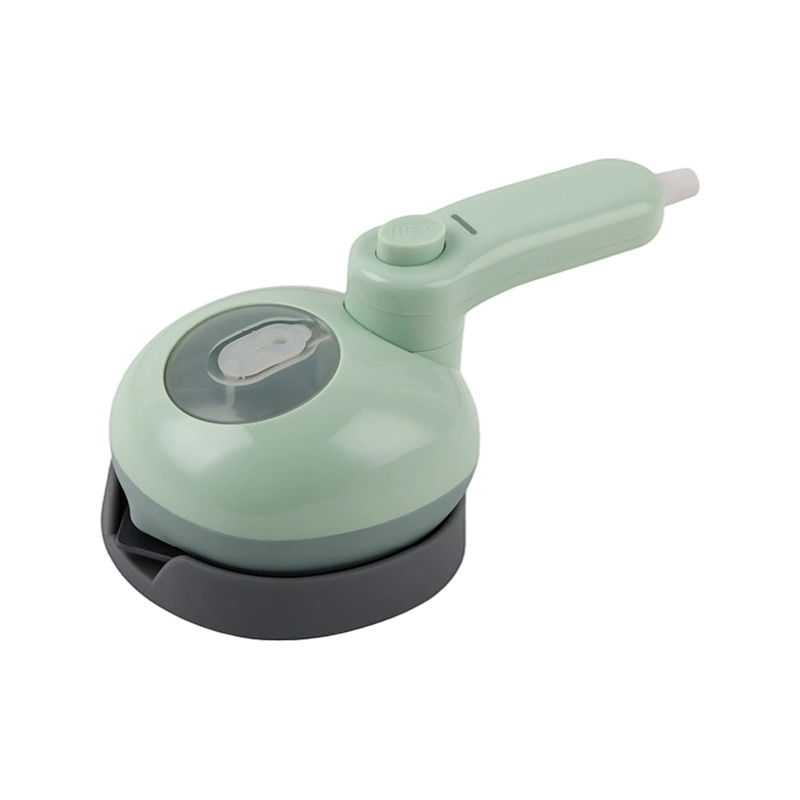
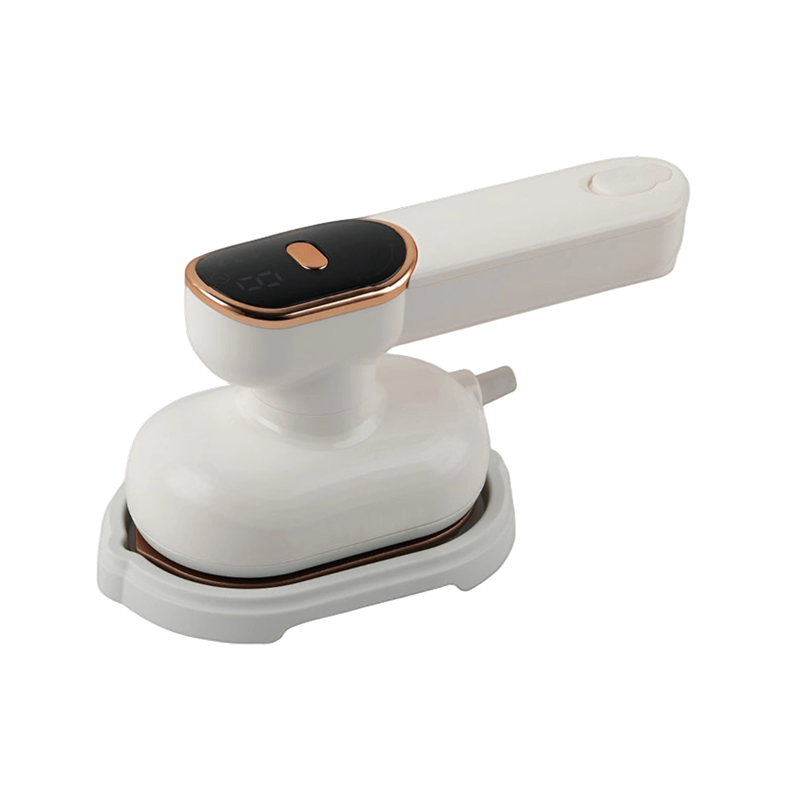
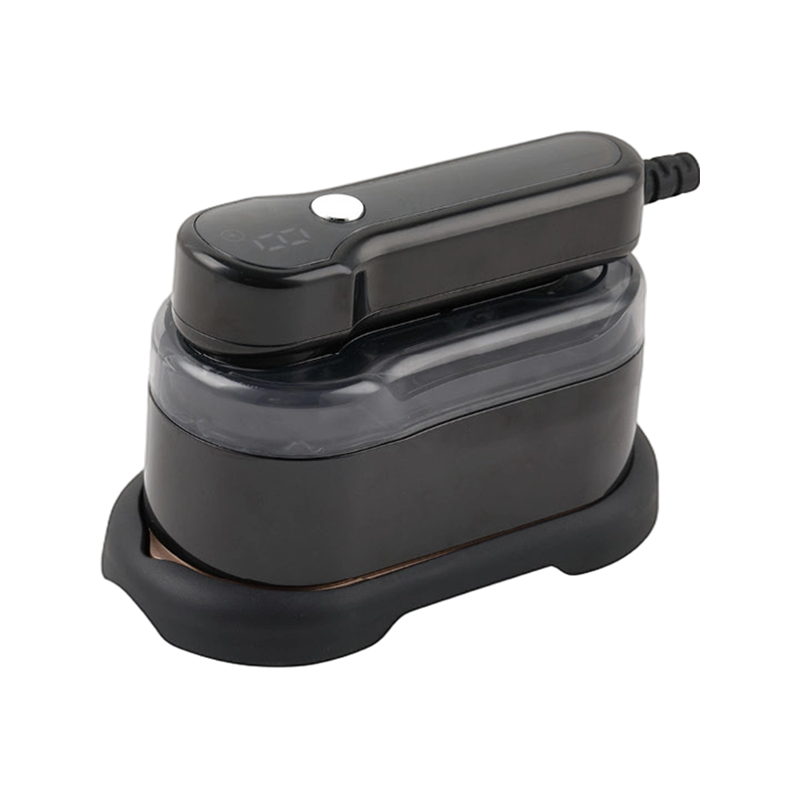
A 2-in-1 unit that rotates between flat pressing and vertical steaming covers both needs without a second appliance. Look for at least three steam levels, a tank near 250 ml and a soleplate with a pointed tip for collars and between buttons. A model such as the MW817B, with three steam levels and a rotatable body, fits this routine and keeps the cost inside budget territory.
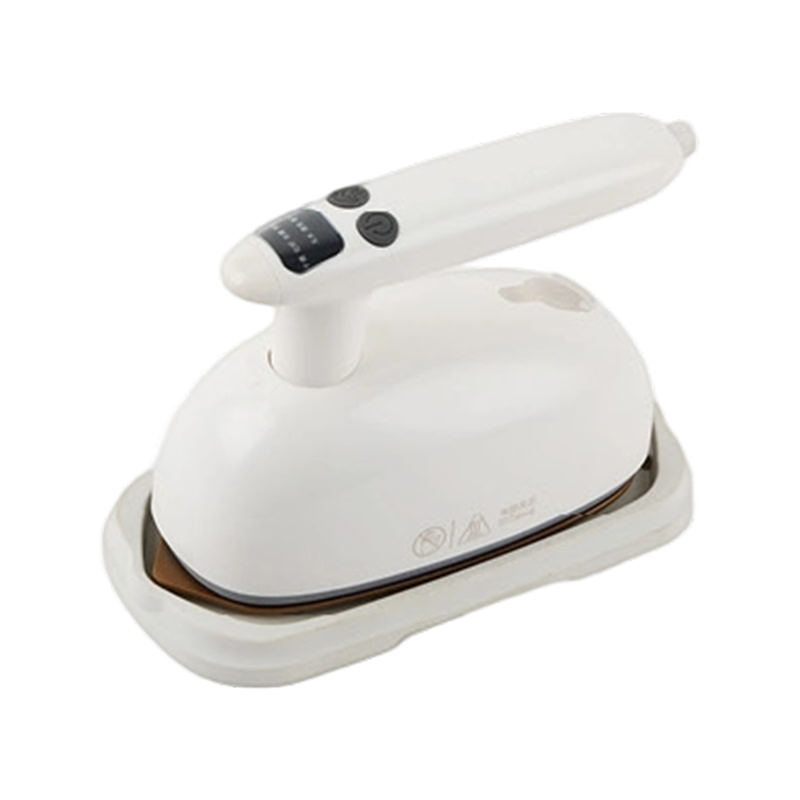 MW-817B Rotatable 3-Level Garment Steamer IronA 0.9 kg portable steamer-iron with three steam levels, rotating handle, LED display and detachable tank for compact steaming and pressing.View Product →
Travel, small apartments and quick touch-ups
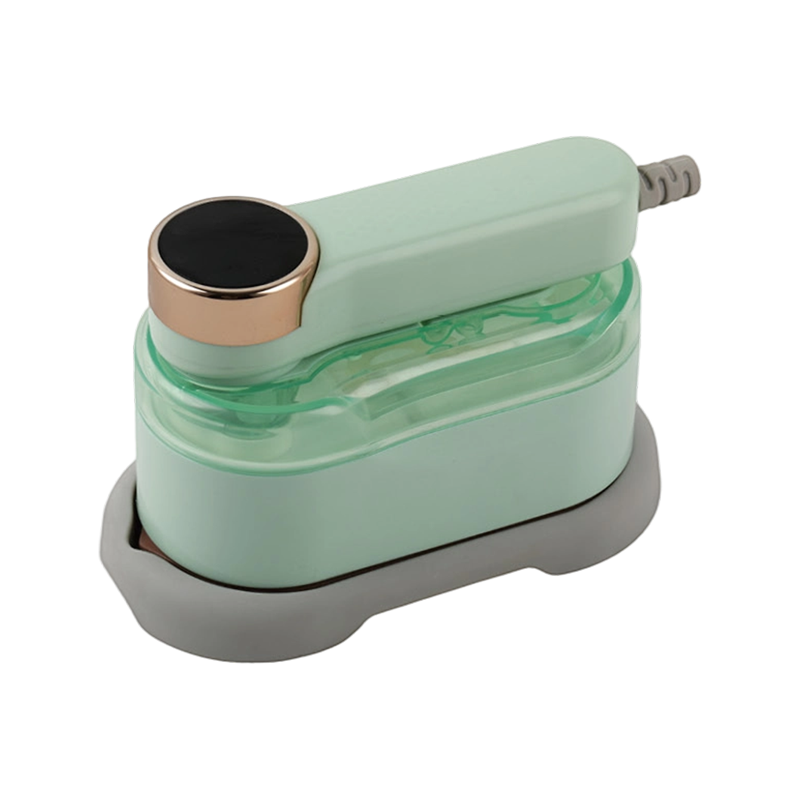
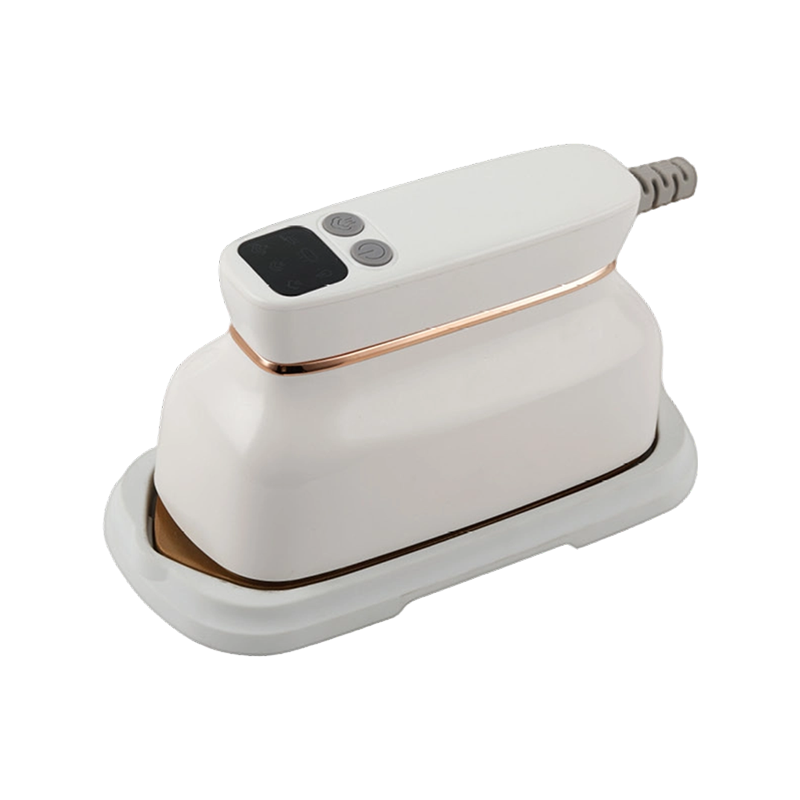
When storage space is limited and the iron is used for ten minutes at a time, weight and heat-up time matter more than tank size. A mini 2-in-1 around 1 kg with a folding or compact handle and a dual voltage option is easier to justify than a full-size iron that stays in a cupboard.
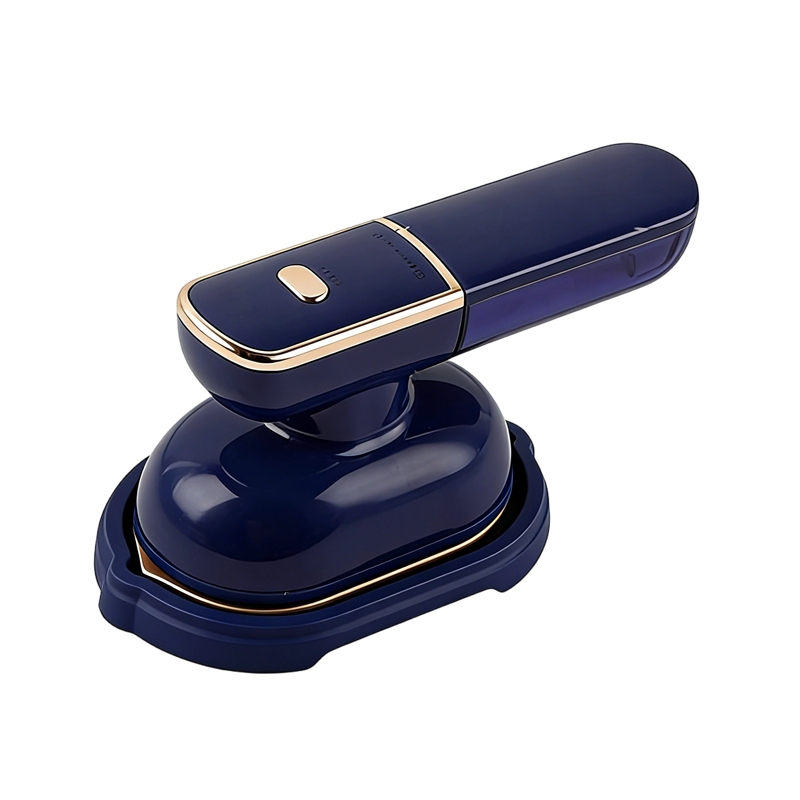 Travel-Pro Mini 2-in-1 Handheld Garment SteamerCompact 100 ml detachable-tank handheld steamer and iron for travel, with model options including three steam levels or burst steam for touch-ups.View Product →
Studios, tailor shops and light commercial use
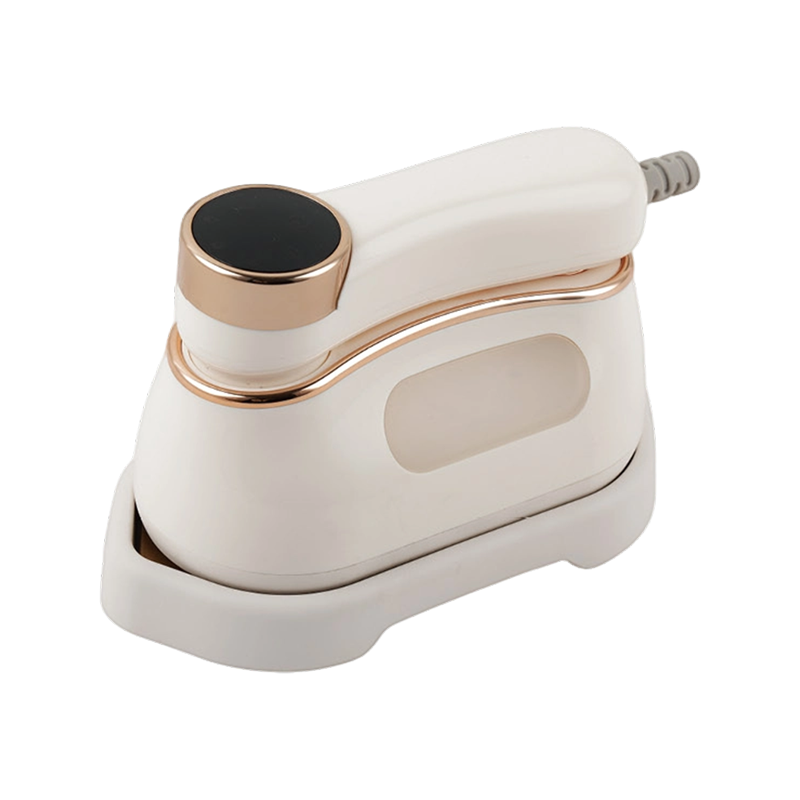
Fabric that has been pinned, stretched or stored needs several ironing modes rather than one. A unit with adjustable temperature bands, a burst steam function and a soleplate that tolerates frequent reheating will last longer than a basic household model, even at a modest price point.
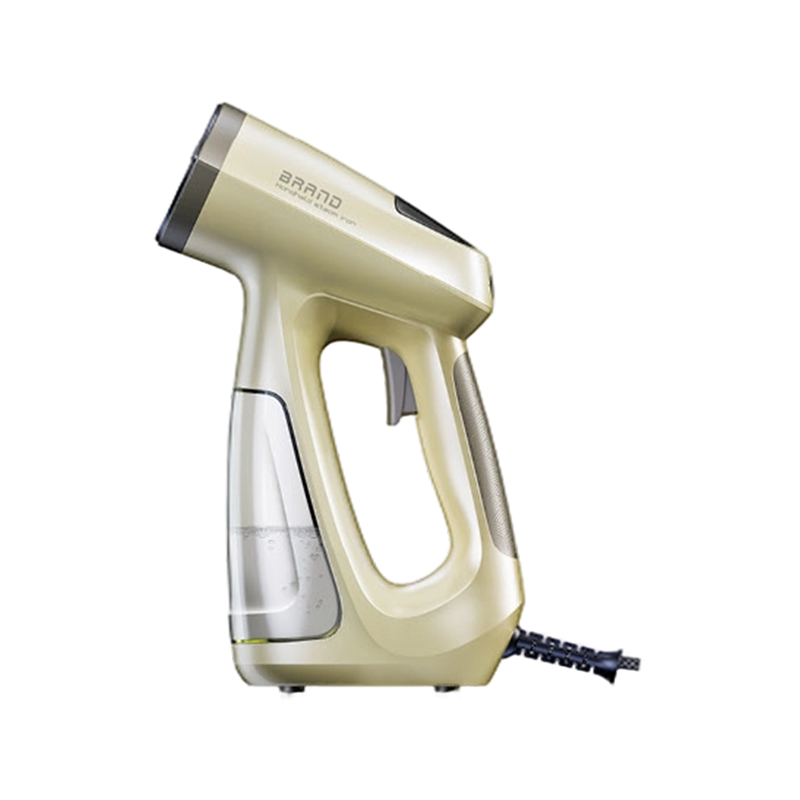
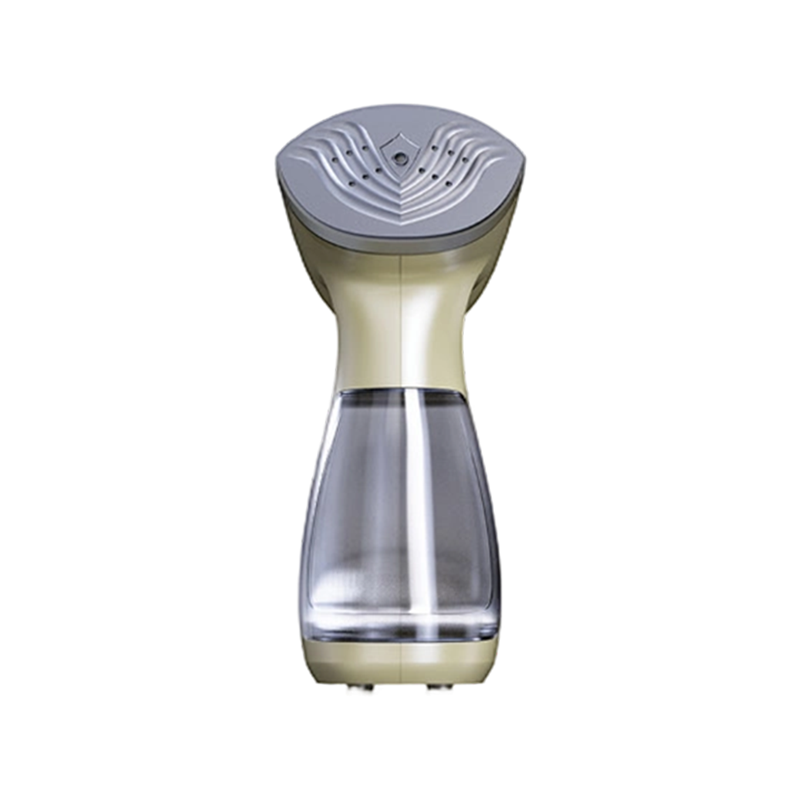 MW-835 Knob-Control Multiple-Mode Garment SteamerA 2000 W garment steamer with 260 ml tank, three steam levels, multiple ironing modes and anti-drip protection for varied fabrics.View Product →
Buying in volume: checks that protect the order
For importers and retail buyers, the cheapest quotation is rarely the lowest total cost once returns and certification issues are counted. Confirm the safety file first: CE, GS, CB, RoHS, ERP and PAHs documentation should match the exact model, voltage and plug type being shipped. Certification for a 220 V version does not automatically cover a 110 V derivative.
- Confirm voltage, frequency and plug standard per destination market
- Ask for the thermostat tolerance and the steam rate in writing
- Check whether the tank and valve can be descaled or replaced
- Request spare tanks, cords or valves for the after-sales channel
- Review packaging drop test results before approving carton artwork
Small details decide the return rate in the first year: a 20 cm longer cord, a silicone gasket instead of a rubber one, or an anti-drip valve. These changes add cents rather than dollars per unit and remove most of the complaints that damage a private label. The full steam iron range shows how these options vary by model, which helps when matching one platform to several price tiers in the same catalogue.
Common questions about budget steam irons
Is a ceramic soleplate better than stainless steel?
Ceramic-coated plates glide more smoothly on delicate fabric and spread heat evenly, but the coating can wear at the tip after heavy use. Stainless steel is more forgiving of rough handling, scratches and repeated high temperatures. For household use, either is acceptable at this price level. For rental, laundry or shared use, stainless steel usually survives longer.
Do I need auto shut-off?
Auto shut-off is a safety feature, not a performance one, and it adds little to the manufacturing cost. A unit that switches off after 8 to 10 minutes standing upright, or after 30 seconds face down, is worth choosing for households with children or for properties where the iron may be left unattended.
How long should a budget iron last?
With weekly use and regular descaling, a well-built low-cost iron should run for three to five years. Failure inside the first year usually points to scale, a dripping valve or a thermostat fault rather than general wear, which is why those three points are worth checking before price.
The best budget steam iron spends its money where the user cannot see it: a thermostat that holds temperature, a valve that does not drip and a steam path that can be cleaned. Price still matters, but the useful comparison is between two irons that both pass those checks, not between the cheapest unit and everything above it.
For exclusive deals and latest offers, sign up by entering your email address below.