русский
 Français
 한국어
 عربى
 Español
 中文简体
Steam Iron Sourcing Guide for Retail Buyers and Private-Label Programs
Admin 2026-11-26Content
Two 1500 W steam irons can look almost identical in a catalog, yet one may pass a retail sample review while the other creates returns from leaking tanks, weak steam, or confusing controls. For buyers, the difference is rarely a single specification. It is the fit between the appliance, the fabric mix it will serve, the voltage of the destination market, and the after-sales support behind it.
The practical conclusion is simple: choose a steam iron platform before choosing a model number. In the appliances steam iron category, that means deciding whether the product is a flat iron, a handheld garment steamer, or a 2-in-1 format, then setting limits for power, tank size, controls, safety approvals, and packaging. This guide gives retail buyers and private-label teams a working framework for that decision.
What the Steam Iron Appliance Category Includes
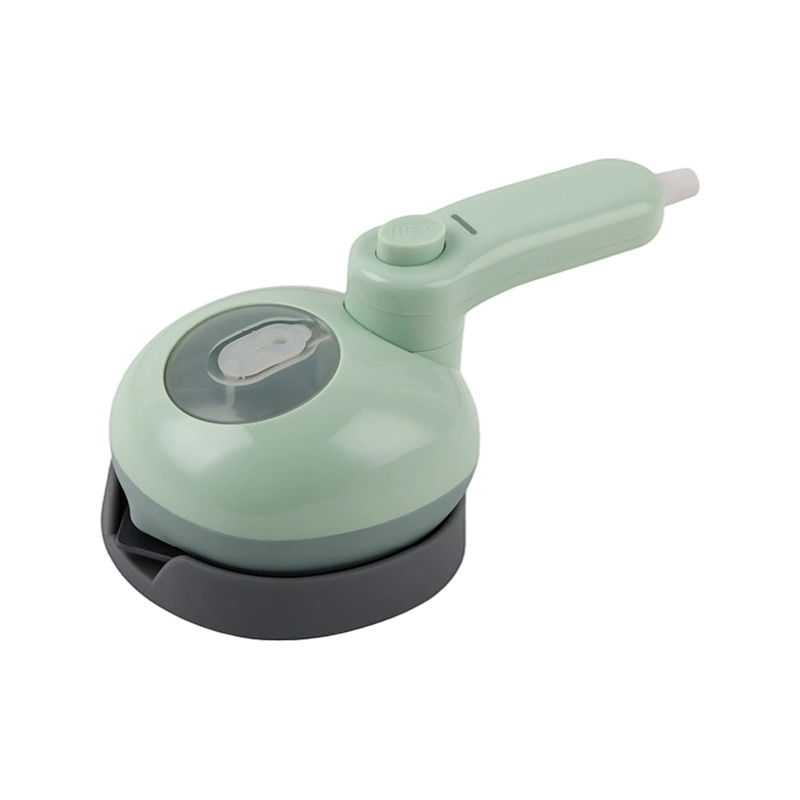
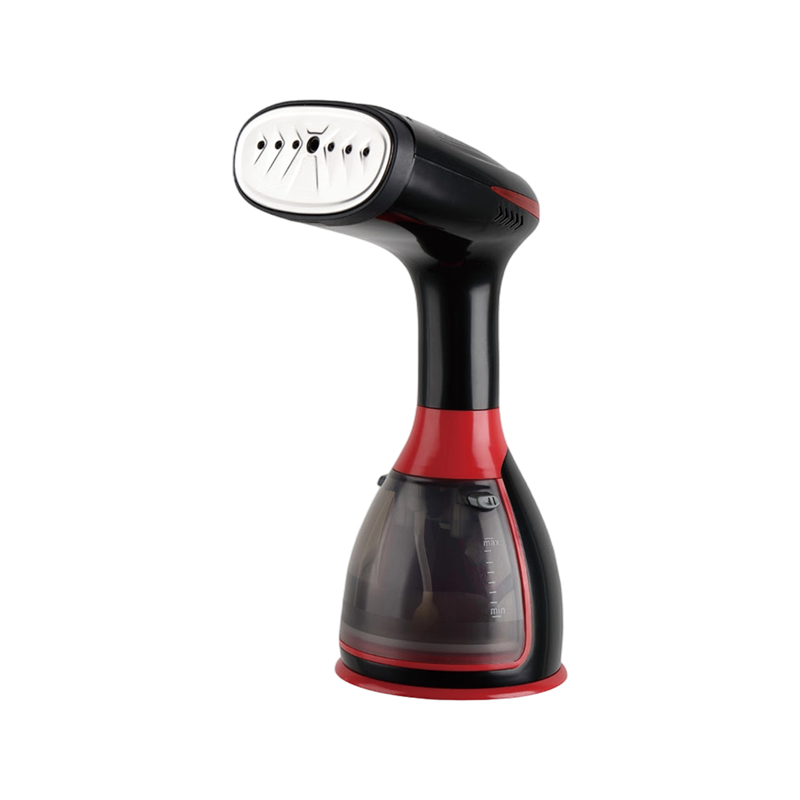
Steam irons are often grouped with garment steamers because both use heat and moisture, but they solve different problems. A flat steam iron presses fabric against a soleplate. A handheld garment steamer relaxes fibers with vertical steam. A 2-in-1 rotatable model tries to combine both, which is useful for households that want one appliance for shirts, trousers, curtains, and delicate items.
| Format | Best for | Specifications to confirm | Common sourcing risk |
|---|---|---|---|
| Compact travel steam iron | Business travel, gift sets, small-space retail | 1000 W to 1200 W, 90 ml to 150 ml tank, foldable handle, dual voltage | Tank seals, plug variants, weak steam after refill |
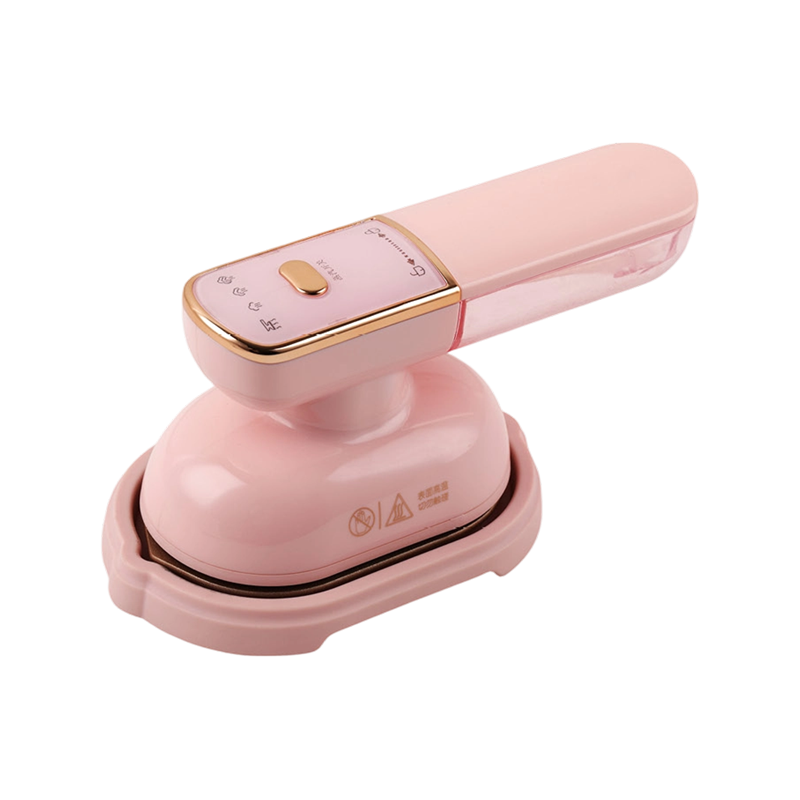
| 2-in-1 rotatable steam iron | Households wanting flat and vertical steaming in one unit | 1200 W to 1600 W, 2 to 4 steam levels, LCD or touch controls, anti-drip | Hinge wear, control board quality, steam leaks at the joint |
| Full-size steam iron | Family ironing, high-volume laundry, long sessions | 1500 W to 2000 W, 250 ml to 350 ml tank, auto-off, cord length | Weight, heat-up time, scale build-up, cord guard quality |
| Handheld garment steamer | Quick refresh, delicate fabrics, travel, small apartments | 1000 W to 1500 W, 120 ml to 250 ml tank, stainless or aluminum panel | Water spitting, steam consistency, panel temperature |
The table is not a ranking. It is a reminder that a low unit price can hide costs in the wrong format. A travel model that folds neatly but has a 90 ml tank may frustrate a family buyer. A 2000 W high-capacity model may perform well but fail a market that needs compact storage. Match the format to the shelf position first.
Specifications That Change the Buying Decision
Power is the first specification buyers notice, but wattage alone does not guarantee useful steam. A 1000 W travel model and a 1500 W household model can both be well made. The important checks are heat-up time, steam consistency after refilling, and whether the water tank seal holds after repeated heating and cooling. Tank capacity from 90 ml to 350 ml should be read with use case in mind. Smaller tanks suit travel, touch-ups, and gift sets. Larger tanks suit family ironing and longer sessions.
- Power and voltage: confirm the rated wattage at the destination voltage, not only at the factory test voltage.
- Steam holes and panel: single-row and double-row steam holes behave differently. Stainless steel and aluminum panels also affect heat response and cleaning.
- Controls: button, LED, LCD, and touch interfaces change cost and user expectations. Choose the simplest interface that supports the price band.
- Dual voltage: useful for travel ranges, but the plug, label, and manual must match the market.
- Certifications: check CE, GS, CB, RoHS, ERP, and PAHs claims against the actual model and destination.
- Packaging and plug: a second plug type can add cost, tooling, and inventory complexity.
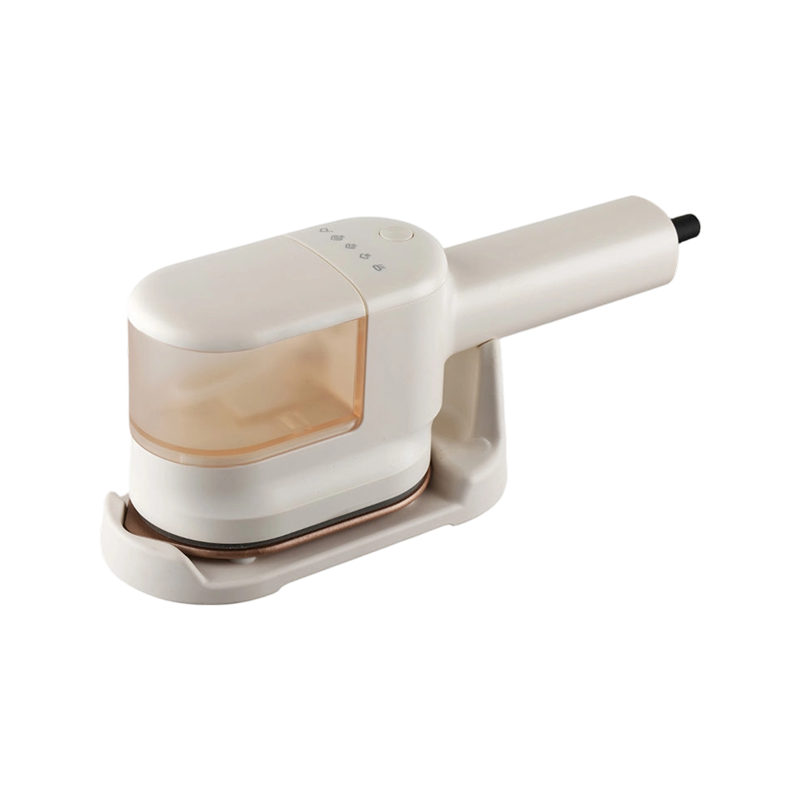
For a compact two-in-one test, the MW818 mini 2-in-1 handheld garment steamer and steam iron comes in 3-level and 1-level steam versions. It is the kind of format a buyer can position for small apartments, business travel, or promotional bundles, provided the tank size and steam pause between fills are acceptable for the target user.
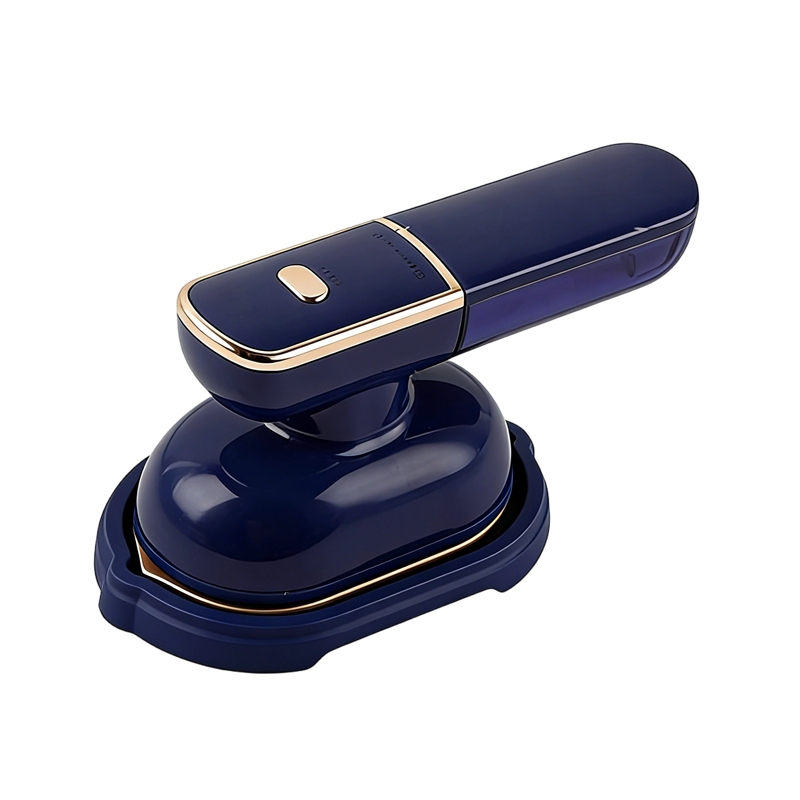 MW818 Mini 2-in-1 Handheld Garment Steamer and IronCompact travel steamer with 100ml detachable tank and 3-level or 1-level steam options, suited to small apartments, business trips, or promotional bundles.View Product →
Two-in-One Formats and Control Choices
Two-in-one models are attractive because they reduce the number of appliances a shopper needs. They also add mechanical complexity. The rotating hinge, locking mechanism, and steam path must survive repeated changes between flat and vertical use. For a mid-tier launch, an LCD or LED display can justify a higher price only if the interface remains readable and simple. More buttons do not always mean more value.
For a mid-tier launch, the MW819 LCD display 2-in-1 rotatable garment steamer and steam iron uses a display to make mode and steam level visible. That can help shoppers who are moving from a basic iron and want confidence that the appliance is set correctly.
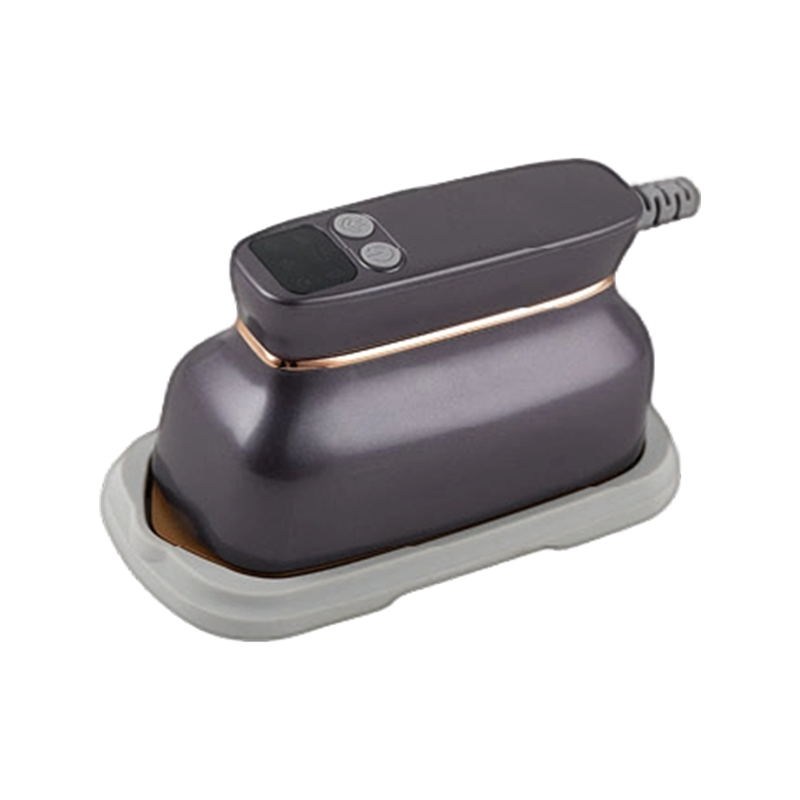 MW819 LCD Display 2-in-1 Rotatable Garment Steamer and IronFeatures an LCD display, three steam levels, 180° rotating handle, and 160ml detachable tank, helping shoppers upgrading from basic irons confirm settings.View Product →
Design-led ranges can use a different lever. The MW3000 vintage radio designed garment steam iron uses a retro cabinet style to separate the product from standard appliance shapes. This works when the retail channel supports a story around home styling, gifting, or small-batch private label. It does not replace the need for a stable soleplate, clear instructions, and a serviceable water tank.
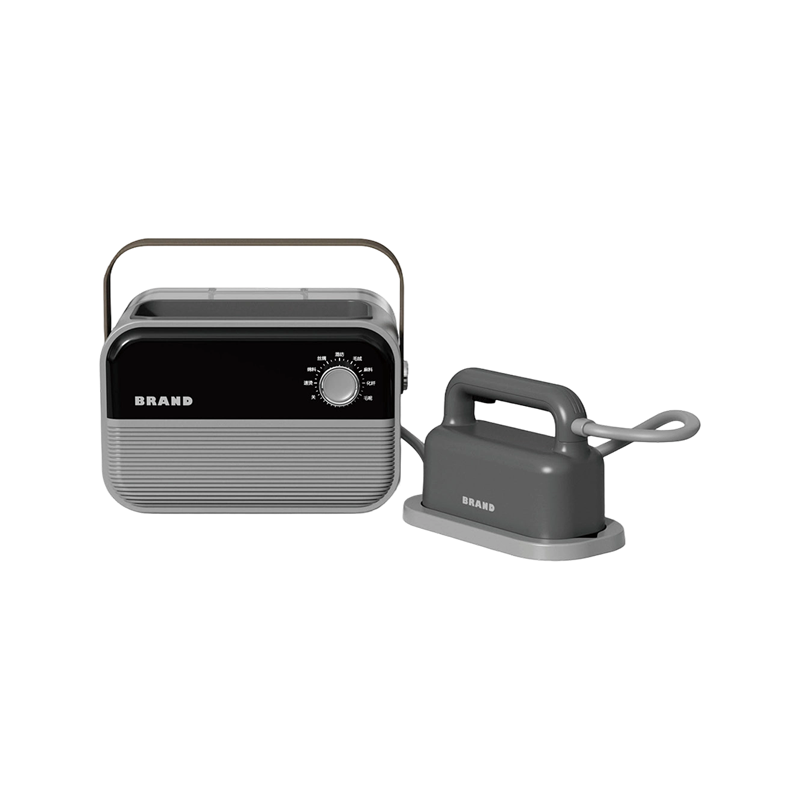 MW3000 Vintage Radio Designed Garment Steam IronRetro cabinet styling pairs with a 380ml tank, knob steam selector, and no-water protection, offering a design-led option for home styling or gifting ranges.View Product →
Compliance, Safety, and Export Readiness
Export compliance should be set before tooling, not after. A steam iron that is safe for one market may need a different plug, voltage label, language set, and documentation for another. The manufacturer profile behind a program matters here because certification and production control are linked to the factory system, not only the sample.
- Identify destination markets and confirm the required voltage, plug, and language set.
- Confirm the safety scope for the exact model, including heating, water tank, and electrical parts.
- Check material and environmental claims such as RoHS, ERP, and PAHs where applicable.
- Review factory systems such as ISO 9001 and BSCI, then verify certificates and test reports.
- Plan label and manual accuracy before mass production, including warnings and descaling guidance.
A supplier with ISO 9001 and BSCI systems, and products covered by CE, GS, CB, RoHS, ERP, and PAHs, can shorten the compliance conversation. None of those marks should be treated as a substitute for a sample test. They are evidence to verify, not a reason to skip incoming inspection.
Sample Testing and Total Cost
Sample testing should reproduce the retail use that creates returns. Run a 30-minute continuous steam test, a refill test while the unit is still warm, and a tilt test for water spitting. Cycle the controls at least 50 times, fold and unfold a travel handle repeatedly, and inspect the cord guard for sharp edges. For 2-in-1 models, rotate the body through its full range and check for steam leaks at the joint.
Total cost includes more than the FOB price. Ask for packaging drop-test results, spare-part availability, warranty terms, and the cost of a second plug or voltage variant. A cheap model with a fragile tank latch can cost more in returns than a mid-priced model with a proven seal. A practical steam iron selection checklist helps compare samples on the same criteria. The manufacturing profile should also be reviewed for factory systems, capacity, and export experience before a program is approved.
Maintenance and After-Sales Design
Maintenance is a design issue. If buyers do not know how to descale a steam iron, complaints often arrive within months. The product should make the task visible: a removable tank, an accessible fill port, a self-clean instruction, and a manual that explains water quality in plain language. Anti-drip and anti-scale features are useful, but they do not remove the need for cleaning guidance.
- Use a rinse and descale schedule that fits local water hardness.
- Design the tank opening so users can see the water level and clean the interior.
- Keep steam holes clear and include a simple cleaning pin or brush where appropriate.
- Supply wear parts such as tank seals, brushes, and cord guards for the expected product life.
- Write instructions for hard water markets instead of assuming soft water conditions.
A Practical Sourcing Brief
Before requesting quotes, write a one-page brief. It should state the format, target market, voltage, plug type, tank capacity range, steam levels, control type, certifications, packaging style, and expected order volume. Add the retail price band and the user problem the product solves. This gives the factory a clear basis for a realistic quote and reduces changes late in the project.
- Format and use case: travel, household, gift, or multi-function.
- Market and compliance: destination, voltage, plug, language, and certificates.
- Performance targets: heat-up time, steam duration, tank capacity, and refill behavior.
- Appearance and packaging: panel finish, control interface, color, box, and manual.
- Service and spares: warranty, replacement parts, inspection plan, and order forecast.
A steam iron program is easier to defend when the format, specifications, and compliance path are chosen together. The strongest appliance is not the one with the highest wattage on the box. It is the one that matches the fabric, the market, and the service plan without creating surprises after the container arrives.
For exclusive deals and latest offers, sign up by entering your email address below.