русский
 Français
 한국어
한국어 عربى
عربى Español
 中文简体
中文简体How to Clean Steam Iron Water Tank: Easy Vinegar and Citric Acid Guide
Admin 2026-10-15Content
A white crust around the fill hole, a cloudy film on the tank wall and brown flakes landing on a pressed shirt. That means the water tank of your steam iron has scaled up, and scale is a mineral deposit rather than permanent damage.
In most cases it comes out in half an hour with white vinegar or citric acid, two or three rinses of clean water and a full dry. The habits that cause real damage are the shortcuts: bleach in the tank, shaking the whole appliance, or refilling with hard tap water the next morning.
This guide covers the procedure, how to choose between vinegar and citric acid, what changes when the tank is fixed rather than detachable, and the tank details buyers should check when sourcing steam irons.
Why a Steam Iron Tank Fills With Scale
Tap water carries dissolved calcium and magnesium bicarbonate. Nothing visible happens while the iron sits cold, but once the element raises the temperature, those minerals come out of solution as calcium carbonate, the hard white deposit found inside a kettle.
Per fill the amount is tiny. Water at 200 mg per litre of hardness leaves about 0.05 g of residue in a 250 ml tank. Twice a week for a year adds up to roughly 5 g of deposit inside one appliance, concentrated on the hot surfaces, the outlet and the valve.
Signs that cleaning is due:
- White or grey powder around the steam holes and the fill cap
- A chalky ring at the water line inside the tank
- Weak or sputtering steam even with a full tank
- Brown or rust coloured flakes, which usually mean the tank has been stored wet
- Slower heat up as the deposit insulates the element
Deposits narrow the outlet and can seize the pump in pump assisted models, so steam output falls long before the appliance fails. Crust around the tank seal is also a common cause of slow leaks at the joint.
What to Prepare Before You Start
Unplug the iron and leave it to cool for at least 30 minutes. Gather the following:
- White vinegar at 5 to 6 percent acetic acid
- Food grade citric acid powder
- Distilled or demineralised water for mixing and rinsing
- A soft bottle brush or a sponge on a stick
- Cotton swabs or a pipe cleaner for the fill hole and narrow necks
- A shallow tray, a small funnel and a lint free cloth
Keep three things away from the job: bleach, abrasive powders or metal pads, and the dishwasher. Bleach attacks plastic and metal parts, abrasives scratch the tank wall and give scale a better grip next time, and a hot dishwasher cycle can deform a removable tank.
Step by Step: Cleaning the Water Tank
- Unplug the iron and let it cool for 30 to 40 minutes. Empty any remaining water and check its colour.
- Mix one part white vinegar with one part distilled water, or dissolve one to two teaspoons of citric acid in 200 ml of warm water.
- Pour the solution to the maximum fill line. Swirl gently for ten seconds so it touches every wall, then stop.
- Leave it to stand for 20 to 30 minutes for light scale, up to two hours for heavy deposits, with the iron upright.
- If the tank detaches, take it off the body and stand it in a bowl so the solution covers the walls and the outlet.
- Brush the inside walls with a soft brush and clean the fill hole with a cotton swab. Never use metal tools.
- Pour the solution out and rinse the tank two or three times with clean distilled water.
- Flush the steam path by running the iron on steam over an old towel for one to two minutes.
- Dry the tank fully: empty it, run the iron on its dry setting for two minutes and leave the fill cover open.
Vinegar, Citric Acid or a Commercial Descaler
| Method | Typical mix | Soak time | Best suited to | Cautions |
|---|---|---|---|---|
| White vinegar | 1 part vinegar to 1 part distilled water | 20 to 30 minutes | Light scale, small tanks | Strong smell, can transfer to fabric if rinsing is rushed |
| Citric acid | 1 to 2 teaspoons per 200 ml warm water | 15 to 20 minutes | Heavy white scale, odour sensitive users | Dissolve fully first, undissolved grains can block the outlet |
| Commercial descaler | Follow the dose on the pack | 10 to 30 minutes | Mixed mineral deposits | Use only a product labelled for steam irons and rinse twice |
Vinegar is the cheapest option and the easiest to find, but the smell lingers and can transfer to fabric when the rinse is rushed. Citric acid dissolves calcium carbonate faster in warm water and leaves almost no odour, which makes it the better choice for heavy buildup. Commercial descalers work in the same way, but use only a product labelled for steam irons, because some formulations are too aggressive for the plastic used in small tanks. The same principle applies when you are descaling an ironing machine of any size.
Fixed Tank or Detachable Tank
A fixed tank cannot be removed, so the iron stays upright the whole time. Soak in place, then flush the steam path with clean water over a towel. Never tip the body to pour the solution out through the fill hole, because liquid can reach the electronics and the switchgear.
A detachable tank turns a fiddly job into an easy one. It can be soaked in a bowl, checked against a light and dried completely before it goes back on the body. The 150 ml removable tank on the MW812 handheld garment steamer follows this layout.
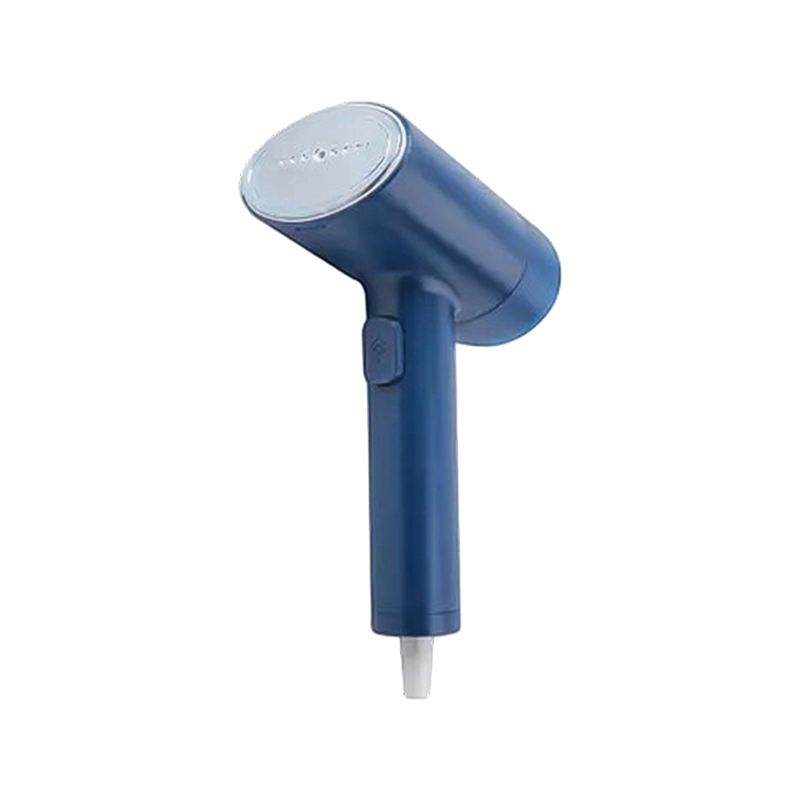 MW812 Handheld Garment Steamer with Detachable 150ml TankThe 1000W handheld steamer's removable 150ml tank can be rinsed, inspected, and fully dried to simplify maintenance and everyday garment care.View Product →
Some models use an ion exchange cartridge in or beside the tank. Those cartridges are replaced rather than cleaned, and they lose effect once the resin is saturated.
Rinse, Flush and Dry
Rinsing decides whether the job is finished. Empty the tank, refill with clean distilled water and repeat until the water comes out clear and free of the vinegar smell. Two or three rinses are normal for a 250 ml tank.
Then flush the steam path. Stand the iron on an old towel, switch to steam and let it run for one to two minutes. If white residue still appears on the soleplate, repeat the soak once rather than extending the first one.
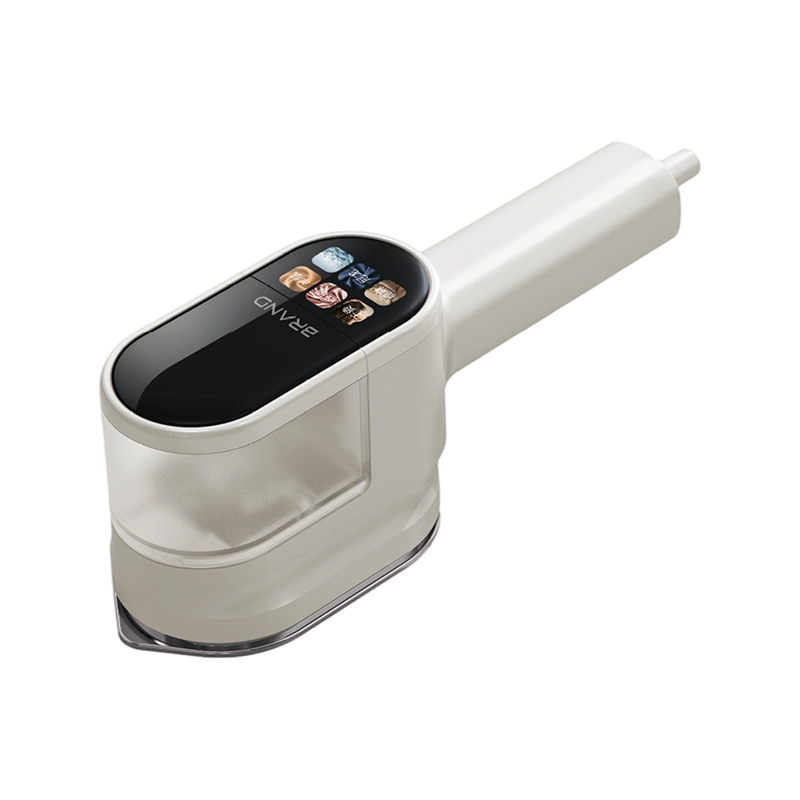 MW827F LCD Steam Iron with Dry Ironing ModeIts 190ml detachable tank and dedicated dry setting help flush the steam path, evaporate leftover water, and simplify maintenance after use.View Product →
Finish with the tank empty. Models with a separate dry ironing mode, such as the MW827F, let the element run without drawing more water, so two to three minutes on the dry setting evaporates what is left inside. Leave the fill cover open until the tank is fully dry.
Preventing Scale Between Cleanings
- Fill with distilled or demineralised water. If that is not practical, mix half distilled and half tap water.
- Empty the tank after every use. Standing water is what turns a thin deposit into a hard crust.
- Never store the iron with water inside it, even for a few days.
- Descale once a month on tap water, and once every three months on softened or distilled water.
- Skip fragrance drops, starch, fabric conditioner and essential oils. They clog valves and pumps faster than scale.
- Store the iron upright with the fill cover open so the inside can air dry.
What Buyers Should Check in the Tank Design
For importers and brand owners, the water tank is one of the first parts to generate consumer complaints. Four points are worth testing before a specification is fixed.
- Tank material and wall thickness, because thin walls deform around hot water and make seals harder to hold.
- Fill opening diameter, since a narrow neck makes rinsing difficult and pushes users toward harsh shortcuts.
- Seal and O ring quality at the tank joint, the usual source of slow leaks.
- Whether the model offers a dry and steam two way mode, which helps users dry the tank after cleaning.
Capacity also shapes the cleaning routine. Travel models run on 90 to 150 ml and scale visibly within weeks of daily use, while household units at 250 to 350 ml hold more water between fills but store more minerals as well. Mayway, a Ningbo based steam iron and garment steamer manufacturer, supplies these tank configurations through OEM programs with CE, GS, CB, ROHS, ERP and PAHs certification for export markets.
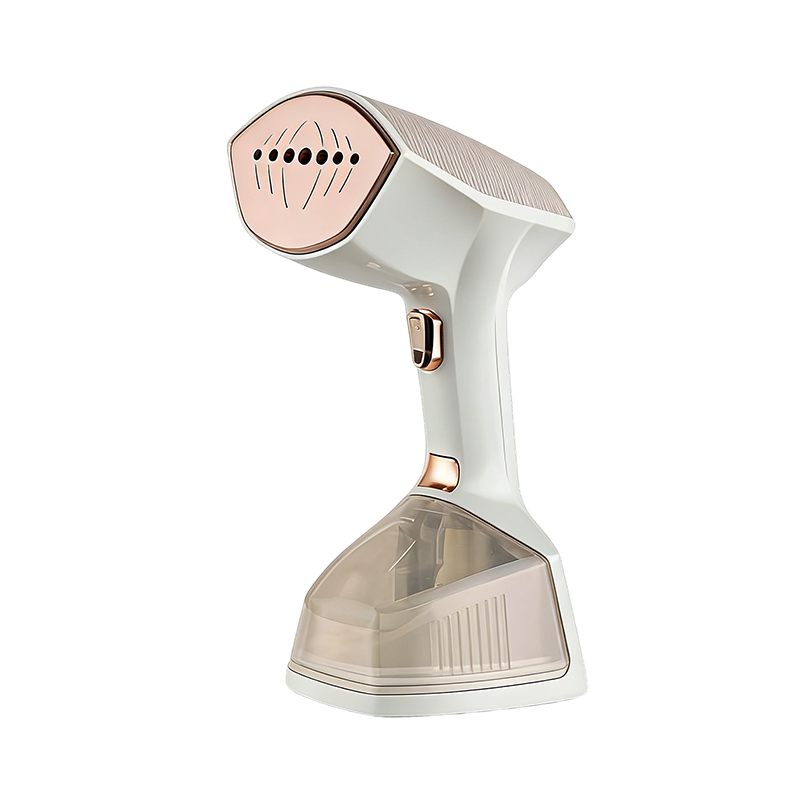 MW-816 Handheld Portable Garment Steamer with Removable TankA removable 350–360ml tank and 2000W power support portable garment care while making it easier to rinse and maintain the tank.View Product →
Scale in a steam iron water tank is a maintenance issue, not a defect. Vinegar or citric acid, 20 to 30 minutes of soaking, two or three rinses and a full dry will restore steam performance in almost every case. Switch to distilled water afterwards and the tank stays clear, which keeps the appliance working and keeps customers from blaming the product for a water problem.
For exclusive deals and latest offers, sign up by entering your email address below.