русский
 Français
 한국어
한국어 عربى
عربى Español
 中文简体
中文简体How to Clean the Soleplate of a Steam Iron: Safe Methods That Actually Work
Admin 2026-10-09Content
- 1 Why the Soleplate Gets Dirty
- 2 Before You Start: Safety and Surface Check
- 3 Method 1: White Vinegar and Water for Scale and Mineral Deposits
- 4 Method 2: Baking Soda Paste for Burnt Residue and Starch
- 5 Method 3: Salt and Newspaper for Melted Synthetic Fabric
- 6 Cleaning Methods at a Glance
- 7 Cleaning Steam Vents and the Water Tank
- 8 What Not to Do
- 9 How Often to Clean and How to Prevent Future Build-Up
- 10 Choosing a Steam Iron That Is Easier to Clean
A brown, crusty film on the soleplate is more than an eyesore. It drags across fabric, leaves shiny marks, and can transfer burnt residue onto a white shirt. Yet cleaning a steam iron soleplate is simple once you match the method to the mess. The short answer: for light scale, use a vinegar and water steam cycle. For burnt starch or polymer, use a baking soda paste on a cold soleplate. For melted synthetic fibres, use the salt and newspaper method. Below is how each works, plus what to avoid.
Why the Soleplate Gets Dirty
Steam iron soleplates collect four main types of residue. Mineral scale from hard water appears as white or grey crust around the steam holes. Starch from spray sizing builds up as a yellow film. Burnt polymer from synthetic fabrics or transfers from printed shirts creates dark, hard spots. Rust or oxidation can form if the iron is stored damp. Each residue needs a different approach. Using the wrong method can scratch a non-stick coating or spread the stain.
Hard water is the most common culprit. If your tap water contains more than 120 mg per litre of calcium carbonate, scale will form after a few steam cycles. That scale insulates the soleplate, so you need higher temperatures to remove wrinkles. Higher heat then bakes starch and polymer onto the surface, making the next cleaning harder.
Before You Start: Safety and Surface Check
Unplug the iron and let it cool completely. Cleaning a hot soleplate risks burns and can set the stain deeper. Check the soleplate material. Non-stick and ceramic coatings scratch easily. Stainless steel and bare aluminium are more forgiving but can still be damaged by steel wool or sharp blades.
Gather soft cloths, cotton swabs, a plastic scraper, distilled water, white vinegar, baking soda, and newspaper. Never use a metal knife, abrasive scouring pad, or oven cleaner. Those tools remove the coating and create a rougher surface that collects even more residue next time.
Method 1: White Vinegar and Water for Scale and Mineral Deposits
Vinegar dissolves calcium and magnesium scale. Mix equal parts white vinegar and distilled water. Fill the iron's water tank with this solution. Set the iron to its highest steam setting and hold it over a folded cotton towel or an old cotton shirt. Steam until the tank is about half empty. The steam loosens scale inside the vents and carries it out onto the cloth.
Let the iron cool, then empty the tank. Rinse the tank with distilled water and steam again over a clean cloth to flush out vinegar residue. For scale on the soleplate itself, soak a cloth in white vinegar, place it on an ironing board, and run the warm iron over it for 30 seconds. Wipe the soleplate with a clean damp cloth.
Not every manufacturer approves vinegar. Some steam irons have aluminium tanks or seals that vinegar can degrade. Check your manual first. If vinegar is not allowed, use a commercial descaling solution made for steam irons. For a full descaling procedure, see the guide on how to clean the scale of the ironing machine.
Method 2: Baking Soda Paste for Burnt Residue and Starch
Baking soda is a mild abrasive that lifts burnt starch and polymer without scratching most soleplates. Mix two tablespoons of baking soda with a few drops of water until you get a thick paste. Apply it to the cool soleplate with a soft cloth. Rub gently in circles over the stained areas. Do not press hard. Let the paste sit for five minutes, then wipe it away with a damp cloth.
If residue remains, use a plastic scraper or an old credit card to lift it. Never use a metal tool. After cleaning, fill the tank with distilled water and steam over a clean cloth for one minute. This removes any baking soda that might have entered the steam holes. Baking soda can be abrasive on non-stick coatings, so test on a small area first or use a paste of mild dish soap instead.
Method 3: Salt and Newspaper for Melted Synthetic Fabric
When polyester or a printed transfer melts onto the soleplate, you get a hard, dark bump that drags on everything. Let the iron cool completely. Lay a sheet of newspaper on the ironing board and sprinkle a tablespoon of table salt over it. Set the iron to low heat without steam and run it over the salt and newspaper for 20 to 30 seconds. The salt acts as a gentle abrasive and the newspaper absorbs the melted plastic.
Wipe the soleplate with a dry cloth. If any residue stays, repeat with fresh salt and newspaper. Avoid this method on ceramic or non-stick soleplates because the salt can dull the coating. For those surfaces, use a commercial soleplate cleaner or a paste of baking soda and water, applied very gently.
Cleaning Methods at a Glance
The table below compares the three main approaches. Use it as a quick reference before you start.
| Method | Best for | How to apply | Cautions |
|---|---|---|---|
| White vinegar and water | Mineral scale, light film | Mix equal parts, steam over a cloth, wipe | Check manual; may void warranty on some models |
| Baking soda paste | Burnt starch, polymer | Apply paste to cold plate, rub gently, wipe | Avoid on non-stick if abrasive |
| Salt and newspaper | Melted synthetic fabric | Iron over salt on newspaper at low heat | Do not use on coated plates |
Cleaning Steam Vents and the Water Tank
Clogged steam vents spray water droplets and leave white spots on fabric. Clean them with a cotton swab dipped in white vinegar. Gently push the swab into each vent hole. Do not force it. For stubborn scale, use a pipe cleaner or a toothpick with the tip blunted. Rinse the area with a damp cloth.
For the water tank, fill it one third full with white vinegar and one third with distilled water. Shake for 30 seconds, then empty it. Rinse with distilled water twice. Never submerge the iron in water or put it in a dishwasher. If the tank is removable, take it out and rinse it separately. A removable tank makes this step much easier.
What Not to Do
Several common cleaning habits cause permanent damage. Avoid these mistakes:
- Do not use steel wool, wire brushes, or sandpaper. They strip the soleplate coating and create scratches that trap starch.
- Do not clean a hot iron. Sudden temperature changes can warp the soleplate and burns are a real risk.
- Do not use bleach, ammonia, or oven cleaner. These chemicals corrode metal and leave toxic residue on the soleplate.
- Do not scrape with a knife or screwdriver. Use a plastic scraper only.
- Do not soak the entire iron in water. Moisture reaches the electronics and causes a shock hazard.
If you have already scratched a non-stick soleplate, you cannot repair the coating. In that case, replace the iron or use a press cloth to protect fabrics from the rough surface.
How Often to Clean and How to Prevent Future Build-Up
Clean the soleplate when you notice dragging, white marks on dark fabric, or a burnt smell. For daily ironing, a light wipe after each use takes ten seconds. A deeper clean with vinegar or baking soda is usually needed every four to six weeks, depending on water hardness and how often you use starch sprays.
Prevention is easier than cleaning. Use distilled or filtered water if your tap water is hard. Empty the water tank after every use and leave the steam dial open to dry the internal chamber. Store the iron upright, not on its soleplate. Following a regular garment steamer maintenance method prevents most soleplate problems.
Choosing a Steam Iron That Is Easier to Clean
Some design features make soleplate cleaning less frequent and less difficult. A stainless steel or ceramic soleplate resists scratching and releases burnt residue more easily than bare aluminium. A removable water tank lets you rinse out mineral scale without tilting the whole iron.
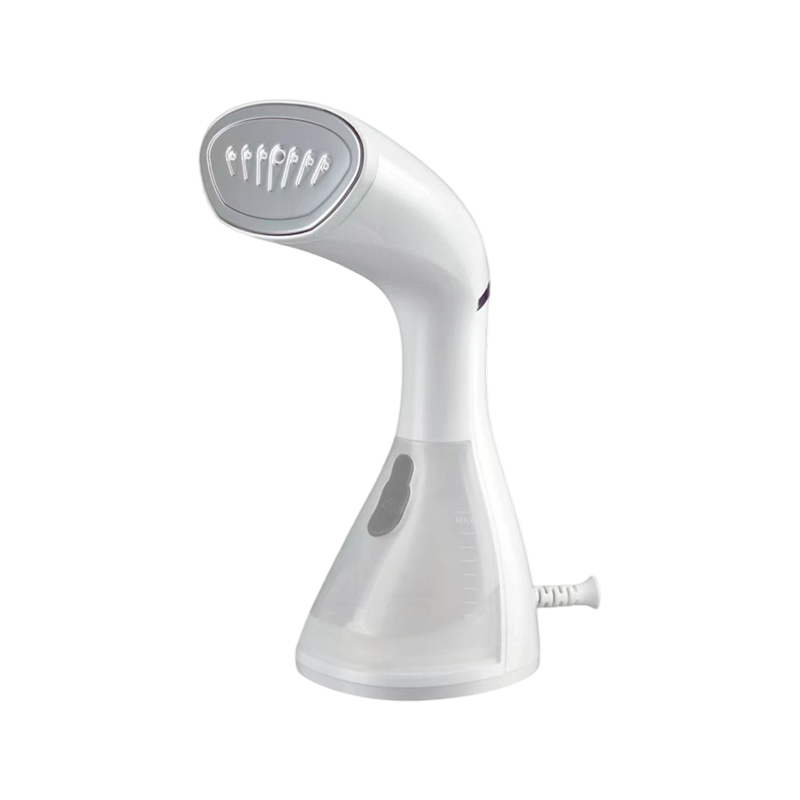
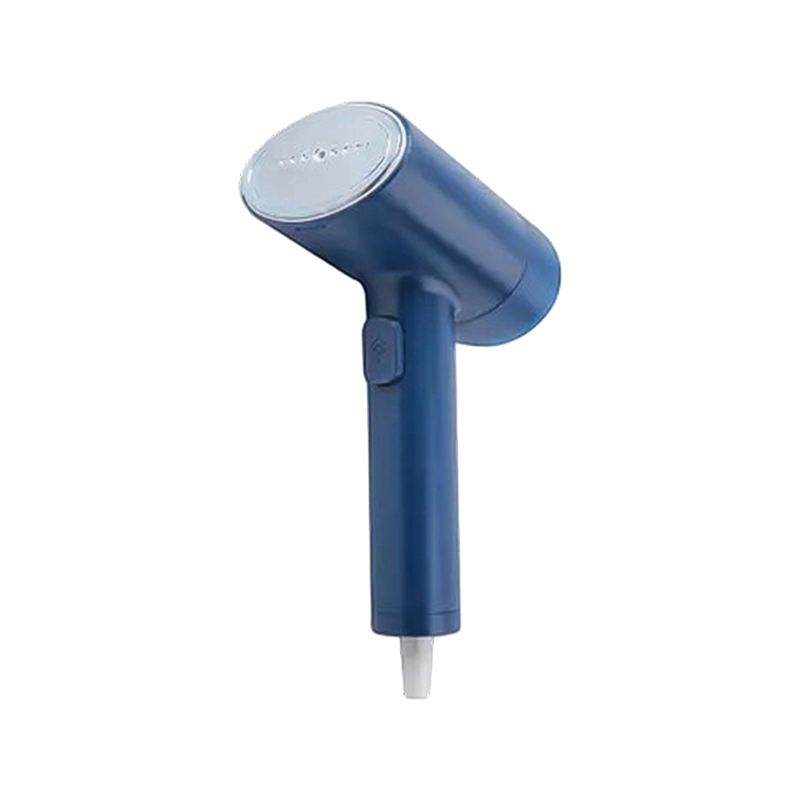 MW-812 1000W Handheld Garment Steamer with Detachable 150ml TankHandheld garment steamer with detachable 150ml tank and stainless steel panel; the removable tank can be rinsed to help limit scale on the soleplate.View Product →
A detachable tank, such as the one on the MW812, can be rinsed under a tap after descaling. That reduces the chance of scale blowing through the steam holes and baking onto the soleplate.
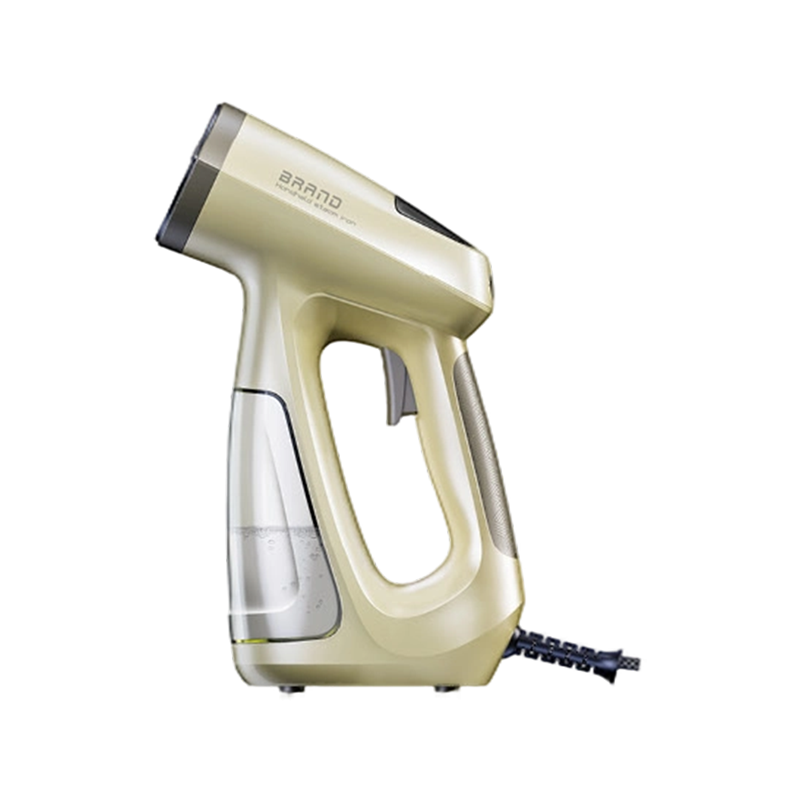
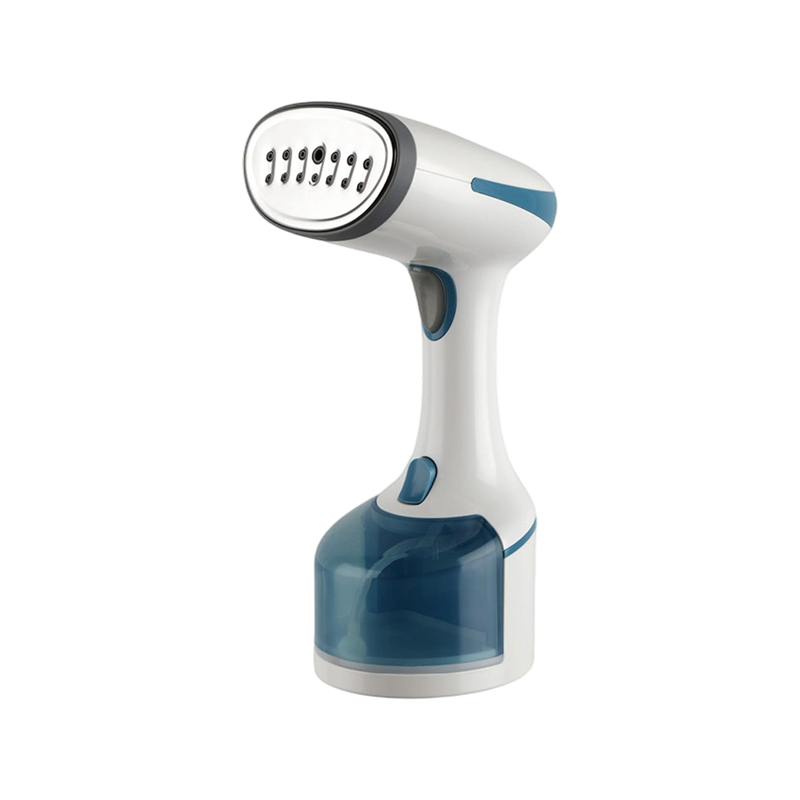
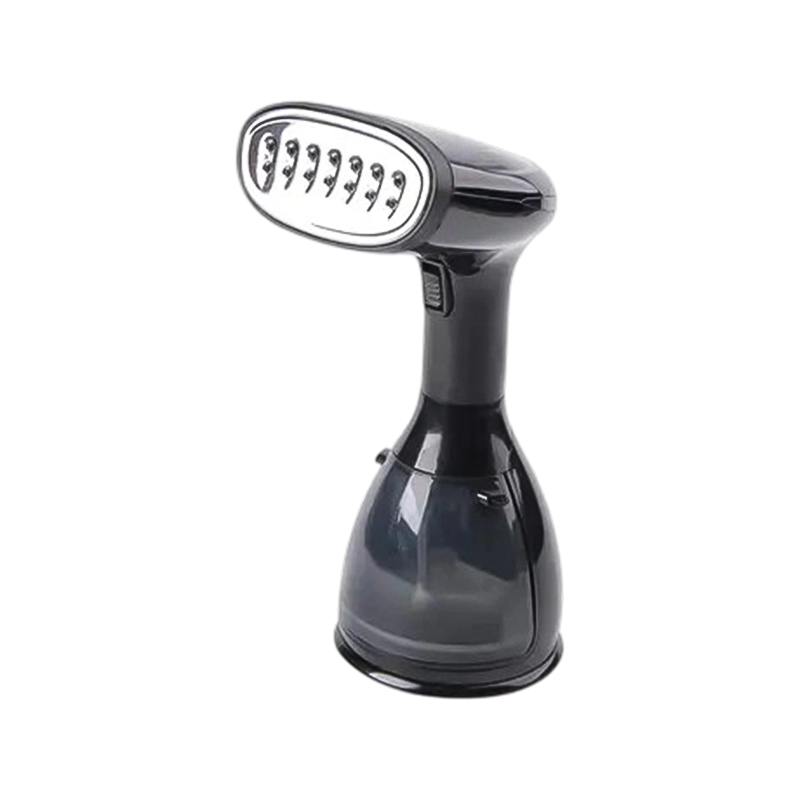 MW-801 Series 1500W Stainless Steel Handheld Garment Steamer with Hair BrushClassic handheld garment steamer with 280ml detachable tank, 7-hole stainless steel panel, and MW-801S three steam levels for suits, nylon, silk, cotton.View Product →
Stainless steel panels, like the MW801 series, tolerate gentle rubbing with a baking soda paste better than soft coatings. They also show less staining from starch over time.
Finally, look for a self-clean or anti-calc function if you live in a hard water area. These features flush scale out of the steam chamber before it reaches the soleplate.
For exclusive deals and latest offers, sign up by entering your email address below.