русский
 Français
 한국어
한국어 عربى
عربى Español
 中文简体
中文简体How to Clean a Steam Iron Plate: Safe Methods for Starch, Scale, and Steam Holes
Admin 2026-10-08Content
Your steam iron leaves a brown streak across a white shirt. You check the soleplate and see a rough, crusty film around the steam holes. That film is not just dirt; it is a mix of burnt starch, mineral scale, and possibly melted synthetic fiber. The good news is that most steam iron plates can be cleaned at home with a few pantry items and about fifteen minutes of careful work. The key is to match the method to the soil type and to avoid scratching the coating. This guide walks through the safest sequence for stainless steel, aluminum, and nonstick soleplates, and it flags the shortcuts that cause permanent damage.
Identify the Soil Before You Scrub
Cleaning a steam iron plate is not a single task. A light brown film from starch behaves differently from a chalky white crust around the steam holes. If you treat scale with a heavy abrasive, you can strip the soleplate coating and create a surface that grabs fabric even faster next time. Start by letting the iron cool completely, then look closely at the plate under a bright light.
- Starch or sizing film: pale yellow to light brown, often smooth and slightly sticky. It builds up when you iron starched shirts or use too much spray starch.
- Mineral scale: white, gray, or chalky deposits, usually concentrated around steam holes and the edges of the plate. It comes from tap water.
- Burnt fabric: dark brown or black hard patches. These appear after the iron sits too long on one spot or the temperature is too high for the fabric.
- Melted synthetic: a shiny, plastic-like smear. Polyester, nylon, or a synthetic blend can melt onto a hot plate and cool into a stubborn film.
| Problem | Appearance | Best first step | Avoid |
|---|---|---|---|
| Starch film | Light brown or white flaky film | Warm damp cloth with mild dish soap | Abrasive scrubbers |
| Mineral scale | Chalky white or gray crust around holes | Equal parts white vinegar and water on a cool plate | Soaking aluminum for long periods |
| Burnt fabric | Dark brown or black hard patch | Baking soda paste and a soft toothbrush | Knife blades or metal scrapers |
| Melted synthetic | Shiny plastic-like smear | Heat slightly and wipe with dry cotton cloth | Picking at it while the plate is cold |
| Blocked steam holes | Weak steam or spitting water | Cotton swab dipped in vinegar | Poking a pin too deep into the channel |
Safety and Basic Tools
Unplug the iron and let it cool on its heel for at least thirty minutes. Never clean a hot soleplate. Steam irons hold residual heat and pressure, and a sudden wipe can cause burns or push water into the electronics. Gather a few items before you start: white vinegar, baking soda, mild dish soap, distilled water, cotton swabs, a soft toothbrush, a microfiber cloth, and a wooden toothpick. Avoid steel wool, scouring powder, and oven cleaner. Those products remove the factory finish and leave scratches that trap starch and scale.
Work in a well-lit area and place a folded towel under the iron to protect the counter. If the manufacturer specifies a particular cleaner, follow that guidance first. Otherwise, the methods below are widely safe for stainless steel, aluminum, and most nonstick plates.
Clean the Soleplate Without Scratching the Finish
Light Film and Starch
For a smooth, faint film, mix one teaspoon of mild dish soap into two cups of warm water. Dampen a microfiber cloth, wipe the cool plate in straight lines, then buff with a dry section of the cloth. Do not pour water directly onto the soleplate. If the film remains, make a paste from two tablespoons of baking soda and one tablespoon of water. Rub it over the stain with your fingertip or a soft cloth, using light circular motions. Leave it for one minute, then wipe away. Baking soda is mildly abrasive, so use gentle pressure on nonstick coatings.
Burnt-On Residue
Burnt fabric needs a little more patience. Mix two tablespoons of baking soda with enough water to form a thick paste. Apply it to the dark patch and let it sit for ten minutes. Use a soft toothbrush to work the paste around the stain, not into the steam holes. Wipe with a damp cloth. For a stubborn patch, repeat the process rather than pressing harder. If the residue still will not move, place a cotton cloth soaked in white vinegar over the cool plate for five minutes. The acid softens the burnt material without scratching the metal.
Melted Synthetic Fibers
Melted polyester or nylon is the hardest soil to remove. Do not pick at it with a knife. Instead, set the iron to its lowest heat setting and let it warm for one minute. Unplug it, then wipe the softened smear with a dry cotton cloth. The plastic should transfer to the cloth. If a thin film remains, use a commercial soleplate cleaner that is approved for your iron type, or a small amount of baking soda paste. Never use a razor blade. A single deep scratch will collect starch and make the problem worse.
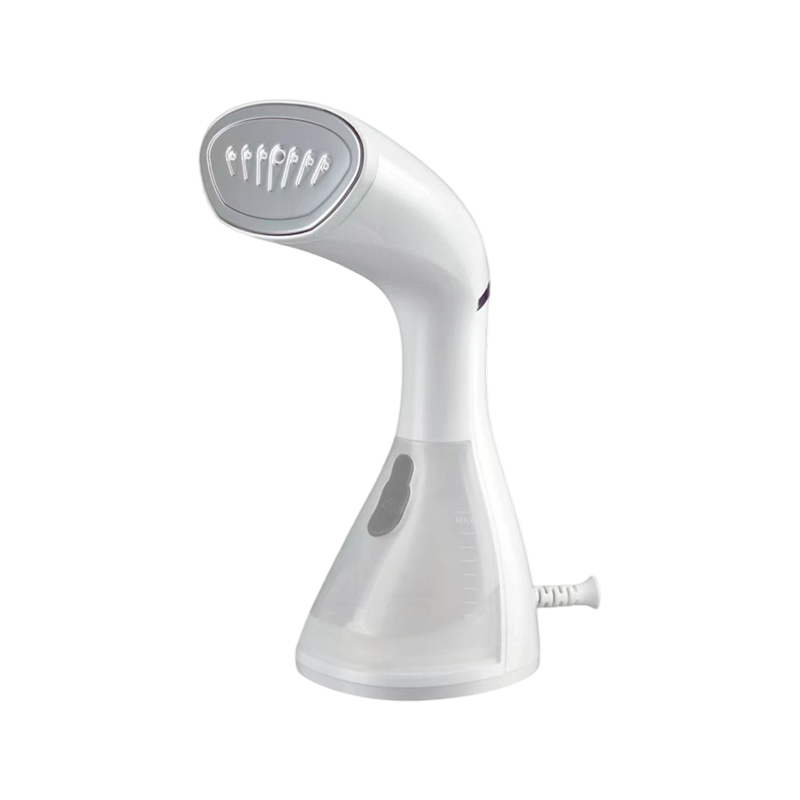
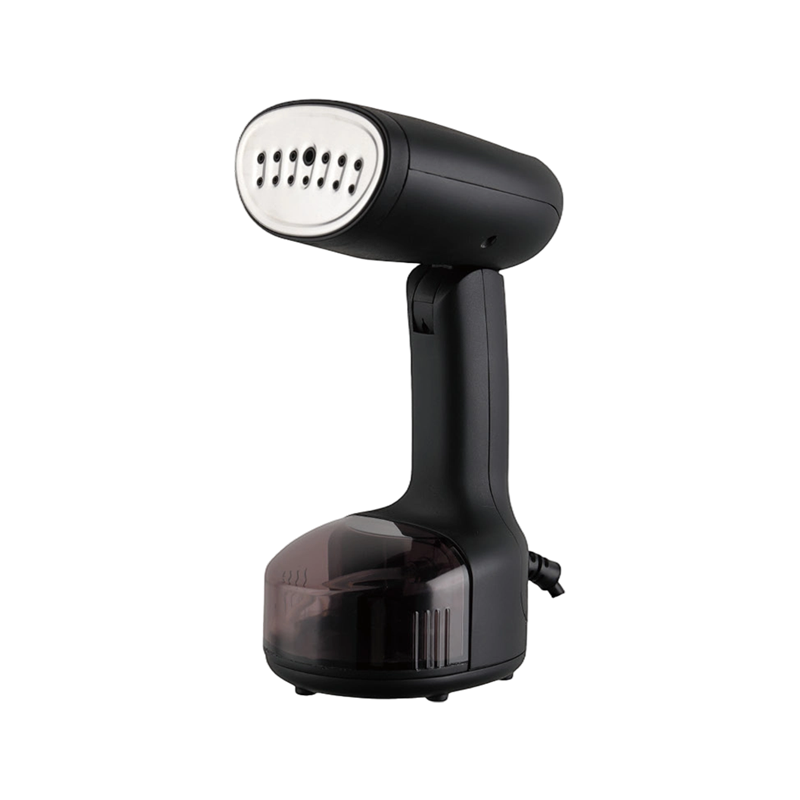
Some handheld steamers and irons are designed with a stainless steel panel and include a small cleaning brush. That combination makes it easier to lift starch and light scale without harsh chemicals. For example, the MW801 series uses a stainless steel panel and ships with a hair brush accessory that can be used gently around the plate.
 MW-801 Series 1500W Stainless Steel Panel Handheld Garment SteamerClassic handheld garment steamer with stainless steel panel, hair brush, and model options for wrinkle care; relevant before scale-cleaning guidance for steam holes.View Product →
Clear the Steam Holes and Vents
Steam holes clog quietly. You may notice weak steam, spitting water, or a white powder around the openings. Dip a cotton swab in white vinegar and press it gently into each hole. Let the vinegar dissolve the scale for a few seconds, then twist the swab. Use a new swab for each row of holes so you do not spread the loosened mineral grit. A wooden toothpick can remove a loose flake at the surface, but do not push it deep into the channel. The internal steam tube is narrow, and a deep poke can pierce the seal.
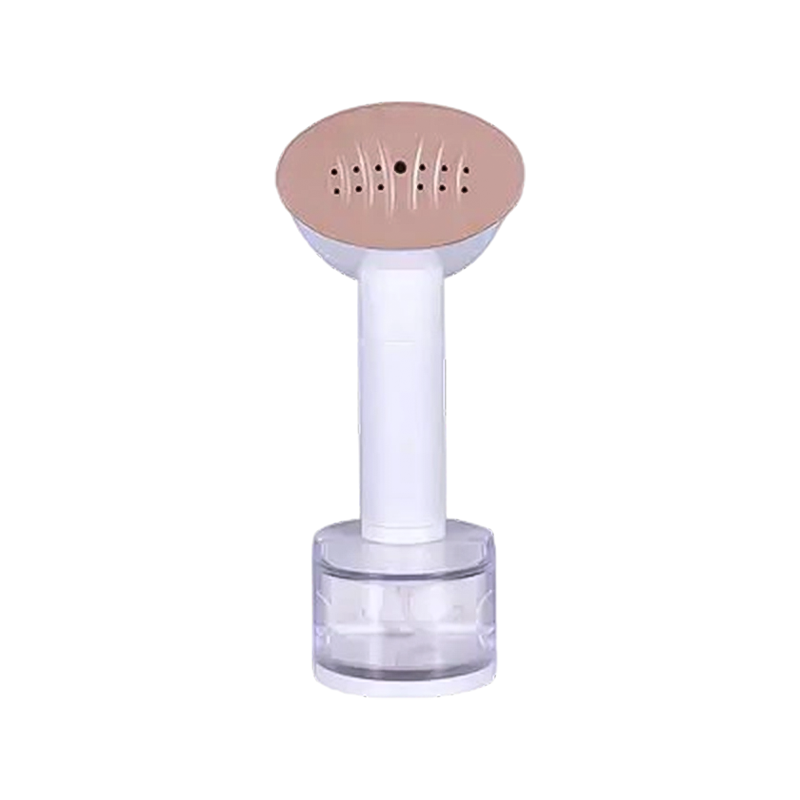
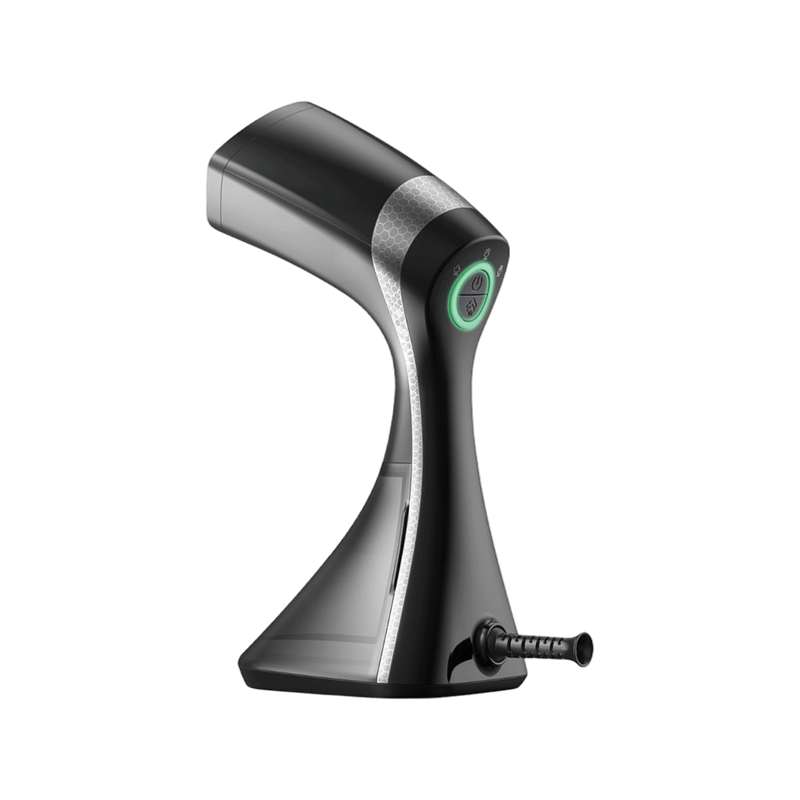
If your iron has a double-row steam hole layout, the holes are usually larger in number but still narrow. A cotton swab dipped in white vinegar can dissolve scale inside each hole. Models such as the MW820 series use a double-row steam hole design and an LED or touch display, which makes it easy to select a low steam setting while you work.
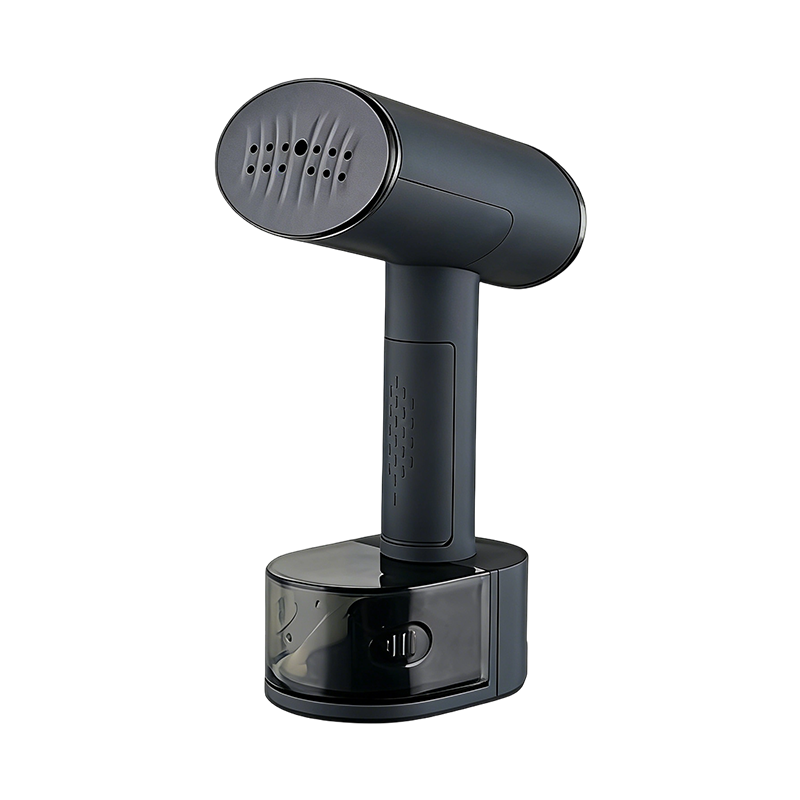 MW-820 Series Double-Row Steam Holes Handheld Garment SteamerHandheld steamer with double-row steam holes, 3-level steam, detachable 300 ml tank, and display options; suited for dry or steam ironing and low-setting fabric care.View Product →
After cleaning the holes, fill the tank with distilled water and run the iron over a clean cotton towel for one minute. This flushes loosened debris through the steam chamber. If the iron spits brown water, repeat the flush until the steam runs clear.
Descale the Water Tank and Internal Chamber
The water tank and internal steam chamber collect the same minerals that block the holes. For a removable tank, empty it and rinse with warm water. For light scale, fill the tank with a 1:1 mix of white vinegar and distilled water. Let it sit for twenty minutes, shake gently, then empty and rinse twice with distilled water. Never leave vinegar in an aluminum tank for more than thirty minutes, because the acid can pit the metal. If your manual warns against vinegar, use a commercial descaling solution made for steam irons.
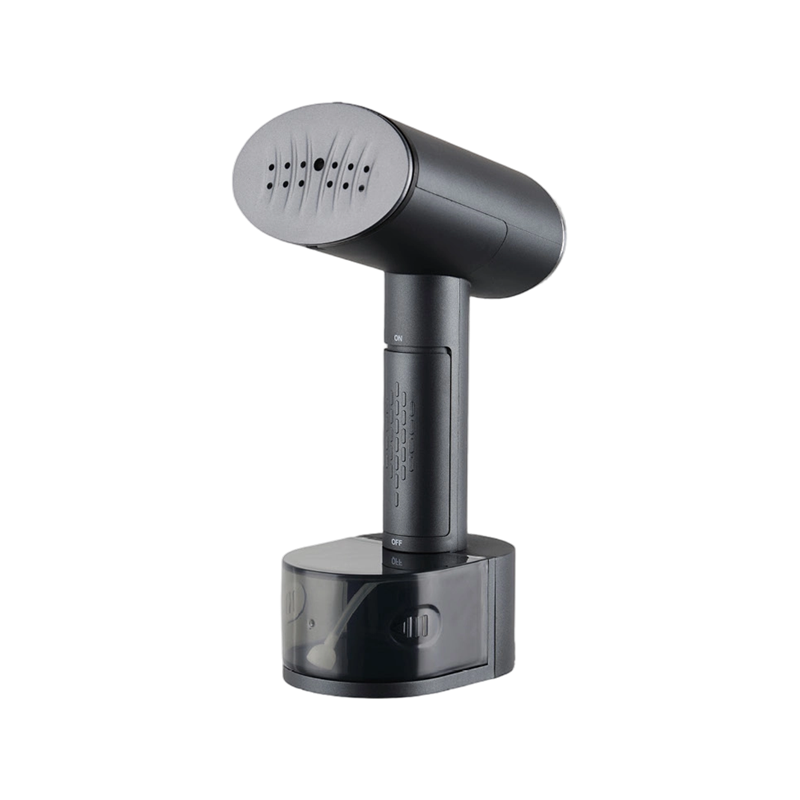
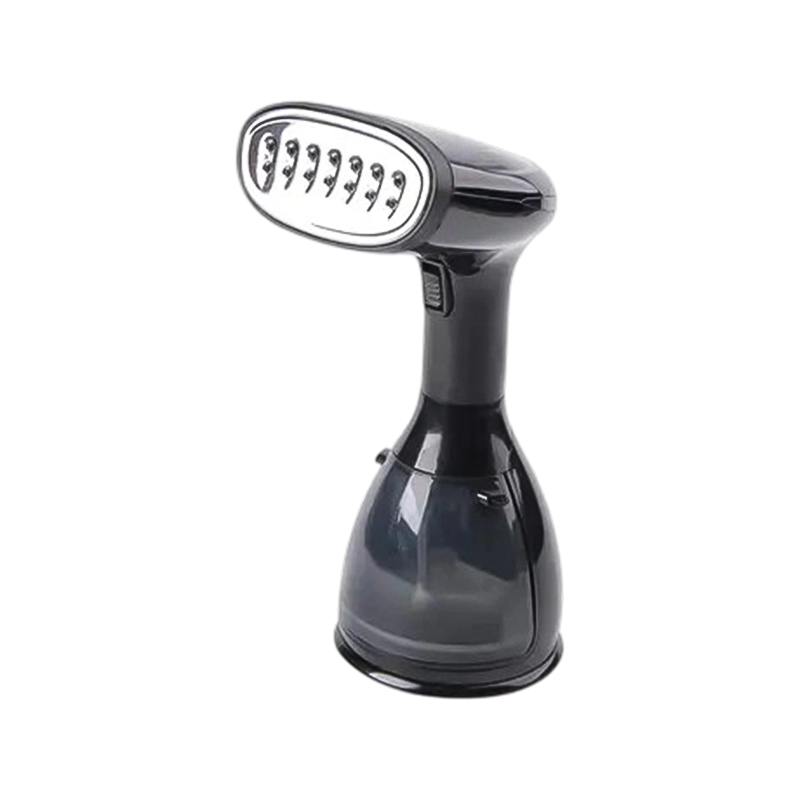
A detachable water tank changes this job from awkward to simple. You can rinse it under a tap, inspect the inside, and soak it separately. The MW812 has a detachable 150 ml water tank and 1000 W of power, so the tank can be removed for descaling without tipping the whole iron.
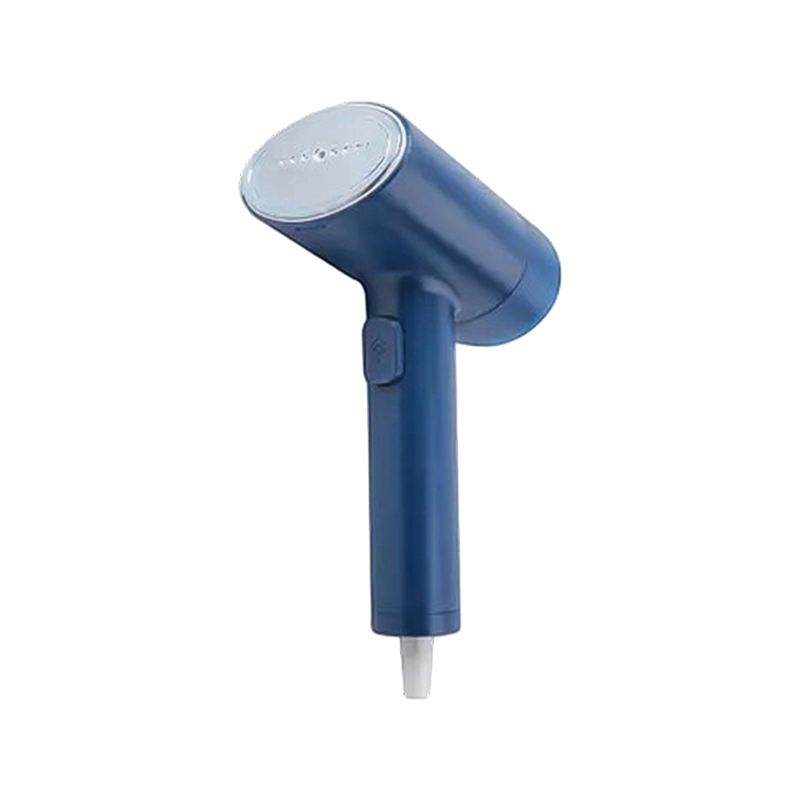 MW-812 1000W Handheld Garment Steamer with Detachable 150ml Water TankLightweight portable garment steamer with detachable 150 ml tank, stainless steel panel, and basic on-off switch; easy tank cleaning before descaling and rinse steps.View Product →
For a fixed tank, use the self-clean or descale cycle if the iron has one. Otherwise, fill the tank with the vinegar solution, heat the iron, and press the steam burst button over a sink or an old towel. Let the iron cool, empty the tank, and refill with distilled water. Run a full tank of plain distilled water through the steam system to remove any vinegar residue.
What Not to Do
Most ruined soleplates are damaged by cleaning, not by ironing. Keep these limits in mind:
- Do not use a metal spatula, knife, or steel wool on any soleplate.
- Do not soak an aluminum plate in vinegar for more than thirty minutes.
- Do not mix vinegar and baking soda in the water tank; the reaction creates foam and can push debris deeper into the steam channel.
- Do not use abrasive bathroom cleaners or bleach on the plate.
- Do not clean the iron while it is plugged in or still warm.
- Do not use tap water for the final rinse if your area has hard water.
Prevention That Actually Works
Prevention is cheaper than repair. Fill the iron with distilled water or a 1:1 mix of distilled water and white vinegar for the final rinse only. Empty the tank after every use, and leave the fill door open to dry. Once a month, run a descaling cycle if your model has one, or follow a guide such as how to clean the scale of the ironing machine. If you buy irons for a retail program, choose a supplier that understands maintenance design. Ningbo Mayway builds both steam irons and hanging ironing machines with export certifications and OEM support, and its product range includes detachable tanks and stainless steel panels that simplify routine cleaning.
Other habits matter too. Iron on the correct temperature for the fabric, and do not let the iron rest face down on the board. Use a pressing cloth over synthetic blends to prevent melt-on. If you use spray starch, clean the plate more often, because starch bakes onto the surface with repeated heat. Store the iron upright with the tank empty and the cord loosely wrapped. These small routines add years to the soleplate and keep steam output steady.
When the Plate Is Beyond Cleaning
Sometimes the coating is already gone. If you see bare metal, deep scratches, or a peeling nonstick layer, cleaning will not restore the surface. A damaged plate can snag delicate fabric and leave dark marks that are difficult to remove. The same is true if the iron leaks water from the tank, trips a circuit breaker, or fails to hold temperature. In those cases, replacing the iron is safer than repeated repair. For commercial buyers, check the soleplate material and tank design before placing a bulk order. A stainless steel panel resists scratching better than a thin nonstick coating, while a detachable tank makes descaling a routine task rather than a risky one. Ask the supplier for the cleaning instructions and available spare parts before you commit to a large shipment.
A clean steam iron plate protects your clothes and your investment. Match the cleaner to the soil, work on a cool and unplugged iron, and never trade patience for a metal scraper. With distilled water, a monthly descale, and a soft cloth, most plates stay smooth for years. If you maintain a fleet of irons for a shop, hotel, or retail program, make soleplate care part of the weekly checklist. That single habit prevents the brown streaks, weak steam, and fabric snags that shorten the life of an otherwise reliable appliance.
For exclusive deals and latest offers, sign up by entering your email address below.