русский
 Français
 한국어
한국어 عربى
عربى Español
 中文简体
中文简体How to Clean a Steam Iron Base Plate and Remove Burnt-On Residue Safely
Admin 2026-10-02Content
- 1 The ten minute routine that works on most steam irons
- 2 Match the method to the plate finish
- 3 Lifting burnt fabric and starch without scratching
- 4 Unclogging the steam holes so the plate stays clean
- 5 Mistakes that permanently damage a base plate
- 6 Habits that keep the plate clean for longer
- 7 When a base plate is past saving
A brown streak on a white shirt and a slight drag as the plate crosses the fabric are the two clearest signs that a steam iron base plate needs attention. The film behind them is usually a mix of scorched fabric fibres, starch from the laundry, and mineral scale that came out of the steam holes and baked onto the metal.
The fix is simpler than most owners expect. Let the iron cool to warm, lift the burned film with a mild acid or a soft baking soda paste, clear the steam holes with a wooden pick, then rinse with distilled water and dry the plate completely. Skip the knife, the steel wool and the scouring powder, because all three strip the protective finish along with the dirt.
The ten minute routine that works on most steam irons
Work through these steps in order. Each one removes a different layer of the problem, and doing them out of sequence usually pushes residue deeper into the surface.
- Unplug the iron and let it stand until the plate feels warm rather than hot, roughly 40 to 50 degrees Celsius. Warm residue lifts easily, a hot plate risks a burn, and a cold plate grips the film.
- Wipe the plate with a damp microfiber cloth to clear loose starch and dust, folding the cloth as you go so you always work with a clean face.
- Mix two tablespoons of baking soda with one teaspoon of water to make a soft paste. Spread it over a cool plate, rub in small circles with a soft cloth or a nylon pad, then wipe it away.
- For brown scorch marks, press a cloth soaked in white vinegar against the plate for ten to fifteen minutes. The acid softens burned fibre and mineral film without cutting into the coating.
- Clear each steam hole with a wooden toothpick. A needle widens the holes and changes the steam pattern, which is hard to reverse.
- Rinse with distilled water, dry the plate with a clean cloth, then steam the iron over an old towel for one minute to push out loosened scale.
In normal home use the plate needs this treatment every two to four weeks, and again after any session with heavily starched shirts or synthetic blends. If you iron daily, shorten the interval to about ten days.
Match the method to the plate finish
The wrong cleaner causes more damage than the dirt itself. Coated plates and bare metal plates react differently to acid, abrasives and water, so check the finish before you choose a product.
| Plate finish | Safe approach | Avoid |
|---|---|---|
| Non stick coating | Warm plate, damp cloth, baking soda paste worked gently | Steel wool, metal scrapers, scouring powder, dishwashers |
| Stainless steel | Vinegar and water wipe, soft nylon pad on starch film, dry straight away | Wire brushes, long soaks, leaving water on the surface |
| Ceramic coating | Warm water with two drops of dish soap, vinegar contact of about ten minutes | Cold water on a hot plate, long acid soaks, sharp tools |
| Aluminium or anodised | Mild soap and a soft cloth, thorough drying after every wipe | Strong alkaline cleaners, soaking, abrasive pastes |
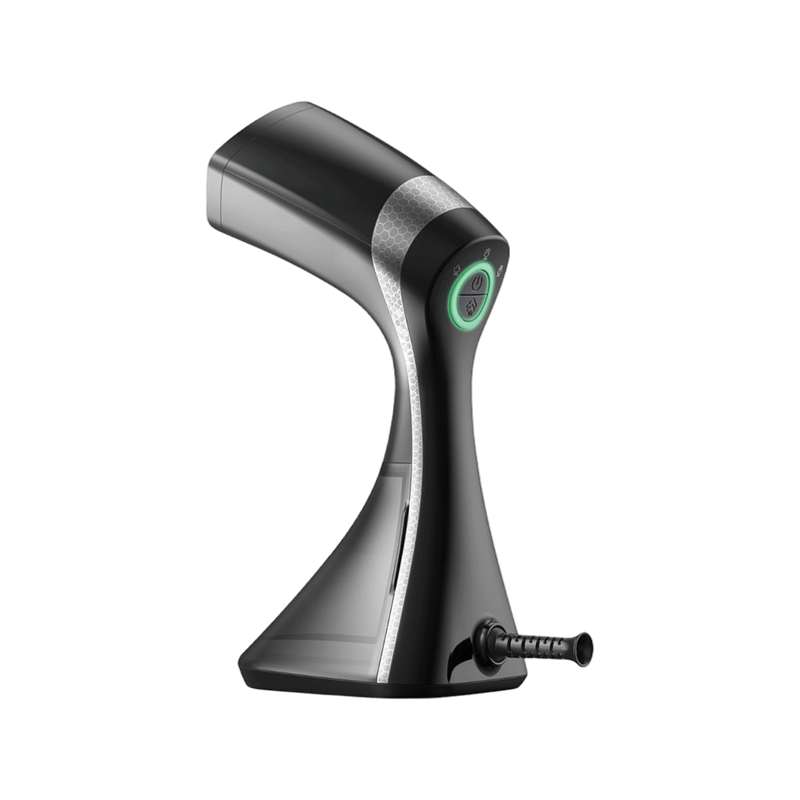
Steam output settings matter here as well. An iron that runs permanently at full steam pushes more scale through the holes and holds more heat on the plate, which is how scorch films start. Models with clear steam level control, such as the four level rotatable steam iron MW819F, let you match the setting to the fabric instead of leaving it on maximum.
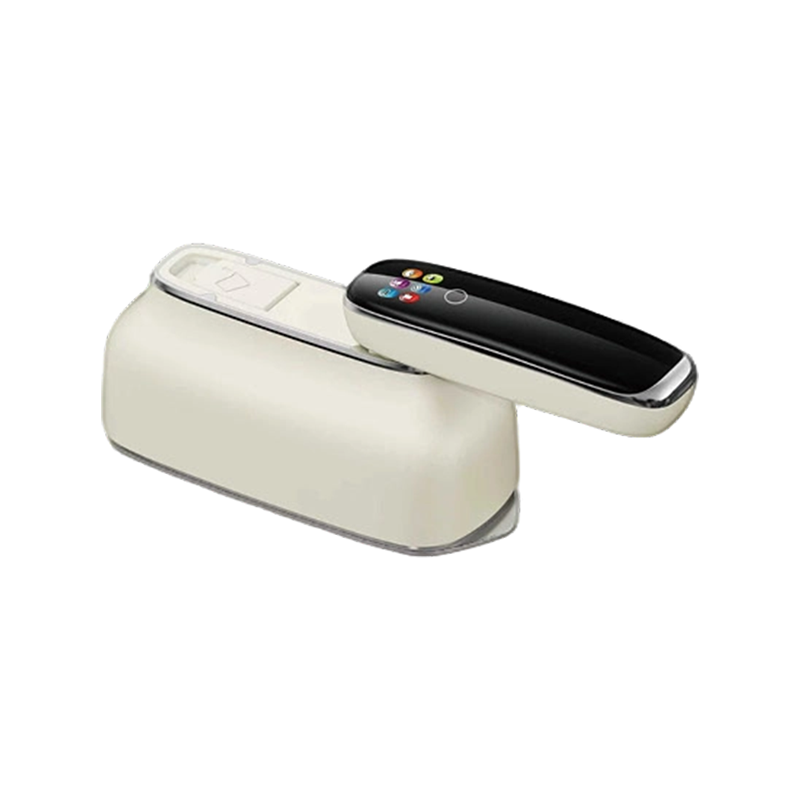 4 Steam Level Rotatable Garment Steam Iro MW-819FTouchscreen Steam Iron with 180° Rotating HandleView Product →
Whichever finish you own, test a new cleaner on a small area near the edge of the plate first and wait a day. A coating that reacts badly usually shows a dull patch or a slight tackiness within that time.
Lifting burnt fabric and starch without scratching
Scorch marks arrive from two directions. A plate that runs too hot carbonises starch and cotton fibres into a brown film, while a synthetic blend can melt and transfer a thin plastic layer that grips every shirt ironed afterwards. Both respond to the same treatment, and patience matters far more than pressure.
One traditional method still works well on a light film. Set the iron to its lowest temperature with the steam switched off, lay a clean cotton towel on the board, sprinkle a thin layer of table salt over it and pass the warm plate over the salt for ten to fifteen seconds. The salt lifts the film without gouging the metal. Do not repeat the trick on a plate whose coating has already started to flake.
Starch and fabric sizing leave a grey haze that looks like wear but is only a deposit, and it comes away with a cloth dampened with one part white vinegar and one part water. Most domestic irons work between 110 and 200 degrees Celsius depending on the setting, and running a synthetic blend at the top of that range rebuilds the film you just removed.
Unclogging the steam holes so the plate stays clean
Blocked steam holes are the hidden cause of many dirty plates. When scale builds inside the chamber, water leaves in droplets instead of vapour, and those droplets flash into mineral spots that bake onto the metal on the next pass.
The cleanout takes a few minutes. Switch the iron off and let it cool. Mix equal parts distilled water and white vinegar, pour the mixture into the tank to about half its capacity, then switch the iron on and hold it over a sink or an old towel while it steams. Let it run for two to three minutes, switch off, empty the tank and flush it twice with plain distilled water. Holes that stay blocked can be cleared with a wooden toothpick once the plate is cool.
The same acid and flush routine is used for heavier scale inside steam generators, and the principles behind removing scale from an ironing machine apply to a hand iron as well. If the tank smells sour afterwards, run one more cycle with plain water and let the iron dry with the fill cover open.
Mistakes that permanently damage a base plate
Most ruined plates are not worn out. They are scraped, stripped or warped, and the damage usually happens in the first minute of cleaning.
- Wiping a fully hot plate with a cold wet cloth, which can warp a thin soleplate and crack a ceramic coating.
- Scraping residue with a knife, a metal spatula or a screwdriver. Every pass cuts a groove that traps the next layer of dirt.
- Using steel wool or scouring powder on a coated plate, where a non stick layer disappears after only a few strokes.
- Running a detachable plate through a dishwasher, where hot detergent attacks both the coating and the fittings.
- Submerging the whole iron in water or vinegar to reach the plate.
- Skipping the final dry, which leaves mineral rings that bake hard the next time the iron heats up.
Habits that keep the plate clean for longer
Hard tap water is the single biggest contributor to plate residue. If a kettle in your kitchen furs up within a few weeks, your iron will do the same.
- Fill the tank with distilled or filtered water when the local supply is hard.
- Empty the tank after every use and leave the fill cover open so the chamber dries.
- Store the iron upright on its heel so the plate touches nothing.
- Wipe the plate with a dry cloth while it is still slightly warm, once a week.
- Match the temperature dial to the fabric and drop it two steps for blends.
- Steam the iron over an old towel for thirty seconds before pressing a white shirt.
Plate finish and tank design are worth checking early when you source irons for a retail programme, because both decide how often a customer will need to clean. Our own steam iron range uses stainless steel and coated panels with different steam levels, which gives buyers a clear step between entry and premium models.
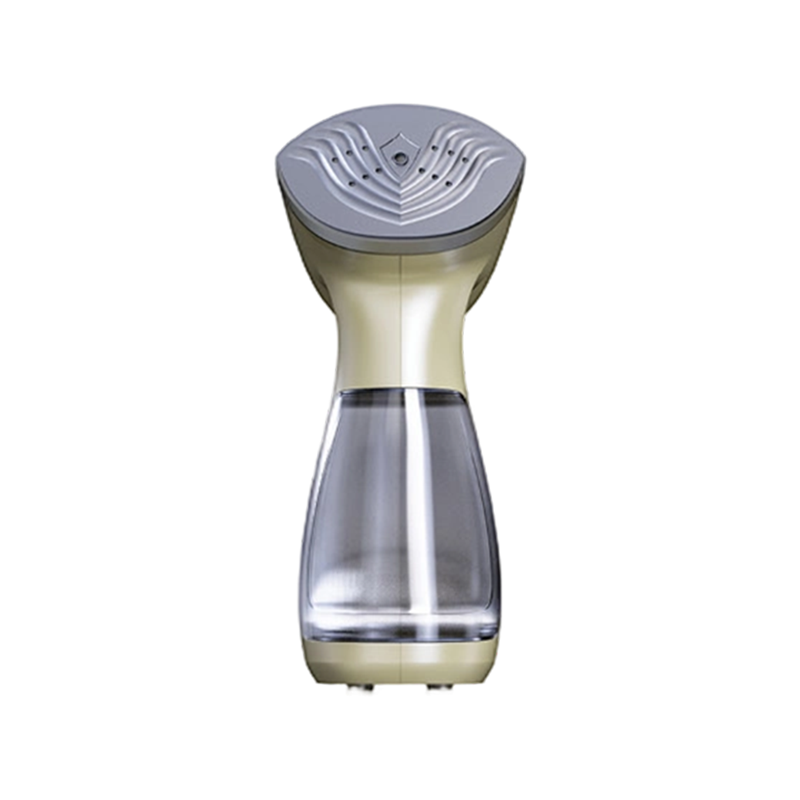 Multiple Ironing Modes Garment Steamer MW-835Multi-Mode Garment Steamer with Knob ControlView Product →
Irons with several ironing modes, such as the MW835, help owners stay at a lower temperature for most fabrics, and lower temperatures mean less scorching and fewer cleaning sessions over the life of the appliance.
When a base plate is past saving
Cleaning restores a plate that is dirty. It cannot restore a plate that is damaged. Three signs mean the surface is finished. The coating flakes in patches, brown marks return within one or two sessions after a thorough clean, or deep grooves hold residue that no cloth can reach.
A scratched plate also snags delicate fabrics, so continuing to use it costs more in ruined clothing than a replacement iron costs. If you are buying again, look for a plate you can inspect easily and a control that shows the working temperature before the plate touches the cloth. A model with a touch screen and LCD display, such as the 2 in 1 rotatable steam iron MW826 or MW826A, makes the setting visible, which is the simplest way to avoid the scorch marks that started the problem.
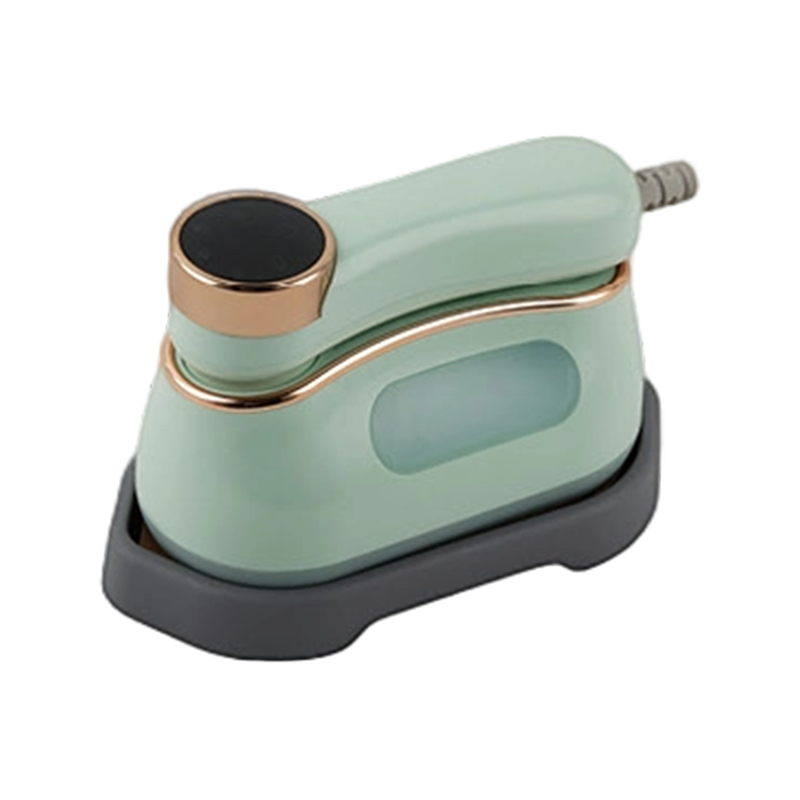 Touch Screen 2 in 1 Rotatable Rotatable LCD display Garment Steamer & Steam Iron Model nNoAdvanced Touchscreen Steam Iron with Smart FeaturesView Product →
Cleaning a steam iron base plate comes down to three habits rather than three products. Keep the plate warm but never hot, use a mild acid or a soft paste instead of anything abrasive, and dry the surface completely before the iron goes back in the cupboard. Do that every few weeks, clear the steam holes whenever the spray turns spattery, and a single iron will glide cleanly for years.
For exclusive deals and latest offers, sign up by entering your email address below.