русский
 Français
 한국어
한국어 عربى
عربى Español
 中文简体
中文简体How to Clean a Steam Iron: Remove Scale, Buildup, and Clogged Steam Vents
Admin 2026-10-01Content
- 1 Why Steam Irons Get Dirty in Two Different Ways
- 2 What You Need Before You Start
- 3 How to Clean the Soleplate Step by Step
- 4 Clearing Clogged Steam Vents
- 5 How to Descale the Inside of a Steam Iron
- 6 What Not to Do
- 7 Habits That Cut Cleaning Time in Half
- 8 How Often to Clean Based on Your Water
- 9 Design Details That Make Cleaning Easier
A dark cotton shirt comes off the hanger, the steam iron glides across the shoulder, and a chalky white flake lands on the fabric. A few strokes later the soleplate leaves a brown streak behind. Nothing has failed. Almost every steam iron problem starts in one of two places, mineral scale inside the water path or a burnt film on the outside of the plate.
Both are fixable at home in about twenty minutes with white vinegar, baking soda, distilled water, cotton swabs and a soft cloth. The rule that matters most is matching the treatment to the soleplate material, because vinegar is ideal for stainless steel and damaging to bare aluminium. The sections below separate those two jobs, explain how to descale the tank, and show how to tell when cleaning is due before the iron marks your clothes.
Why Steam Irons Get Dirty in Two Different Ways
Tap water carries dissolved calcium and magnesium. When the water boils into steam, those minerals stay behind and harden into scale across the heating element, the tank walls and the steam channels. Scale narrows the steam holes, cuts steam output, and eventually breaks loose as the white flakes that mark a freshly pressed shirt.
The plate has a separate problem. Starch spray, fusible interfacing and synthetic blends pressed at too high a temperature leave a polymer film that grips fabric and drags it across the board. Cleaning the plate will not fix a scaled tank, and descaling will not remove a burnt film, so identify the symptom before choosing a method.
| Symptom | Where it appears | Likely cause | Correct treatment |
|---|---|---|---|
| White flakes on fabric | Steam vents and plate edges | Mineral scale from hard tap water | Descale the tank and clear the vents with diluted vinegar |
| Brown or yellow streaks | Soleplate surface | Burnt starch, sizing or synthetic fibre | Baking soda paste on a cool plate, then wipe with a damp cloth |
| Weak or uneven steam | Steam holes | Blocked vents and scale in the channel | Cotton swab with diluted vinegar, then flush with a steam cycle |
| Spitting and dripping | Soleplate holes | Tank overfilled or left full between sessions | Empty the tank after every use and refill only to the maximum line |
| Iron drags or sticks | Whole plate | Residue film or a scratched coating | Clean the plate gently and stop using metal pads |
What You Need Before You Start
- White vinegar, about one cup
- Distilled or filtered water for the rinse cycles
- Two tablespoons of baking soda
- Cotton swabs or a soft brush, plus a clean cloth
- One old towel and a shallow tray to work over
Unplug the iron and let it cool for at least thirty minutes. Thermal shock cracks a soleplate coating and hot water burns, so there is no shortcut here. Work near a sink, but never place the iron in it, because water must stay out of the housing and the electrical connections.
How to Clean the Soleplate Step by Step
- Empty the water tank and rest the cool iron upright on a folded towel.
- Mix two tablespoons of baking soda with about one teaspoon of water into a thick paste.
- Spread the paste over the plate with a cloth, keeping it clear of the steam holes, and leave it for two minutes.
- Wipe the paste away with a damp cloth, using light pressure and letting the baking soda do the work.
- For residue that will not lift, lay the old towel flat and run the warm iron over it at the lowest setting with the steam switched off until nothing transfers to the towel.
- Dry the plate and inspect it in daylight before pressing a real garment.
Aluminium Soleplates Need Gentler Care
Aluminium heats quickly and keeps compact models light, which is why travel steamers such as the Mayway MW810 with its 250ml tank use an aluminium panel. Bare aluminium reacts with acid. Vinegar, lemon juice and salt will pit the surface and leave a rough grey finish that snags silk and polyester, so on aluminium stay with baking soda paste, plain water and a soft cloth.
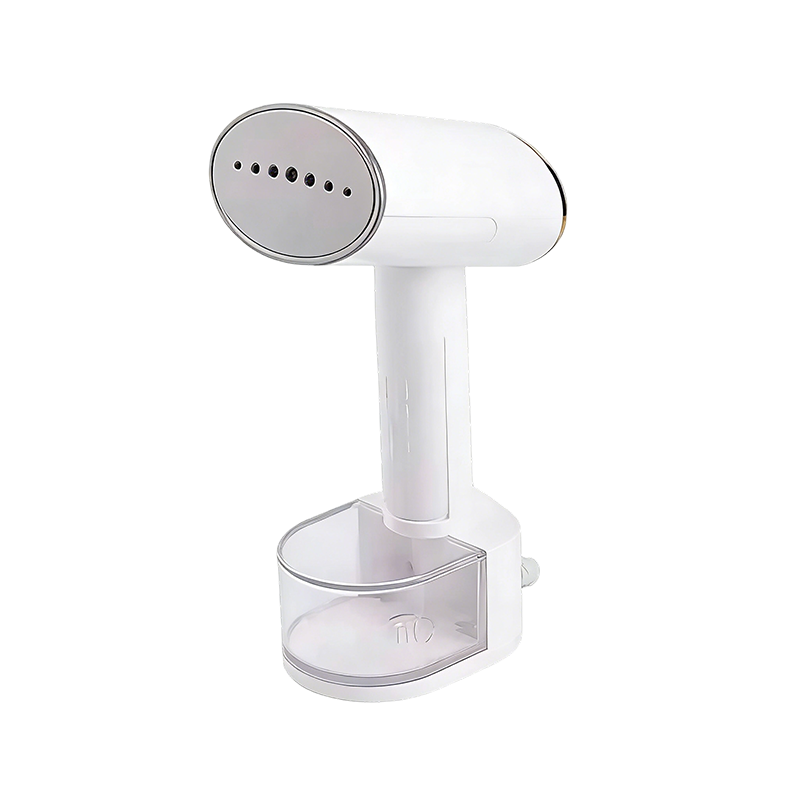 Dry, Steam Ironing Aluminium Panel Portable White Garment Steamer 250ML Capacity MW-810This steamer is made of aluminium panel, which can be folded flat. It features a detachable water tank and a large aluminum panel with a non-stick soleplate or ceramic...View Product →
Stainless Steel and Ceramic Coatings
Stainless steel tolerates mild acid and responds well to the vinegar methods described below. Ceramic and non stick coatings are the opposite. They scratch easily, so keep abrasive pads and sharp scrapers away and use baking soda paste with a cloth only.
Clearing Clogged Steam Vents
Clogged vents are the reason an iron starts spitting instead of steaming. Dip a cotton swab in equal parts white vinegar and distilled water, press it into each steam hole and twist gently. Replace the swab as soon as it turns grey or white with scale, and work one row at a time so no hole is missed.
Never use pins, needles or paper clips. They widen the holes, scratch the internal channel and make spitting worse. Once the vents are clear, fill the tank with distilled water, set the highest steam setting and press the iron over an old towel for two minutes to flush the loosened scale out of the system.
How to Descale the Inside of a Steam Iron
Internal scale is invisible until it changes performance. Steam output drops, heating slows down, and white dust appears on dark fabric. The vinegar cycle below handles routine buildup for far less than a commercial descaler.
- Mix equal parts white vinegar and distilled water. One cup of each is enough for most household irons.
- Pour the mixture into the tank, never higher than the maximum fill line.
- Set the iron to its highest steam setting and press it over an old towel until the tank is empty. The first steam may smell sharp, which is the vinegar lifting scale rather than a fault.
- Let the iron cool, refill with clean distilled water and repeat the flush twice so no acid remains in the tank.
- Empty the tank completely and store the iron upright with the fill cover open to dry.
A self clean or anti calc button is a final step, not a replacement for the vinegar cycle. These functions work on light scale and do nothing for a heavily scaled tank. The same fill, steam, rinse and dry sequence applies to garment steamers, and the guide to removing scale from an ironing machine follows exactly that logic.
What Not to Do
- Do not use steel wool, scouring powder or metal scrapers on the soleplate.
- Do not immerse the iron in water or place it in a dishwasher.
- Do not store vinegar in the tank, because acid left against seals and gaskets for weeks causes leaks.
- Do not add salt, fabric softener or scented oils to the water.
- Do not poke the steam holes with pins or paper clips.
- Do not descale while the iron is hot or still plugged in.
Habits That Cut Cleaning Time in Half
- Fill with distilled or filtered water, which removes most scale before it forms.
- Empty the tank after every session, even a short one.
- Wipe the plate with a dry cloth while it is still slightly warm, when residue lifts easily.
- Store the iron upright so the plate never rests on a damp surface.
- Run a two minute steam cycle over an old towel once a month to keep the vents open.
How Often to Clean Based on Your Water
Scale builds at a speed set by water hardness rather than by the calendar. If a kettle in the same kitchen crusts over within weeks, treat the iron as if it will do the same.
| Water type | Wipe the soleplate | Descale the tank |
|---|---|---|
| Distilled or filtered water | Once a week | Every three to four months |
| Moderately hard tap water | Once a week | Every six to eight weeks |
| Very hard tap water with visible crust on taps | After every two or three uses | Monthly |
| Untreated well water | After each use | Monthly, and switch to distilled water where possible |
Design Details That Make Cleaning Easier
Buyers usually rank cleaning effort below steam output and price, yet it decides how the appliance feels after a year of use. Three features do most of the work. A detachable water tank, such as the 150ml reservoir on the Mayway MW812, lets you rinse and dry the tank directly instead of flushing the whole body. A wide fill opening keeps that rinse quick and water off the housing. Double row steam holes spread steam over a wider area and are easier to flush than a single narrow row.
A dry and steam dual mode is the third advantage. Switching to a dry pass at the end of a session clears moisture from the vents, which reduces the mineral deposits that form when water sits in the channel overnight. The Mayway MW827F is built around that dual mode, so the plate can be finished dry once the steam work is done.
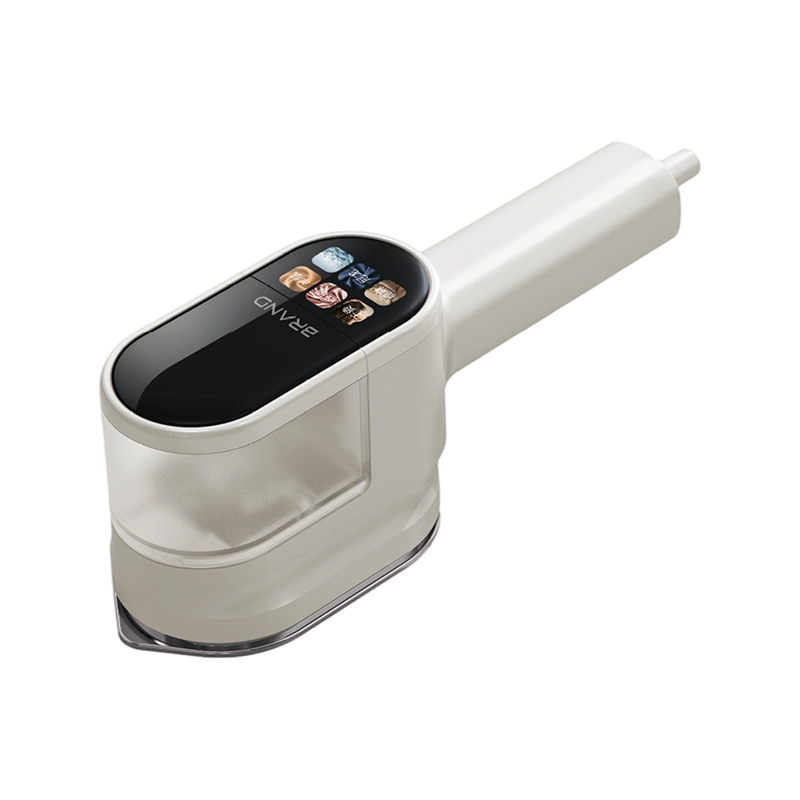 Dry Ironing &steam Ironing Steam Iron MW-827FIntelligent LCD Touchscreen Steam Iron with Fabric-Specific CareView Product →
For heavier use, the MW825 series pairs a stainless steel panel with double row steam holes and up to three steam levels. That combination keeps maintenance simple, because the panel tolerates mild acid and the vents stay accessible from the outside.
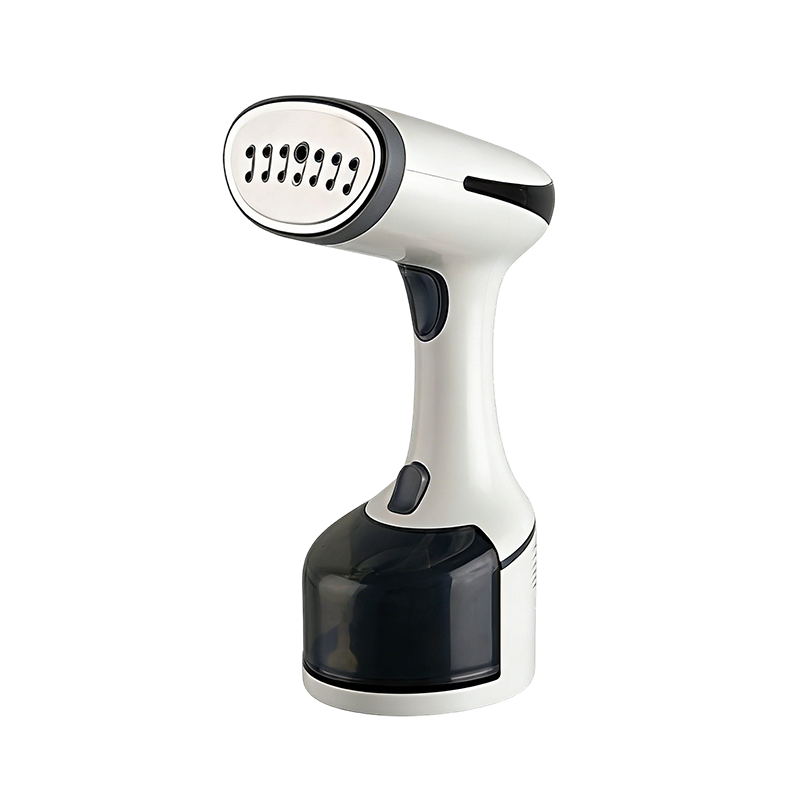 Double-Row Steam Holes Stainless Steel Panel Handheld Garment Steamer MW-825C (1 Level of Reliable Steam Iron Series with Stainless Steel SoleplateView Product →
Mayway is a steam iron and hanging iron manufacturer based in Yuyao, Ningbo, supplying private label and OEM programs to buyers across Europe, the Middle East, Russia, Asia and South America. Product approvals include CE, GS, CB, ROHS, ERP and PAHs, alongside ISO 9001 and BSCI at factory level. Buyers who need the full picture of capacity, panel materials and certification scope can review the company profile and certifications before specifying a model.
A steam iron rarely needs replacing when it starts spitting or dragging. Thirty seconds to empty the tank after each use, two minutes to clear the vents with a swab, and twenty minutes for a vinegar descale once a month or two will keep steam output steady and the soleplate clean. Check the water you use, follow the schedule that matches it, and treat aluminium plates with baking soda alone. The reward is simple, garments that come off the board with no flakes, no streaks and no shiny patches.
For exclusive deals and latest offers, sign up by entering your email address below.