русский
 Français
 한국어
 عربى
 Español
 中文简体
Steam Iron Settings Explained: Temperature, Steam Levels and Fabric Guide
Admin 2026-10-23Content
- 1 What the controls on a steam iron actually do
- 2 Temperature settings by fabric type
- 3 Steam level settings and when each one pays off
- 4 When the steam selector should stay off
- 5 Water quality is the hidden setting
- 6 Settings on 2-in-1 and handheld steam irons
- 7 Four setting mistakes and what they cost
- 8 Specifying steam iron settings for OEM and bulk orders
A cotton shirt and a silk blouse can come out of the same laundry basket, but they cannot share one dial position. Set a steam iron hot enough for cotton and a silk panel can glaze and turn dull; leave it cool enough for silk and the cotton creases survive the whole cycle. Steam iron settings are a matching exercise, not a memorized number.
The short answer first: pick the temperature by the most delicate fabric in the load, add the least steam that releases the crease, and treat water quality as part of the setting rather than an afterthought. The sections below explain why those three choices interact, what each dial position really does, and where the typical mistakes show up on finished garments.
What the controls on a steam iron actually do
A steam iron is not one setting. It is three controls working together, plus a fourth variable that no dial can capture.
- Temperature dial or thermostat: sets the soleplate temperature, usually marked in dots from one to four or in degrees Celsius. This is the control that decides whether a fiber relaxes or scorches.
- Steam selector: chooses dry, light continuous steam, full steam, or a burst. Steam softens fibers and lets the weight of the iron do more of the work.
- Spray and water tank: adds surface moisture for stubborn creases, but also adds the minerals in your water to the soleplate and the fabric.
- Technique: ironing speed, pressure and whether the garment is flat or hanging. Fast passes over a hot soleplate on a delicate fabric are how shine marks appear.
Most complaints about scorching, spitting or shiny patches trace back to a mismatch between these controls rather than to a faulty appliance.
Temperature settings by fabric type
Start with temperature, because it is the setting that can permanently damage a garment. The ranges below reflect the working values of most household steam irons sold into Europe and North America. Treat them as a starting point and test an inside seam or hem first.
| Fabric group | Dial position | Soleplate range | Steam setting | Practical note |
|---|---|---|---|---|
| Acetate, acrylic, nylon, silk, lace | Lowest, one dot | 70 to 110 C | Steam off, or use a pressing cloth | Water droplets can mark silk; keep the iron moving. |
| Wool, polyester, rayon, blends | Low to medium, two dots | 110 to 150 C | Light continuous steam | Steam wool from the reverse side to avoid flattening the surface. |
| Cotton blends, cotton shirts | Medium to high, three dots | 150 to 200 C | Medium to full steam | Short bursts work well on collars, cuffs and plackets. |
| Linen, denim, canvas | Highest, four dots | 200 to 230 C | Full steam with bursts | Iron slightly damp for the cleanest finish on linen. |
Care labels carry the final authority. If a label shows one dot, no amount of steam makes a higher temperature safe, and two or three gentle passes at a low setting are almost always safer than one aggressive pass.
Steam level settings and when each one pays off
The rule that saves the most garments is simple: use the least steam that removes the crease. More steam is not better steam. Excess moisture spots synthetics, and on dark wool it can leave a dull sheen that no second pass will fix.
- Dry: for synthetics, vinyl, embossed fabrics, and anything with a heat-sensitive print or applique.
- Light continuous steam: for knits, wool, blends and shirts that only need a refresh after hanging.
- Full steam: for cotton, linen, denim and heavier home textiles such as tablecloths and curtains.
- Steam burst: a short surge for one problem area, such as a folded hem, a set-in sleeve seam or a suitcase crease. It is not a setting to hold down while crossing a whole panel.
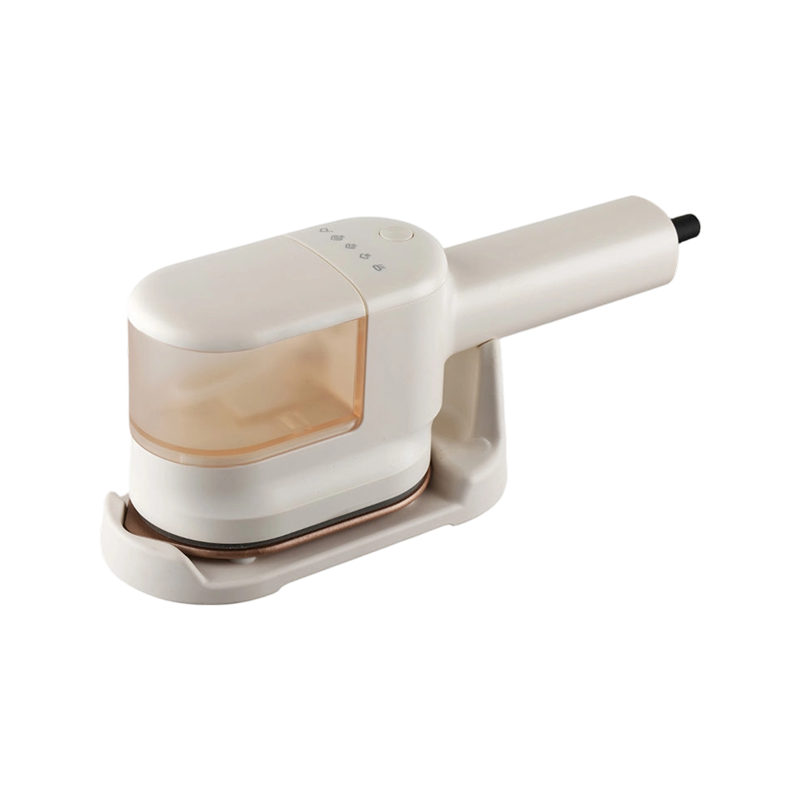
On a basic two-position iron you only get dry or full steam, which is why buyers moving from a fixed switch to a multi-level model notice a real difference. A model such as the four-level MW819F provides intermediate steps between dry and maximum output, so a wool jacket and a linen shirt no longer have to share the same amount of moisture.
 MW819F Four Steam Level Rotatable Garment IronFour steam levels and a rotatable handle make it useful for wool, linen, and upright garment care, bridging dry and full-steam settings.View Product →
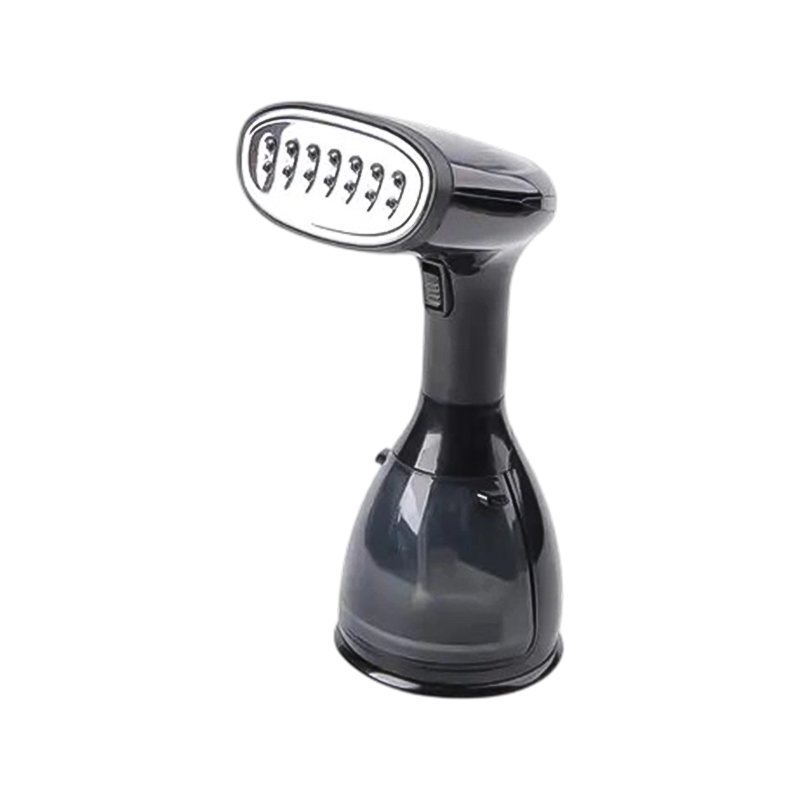
Vertical steaming deserves its own note. When the garment hangs and the iron is held upright, the temperature dial matters less and steam output matters more, because the fabric is not touching the soleplate. Hold the head a few centimeters away from the surface and let the steam do the work.
When the steam selector should stay off
Dry ironing is not a downgrade, it is the correct setting in several common situations. Turn steam off for coated or waxed fabrics, for garments with glued interfacing that can bubble, for anything with sequins or beads, and for dark synthetics that spot easily. If a crease refuses to move, a light spray before ironing beats a longer steam burst, because the moisture then comes from a surface you control rather than from the tank.
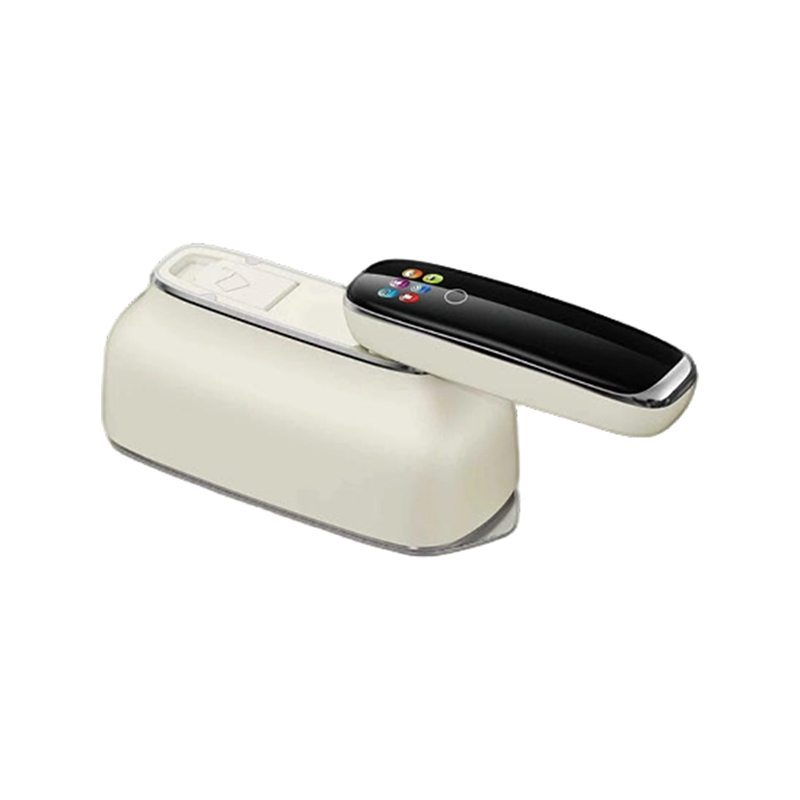
Two-in-one designs make this easier because one tool covers both modes. The MW827F is built as a dry and steam unit, so a dry pass on a delicate panel and a steam pass on a cotton shirt are one operation apart rather than two appliances apart.
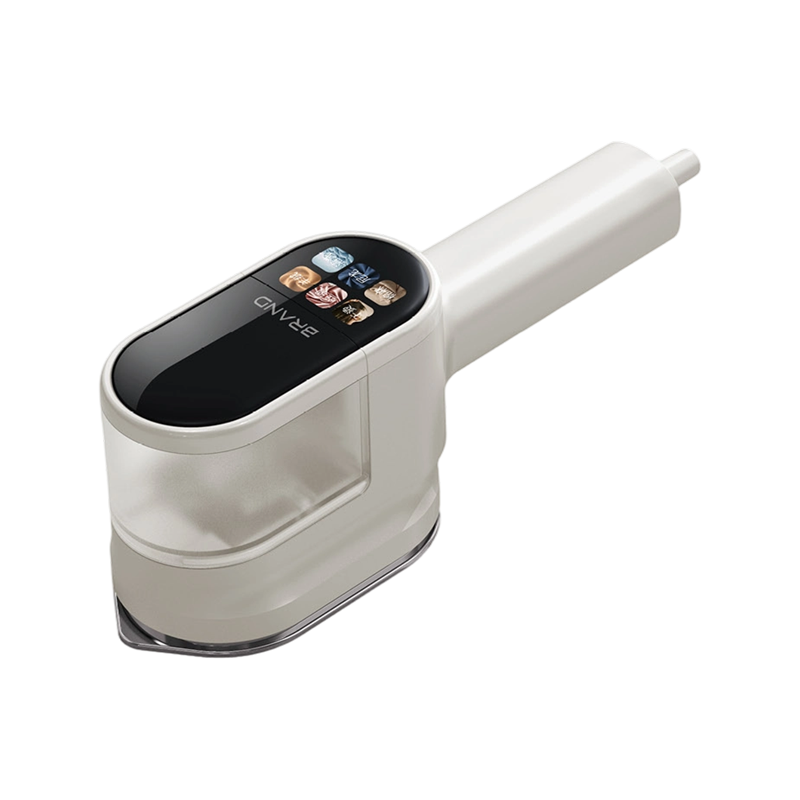 MW827F Dry and Steam Iron with LCD TouchscreenA two-in-one dry and steam iron with four fabric modes and self-cleaning, useful when switching between delicate dry passes and cotton steam.View Product →
An iron set to full steam on hard water will eventually spit white flakes onto a dark shirt and clog its steam holes. This failure surprises owners most, because the temperature and steam dials are correct and the fault sits upstream of both.
- Use distilled or demineralized water in hard-water areas, or follow the manufacturer guidance if tap water is permitted.
- Empty the tank after every session. Standing water is what forms scale and odor.
- Run a descaling or self-clean cycle at the interval in the manual, usually every few weeks of regular use.
- If steam output drops at the same dial position, descale before raising the setting.
In professional use the fabric is not the only casualty. Scale lifted from the soleplate transfers to the garment as brown marks, and those marks are usually permanent on light-colored cotton.
Settings on 2-in-1 and handheld steam irons
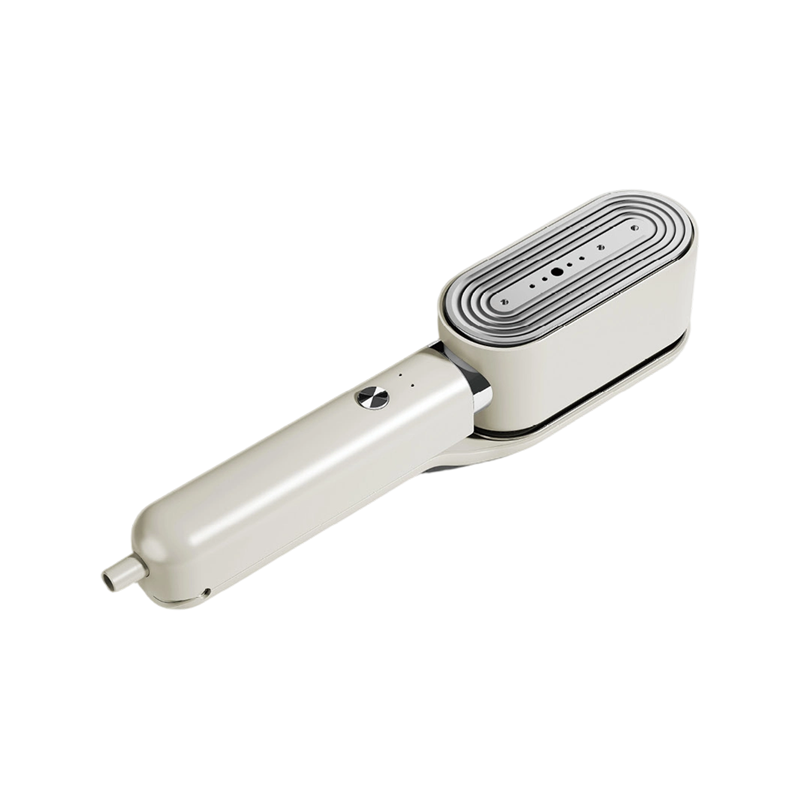
Rotatable 2-in-1 models add one more variable: the same unit can be used flat for pressing or upright for hanging. The temperature dial still applies while the soleplate touches fabric, but in the upright position the useful controls are steam level, distance from the fabric and the angle of the head. Display-equipped models remove some of the guesswork by showing the active steam level and temperature on the handle instead of on a dial you cannot see while working. The MW819 pairs an LCD display with a rotatable 2-in-1 body, which helps when several people share one iron and each wants to confirm the setting before touching a garment.
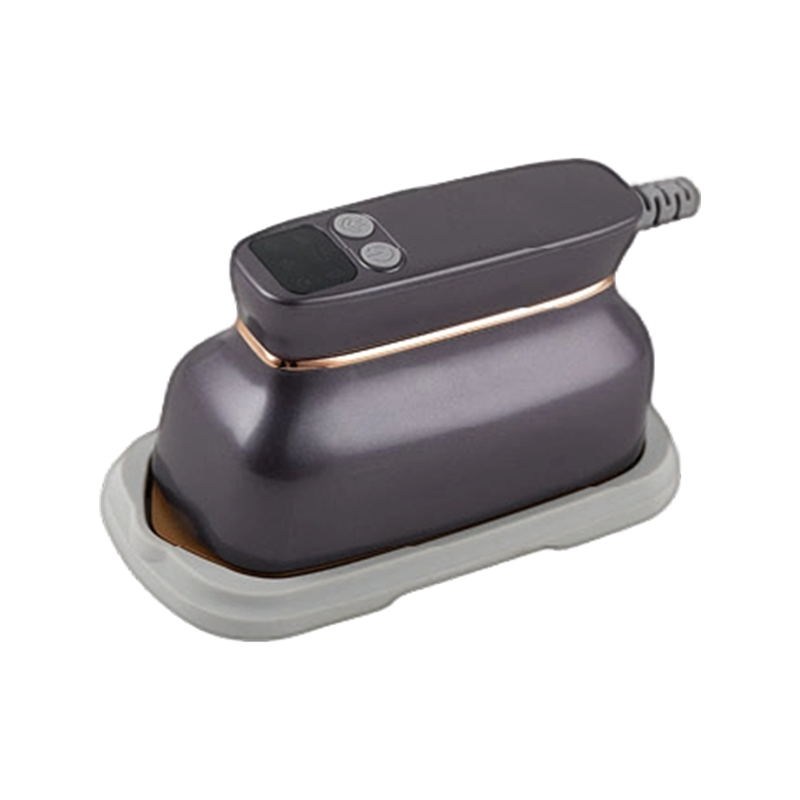 MW819 LCD Display 2-in-1 Rotatable Steam IronWith LCD-displayed steam levels and a rotating 2-in-1 body, it helps shared users confirm settings for flat pressing or upright steaming.View Product →
If you are still working out the sequence, from filling the tank to the final hang, our walkthrough of how to use a steam iron covers the order of operations that keeps results consistent between sessions.
Four setting mistakes and what they cost
- Ironing from heaviest to lightest fabric without resetting the dial. Residual soleplate heat carries into the next garment, and silk after cotton is where most shine marks happen.
- Judging steam by sound rather than by result. A loud burst is not the same as effective steam; the crease should release under light movement.
- Leaving the iron standing on the soleplate between passes. Even at a correct temperature, stationary heat creates a scorch or a shiny patch in seconds.
- Raising the temperature to compensate for weak steam output. This is nearly always a scale problem, and the higher setting simply makes the eventual damage worse.
Specifying steam iron settings for OEM and bulk orders
For importers and brand owners, settings are a design decision, not just a line in the instruction manual. The number of steam levels, the temperature range on the dial, whether a display is fitted, and whether the unit accepts dual voltage all determine which markets a steam iron can be sold into and how much the manual has to explain.
Most of the settings discussed here are fixed by three components: thermostat calibration, the steam valve or pump, and the panel material that touches the fabric. A stainless steel soleplate holds heat differently from an aluminum one, which is why the same thermostat value can feel hotter in the hand. Our factory in Yuyao, roughly 60 km from Ningbo Port, produces handheld steamers and steam irons across dozens of models with 1000 W to 2000 W power ratings, 90 ml to 350 ml tank capacities and certification coverage including CE, GS, CB, ROHS, ERP and PAHs. Volume buyers can specify steam level count, display type and voltage variant as part of the OEM program, and multi-level steam, dual voltage and dry-steam combination models are already part of the standard range.
For exclusive deals and latest offers, sign up by entering your email address below.