русский
 Français
 한국어
 عربى
 Español
 中文简体
Steam Iron Warranty Explained: What Is Covered, What Voids It, How to Claim
Admin 2026-10-22Content
A steam iron that starts spitting brown water three months after purchase is rarely a warranty case, and that surprises most owners. A steam iron warranty covers manufacturing defects: a heating element that fails early, a thermostat that never reaches temperature, a pump that stops drawing water, a tank that cracks along a moulding seam. It does not cover limescale, and limescale is the most common reason a steam iron loses steam output. Knowing where that line sits protects you whether you are holding a receipt or writing a supply agreement for ten thousand units.
Read the exclusions before you read the promises. Coverage periods, registration rules and excluded damage types vary far more between models than most shoppers expect, and the differences usually surface in the second year of ownership.
What a Steam Iron Warranty Covers
Warranty wording is short and repetitive across the industry, and the pattern is predictable. Anything that fails because of a fault in materials or assembly inside the coverage window is a covered defect. Anything that fails because of water quality, physical impact, incorrect voltage or an unauthorised repair is excluded.
| Failure reported | Usually covered | Reason |
|---|---|---|
| Heating element stops working in the first year | Yes | Manufacturing defect |
| Steam output drops to a trickle after six months | No | Limescale build up from hard water |
| Thermostat fails to switch off | Yes | Component defect |
| Power cord damaged by pulling the plug | No | Handling damage |
| Tank cracks at the seam with no impact | Yes | Moulding or assembly defect |
| Soleplate coating scratched | No | Normal wear |
| Unit does not power on out of the box | Yes | Dead on arrival |
Two rows account for most disputes. Limescale and coating wear look like defects to an owner and like maintenance to a service centre. A claim that mentions white flakes or reduced steam and nothing else will usually be reclassified once the unit is opened.
How Long a Steam Iron Warranty Usually Lasts
Consumer steam irons commonly carry twelve months of coverage in North America and twenty four months across the European Union, where the minimum legal guarantee for goods sold to consumers is two years. Some brands stretch coverage on one part, most often the soleplate or the heating system, while leaving the housing and electronics at the standard period.
Statutory Rights Are Not the Same as a Commercial Warranty
Your legal rights sit with the retailer in most markets, so a faulty iron goes back to the shop first, even when the brand also offers a commercial warranty. Extended warranties sold at the checkout are service contracts rather than manufacturer warranties. They may include accidental damage, but they rarely pay out for limescale.
What Voids a Steam Iron Warranty
Exclusions do most of the work in a warranty document. These are the reasons claims are rejected most often.
- Using additives, descaling acids, perfumed water or fabric conditioner in the tank
- Running the iron on the wrong voltage, or forgetting to move a dual voltage selector before plugging in
- Opening the housing, removing screws or attempting a repair yourself
- Using a household model in continuous commercial service, such as a guesthouse laundry
- Impact damage, including cracks that begin at the point of a drop
- No proof of purchase, or a serial number that has been removed or is unreadable
- Failing to register the product inside the window where registration is required
Voltage catches travellers most often. A dual voltage model needs the selector moved to match local mains before it is plugged in, and feeding a 120 volt setting from a 230 volt socket destroys the heating circuit in seconds. No manufacturer treats that as a defect. Hard water is the other recurring issue, and the descaling routine in this scale removal guide is a better answer than a claim, because limescale is maintenance rather than a fault.
How to File a Steam Iron Warranty Claim
Most claims fail on paperwork rather than on merit. Work through these steps in order.
- Find the proof of purchase. A bank statement, order email or delivery note is normally accepted when the paper receipt is gone.
- Write down the model number and serial number from the rating plate, usually on the base or under the handle.
- Check the coverage window and the exclusion list in the manual before you contact anyone.
- Contact the retailer if you are inside the statutory period, and the manufacturer if you are claiming a commercial warranty.
- Describe the fault in specifics: what stopped working, when it started, what water you used, and whether the unit was dropped or repaired.
- Leave the inside of the unit alone while a claim is open, because descaling it yourself can remove the evidence a service centre needs.
- Expect repair, replacement or refund in that order. Most manufacturers choose repair first.
Photograph the rating plate and the fault before you ship anything, and ask who pays return freight before the parcel leaves your house, because that cost usually falls on the customer unless the defect is confirmed.
Warranty Terms That Wholesale and OEM Buyers Should Demand in Writing
For a business order the warranty is a contract term, not a leaflet. The consumer version of the same product might carry two years, while the import agreement specifies a defect allowance measured in parts per hundred, with the supplier replacing faulty units from a later shipment. Those documents describe different risks, and only one of them protects a buyer.
- Warranty start date, defined as ex works, arrival at port, or first retail sale. Each choice moves cost and risk.
- Acceptable quality level for incoming inspection, commonly 1.0 to 2.5 for major defects, with a stated sampling plan.
- Dead on arrival allowance, and whether it is settled by credit note or by replacement units.
- Spare parts availability for a fixed period, supported by a parts list and unit pricing.
- Return freight responsibility and the process for issuing a credit.
- Batch traceability, so a fault can be traced to a production run instead of argued unit by unit.
- A life test figure, such as hours of continuous steam operation, rather than a general claim of durability.
Component choice decides how many claims you will see. Pumps, thermostats and control boards generate most warranty returns, and the gap between a well specified unit and a cheap one shows up in those three parts rather than in the visible design.
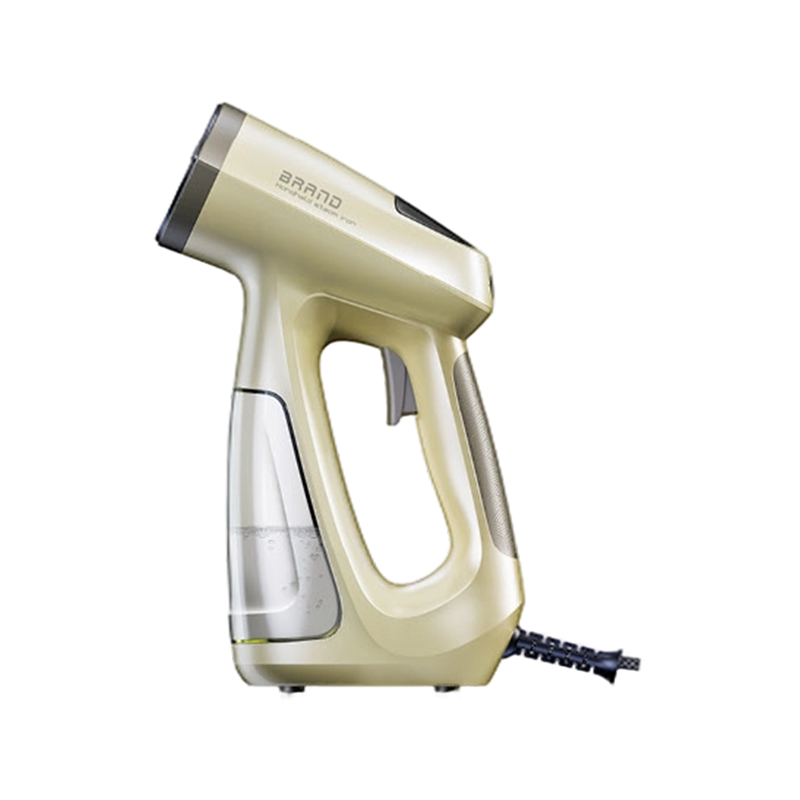
For a dual voltage travel model, the selector mechanism and the protection circuit deserve close inspection, since field misuse is the most common source of a voided claim. The MW813 is built around that requirement.
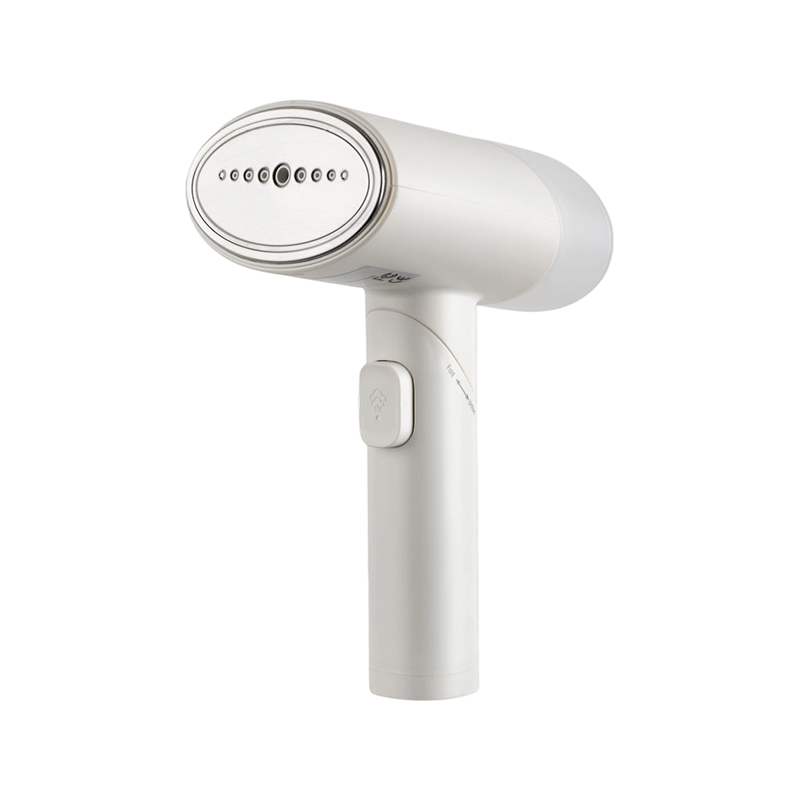 MW-813 Dual Voltage Handheld Garment Steamer for TravelA compact dual voltage travel steamer with detachable 150ml tank, foldable design, and manual voltage selection for garment care on the go.View Product →
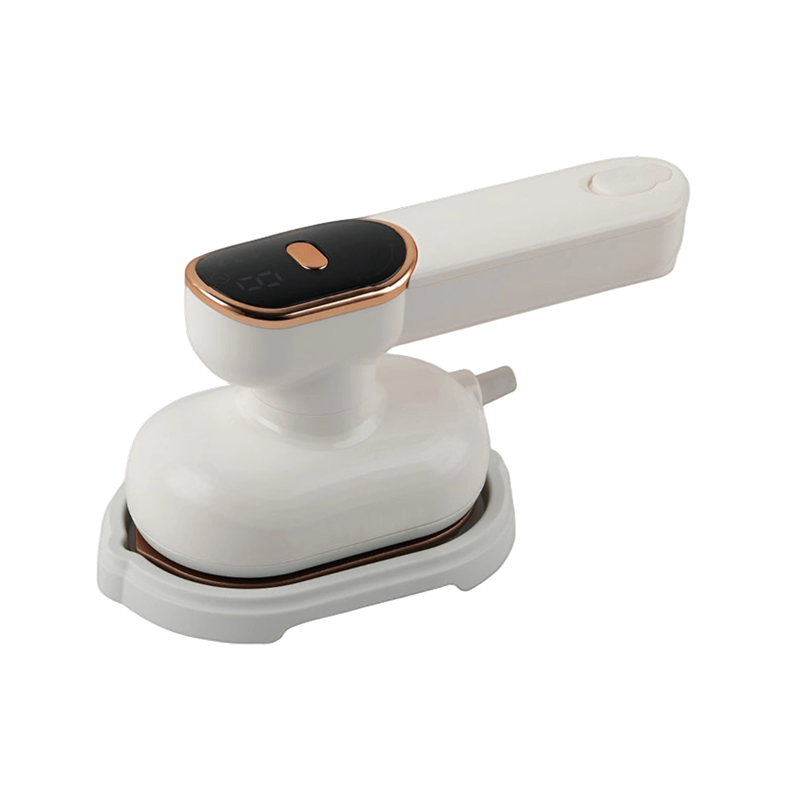
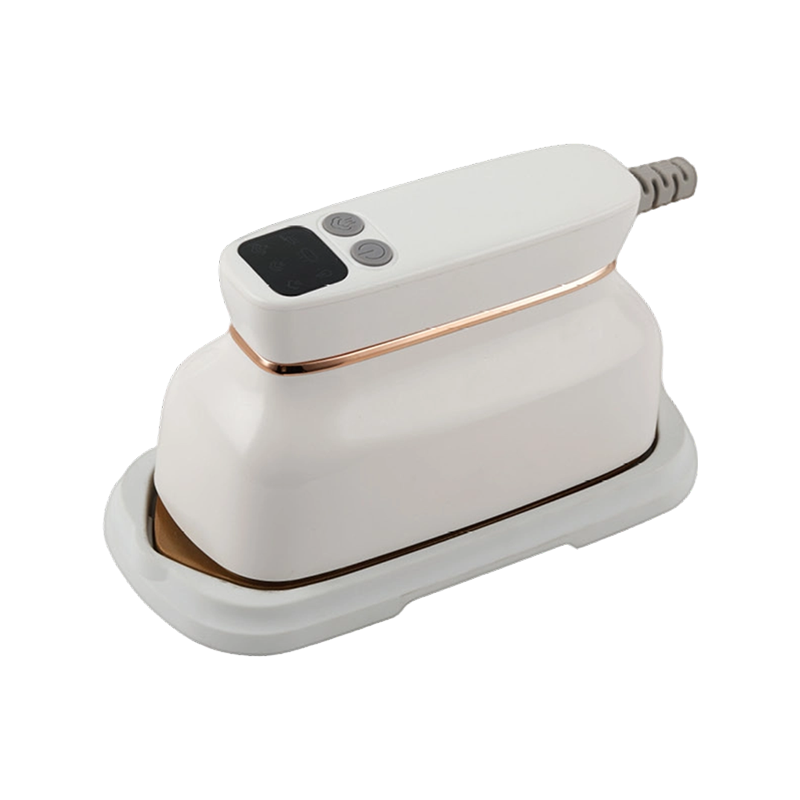
On rotatable 2 in 1 units, the pivot joint is the part most likely to fail in the field. Models with an LCD display, such as the MW819 series in our steam iron range, add a control board that should appear in the spare parts schedule from day one.
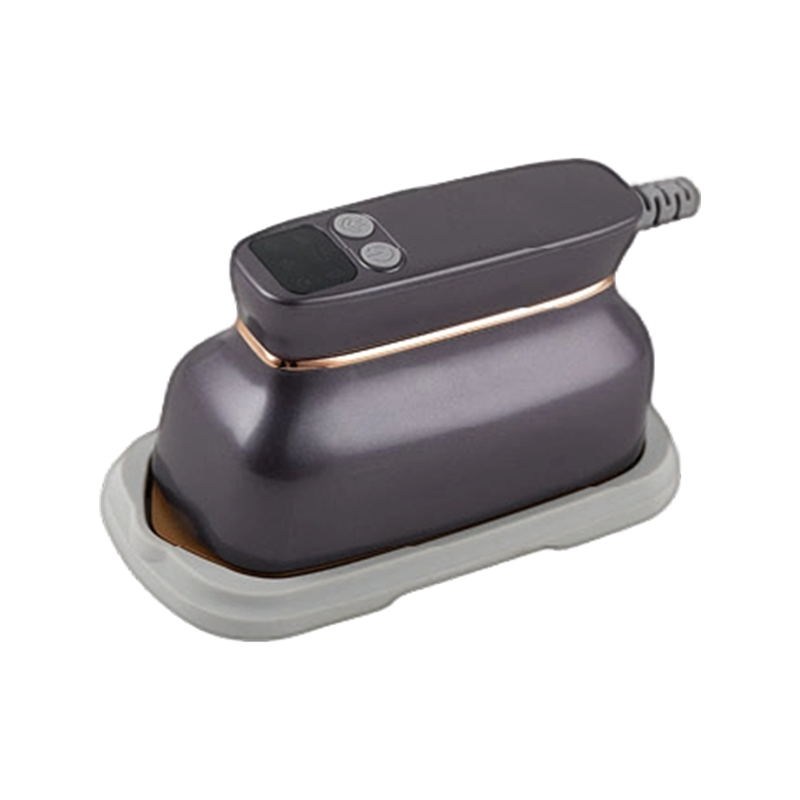 MW-819 LCD Display Rotatable 2-in-1 Garment Steamer and IronRotatable 2-in-1 steamer and iron with LCD, three steam levels, 180° handle, auto shut-off, and 160ml tank; check pivot joint and control board.View Product →
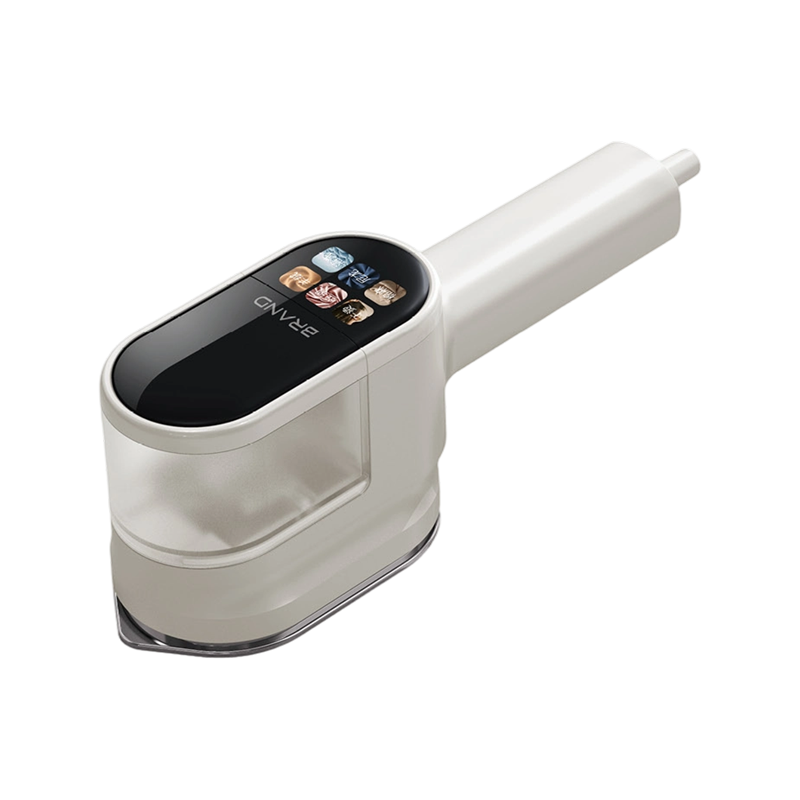
Soleplate material belongs in the specification as well. A stainless steel panel with a brush accessory, as used on the MW801 series, gives the end user a way to handle lint and dust without scratching the plate, which removes a common cosmetic complaint before it becomes a return.
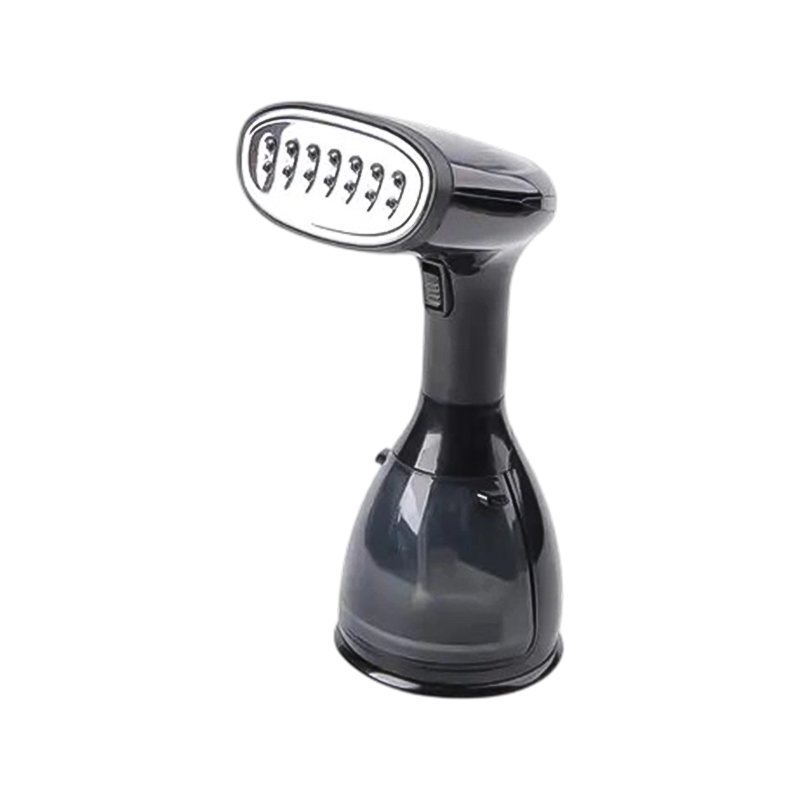 MW-801 Series Classic Handheld Garment Steamer with Stainless Steel PanelA 1500W classic handheld steamer with 280ml tank, stainless steel panel, hair brush, and model options; documented factory certifications support warranty and compliance.View Product →
Certifications and Test Reports Behind a Credible Warranty
A warranty is only as strong as the paperwork behind it. System certificates such as ISO 9001 and BSCI show that the factory runs documented quality and social compliance processes, while product approvals such as CE, GS, CB, ROHS, ERP and PAHs show that the design has been tested against safety, energy and restricted substance rules for its target markets.
None of those marks replace a warranty clause, but they change the conversation when a claim arrives. A supplier who can produce a heating element endurance report, a tank leak test record and the batch number of the affected run will settle a defect dispute in days. Ask for the report rather than the logo image, and ask which testing body issued it.
Two habits prevent almost every warranty dispute. Keep the receipt and a photo of the rating plate where you can find them, and follow the water instructions in the manual instead of improvising with vinegar or a descaling additive.
For buyers, put the warranty start date, the defect allowance and the spare parts schedule into the purchase order before the deposit is paid. A warranty discussed after shipment is a negotiation. A warranty written before shipment is a cost line you already know.
For exclusive deals and latest offers, sign up by entering your email address below.