русский
 Français
 한국어
 عربى
 Español
 中文简体
Steam Ironing vs Dry Ironing: Which Method Fits the Fabric and the Budget
Admin 2026-11-06Content
- 1 The Short Answer: Steam for Speed, Dry Heat for Structure
- 2 How Each Method Physically Works
- 3 Steam Versus Dry Ironing at a Glance
- 4 Fabric Rules Most People Get Wrong
- 5 Water Quality, Scale and the Real Cost of Ownership
- 6 What This Means for Buyers and OEM Programs
- 7 Mistakes That Cause Shine, Scorch and Water Marks
- 8 A Practical Way to Decide
Two shirts, one ironing board, opposite results. A heavy cotton shirt pressed dry at high heat comes out crisp with a sharp sleeve crease. A viscose blend treated at the same setting develops a dull shine along the shoulder seam that no amount of washing removes. Neither garment was at fault. The method was. Steam ironing and dry ironing deliver heat and moisture in different proportions, and those proportions decide how quickly a crease falls out, which fabrics survive the process, and what the appliance costs to buy, run and maintain. The short answer is that steam suits speed, blends and deep creases, while dry heat suits heavy cotton, linen and tight budgets. The rest of this guide explains exactly where that line sits and how to work with it.
The Short Answer: Steam for Speed, Dry Heat for Structure
If you only want one rule to work by, use this one: moisture softens a fibre, heat sets a shape. Steam puts moisture into the yarn, so the plate needs less pressure and less temperature to flatten a crease. Dry heat relies on temperature and mechanical pressure alone, which produces a harder, more defined finish on dense fabrics.
- Choose steam ironing for wool, silk, viscose, polyester blends, knitwear, hanging garments, and any crease that has set overnight in a wardrobe.
- Choose dry ironing for cotton poplin, linen, canvas, denim, interfacing and anywhere you need a defined edge, a pressed seam or a flat collar.
- Choose a dual mode appliance when one unit has to cover both, which is common in hotel housekeeping, small laundries and mixed retail ranges where a single SKU must serve every guest or customer.
Hardware already exists on that middle ground. The MW827F is built as a dry ironing and steam ironing steam iron, so the operator switches modes instead of switching appliances, which is often the practical answer for families and for light commercial use.
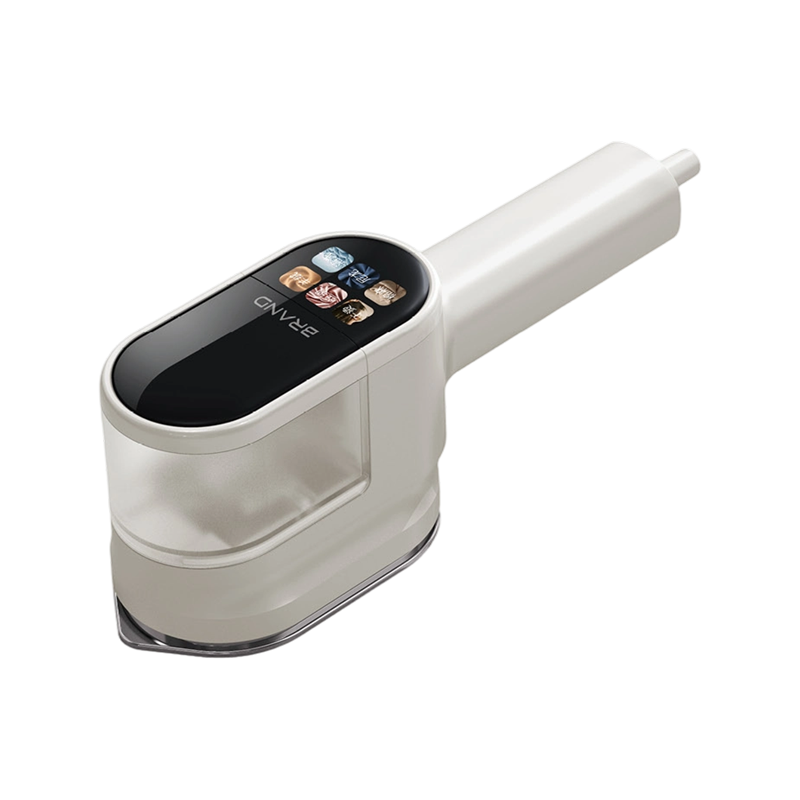 MW-827F LCD Touchscreen Dry and Steam IronAdds fabric-specific steam and dry modes to a single iron, with an LCD touchscreen and self-cleaning function for varied household fabrics.View Product →
How Each Method Physically Works
A dry iron does one thing: it holds a heated plate, typically between 150 and 200 degrees Celsius on cotton and linen settings, against the fabric. The fibre softens, the weight of the soleplate flattens the crease, and the cloth cools in that position. Nothing enters the material except heat. The process is predictable, cheap to run and easy to judge on thick fabric, but it depends entirely on temperature and pressure. That is why shine and scorch marks appear when the dial is too high, the plate is dragged, or the same setting is used on a fibre that cannot take it.
What Steam Adds Inside the Fibre
Steam works chemically as well as thermally. Water vapour penetrates the yarn, loosens the hydrogen bonds that hold the crease in place, and allows the fibre to relax at a lower plate temperature, often 40 to 60 degrees Celsius cooler than the equivalent dry setting. This is why a 1200W handheld steamer can flatten a stubborn collar without the sheen that comes from pressing dry. The trade-offs are equally real. Moisture can leave water marks on dark or dry clean only garments, minerals in hard water become scale on the plate and inside the boiler, and a plate that has not reached full temperature will drip condensation onto the cloth.
Where Dry Heat Keeps the Advantage
Heavy cotton and linen respond better to dry heat because the crease needs structure, not softness. Fusible interfacing, some craft materials and garments with glued trims should never see steam, since moisture can lift the bond. Dry ironing also avoids the warm up delay of a water tank and the refill interruptions that come with a small reservoir.
Steam Versus Dry Ironing at a Glance
The comparison below reflects normal household and light commercial use rather than laboratory conditions, because the deciding factors in practice are fabric weight, water hardness and the operator's habits.
| Factor | Steam ironing | Dry ironing |
|---|---|---|
| Heat source | Heated plate plus water vapour | Heated plate only |
| Best fabrics | Wool, silk, viscose, blends, knits, deep creases | Cotton, linen, canvas, denim, sharp seams |
| Plate temperature | 40 to 60 degrees Celsius lower than a dry setting | 150 to 200 degrees Celsius on cotton and linen |
| Time per garment | Faster on light and medium fabrics | Faster on heavy flat work |
| Running cost | Slightly higher, water plus energy for the boiler | Lower, heat only |
| Upkeep | Descaling, tank rinsing, mineral control | Soleplate wipe, occasional light cleaning |
| Main risks | Water marks, condensation drips, scale build up | Shine, scorch, pressure marks at edges |
| Purchase price | Higher, more parts and electronics | Lower and lighter |
Fabric Rules Most People Get Wrong
Most ironing damage comes from a mismatch that takes ten seconds to avoid. Test on an inside seam before the plate touches a visible panel.
- Wool: steam only, with a pressing cloth between plate and fabric, and never direct pressure on the surface.
- Silk: low steam and short contact; test the hem first, since some dyes mark at very low heat.
- Linen: dry heat while the cloth is still slightly damp, then a light steam pass only if the crease persists.
- Cotton and denim: dry heat on high for structure, steam when speed matters more than a knife edge finish.
- Polyester and blends: low heat, steam released at a short distance rather than pressed into the yarn.
- Knitwear: steam while the garment hangs, because a flat press stretches the loop structure out of shape.
- Sequins, beading and embroidery: dry heat only, with a cloth over the decoration.
Water Quality, Scale and the Real Cost of Ownership
Water quality quietly decides whether steam ironing stays convenient. A 250ml tank on a compact iron covers roughly six to eight shirts before a refill, and every refill is a break in rhythm, a chance to overfill, and a small drop in temperature. If the reservoir holds 90ml, as on travel models, that coverage falls to two or three garments.
The MW810 combines dry and steam ironing in one aluminium panel unit with a 250ml tank, which is a workable balance for households that iron in batches rather than one item at a time.
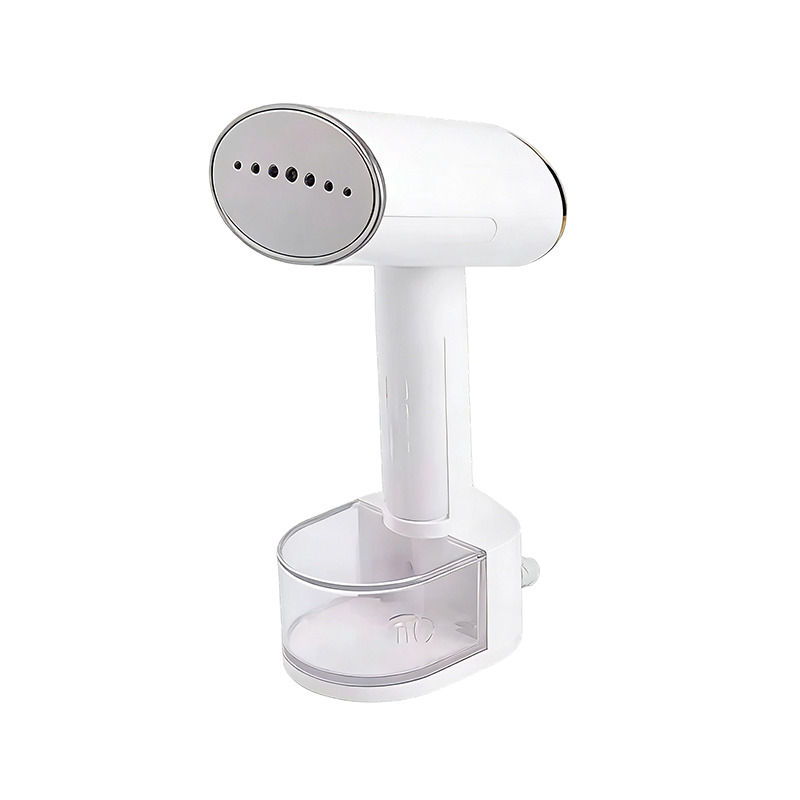 MW-810 Portable Dry and Steam Garment SteamerCombines dry and steam ironing in a foldable aluminium-panel unit with a detachable 250 ml tank, suited to batch household pressing.View Product →
Scale is the second hidden cost. Distilled or demineralised water reduces build up sharply. Where tap water carries more than roughly 200mg of calcium carbonate per litre, plan a monthly descale instead of an annual one, and check the steam holes for white crust before every long session. A blocked hole does not simply reduce steam; it pushes wet droplets onto the fabric, which is how water marks appear on dark wool.
What This Means for Buyers and OEM Programs
For importers and brand owners, the steam versus dry question becomes a specification spread rather than a personal preference. Power from 1000W to 2000W, tanks from 90ml for travel to 350ml for family use, stainless steel versus aluminium soleplates, single or double row steam holes, and dual voltage versions for markets where both 110V and 220V appear in the same catalogue. Certification decides shelf access as much as features do: CE, GS, CB, RoHS, ERP and PAHs evidence determines which European channels will list the product at all, while ISO 9001 and BSCI records support the factory audit stage.
Working with a manufacturer that already runs these configurations shortens development time considerably. The production background, plant details and certification position behind Mayway are set out on the company profile page for buyers who need to check capacity before sampling.
A representative example of the mixed range approach is the MW819, an LCD display 2 in 1 rotatable garment steamer and steam iron that covers both pressing and hanging work within one housing.
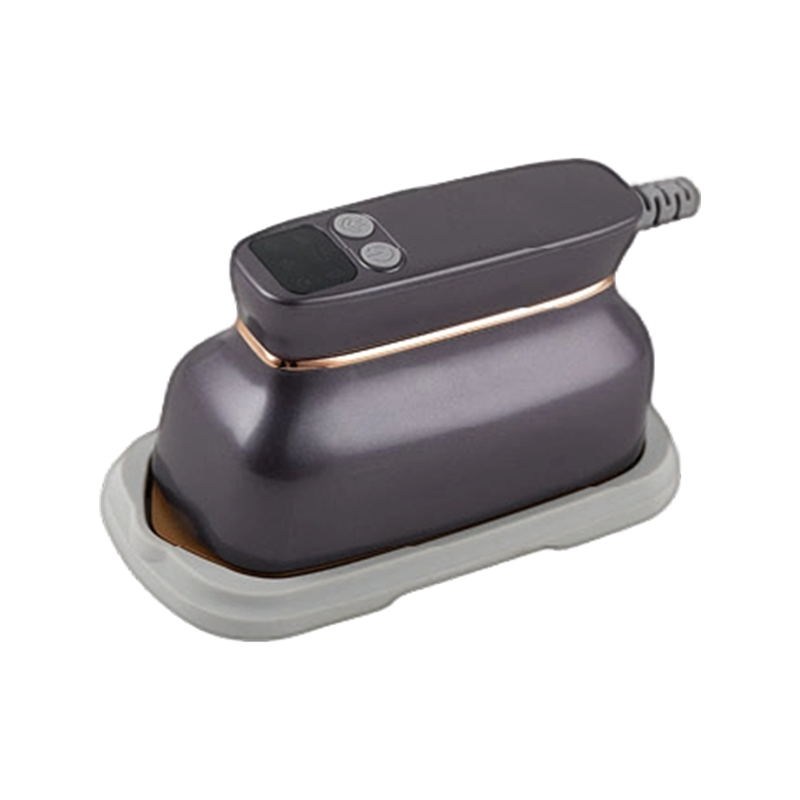 MW-819 2-in-1 Rotatable LCD Garment Steamer and IronCovers pressing and hanging work with a 180° rotating handle, three steam levels and LCD control, plus dry and steam ironing in one unit.View Product →
Mistakes That Cause Shine, Scorch and Water Marks
- Pressing dry at high heat on a blend that has already started to shine, which sets the mark permanently instead of removing the crease.
- Using steam before the plate has reached working temperature, so condensation rather than vapour reaches the cloth.
- Filling the reservoir with hard tap water and ignoring the first signs of white deposits around the steam holes.
- Ironing across zips, buttons and rivets, which concentrates pressure on a small area and leaves a hard edge mark.
- Skipping the inside seam test on a new fabric or a new appliance setting, which is the cheapest quality check available.
A Practical Way to Decide
The choice between steam ironing and dry ironing is not a wattage question or a brand question. It is a question about the fibre in front of you, the finish you want, and how much maintenance you are willing to accept. Match the method to the fabric, specify dual mode hardware when one unit must cover both, and treat water quality as a design input rather than an afterthought. Buyers who compare a garment steamer against a conventional electric iron on those terms usually find the two formats complement each other instead of competing.
For exclusive deals and latest offers, sign up by entering your email address below.