русский
 Français
 한국어
 عربى
 Español
 中文简体
Steam Iron With Boiler: How Boiler Steam Irons Work and What Buyers Check
Admin 2026-11-05Content
- 1 What a steam iron with boiler really is
- 2 Boiler material and working pressure decide the result
- 3 Five values to verify on a quotation
- 4 Where boiler irons fail in the field
- 5 When a boiler iron is the wrong product
- 6 Formats that cover the middle of the market
- 7 Sourcing a boiler iron: four questions for the factory
A buyer in Dubai asks for a steam iron with boiler that will run four hours a day in a hotel laundry. A buyer in Hamburg uses the same phrase on a retail carton, meaning a 2400 W domestic press with a one litre tank. The words are identical, the products are not. Most boiler iron projects run into trouble at exactly this point, so the format, the pressure class and the boiler material have to be fixed before anyone discusses price.
What a steam iron with boiler really is
A boiler iron heats water in a separate pressurised vessel and sends steam to the soleplate, either through a hose from a station that rests on the ironing board or from a boiler built into the iron body. The iron head stays light because the water and the heating element are not in your hand.
The practical difference from an ordinary steam iron is continuity. A conventional iron produces a burst of steam when the button is pressed and then falls back to damp heat. A boiler unit holds working pressure and delivers steam for as long as the trigger is held, and it refills far less often. That is why the format is standard in tailoring workshops, hotel laundries and anywhere a garment has to be finished in one pass rather than three.
Terminology around these products is loose, and buyers sometimes receive quotations for the wrong machine because of it. Our note on the difference between a steam generator and a steam boiler is worth reading before the first specification meeting.
Boiler material and working pressure decide the result
Two numbers explain most of the price gap between a 30 USD boiler iron and a 200 USD one: what the boiler is made of, and how much pressure it holds.
Aluminium boilers heat quickly and cost less to produce. They are also more sensitive to scale and to aggressive water, and in hard water regions an unprotected aluminium boiler can lose a noticeable share of its output within a year. Stainless steel boilers take longer to reach temperature and add weight to the station, but they resist corrosion and hold pressure for far longer. For a product sold with a two year warranty, the material choice is effectively a warranty decision.
Pressure matters because steam has to penetrate the fabric rather than sit on top of it. At 3.5 to 4 bar a boiler iron handles shirts and light cottons. At 5 to 6 bar it starts to work on denim, linen and folded seams. Above 7 bar the machine is a professional tool, and price, weight and certification burden all rise with it.
| Specification | Household | Semi professional | Professional | Why it matters |
|---|---|---|---|---|
| Boiler material | Aluminium | Stainless steel or coated aluminium | Stainless steel | Corrosion and service life |
| Working pressure | 3.5 to 4 bar | 5 to 6 bar | 7 to 8 bar | Steam penetration into thick fabric |
| Continuous steam | 30 to 50 g per minute | 60 to 90 g per minute | 100 g per minute and above | Speed of finishing one garment |
| Tank capacity | 0.8 to 1.2 L | 1.2 to 1.8 L | 2 L and above, often refillable under pressure | How often the operator stops |
| Heat up time | 60 to 120 seconds | 90 to 180 seconds | 2 to 4 minutes | Shift start and turnaround |
| Auto shut off | Usually fitted | Often switchable | Frequently deleted | Retail safety rules against user preference |
Five values to verify on a quotation
- Pressure in bar and steam output in grams per minute at that pressure. A flow figure quoted without the pressure behind it means very little.
- Tank volume and the refill method. A boiler that must cool before refilling costs an operator several minutes per shift.
- Heat up time to working pressure, not to the moment the switch lights up.
- Soleplate material and steam hole layout. Stainless steel and coated plates behave differently on synthetics, and a single row of holes concentrates steam in a narrow band.
- Safety devices: pressure switch, mechanical relief valve, thermal cut out and a cap that cannot be opened under pressure. Ask for the pressure test record, not only the certificate.
Where boiler irons fail in the field
Scale is the first cause of complaint, and it is a water problem more than a product problem. Where hardness reaches 300 mg per litre, an untreated boiler can lose a third of its steam output within six to twelve months. A descaling port, a replaceable anti scale cartridge or a rinse procedure the end user will actually follow does more for warranty cost than a longer guarantee.
The second is the auto shut off. Retail buyers in Europe and North America increasingly require the iron to cut out after eight to ten minutes of inactivity, while tailoring shops regard that behaviour as a fault. Decide which channel the model serves and specify accordingly, because the same control board cannot serve both without a selector switch.
The third is electrical configuration. A 2400 W boiler iron built for 230 V draws roughly 10 A. The same wattage at 120 V draws about 20 A and needs a different element, cord set and plug, so confirm voltage and plug standard at quotation stage.
When a boiler iron is the wrong product
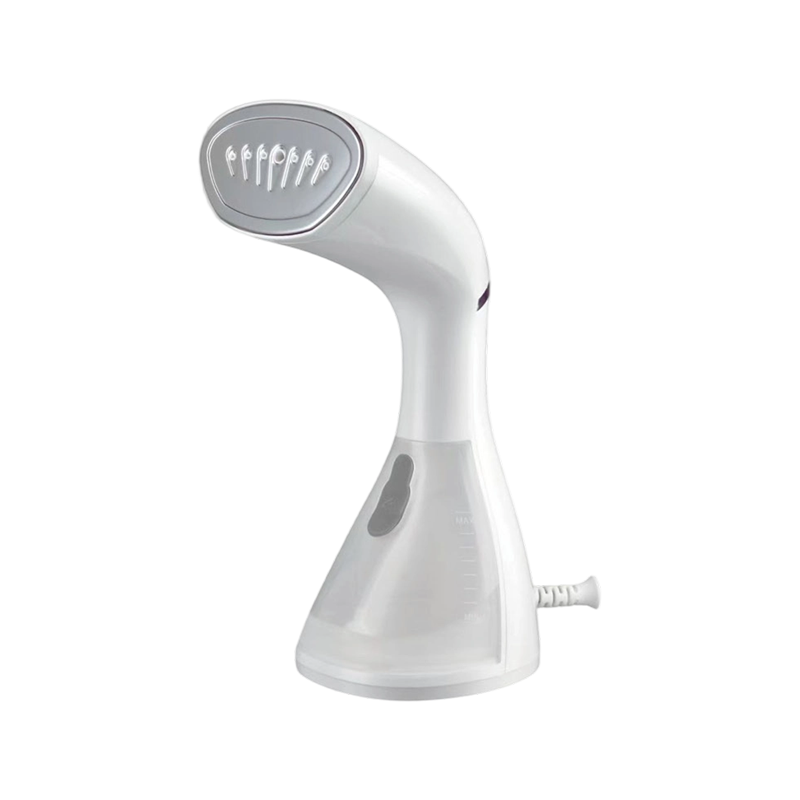
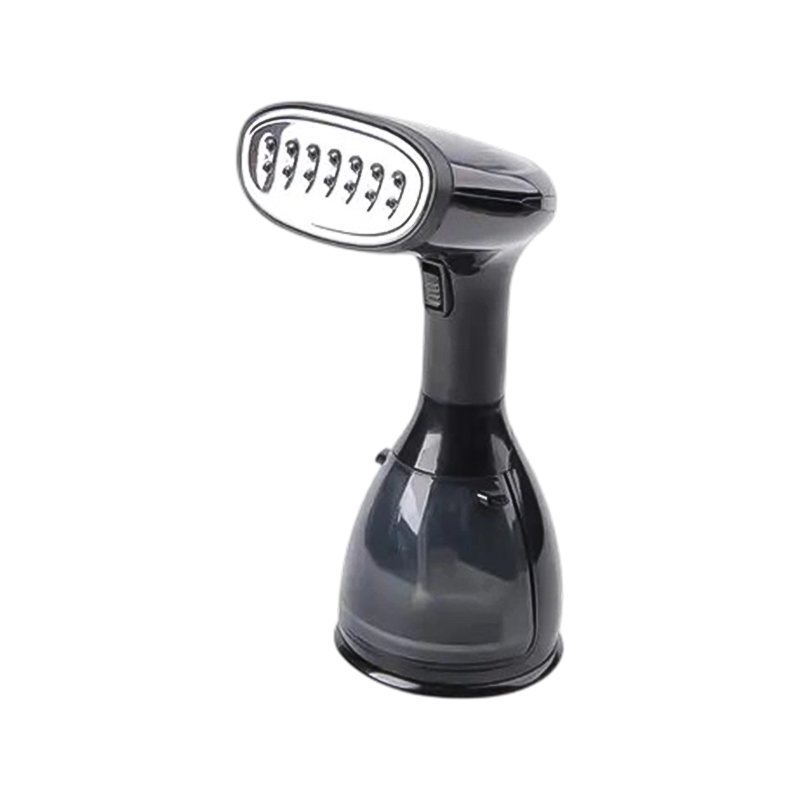
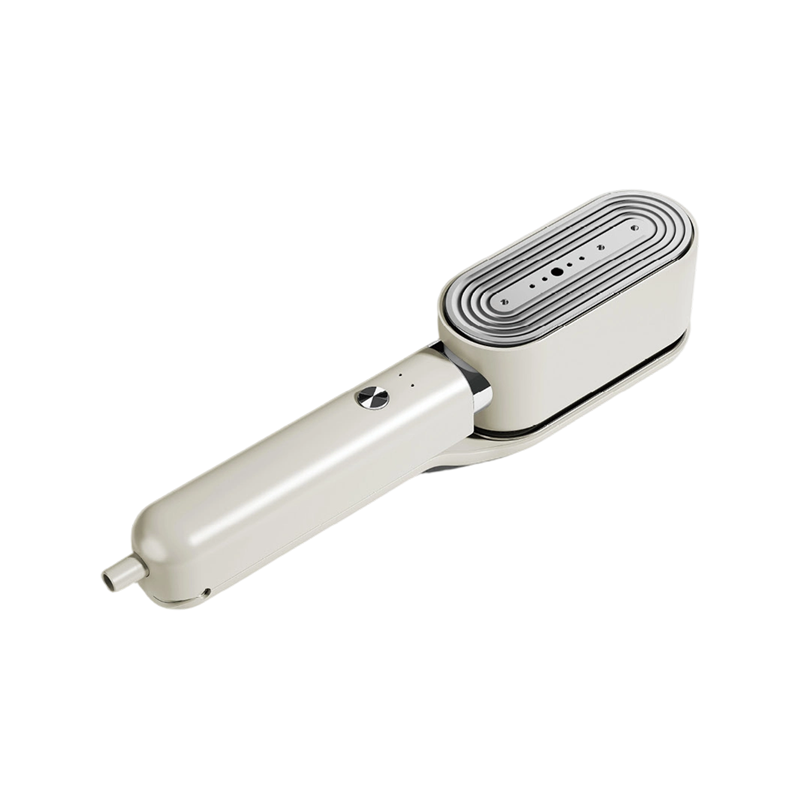
Not every market wants a station on the ironing board. Small flats, student housing, travel retail and price driven online channels usually sell better with a handheld unit that heats in 30 seconds and stores in a drawer. A 1600 to 2000 W handheld with a 350 ml tank handles a shirt or two before refilling, costs a fraction of a boiler station and ships in a carton a fifth of the size.
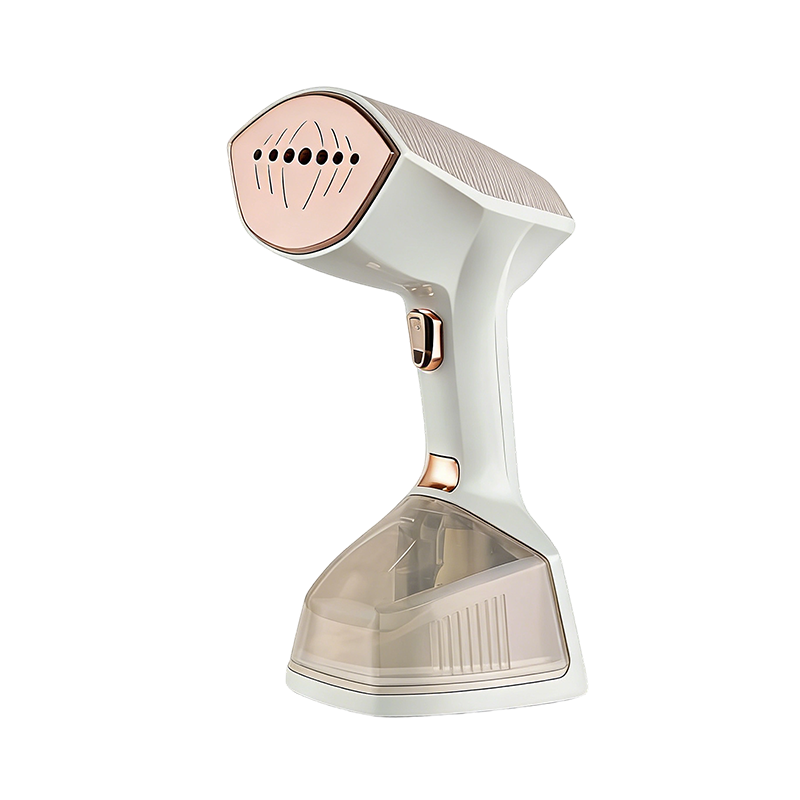 MW-816 Handheld Portable Garment SteamerA compact handheld steamer with dry and steam ironing, three steam levels and a detachable water tank, suited to small-space and entry-level retail.View Product →
For a buyer building a full shelf, the sensible split is a boiler or steam generator at the top, a rotatable 2 in 1 in the middle and a compact handheld at entry level. Each tier answers a different price question, and the same retail customer may buy all three for different rooms or different seasons.
Formats that cover the middle of the market
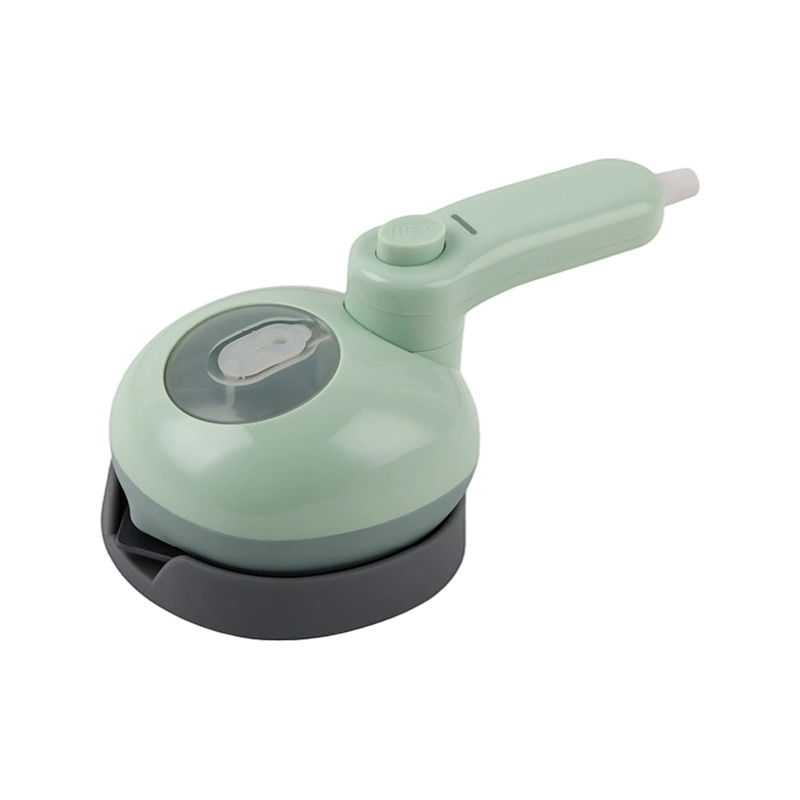
Between a handheld steamer and a full boiler station sits the rotatable 2 in 1, which works as a vertical steamer with the head turned and as a flat press with it locked. This format carries much of the volume in Europe and Russia because it fits a small flat, finishes a school uniform in two minutes and still presses a collar. Control choices within the format matter more than they look: a display that shows the remaining steam level removes the most common user error, which is starting on a cold soleplate.
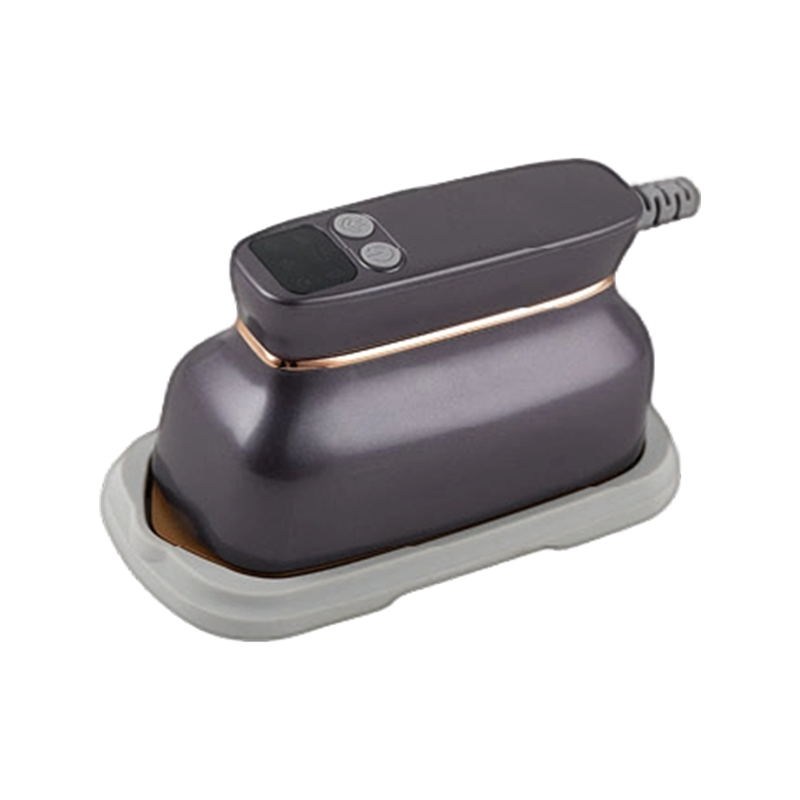 MW-819 LCD 2-in-1 Rotatable Garment Steamer and IronA rotatable 2-in-1 steamer and iron with LCD steam levels, 180° handle and large soleplate for small flats and mixed fabric care.View Product →
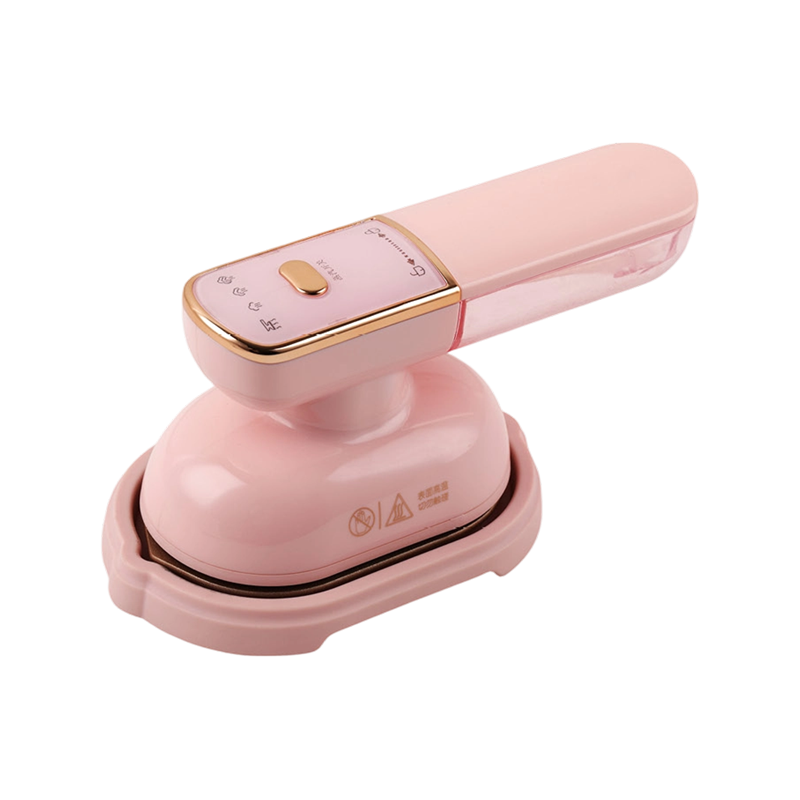
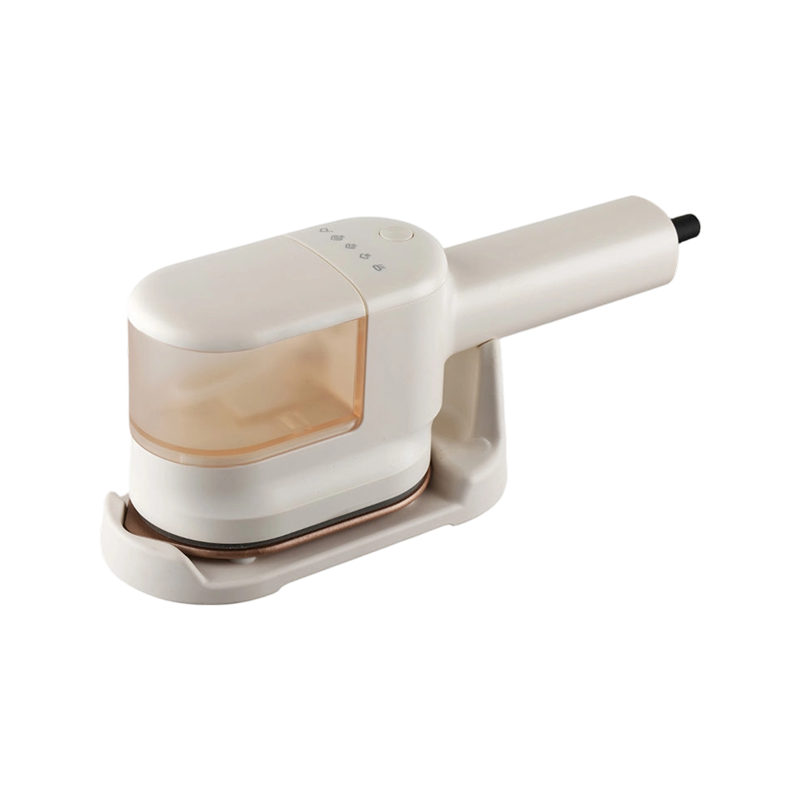
Beneath that, dry and steam combined models do the simple work in markets where a boiler station would be over specified. The wider steam iron range shares platforms across these tiers, which keeps spare part logistics simple for a distributor carrying more than one model.
Sourcing a boiler iron: four questions for the factory
A boiler iron is a pressure vessel product, so the sourcing conversation differs from a handheld steamer. Four questions separate a real programme from a trading company with a catalogue.
- Is the boiler made in house or bought in, and who pressure tests it? Batch sampling is normal, unit by unit testing is better, and either way you should see the record.
- Which safety valve is used, and will it still be available in two years? A relief valve that cannot be replaced turns a repairable unit into scrap.
- What is the spare part ratio and lead time for elements, thermostats and tanks? Setting aside one to two percent of order value in spares is cheap insurance for a distributor.
- Which certificates cover this exact model: CE, GS, CB, ERP, PAHs, ROHS? A certificate issued for a sister model does not transfer.
Buyers testing a new market often start with the simpler end of the category, where a dry and steam combined iron carries less certification risk and a lower first order value, then move up to a boiler programme once the channel is proven.
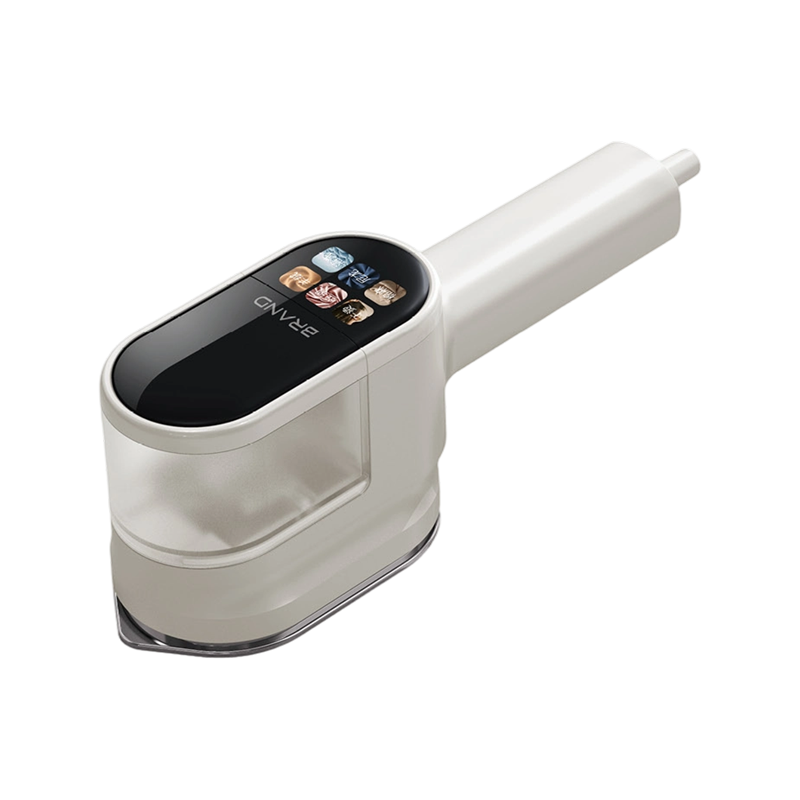 MW-827F Dry and Steam Iron with LCD TouchscreenA dry and steam iron with touchscreen fabric modes, four steam levels and a detachable tank for buyers starting with a simpler model.View Product →
Write boiler material, pressure class and tank volume into the purchase order rather than leaving them in a brochure. Get those three right, add the safety documentation and the spare part plan, and a steam iron with boiler becomes one of the most dependable products on the shelf. Get them wrong and the returns arrive before the second container does.
Mayway builds handheld garment steamers, rotatable 2 in 1 units and combined dry and steam irons in Yuyao, Zhejiang, about 60 km from Ningbo port, under ISO 9001 and BSCI systems, with models certified to CE, GS, CB, ROHS, ERP and PAHs for buyers across Europe, the Middle East, Russia, Asia and South America. Tell us the channel, the voltage and the retail price band, and the specification conversation tends to answer itself.
For exclusive deals and latest offers, sign up by entering your email address below.