русский
 Français
 한국어
 عربى
 Español
 中文简体
What to Look for in a Steam Iron: Power, Steam Output, Soleplate and Safety
Admin 2026-11-12Content
A carton of steam iron samples can look perfect on a trade show table and still fail in a buyer's warehouse. The warning signs appear later: weak steam after ten minutes, water dripping onto a shirt, a soleplate that drags, or a thermostat that runs hot on polyester. The decision that prevents most of these problems is not the brand name on the box. It is the specification sheet, the sample test, and the paperwork behind the product. For buyers comparing suppliers, what to look for in a steam iron should be a short list of measurable points: steam output, soleplate, tank, controls, safety, and certification.
Mayway manufactures handheld garment steamers and steam irons for OEM and wholesale buyers. The same factory may offer a 1000 W travel model and a 2000 W high-capacity model, so the specification has to match the market.
Steam performance comes before wattage
Wattage tells you how much power the iron draws. It does not tell you how much steam reaches the fabric. A 1600 W iron with a well-designed boiler, short steam path, and clean holes can outperform a 2000 W iron with poor heat control. Ask for steam rate in grams per minute, steam boost duration, heat-up time, and recovery time between bursts. Test the iron on ten shirts, not one handkerchief. The tenth shirt shows whether the thermostat and pump can keep up.
Steam hole layout also matters. Single-row holes are common on compact models and can be precise for collars and cuffs. Double-row holes cover a wider area and reduce passes on a shirt back. Neither layout is automatically better. A detailed steam iron selection guide can help narrow the options before sampling.
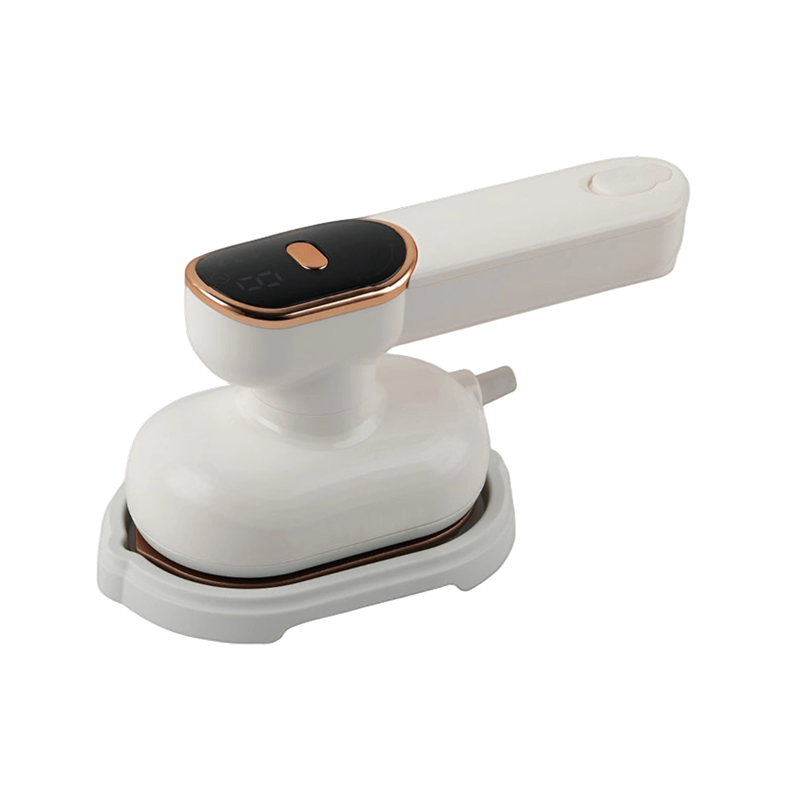
For buyers who want a steam iron with multiple steam levels and a rotatable body, the MW819F is a practical model to test:
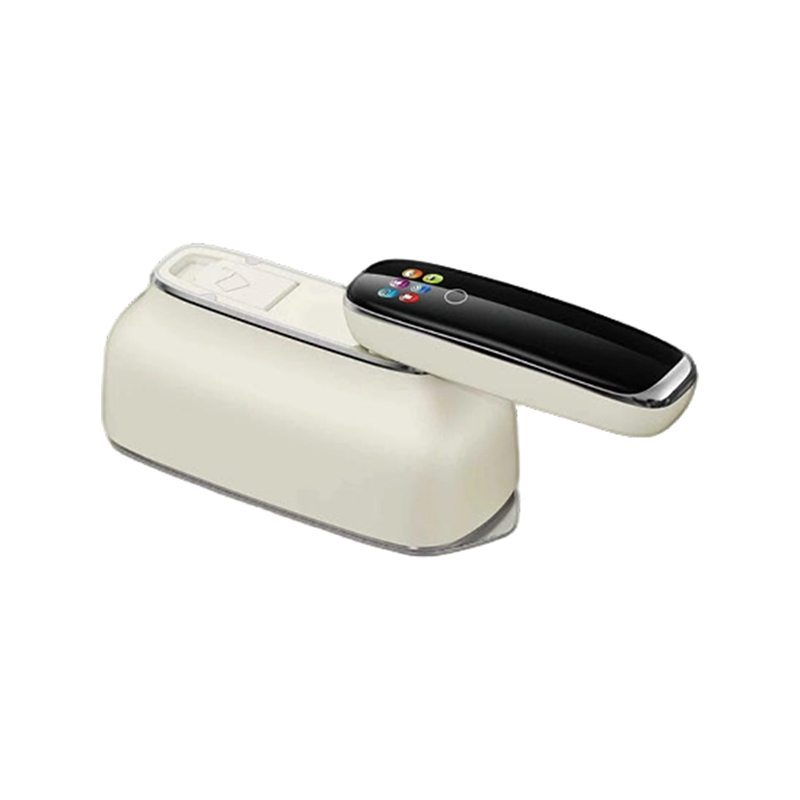 MW-819F Four-Steam-Level Rotatable Garment Steam IronA four-level steam iron with a 180° rotating handle, touchscreen fabric programs, and a Teflon-coated aluminum soleplate for varied garment care.View Product →
Soleplate and steam holes decide the feel of the iron
The soleplate is the part the customer touches, even if they never think about it. Stainless steel panels resist scratching and suit denim, canvas, and heavy cotton. Aluminium panels heat quickly and cost less, but need a good finish to avoid drag. Non-stick coatings help with starch and delicate fabrics, yet they wear with harsh cleaning. Confirm the coating supplier, scratch test standard, and replacement policy before approving the finish.
Check the edge shape. A pointed tip reaches between buttons and around collars. A flat heel gives stability when the iron stands upright. Steam holes should be cleanly punched and evenly spaced. Rough holes catch fabric and create shiny marks. Test the water spray direction as well. A spray that lands on the soleplate instead of the fabric leaves spots.
What to confirm on the sample
- Run over dark cotton for 30 seconds and look for white marks or drag.
- Check steam holes are burr-free under a light.
- Test the tip on a button placket and the heel on a hem.
- Confirm the soleplate can be replaced or refinished.
Water tank, refilling, and scale management
Tank size is a trade-off. A 90 ml tank keeps a travel iron light, but may need refilling after two shirts. A 350 ml tank gives longer runs and adds weight to the wrist. Match capacity to the stated use: travel, quick touch-ups, or family ironing. For hotel and uniform programs, a larger tank and a visible water window are more useful than a slim body.
Ask how the tank fills. A removable tank is easier to fill at a sink and easier to clean. A fixed tank with a narrow opening is cheaper to produce but harder to descale. Scale is the slow killer of steam performance. Look for anti-calc features, a self-clean cycle, and clear instructions on water quality. In hard-water markets, a model without scale control will return as a complaint.
Typical specification checkpoints
| Checkpoint | Typical range or option | What buyers should confirm |
|---|---|---|
| Power | 1000 W to 2000 W | Match to market voltage and heat-up target. Do not treat wattage as steam output. |
| Water tank | 90 ml to 350 ml | Balance run time against weight, travel size, and refill frequency. |
| Steam levels | 1 to 4 levels plus burst | Test continuous steam and recovery between bursts on a full load. |
| Soleplate | Stainless steel or aluminium | Confirm finish, glide, scratch resistance, and replacement policy. |
| Steam holes | Single row or double row | Review spray pattern and drip risk on thin fabrics. |
| Controls | Button, LED, LCD, or touch | Check readability, response, and language-neutral icons. |
| Safety and compliance | CE, GS, CB, ROHS, ERP, PAHs | Verify reports match the exact model, plug type, and voltage. |
Controls, modes, and daily handling
The control panel is where a low-cost iron starts to feel cheap. Buttons should have a definite click and should not sit flush with the housing. A rotary dial needs clear detents so the user can find the same setting twice. LED or LCD displays help when the iron offers several steam levels or a 2-in-1 rotation between flat ironing and vertical steaming. Touch controls must respond with a dry finger and a damp one. Test after filling the tank, because moisture changes how capacitive touch behaves.
A 2-in-1 rotatable design is useful for small apartments and travel kits. The handle rotates or the body converts so the same unit can press a shirt on a board and steam a jacket on a hanger. For buyers, the question is whether the lock feels secure after 500 cycles. The MW821 is an example with an LED display for steam level and status:
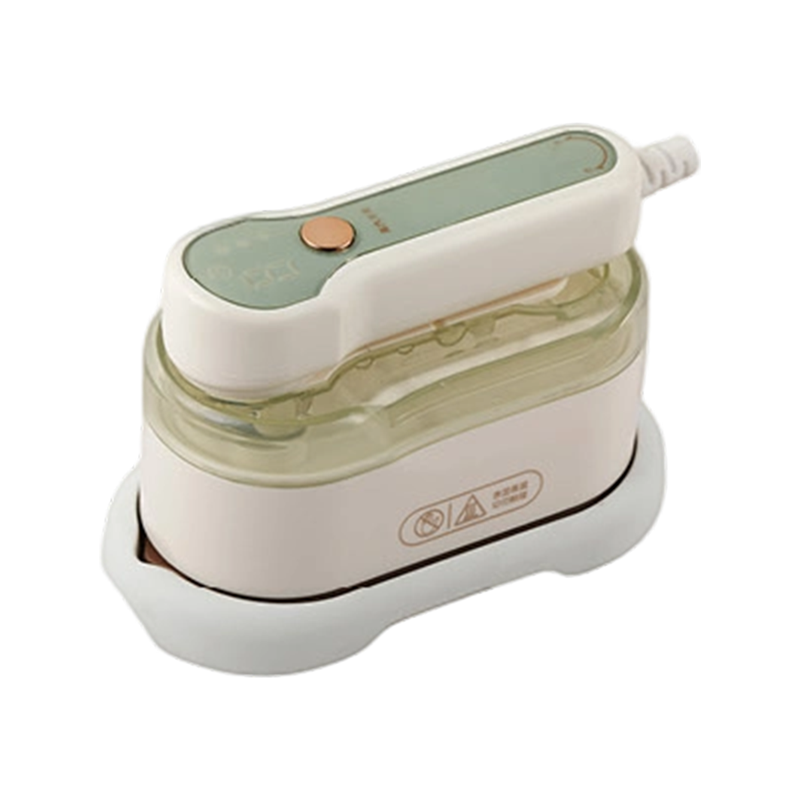 MW-821 and MW-821A Rotatable 2-in-1 Garment Steamer IronA 2-in-1 steamer and iron with 180° rotating handle, three steam levels, LED countdown display, and auto shut-off on the MW-821 model.View Product →
Safety, certification, and total cost of ownership
Safety is not a single sticker. It is a chain of design choices: overheat protection, a thermal fuse, a cool-touch handle, a heat-resistant rest, an anti-slip base, and a cord that will not melt against the soleplate. For travel models, add dual voltage switching and a plug that matches the destination. For family models, add auto shut-off and a clear warning light. These details affect returns more than a one-watt difference in power.
Certification paperwork should be checked against the exact model and plug type. A CE declaration for one variant does not automatically cover a new color, a new heater, or a different cord set. Ask for test reports, certificate scope, and the date of the last factory audit. Mayway works under ISO 9001 and BSCI, and its product range carries CE, GS, CB, ROHS, ERP, and PAHs certification. For an OEM project, confirm which certificates will be transferred to your brand and which remain with the factory.
Total cost of ownership includes spare parts, packaging, and warranty handling. A cheap iron with a sealed tank and no replacement soleplate can cost more in returns than a slightly higher-priced model with serviceable parts. Ask for the failure rate on the heating element, the pump, and the thermostat.
A practical procurement checklist
Before placing a bulk order, run a sample against the same checks you will use in a warranty claim. Keep the test simple and repeatable.
- Run for 30 minutes on the highest steam setting and record any spitting, dripping, or loss of steam.
- Fill and empty the tank five times. Check for leaks at the seam and around the valve.
- Press cotton, polyester, and wool. Confirm the temperature settings match the fabric labels.
- Test the steam burst ten times in a row. Note recovery time and water droplets.
- Check soleplate temperature with an external probe at low, medium, and high settings.
- Inspect the cord, plug, and strain relief. Confirm the cord length suits the target market.
- Review the certification file, model number, and packaging artwork for consistency.
- Ask for the spare parts list, warranty terms, and minimum order quantity for OEM colors.
If a supplier cannot answer these points with a model number and a test report, the sample is not ready for a purchase order.
What to look for in a steam iron comes down to evidence. Steam rate, soleplate quality, tank design, control feel, safety, and certification are all visible before a container leaves the factory. A low price can hide a weak thermostat or a tank that cannot be cleaned. A clear specification and a documented sample test are the better bargain. Mayway builds steam irons and garment steamers for OEM and wholesale programs from its factory in Yuyao, with export experience across Europe, the Middle East, Russia, Asia, and South America. The right starting point is a sample that matches your market, not a catalog photo.
For exclusive deals and latest offers, sign up by entering your email address below.