русский
 Français
 한국어
한국어 عربى
عربى Español
 中文简体
中文简体How Hot Does a Steam Iron Get? Maximum Temperatures & Fabric Settings Explained
Admin 2026-09-10Content
You pull a linen shirt out of the dryer, and it looks like a crumpled paper bag. You reach for your steam iron, but before pressing it down, you should first know: how hot does a steam iron get? Is it hot enough to smooth linen without scorching it?
Here is a direct answer: a typical household steam iron produces soleplate temperatures between 150 and 220 degrees Celsius, while the steam itself stays close to 100 degrees at standard pressure. The exact maximum depends on the iron's wattage, thermostat calibration, and soleplate material. Most manufacturers, including Mayway, design their steam irons to reach the upper end of that range for heavy fabrics such as cotton and linen.
Maximum Temperatures by Steam Iron Type
Different iron categories are built for different tasks, so their maximum heat levels vary. The table below summarizes typical ranges you can expect when shopping.
| Iron type | Soleplate range | Steam temperature |
|---|---|---|
| Traditional steam iron | 150-220 degrees C | Around 100 degrees C |
| 2-in-1 rotatable steam iron | 160-210 degrees C | Around 100 degrees C |
| Handheld garment steamer | 120-150 degrees C (soleplate) | Around 100 degrees C |
| Portable travel iron | 140-180 degrees C | Around 100 degrees C |
| Industrial gravity iron | 200-240 degrees C | Around 100 degrees C |
The horizontal bar chart above shows the maximum soleplate temperature for each category. Industrial gravity irons dominate at 240 degrees C, but they are rarely used in homes. Traditional steam irons and 2-in-1 rotatable models sit close together, which is why most households find them sufficient for daily ironing. Handheld garment steamers are noticeably lower because they rely more on steam volume than on direct plate heat. If you primarily need to remove wrinkles from hanging clothes, the lower temperature is fine; if you need crisp pleats, choose a steam iron that can reach at least 200 degrees C.
Soleplate Heat vs. Steam Temperature: Why It Matters
The soleplate is the metal base that contacts your clothes. Its temperature determines how effectively heat transfers to fabric fibers. Steam, on the other hand, is produced when water hits a heated chamber and vaporizes. At normal atmospheric pressure, water boils at 100 degrees C, and the resulting steam is roughly the same temperature unless it is superheated.
Crucially, a hot soleplate does the heavy lifting for smoothing wrinkles. This is why a steam iron can press a sharp crease while a handheld steamer, relying mostly on warm steam, leaves a softer finish. If you want to dig deeper into the physics, read about understanding the science behind steam technology and fabric treatment.
Wattage determines how quickly the soleplate reaches its target temperature. Higher wattage does not necessarily mean a hotter final temperature, but it means faster heating and better steam recovery. The line chart below illustrates typical heating curves for 1000 W, 1500 W, and 2000 W irons.
Looking at the heating curves, a 2000 W iron can reach 200 degrees C in about 20 seconds, while a 1000 W model may need 40 seconds or more. The difference matters in a busy household where you want to finish a pile of shirts quickly. A faster heating curve also reduces the temptation to turn the thermostat to maximum and risk scorching delicate fabrics. When comparing models, watch for the rated wattage: 1500 W is a comfortable balance for most home users, while frequent ironers benefit from 1800-2000 W. In addition, stable thermostat control prevents temperature overshoot, so the soleplate does not exceed the selected setting by a large margin.
Recommended Ironing Temperatures by Fabric
Every fabric has a safe temperature ceiling. Exceed it, and you can melt, shine, or scorch the material. The chart below lists common settings for six frequently ironed fabrics.
The column chart shows why fabric knowledge is essential. Linen tolerates the highest temperature at 230 degrees C, which is why a full-power steam iron is necessary to remove its stubborn wrinkles. Cotton follows at 204 degrees C, still considerably hotter than synthetics. Polyester, on the other hand, cannot exceed 110 degrees C without risking melting, because it is a thermoplastic polymer. Wool and silk are delicate proteins, so they should stay near 148 degrees C, ideally with steam and little pressure. This is why a variable temperature dial is not an option; it is a safety feature. If your iron only has one high-heat setting, you will need to test on a hidden area or use a pressing cloth to protect delicate fabrics.
Steam Output and the All-Rounder Comparison
Maximum temperature alone does not describe an iron's performance. Steam output, measured in grams per minute, affects how deeply moisture penetrates fibers. A high-temperature soleplate with weak steam still struggles with thick layers. Conversely, strong steam at a moderate temperature can gently relax wrinkles in hanging garments.
To see how different devices balance these priorities, the radar chart below compares a traditional steam iron, a handheld garment steamer, and a 2-in-1 rotatable steam iron across six dimensions: maximum temperature, steam output, fabric compatibility, convenience, portability, and ease of use.
The radar chart compares three popular device types across six performance dimensions. Traditional steam irons score highest on maximum temperature and fabric compatibility, making them ideal for crisp shirts. Handheld garment steamers excel in portability and ease of use, which suits quick touch-ups on hanging clothes. The 2-in-1 rotatable design balances both worlds, offering high temperature and useful steam output without sacrificing convenience. If your primary goal is quick, safe wrinkle removal across a wardrobe, the 2-in-1 is a strong choice. For heavy-duty smoothing of natural fibers, a traditional steam iron still leads.
What to Look for in a Steam Iron: Manufacturer Insights
As a manufacturer of steam irons and handheld garment steamers, Mayway designs products around temperature consistency, not just peak heat. Three factors deserve your attention when reading specifications.
Thermostat Accuracy
A well-calibrated thermostat keeps the soleplate within a narrow band around the selected temperature. Poorly designed irons can swing 20 degrees above the dial reading, causing random scorching. Mayway calibrates every production unit so the actual soleplate temperature reflects the dial position across the entire range.
Soleplate Material and Thickness
Stainless steel and aluminum are the two common choices. Stainless steel distributes heat evenly and resists scratches, while aluminum heats faster but may cool more quickly on thick fabrics. Thicker plates also contribute to smoother gliding and more stable temperature. If you can, choose an iron with a sturdy, well-constructed soleplate.
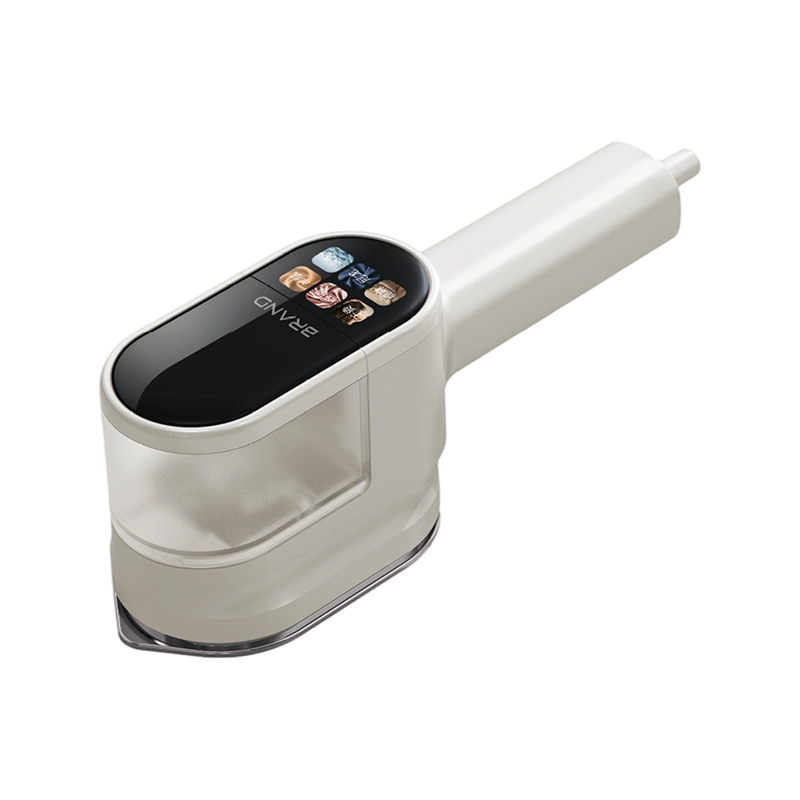
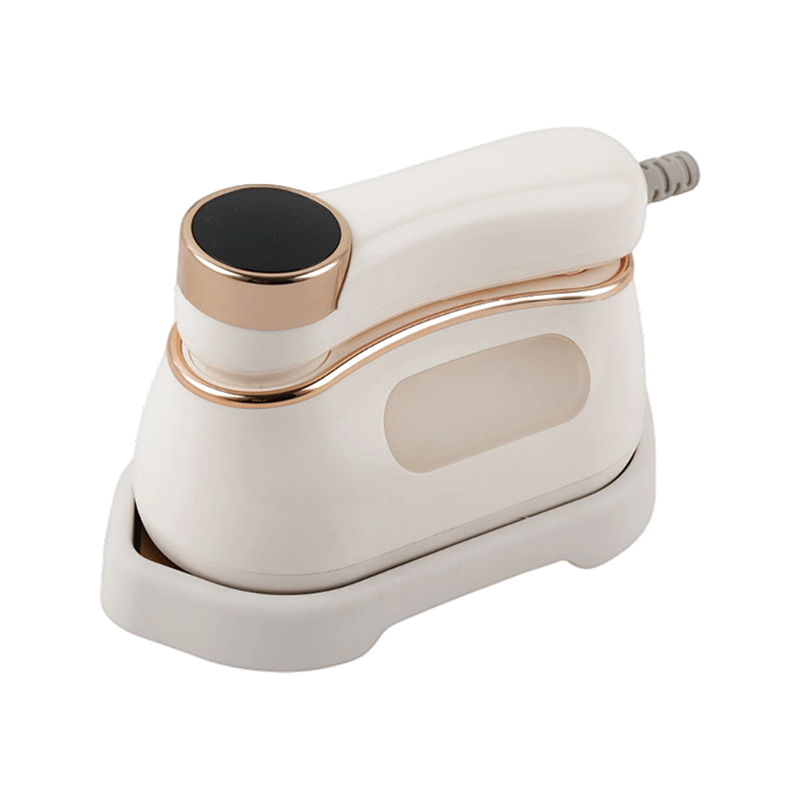
For a compact steam iron that reaches up to 200 degrees C with two steam levels, consider the Mayway MW817 rotatable model.
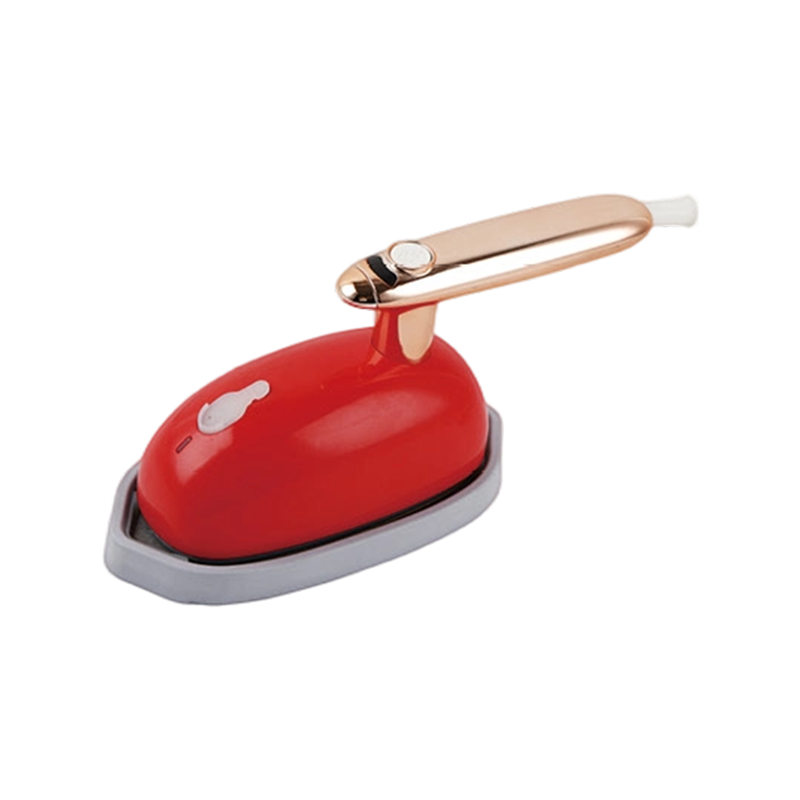 Mayway MW817 Portable Rotatable Garment Steamer with Two Steam LevelsWeighing only 0.9 kg with a 180ml tank, this steamer offers high or low steam settings and a rotating handle. Its constant-temperature aluminum panel and indicator light make it a handy choice for on-the-go wrinkle removal.View Product →
Steam Hole Layout
Single-row and double-row steam hole layouts change how steam spreads across the soleplate. Double-row designs typically produce wider steam coverage, which is useful for seamed areas and heavy fabrics. But temperature still remains the foundation; steam cannot compensate for an underpowered heating element.
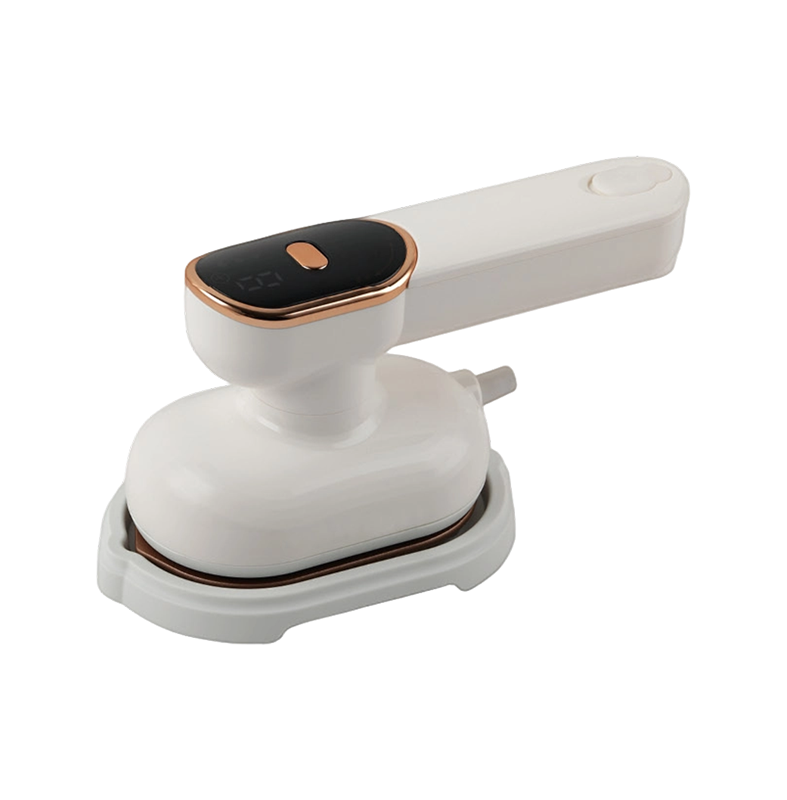
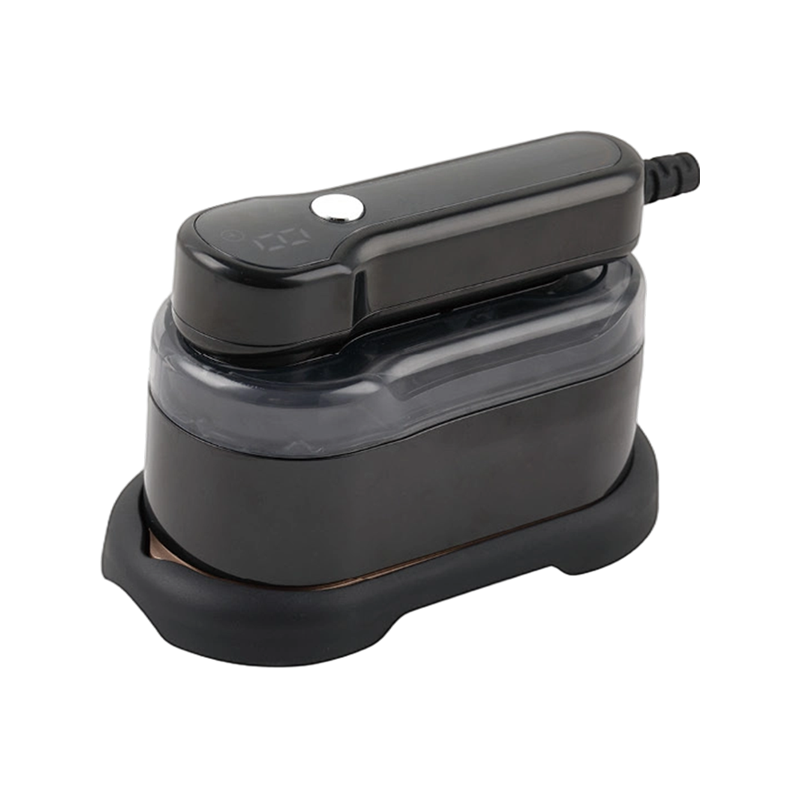
If you prefer a true 2-in-1 design, the Mayway MW821 with LED display offers both high-temperature ironing and handheld steaming in one device.
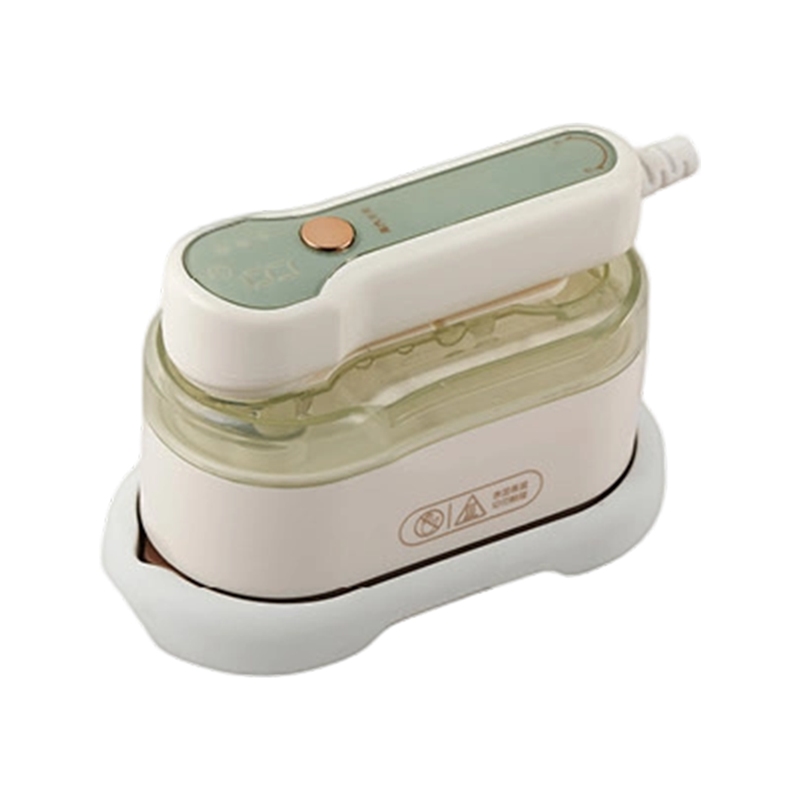 Mayway MW821 2-in-1 Steam Iron with LED Countdown and Rotating HandleThis hybrid device combines ironing and handheld steaming, featuring a three-level LED-controlled steam selector and a digital 9-to-0 preheat countdown. The 180° rotating handle aids maneuverability, and an auto shut-off option is available.View Product →
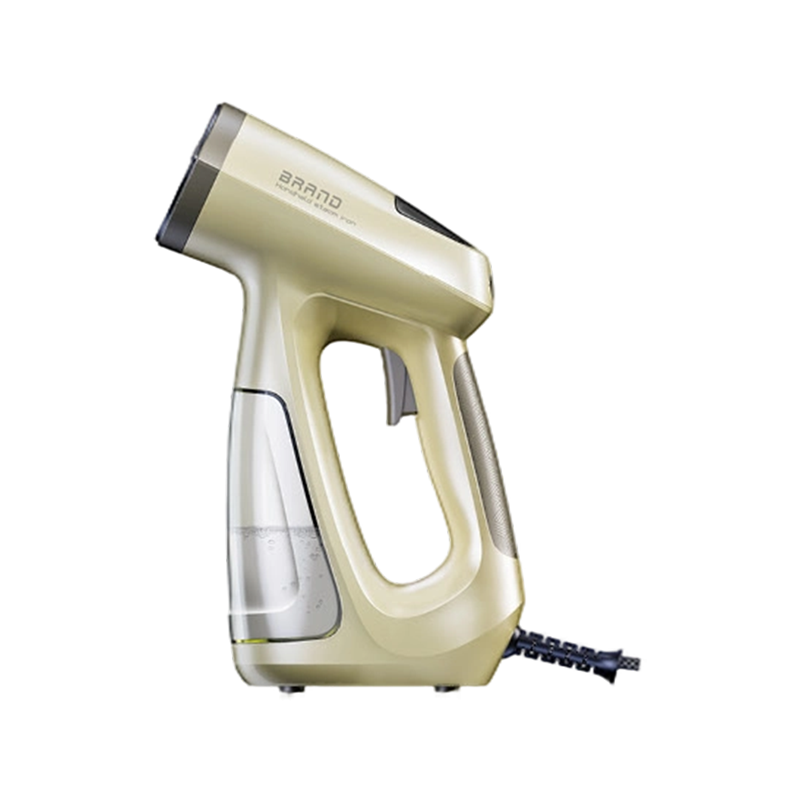
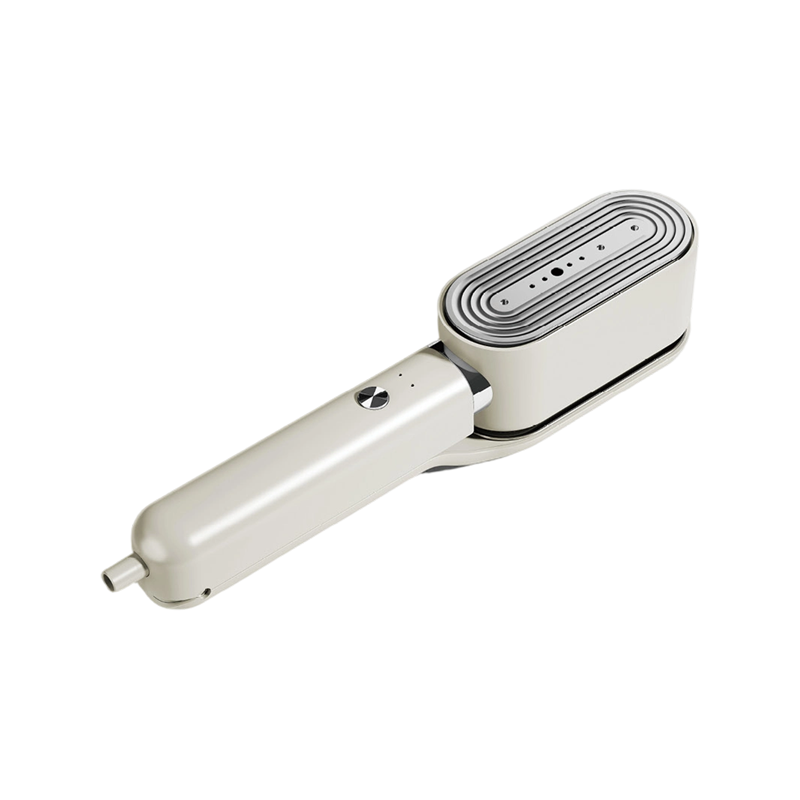
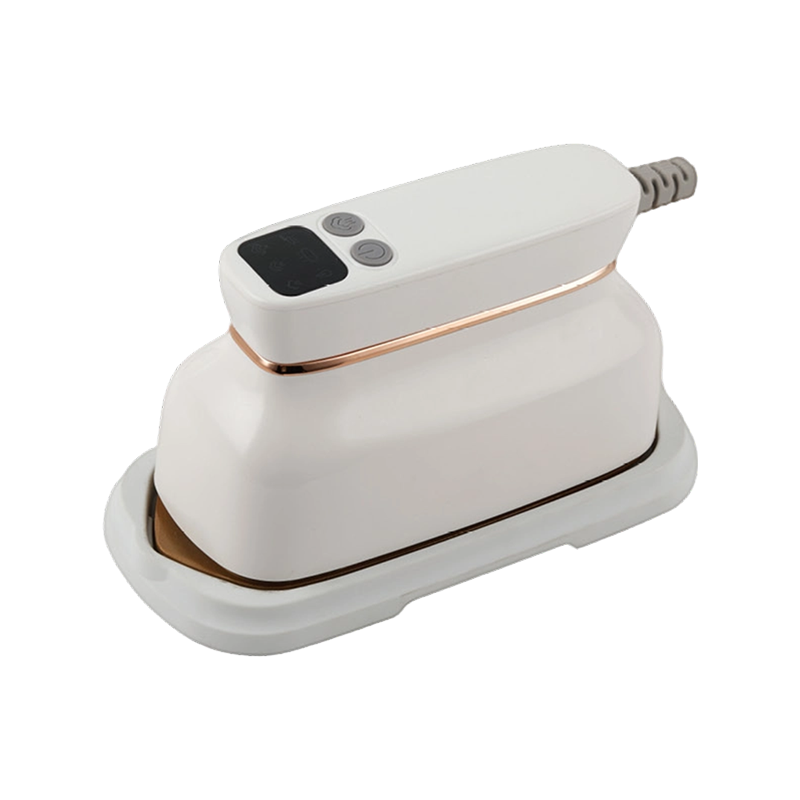
For lighter touch-ups, a handheld garment steamer such as the Mayway MW801 can quickly refresh clothes at a lower soleplate temperature, using strong steam to release wrinkles.
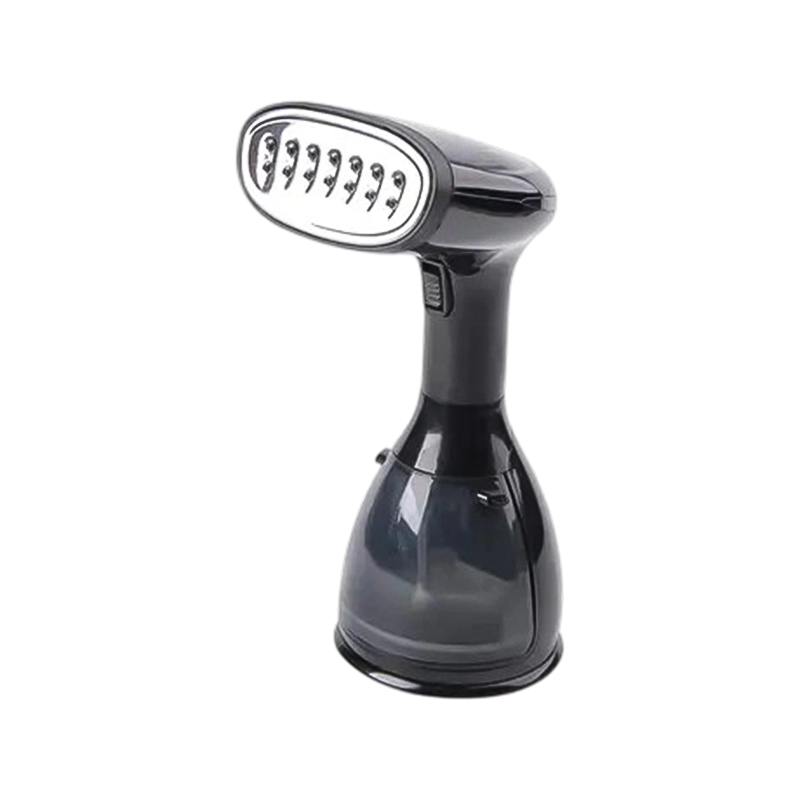 Mayway MW801 Classic Handheld Garment Steamer with Stainless Steel PlateWith a stainless steel panel and large water tank, this 1500W steamer tackles suits, nylon, silk, and cotton. The MW-801S variant adds three steam levels, offering a quick and effective way to refresh lighter garments.View Product →
Remember that temperature ratings on the box are measured at the soleplate, not at the steam tip. Compare products by looking at wattage, thermostat mechanism, and soleplate material together. A cheap iron with a glowing 220 degree C claim may still have weak steam and poor heat consistency. Always check the rated power and brand quality. You can also browse our full range of steam irons to see how various models implement these features.
Safety and Practical Tips at High Temperatures
Once you know how hot a steam iron gets, you must respect that heat. Always set the temperature according to the fabric guide and wait for the thermostat to settle before ironing. If the iron idles, place it on a heat-resistant stand, never with the soleplate facing your skin or the power cord.
Steam burns can be worse than direct-contact burns, because the hot vapor covers a larger area. Keep your free hand far from the steam burst area, and never lift the soleplate close to your face to check temperature. Let most irons sit for at least 15 minutes after unplugging before cleaning or storing. With stable temperature control and the right fabric settings, a steam iron becomes a reliable tool that keeps your wardrobe crisp without drama.
For exclusive deals and latest offers, sign up by entering your email address below.