русский
 Français
 한국어
한국어 عربى
عربى Español
 中文简体
中文简体How long does it take for a steam iron to heat up?
Admin 2026-07-31Content
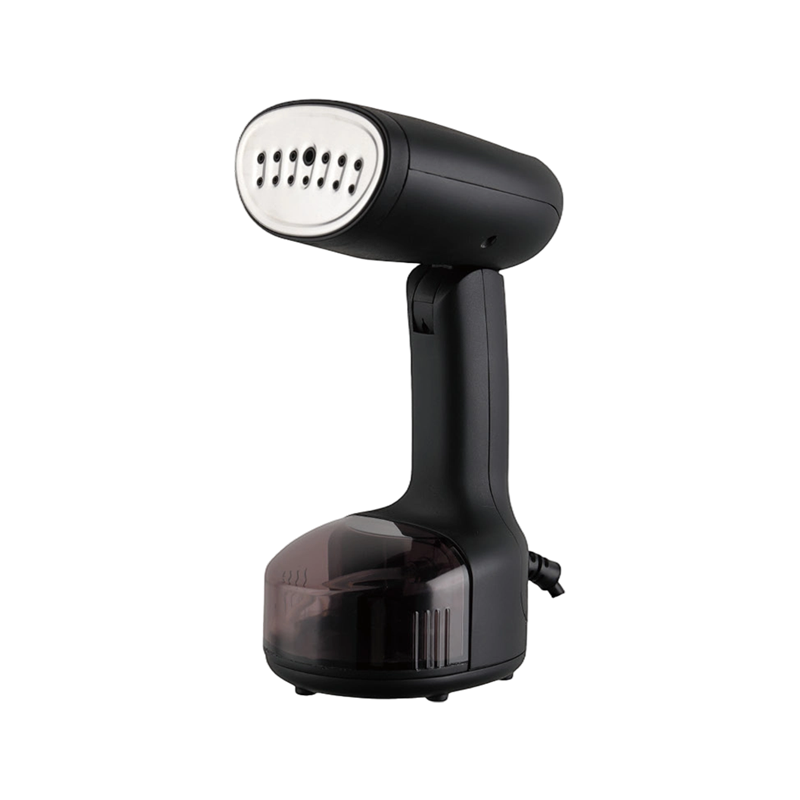
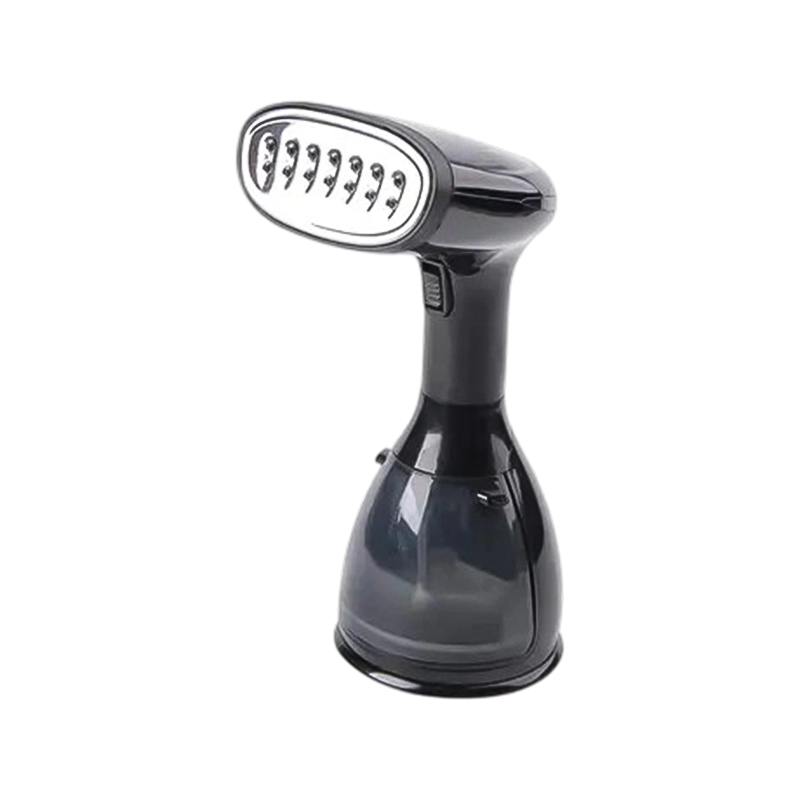
A standard steam iron typically takes between 60 seconds and 2 minutes to reach a usable ironing temperature, though the exact time depends on the target heat setting, the wattage of the iron, and whether the model includes rapid heating elements. Higher wattage irons, generally in the 1800 to 2400 watt range, tend to heat noticeably faster than lower wattage models, which is why checking the power rating of an option such as a Steam Iron can give a useful early indicator of how quickly it will be ready for use after switching it on.
The sections below explain what determines heating speed, how heating time varies by temperature setting, and practical tips for making the most of warm up time during your ironing routine.
What Determines How Fast an Iron Heats Up
Heating speed is not a fixed value across all irons, since several design factors directly influence how quickly the soleplate reaches target temperature.
Wattage and Heating Element Design
Higher wattage irons deliver more electrical energy to the heating element per second, which generally translates into faster soleplate heating. An iron rated at 2200 watts will typically reach full ironing temperature noticeably faster than one rated at 1200 watts, all else being equal.
Soleplate Material and Mass
Soleplate material affects how quickly heat is absorbed and distributed. Thinner, lighter soleplates generally heat faster since there is less metal mass to warm, while thicker soleplates designed for even heat retention may take slightly longer to reach full temperature but often maintain more consistent heat during use.
Heating Time by Target Temperature Setting
Since different fabrics require different heat levels, the target temperature setting directly affects how long you will wait before the iron is ready.
| Fabric Setting | Approximate Target Temperature | Typical Heat Up Time |
| Synthetic and low heat fabrics | Around 110 degrees Celsius | 30 to 60 seconds |
| Wool and medium heat fabrics | Around 150 degrees Celsius | 45 to 90 seconds |
| Cotton and linen, high heat | Around 200 degrees Celsius | 60 to 120 seconds |
These general ranges reflect common heating behavior for standard household steam irons, and actual times can vary depending on the specific model, ambient room temperature, and whether the iron was recently used and is heating up from a partially warm state.
How to Know When Your Iron Is Ready
Most modern steam irons include a clear indicator to signal when the target temperature has been reached, removing the guesswork from timing your ironing session.
Thermostat Indicator Light
Many irons feature an indicator light that turns off, or in some designs turns green, once the soleplate reaches the selected temperature setting, giving a clear visual cue that the iron is ready for use without needing to test on fabric first.
Testing on a Fabric Scrap
For irons without a clear indicator light, briefly testing on an inconspicuous fabric scrap or an old cloth can confirm the iron has reached adequate heat before moving to the actual garment, helping avoid the risk of ironing with insufficient heat that fails to remove wrinkles effectively.
Why Steam Function May Take Slightly Longer
While the soleplate itself may reach ironing temperature within a minute or two, full steam output sometimes takes a short additional period to stabilize.
- Water inside the tank or boiler chamber needs to reach boiling point before steam can be generated consistently
- Some models require the soleplate to reach a minimum threshold temperature before steam function activates, to prevent water from dripping through unheated vents
- Steam boiler style irons, which use a separate water reservoir and boiler unit, may take a few minutes longer to build initial steam pressure compared to standard integrated tank designs
This is a normal part of iron operation, and waiting the brief extra time for steam to stabilize generally results in more consistent, even steam output throughout the ironing session rather than inconsistent bursts early on.
Tips for Making the Most of Warm Up Time
A few simple habits can help you use heating time efficiently rather than simply waiting idle for the iron to warm up.
- Sort clothing by fabric type before starting, so you can iron from lowest to highest heat setting as the iron continues warming toward higher temperatures
- Set up your ironing board and lay out garments while the iron heats, rather than waiting to prepare your workspace afterward
- Fill the water tank before switching on the iron so steam function is ready as soon as the soleplate reaches temperature
- Start with synthetic or low heat items first if sorting by temperature, since these typically require less initial heating time
Choosing an Iron Based on Heating Speed Needs
If quick warm up time is a priority for your household routine, checking the wattage rating and looking for models specifically marketed with rapid heating technology can help narrow your options. Comparing specifications for models such as Steam Iron units with higher wattage ratings can give a reliable indication of which options will get you ironing sooner after switching the iron on.
Summary
Most steam irons take between one and two minutes to reach a usable ironing temperature, with higher wattage models and lower target temperature settings generally heating faster than lower wattage irons set to high heat. Understanding what affects heating speed, watching for the thermostat indicator, and organizing your ironing routine around warm up time can help you get started more efficiently each time you reach for the iron.
For exclusive deals and latest offers, sign up by entering your email address below.