русский
 Français
 한국어
한국어 عربى
عربى Español
 中文简体
中文简体What to look for when buying a steam iron
Admin 2026-07-24Content
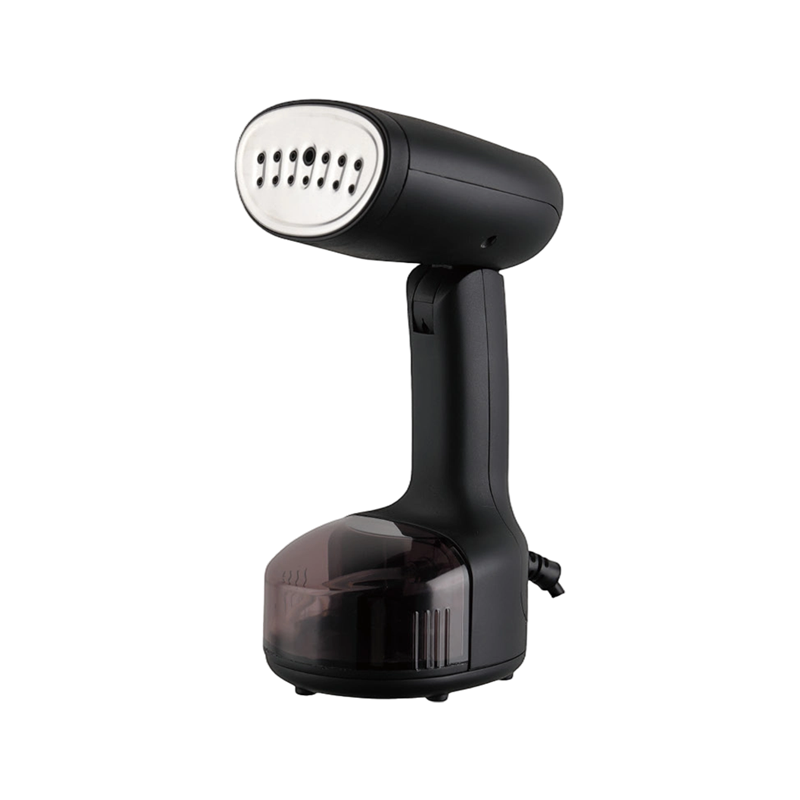
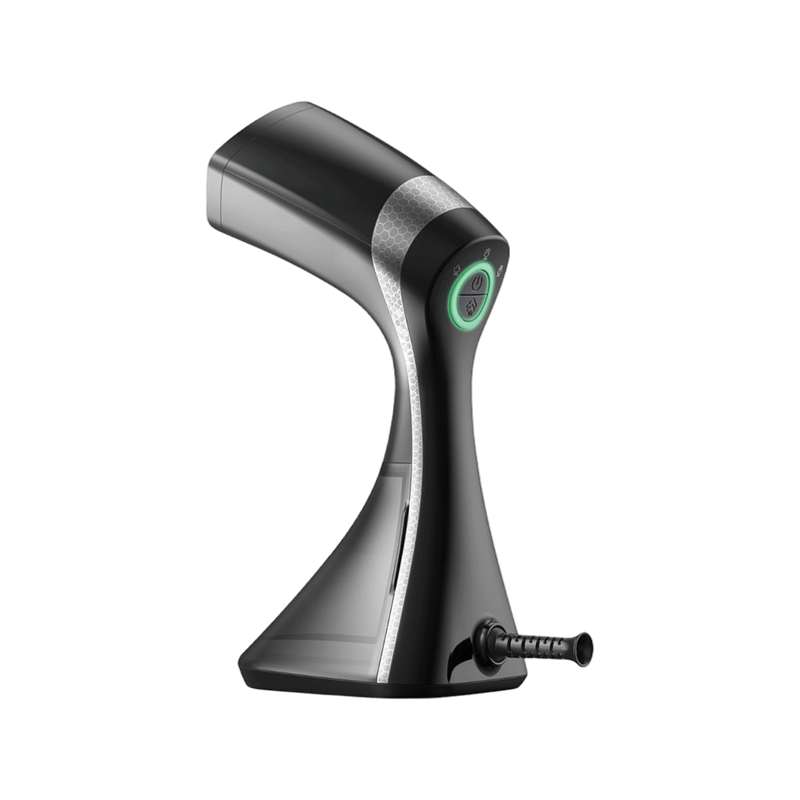
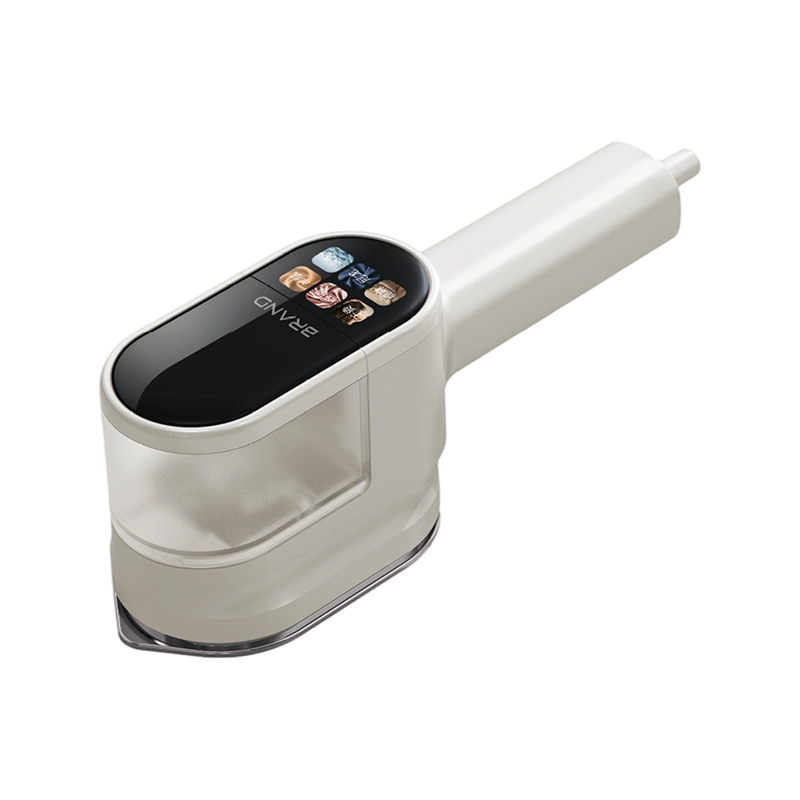
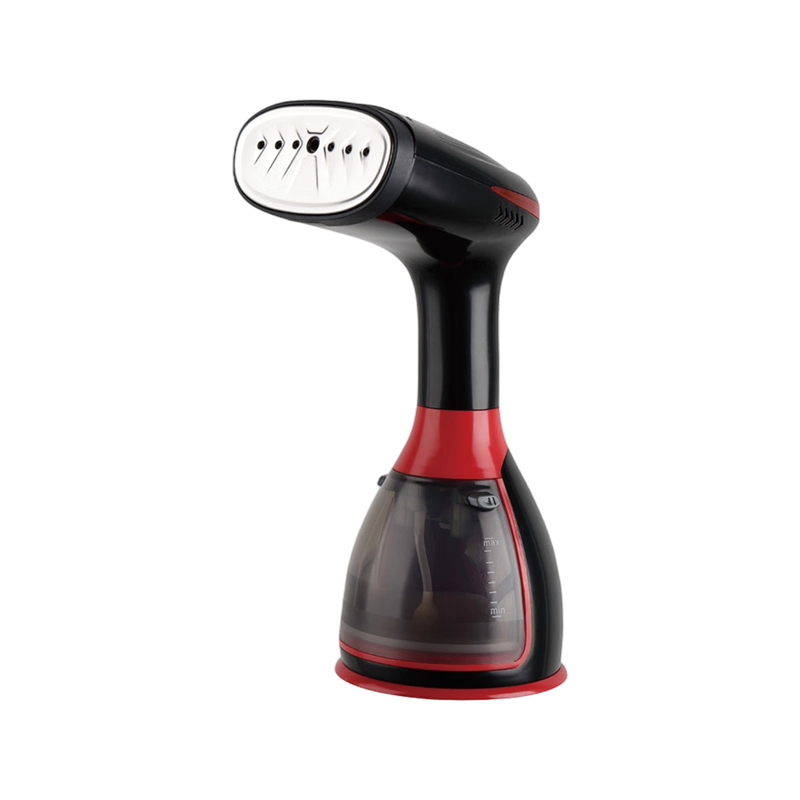
When buying a steam iron, the most important factors to check are soleplate material, steam output rate, water tank capacity and design, temperature control range, and safety features such as auto shutoff, since these directly determine ironing performance, ease of use, and long term durability. A well specified option such as a Steam Iron built with a quality soleplate coating and consistent steam delivery will generally glide more smoothly across fabric and remove wrinkles more effectively than a basic model with lower steam output and a poorly finished soleplate.
The sections below break down each of these factors in detail, along with practical guidance on matching iron features to your specific fabric types and ironing habits.
Soleplate Material and Coating
The soleplate is the part of the iron that makes direct contact with fabric, and its material significantly affects glide, heat distribution, and long term maintenance.
Stainless Steel Soleplates
Stainless steel soleplates are durable and resistant to scratching, making them a common choice for everyday use, though they generally require slightly more effort to glide smoothly compared to ceramic coated alternatives.
Ceramic and Non Stick Coated Soleplates
Ceramic coated soleplates typically offer a smoother glide across fabric and are less likely to cause fabric snagging, which is particularly helpful when ironing delicate materials. However, coated soleplates can be more prone to scratching over time if not handled carefully, so checking coating durability specifications is worthwhile for buyers planning heavy regular use.
Steam Output and Distribution
Steam output directly affects how effectively an iron removes stubborn wrinkles, particularly on thicker fabrics like denim or heavy cotton.
| Steam Output Range | Best Suited For |
| Under 20 grams per minute | Light fabrics, occasional touch ups |
| 20 to 35 grams per minute | General everyday ironing across mixed fabric types |
| 35 grams per minute and above | Heavy fabrics, frequent or bulk ironing sessions |
Beyond the base steam rate, many irons also offer a burst of steam function that temporarily boosts output, commonly reaching up to 100 to 150 grams per minute for a few seconds, which is particularly useful for tackling deep set wrinkles or vertical steaming of hanging garments.
Water Tank Capacity and Refill Design
Tank size and refill convenience affect how often you need to pause during a longer ironing session.
Tank Capacity Considerations
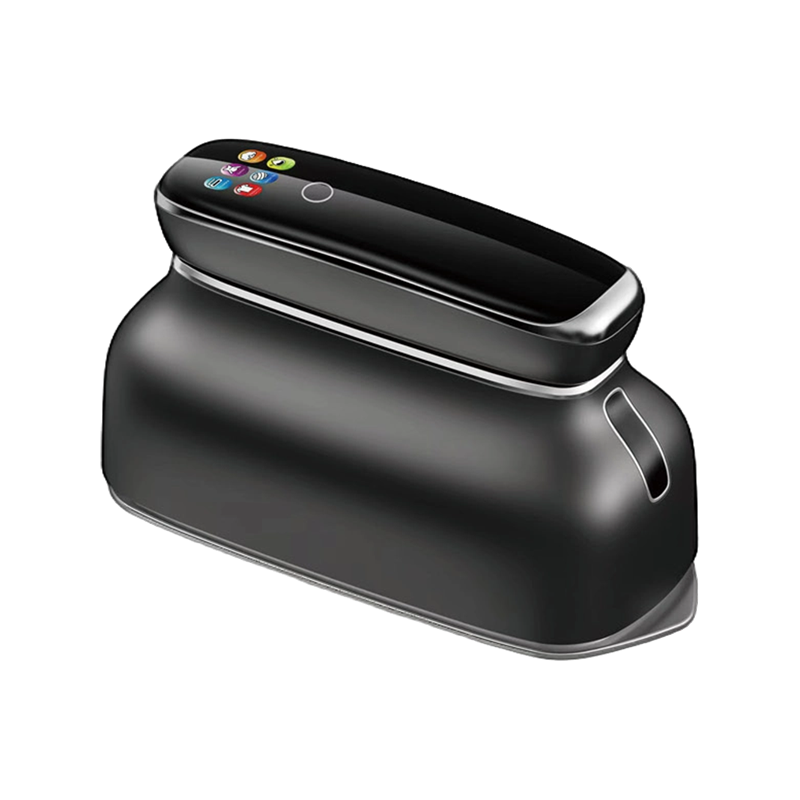
Smaller water tanks, often under 200 milliliters, are lighter and easier to maneuver but require more frequent refilling, while larger tanks exceeding 300 milliliters support longer continuous ironing sessions without interruption, which matters more for households doing bulk laundry ironing sessions.
Refill Opening and Water Level Visibility
A wide refill opening makes it easier to fill the tank without spilling, and a clear or marked water level window helps you monitor remaining water without needing to open the tank during use, both of which are small but meaningful convenience features worth checking before purchase.
Temperature Control and Fabric Settings
Different fabrics require different heat levels, and a good temperature control system helps prevent fabric damage while still effectively removing wrinkles.
- Look for clearly labeled fabric setting dials covering common materials like cotton, wool, silk, and synthetic blends
- Precise temperature control reduces the risk of scorching delicate fabrics while still adequately pressing heavier materials
- Some models offer a dedicated low heat steam setting suited for delicate fabrics that cannot tolerate high direct heat
- Consistent heat recovery after steam bursts helps maintain steady ironing results across a session
Safety Features Worth Checking
Safety mechanisms not only protect users but also help prevent accidental damage to fabric or surfaces if the iron is left unattended briefly.
- Automatic shutoff that powers down the iron after a period of inactivity, commonly a few minutes when left flat
- Tip over shutoff that activates if the iron is knocked onto its side
- Cool touch handle design that reduces the risk of accidental burns during handling
- Anti drip systems that prevent water leakage from the soleplate at low temperature settings
General consumer appliance safety guidance frequently highlights auto shutoff as one of the more valuable safety features for households with children or busy routines, since it significantly reduces fire risk from an iron accidentally left on.
Additional Features That Improve Everyday Use
Beyond the core functional factors, a few additional features can meaningfully improve day to day convenience.
Anti Calcium and Self Cleaning Systems
Built in anti calcium filters or self cleaning functions help reduce mineral buildup inside the water tank and steam vents, which is particularly useful in areas with hard tap water and helps maintain consistent steam output over the iron's lifespan.
Cord Design and Storage
A swivel cord reduces tangling during use, while a longer cord length offers more flexibility when ironing on a stationary board without needing to reposition the power outlet setup frequently.
Matching Features to Your Ironing Habits
Choosing the right combination of features ultimately depends on how often you iron and what types of fabric you handle most frequently. For occasional light use, a smaller tank and moderate steam output may be entirely sufficient, while households doing frequent bulk ironing generally benefit from higher steam output, larger tank capacity, and a more durable soleplate coating. Reviewing detailed specifications for options such as Steam Iron models can help you compare these features directly before making a purchase decision suited to your specific needs.
Summary
Buying the right steam iron comes down to evaluating soleplate material, steam output, water tank design, temperature control precision, and safety features together rather than focusing on any single specification. Matching these factors to your typical fabric types and ironing frequency helps ensure the iron you choose delivers reliable performance and lasts through years of regular household use.
For exclusive deals and latest offers, sign up by entering your email address below.