русский
 Français
 한국어
한국어 عربى
عربى Español
 中文简体
中文简体How to use a steam iron for steam ironing
Admin 2026-08-07Content
- 1 Why Steam Ironing Works Better Than Dry Ironing
- 2 Preparing Your Steam Iron Before Use
- 3 Step-by-Step Guide to Steam Ironing
- 4 Recommended Temperature and Steam Settings by Fabric
- 5 Vertical Steaming for Hanging Garments
- 6 Common Mistakes That Damage Fabric or the Iron
- 7 Maintaining Your Steam Iron for Long-Term Performance
- 8 Choosing the Right Steam Iron for Your Household
- 9 Frequently Asked Questions
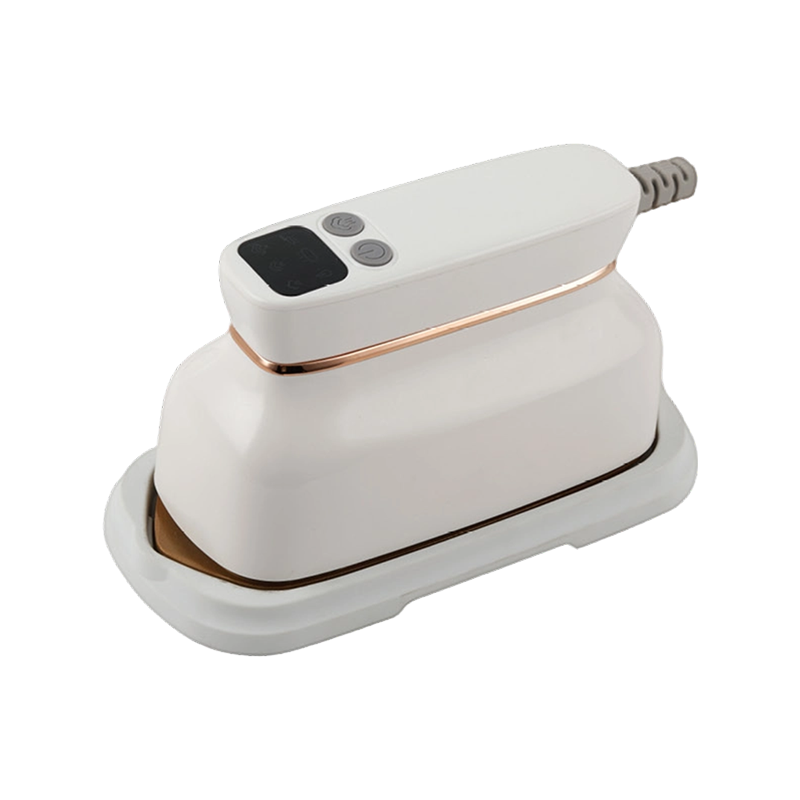
To steam iron effectively, fill the water tank with clean or distilled water, set the temperature according to the fabric type, wait until the indicator light shows the iron is heated, then glide the iron slowly across the fabric while pressing the steam button in short bursts. Holding the iron in one spot for more than 3 to 5 seconds can scorch most natural fibers, so continuous, even movement is the key to a smooth, wrinkle-free finish. A reliable Steam Iron with adjustable steam output makes this process faster and safer, especially for mixed fabric wardrobes.
Why Steam Ironing Works Better Than Dry Ironing
Steam ironing relies on moisture combined with heat to relax the fibers in fabric, allowing wrinkles to release more easily than with dry heat alone. When steam penetrates the weave of a fabric, it softens the hydrogen bonds between fibers that cause creases to hold their shape. Dry ironing only applies surface heat, which often requires more pressure and repeated passes to achieve the same result.
Faster Results With Less Pressure
Because steam does most of the work of relaxing fibers, less downward pressure is needed from the user. This reduces the risk of shine marks on fabrics such as wool and polyester blends, which can develop a glossy patch when pressed too hard with a dry iron.
Better for Structured Garments
Collars, cuffs, and pleats hold their shape more consistently with steam because the moisture allows the fabric to be reshaped, not just flattened. A Steam Iron with a precision tip is particularly useful for these detailed areas, since it can direct steam into tight corners without stretching the surrounding fabric.
Preparing Your Steam Iron Before Use
Preparation determines almost half of the ironing result. Before switching on the iron, check three things: water quality, fabric label, and ironing surface.
Choosing the Right Water
According to general appliance care guidance from the Association of Home Appliance Manufacturers, hard tap water containing high mineral content is one of the leading causes of clogged steam vents. If your local tap water hardness exceeds 120 mg per liter, it is recommended to mix it with distilled water in a 1 to 1 ratio, or use 100 percent distilled water for iron models without a built in anti scale filter.
Reading the Fabric Care Label
Most garments carry a care label with a small iron icon containing one, two, or three dots. These dots correspond to low, medium, and high heat settings respectively. Ironing at the wrong setting is one of the most common causes of fabric damage, particularly on synthetic blends such as polyester and nylon, which can melt at temperatures above 150 degrees Celsius.
Setting Up a Stable Ironing Surface
An uneven or wobbly ironing board can cause the iron to tip, increasing the risk of burns or spills. A padded board with a heat resistant cover also helps steam distribute more evenly through the fabric, rather than being absorbed unevenly by a thin or worn surface.
Step-by-Step Guide to Steam Ironing
- Fill the water tank to the maximum fill line, but never overfill, since excess water can leak through the soleplate holes.
- Set the temperature dial to match the fabric type, starting from the lowest setting for delicate materials.
- Wait for the ready indicator light, which usually takes between 60 and 90 seconds depending on the model.
- Lay the garment flat on the ironing board, smoothing out major folds by hand first.
- Press the steam button in short pulses while moving the iron in straight, overlapping strokes.
- For stubborn creases, use the vertical steam function by holding the iron a few centimeters away from hanging fabric.
- Flip the garment and repeat on the reverse side for thicker fabrics such as denim or heavy cotton.
- Turn off the steam function and empty any remaining water after each session to prevent mineral buildup.
Recommended Temperature and Steam Settings by Fabric
Different fibers react differently to heat and moisture. The table below summarizes commonly recommended settings based on textile care standards published by the International Fabricare Institute.
| Fabric Type | Recommended Temperature | Steam Level |
| Cotton | 180 to 200 degrees Celsius | High |
| Linen | 200 to 220 degrees Celsius | High |
| Wool | 140 to 160 degrees Celsius | Medium |
| Silk | 110 to 130 degrees Celsius | Low or none |
| Polyester | 130 to 150 degrees Celsius | Low |
| Denim | 190 to 210 degrees Celsius | High |
Vertical Steaming for Hanging Garments
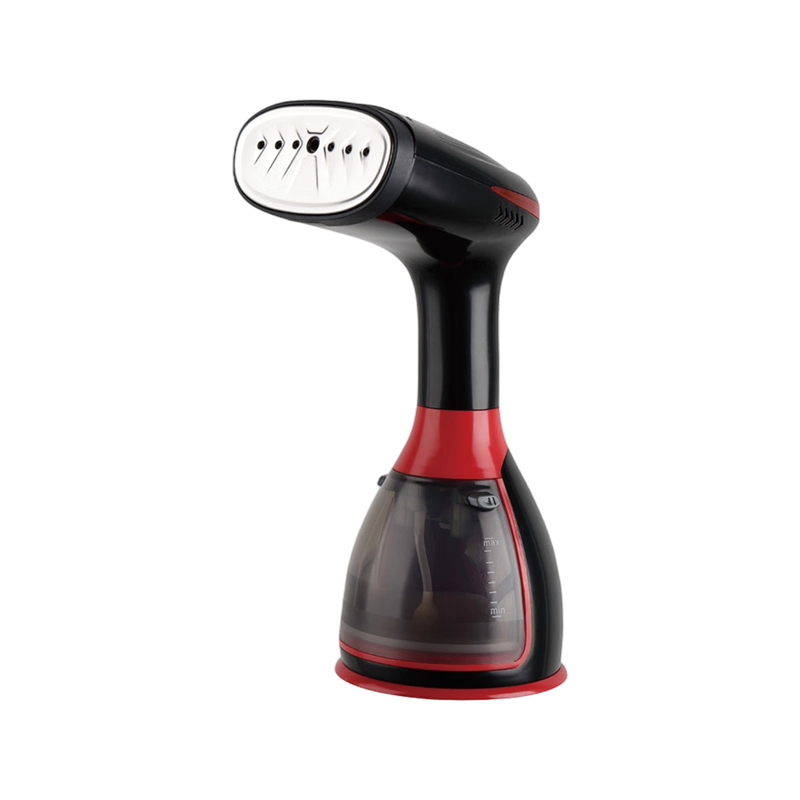
Many modern steam irons, including a Steam Iron with a vertical steam function, can be used on garments while they hang on a rack, which is especially useful for jackets, curtains, and dresses that are difficult to lay flat.
How Vertical Steaming Works
The iron is held upright a few centimeters from the fabric, and short bursts of steam are released while the fabric is gently pulled taut with the free hand. This method avoids direct contact between the soleplate and delicate fabrics, reducing the risk of scorching.
Fabrics Best Suited for Vertical Steaming
- Silk blouses and dresses that wrinkle easily under pressure
- Suit jackets and blazers with structured shoulders
- Curtains and drapery that cannot be removed from the rod
- Formal wear such as evening gowns with delicate embellishments
Common Mistakes That Damage Fabric or the Iron
Even experienced users make avoidable errors during steam ironing. Recognizing these mistakes can extend the lifespan of both clothing and the appliance.
Ironing Without Testing Heat First
Testing on an inside seam or hidden corner for 3 to 5 seconds before ironing the visible surface prevents irreversible shine marks or melting, especially on blended fabrics.
Using Tap Water in High Mineral Areas
Consumer Reports testing has repeatedly shown that mineral deposits from hard water are a leading cause of steam vent blockage within the first year of use, reducing steam output by as much as 30 percent over time.
Ironing Damp Clothes at High Heat
Combining high heat with already damp fabric can cause over saturation, leaving visible water marks on darker garments. It is better to lower the temperature slightly when ironing slightly damp items.
Leaving the Iron Unattended While Hot
Fire safety data from the National Fire Protection Association lists irons among common causes of home appliance fires when left face down on fabric or an ironing board while still heated. Always place the iron on its heel rest when pausing.
Maintaining Your Steam Iron for Long-Term Performance
Regular maintenance keeps steam output consistent and prevents residue from transferring onto clothes.
- Run the self clean function once every two to four weeks if the iron supports it.
- Wipe the soleplate with a damp cloth after it cools down completely.
- Empty the water tank after every use to avoid stagnant water buildup.
- Store the iron upright to prevent water leakage from the soleplate.
- Check the power cord regularly for fraying or damage near the base of the iron.
A well maintained Steam Iron with anti drip and anti scale technology can significantly reduce the frequency of manual descaling, making it a practical choice for households that iron frequently.
Choosing the Right Steam Iron for Your Household
Not every household has the same ironing needs, so matching the iron to usage frequency and fabric types can improve both efficiency and garment care.
Light Household Use
For occasional ironing of everyday clothing such as shirts and cotton trousers, a mid range steam output between 20 and 30 grams per minute is generally sufficient.
Frequent or Heavy Fabric Use
Households that regularly iron linens, denim, or thick cotton benefit from a higher steam output, often above 35 grams per minute, paired with a heavier soleplate that retains heat more evenly across larger surfaces.
Travel and Compact Needs
Smaller, lightweight steam irons with quick heat up times are better suited for travel or small living spaces, though they typically have smaller water tanks that require more frequent refilling.
Frequently Asked Questions
Can steam ironing be used on all fabrics
No. Fabrics such as silk, leather, and certain synthetic blends should be ironed with little to no steam, since excess moisture combined with heat can cause discoloration or warping.
How long does a steam iron take to heat up
Most modern steam irons reach the lowest ready temperature within 60 seconds, while reaching the highest cotton or linen setting typically takes closer to 90 seconds.
Why does my iron leak water while ironing
Leaking usually occurs when the temperature is set too low for the steam function to fully vaporize the water, or when the tank is overfilled beyond the marked maximum line.
How often should I descale my steam iron
For households using moderately hard water, descaling once every four to six weeks is generally recommended to keep steam vents clear and maintain consistent output.
For exclusive deals and latest offers, sign up by entering your email address below.