русский
 Français
 한국어
한국어 عربى
عربى Español
 中文简体
中文简体How Do You Cool Iron?
Admin 2026-08-14Content
- 1 What Temperature Is a Cool Iron? A Quick Reference
- 2 How to Cool Iron Your Clothes: Step-by-Step
- 3 What to Do When Your Iron Has No "Cool" Setting
- 4 Cool Iron vs. Steaming: Which Is Safer for Delicate Fabrics?
- 5 Common Cool Iron Mistakes and How to Avoid Them
- 6 Frequently Asked Questions About Cool Ironing
- 7 Master Cool Ironing With the Right Tools
A "cool iron" setting is the lowest heat option used for garment care. When you see this on a clothing label, it means the fabric can only withstand a maximum temperature of approximately 110°C (230°F). This isn't a suggestion to use a medium setting; it's strictly the minimum heat setting on your iron, often represented by a single dot on the care label symbol.
The label requires this low temperature because synthetic fibers and delicate blends are thermoplastic. Exposing polyester, nylon, or acetate to high heat melts the fibers, causing irreversible shine, shrinkage, or holes. If the label says "cool iron if necessary," it signals that the fabric is highly sensitive and you should only apply heat to remove severe creases, never as a routine maintenance step.
Understanding this label prevents the most common ironing disaster: fabric meltdown. The one-dot symbol equates directly to the synthetic or silk setting on your iron’s dial. Ignoring this and bumping the heat to a two-dot (warm) or three-dot (hot) setting will destroy the garment instantly.
What Temperature Is a Cool Iron? A Quick Reference
The "cool iron" temperature range sits at 110°C (230°F) or lower. Most modern irons do not display numbers but use fabric names or dots. If your iron is marked with fabric types, the lowest synthetic setting—usually labeled "Nylon" or "Acetate"—is your cool iron target. If it uses dots, one dot means cool.
Interpreting the dial correctly prevents disasters. An iron takes time to stabilize. When you set the dial to the synthetic setting, the heating light turns on. Wait for the indicator light to cycle off before you start. This confirms the soleplate has stopped climbing in temperature and has settled in the safe cool zone. If you start ironing while the light is still on, the temperature could be spiking well above 110°C.
Below is a breakdown of common temperature settings and their corresponding fabric types:
| Iron Setting Label | Temperature Range | Suitable Fabrics |
|---|---|---|
| Cool / Low / Nylon | ~110°C (230°F) | Acetate, Nylon, Polyester, Silk |
| Warm / Medium / Silk/Wool | ~150°C (300°F) | Wool, Polyester blends |
| Hot / High / Cotton/Linen | ~200°C (390°F) | Cotton, Linen |
For delicate items like wool coats, consult specific handling guides. You can find detailed advice on ironing delicate fabrics like wool coats in our detailed care guide.
How to Cool Iron Your Clothes: Step-by-Step
Ironing at low temperatures requires patience. The goal is to remove wrinkles without the extreme pressure or prolonged contact that creates shine marks on dark synthetics. Follow these steps to avoid damaging your garments:
- Check the care label. Do not rely on feel. Confirm the fabric is labeled as "cool iron" or features the one-dot symbol. Check the fiber composition tag for percentages of polyester, nylon, or spandex.
- Set the dial correctly. Turn the iron dial to the lowest synthetic setting. If it has a steam function, ensure the water tank is filled if you plan to use steam, but be aware that steam can sometimes exceed the soleplate temperature.
- Wait for the cycle. Allow the iron to heat up and wait for the indicator light to turn off completely. This guarantees you aren't applying a temperature spike to your clothes.
- Use a pressing cloth. For extremely shiny or dark synthetic fabrics, place a thin cotton cloth (like a handkerchief) between the iron and the garment. This protective barrier distributes heat evenly and prevents scorching.
- Turn the garment inside out. Ironing on the reverse side prevents the shiny "iron glazing" that happens when the soleplate directly abrades synthetic fibers.
- Keep moving. Do not let the iron rest in one spot for more than a second. Use light pressure and glide continuously.
Resetting the iron is just as important as setting it. After finishing your cool iron pile, turn the dial up to a higher setting only if you intend to iron cotton immediately. If you are done, unplug the unit. Leaving a high-heat iron sitting idle is a safety hazard, and forgetting to reset it will cause you to accidentally melt your next synthetic shirt.
What to Do When Your Iron Has No "Cool" Setting
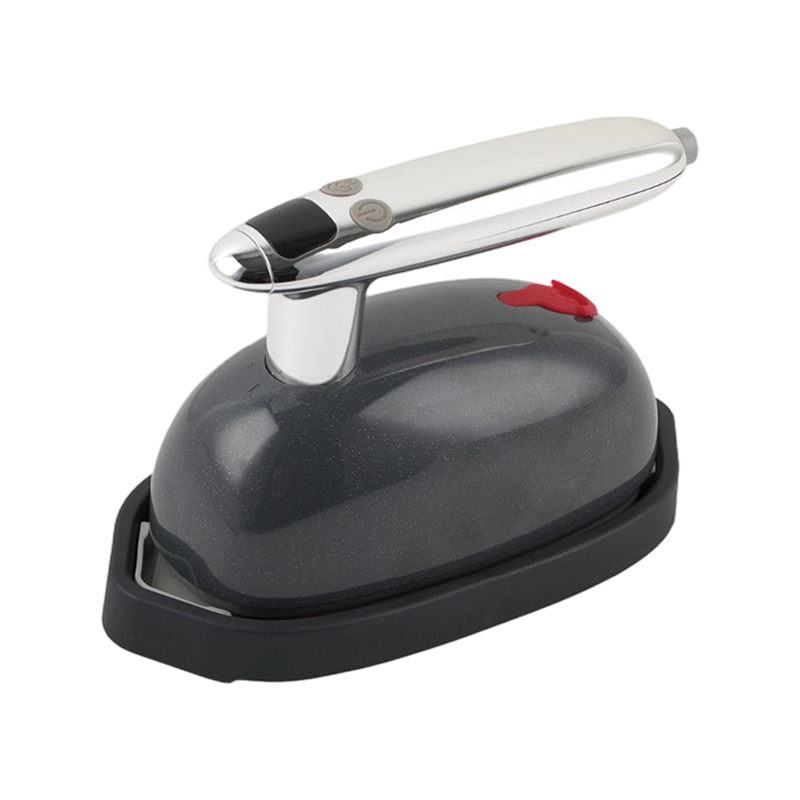
Many basic or older irons lack a labeled "Nylon" or dot indicator. In this case, treat the minimum heat position as your cool iron setting. Turn the dial as far down as it goes. If the dial is completely unmarked, you can perform a tactile test: let the iron heat for a minute, then hold your hand a few centimeters above the soleplate. You should feel gentle warmth, not harsh radiating heat. Never touch the plate directly to test temperature.
If your iron simply cannot achieve a low, stable temperature—some cheap travel irons run very hot—do not risk direct contact. An iron with a sticky or uncalibrated thermostat is dangerous for synthetic fabrics. In this scenario, removing the contact entirely is the safest professional strategy. A garment steamer uses hot vapor to relax fibers from a distance without the weight or friction of a metal plate. It is biologically impossible for steam alone to melt or glaze synthetic fabric the way a hot dry iron does.
If you're unsure about direct heat, switching to steaming is a reliable safety net. For a comprehensive guide on the process, read our instructions on how to use a garment steamer. For those who lack a precise temperature dial, a 2-in-1 handheld steamer and iron gives you the control to switch between pressing and safe steaming.
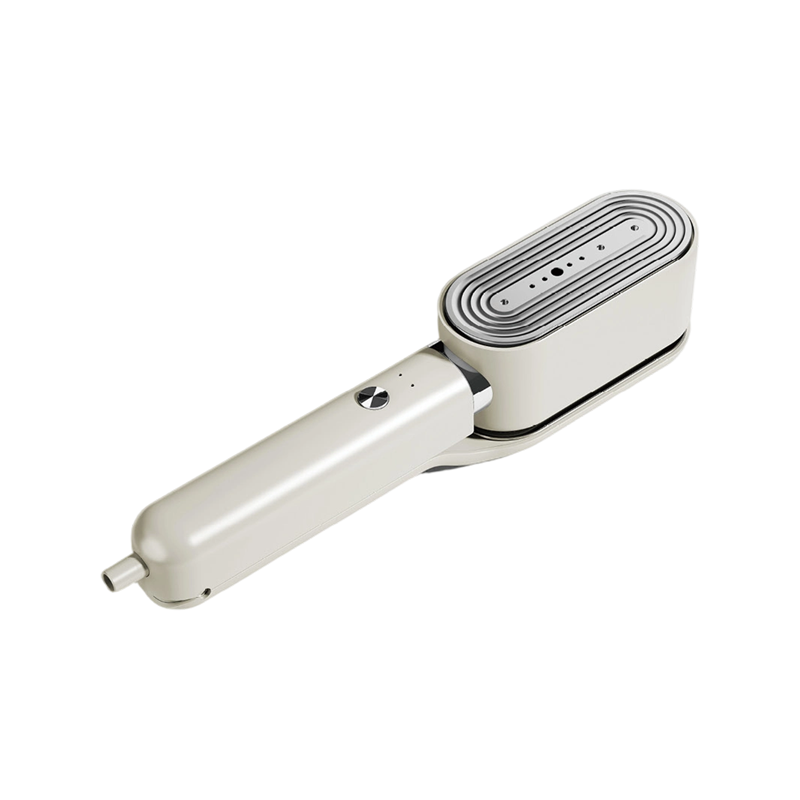
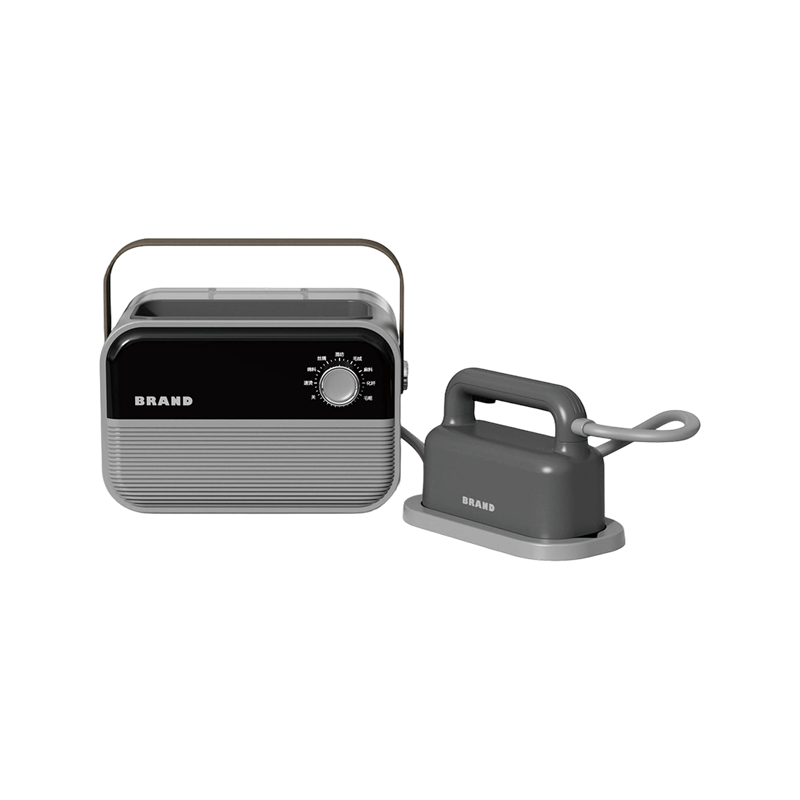
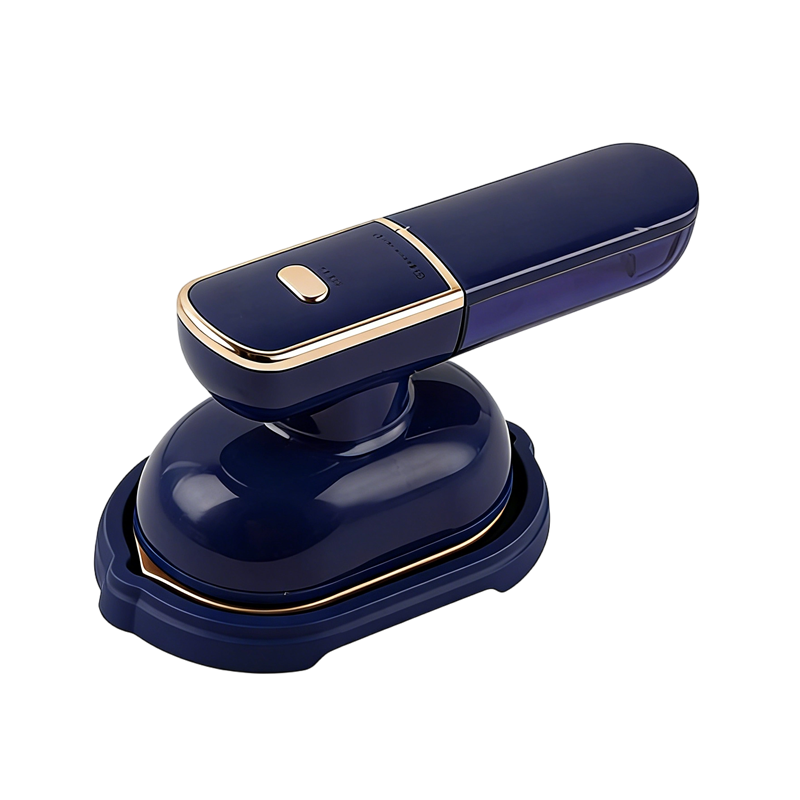 Wholesale 2 In 1 Steam Iron Manufacturer, Exporter CompanyNingbo Mayway Electrical Appliance Co.,Ltd is China OEM 2 in 1 steam iron manufacturer and mini steam iron exporter company, We custom an...View Product →
Cool Iron vs. Steaming: Which Is Safer for Delicate Fabrics?
Steam offers a significant safety margin that a traditional cool iron cannot match. A cool iron is still a heated metal plate pressing against sensitive fibers. Even at 110°C, direct contact can distort a loosely woven silk or leave glossy press marks on black polyester. Steam relaxes the molecular bonds in the fibers using heat transfer through moist air, allowing wrinkles to drop without physical pressure.
However, these tools often work best together. Cool ironing provides crisp structural results—such as hard creases on trousers or sharp collars on chiffon shirts—that steam cannot. Steam is superior for refreshing clothes between washes, removing wrinkles from lined garments, and treating hanging drapery. The risk with steam is condensation; ensure your steamer emits dry, powerful steam rather than spitting water droplets, which can leave water spots on silk.
The modern solution is a hybrid approach. Having a tool that allows for precise dry ironing alongside powerful vertical steaming covers both crisp finishing and gentle care. We compare these technologies further in our analysis of a garment steamer vs. electric iron. If you often find yourself bouncing between pressing board lines and hanging delicates, consider an iron that supports both dry and steam ironing to eliminate this guesswork. To understand the physics of why steam is safer, check out how steam technology treats fabrics. For a travel-friendly option that delivers this safety on the go, a portable handheld garment steamer can be a practical addition to your toolkit.
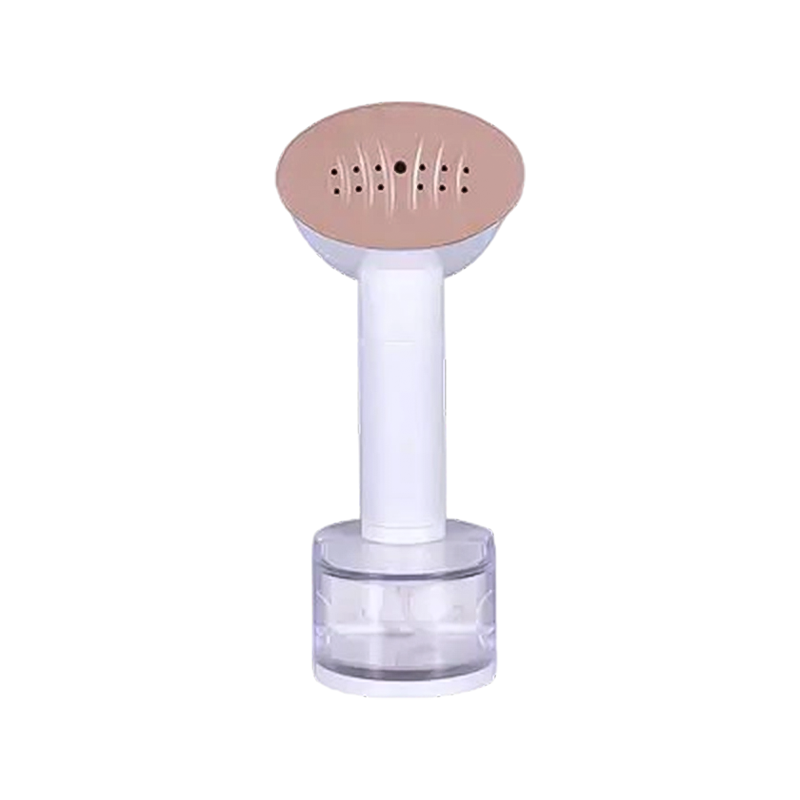
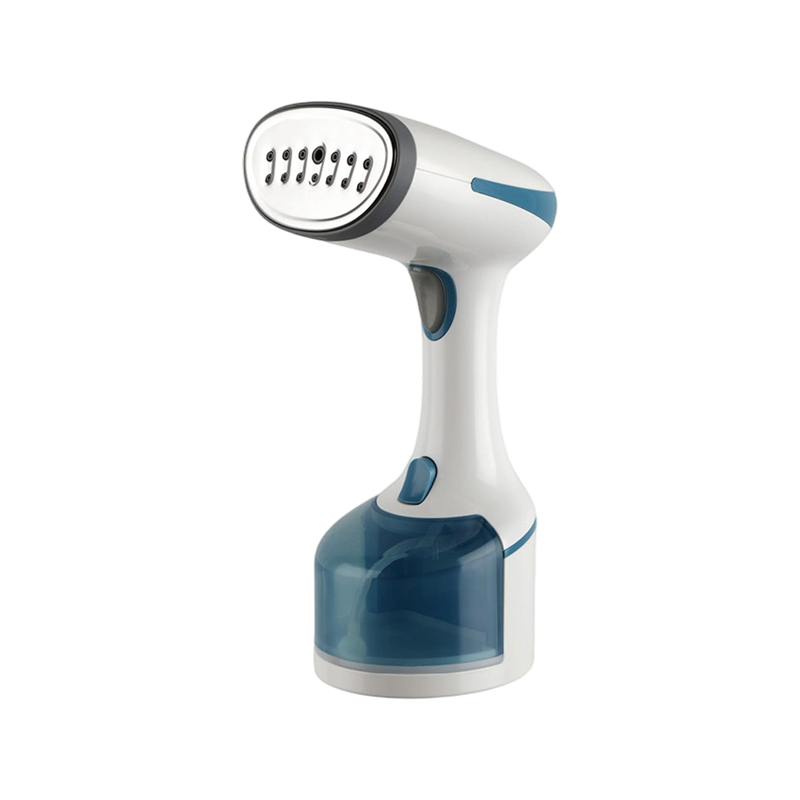
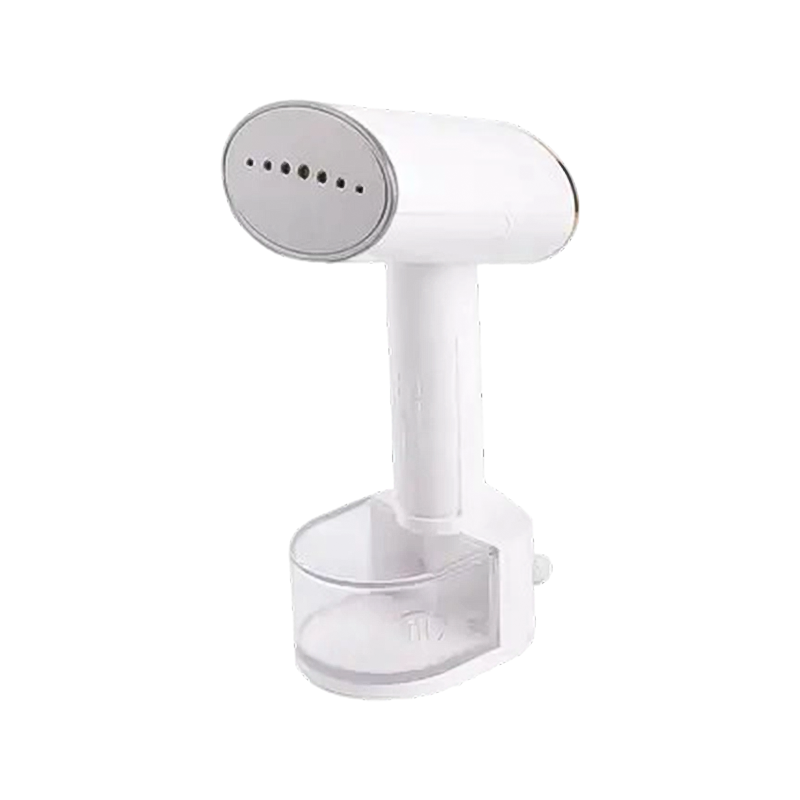
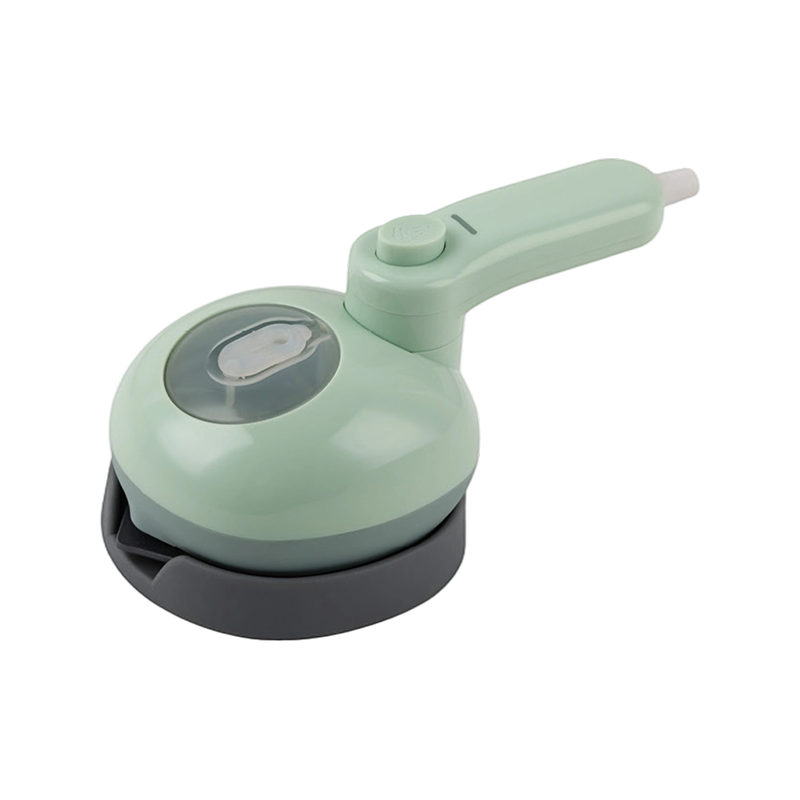
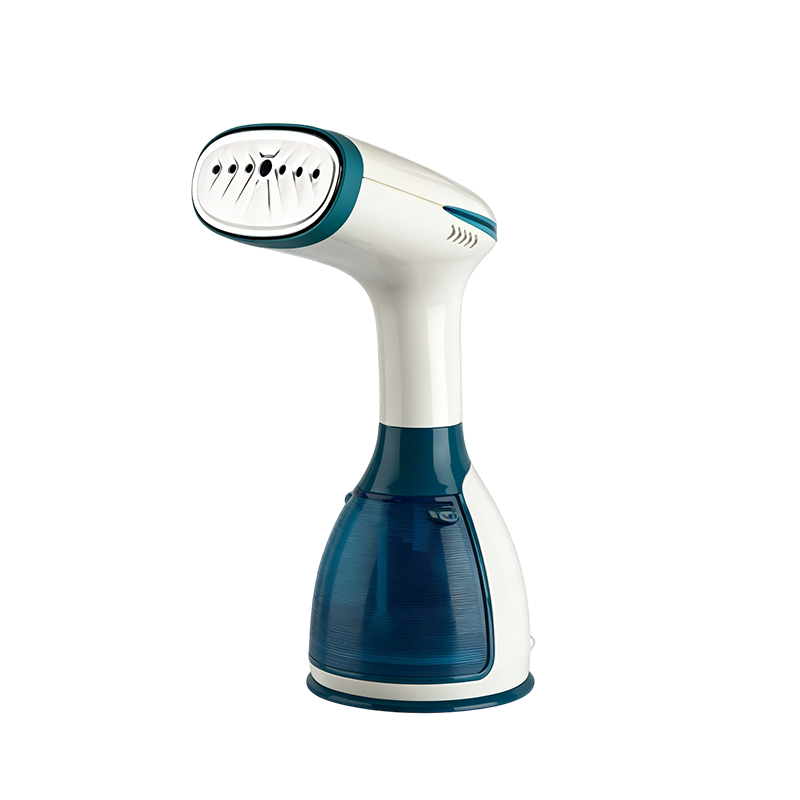 Portable Handheld Garment Steamer Manufacturer, Exporter CompanyMayway is China OEM portable handheld garment steamer manufacturer and clothes steamer exporter company, We custom and wholesale professi...View Product →
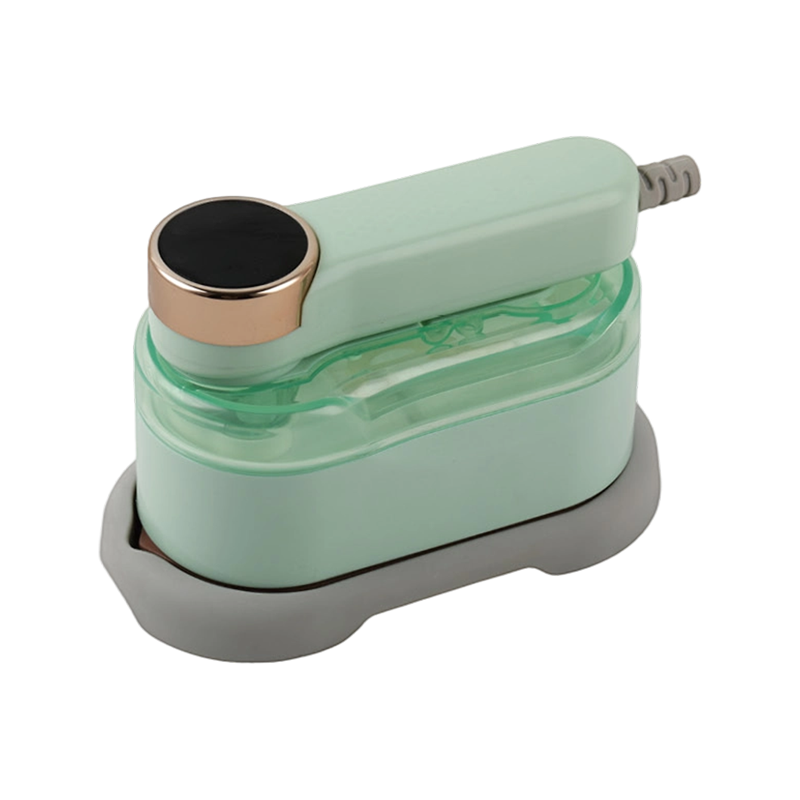
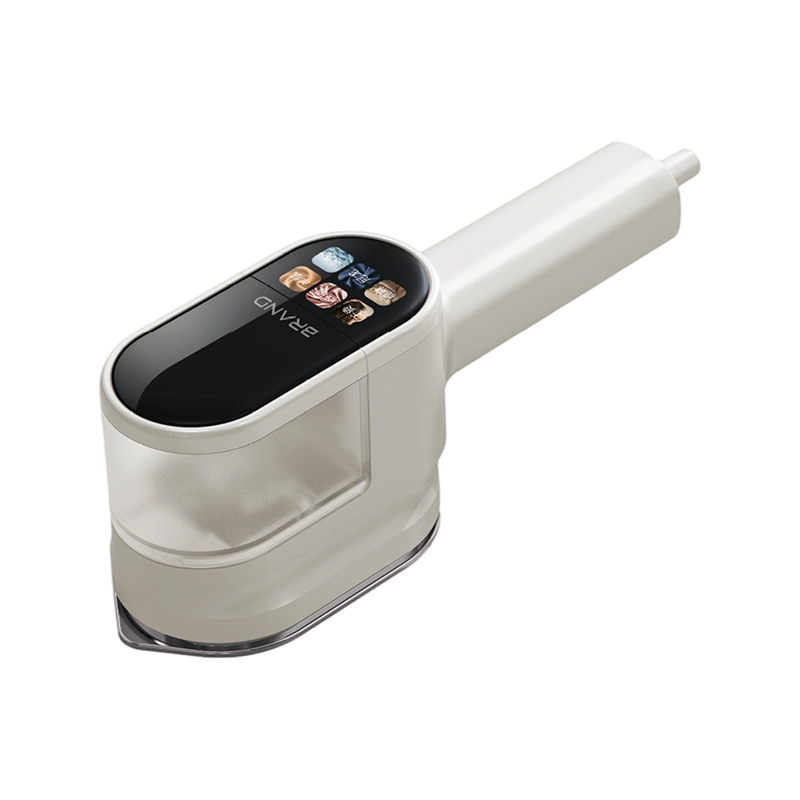 Wholesale Dry Ironing &steam Ironing Steam Iron MW-827F Suppliers - Ningbo MaywaMayway is China OEM Dry Ironing &steam Ironing Steam Iron MW-827F suppliers and exporter factory, We custom and wholesale Dry Ironing &st...View Product →
Common Cool Iron Mistakes and How to Avoid Them
Most cool iron failures happen not because the setting was wrong, but because the user ignored the iron's thermal recovery cycle. Identifying these mistakes will stop you from burning through your wardrobe.
- Impatience with the indicator light. Turning the dial down from "Cotton" to "Cool" does not instantly cool the metal. The light cycles off only when the plate drops to the target. If you touch a dark synthetic blazer before the light cycles off, you are applying residual 200°C heat. Wait for the light to turn on, heat up, and then turn off.
- Mixing load temperatures. Finishing a pile of cotton towels and immediately starting on acetate shirts is the fastest way to melt fabric. The soleplate retains high heat for minutes. After high-heat ironing, set the iron to cool, then test it on a spare piece of plain cotton scrap to bleed off the excess residual heat before touching your delicates.
- Misreading the care label. "Do not iron" has a crossed-out symbol. "Cool iron" has one dot. Confusing these two means you might apply heat to something that should only be steamed. If the label strictly forbids ironing, do not use a cool iron; use vertical steaming only.
- Ignoring embellishments. A polyester dress might tolerate cool ironing, but the vinyl decals or sequins on it will melt. Always iron decorated items inside out on a thick towel to prevent crushing the trim.
If you see a shiny streak appear while ironing, stop immediately. This is fiber compression, not just a mark. Mix a solution of white vinegar and water, dab it lightly on a pressing cloth, and steam-press the area very gently while the fabric is damp to lift the fibers back up.
Frequently Asked Questions About Cool Ironing
Can I use a cool iron on cotton?
No, not effectively. One-hundred percent cotton requires high heat (over 200°C) to remove deep wrinkles. A cool iron lacks the thermal energy to penetrate cotton fibers. Attempting to press cotton on a low setting will just waste your time. The exception is a cotton-synthetic blend labeled specifically for a one-dot iron.
What is the difference between a cool iron and a warm iron?
Temperature. A "cool iron" targets 110°C for synthetics. A "warm iron" targets 150°C and is typically used for wool and polyester wool blends. Warm iron settings are usually marked by the silk/wool label or two dots.
Can I use steam on a cool iron setting?
Yes, if your iron supports low-temperature steam. Some irons automatically shut off steam flow at low temperatures to prevent spitting, while others allow it. Check your user manual. Just remember that steam can slightly exceed the soleplate temperature, so keep the iron moving.
My iron only has numbers. What number is the cool iron setting?
Set the dial to the lowest number, often "1" or "MIN". Digital irons often display actual degrees. In that case, set your iron to 110°C (230°F) or the closest pre-set minimum.
Master Cool Ironing With the Right Tools
Mastering the cool iron setting starts with reading the label, trusting the one-dot symbol, and respecting the heat indicator light. You will eliminate scorch marks and shine simply by waiting for the thermostat to stabilize. The truth is, textile manufacturing increasingly favors blends that simply cannot handle a hot iron. Modern clothing care isn't just about pressing boards; it's about knowing when not to press.
If you find that managing temperature fluctuations on a traditional soleplate feels unnecessarily risky, the appliance landscape has shifted significantly. Steam-driven tools eliminate the friction that causes glazing, offering a safer routine for silk, wool, and synthetics. To explore how these tools fit into a daily routine without the guesswork of temperature dials, browse our handheld garment steamer collection.
For exclusive deals and latest offers, sign up by entering your email address below.