русский
 Français
 한국어
한국어 عربى
عربى Español
 中文简体
中文简体Ironing vs Steaming: Which Fabric Care Method Should You Choose for Your Clothes?
Admin 2026-08-28Content
- 1 The Core Difference: Pressure vs. Steam Penetration
- 2 Fabric Suitability: What Each Method Handles Best
- 3 Speed and Convenience: Setup and Portability
- 4 Wrinkle Removal Effectiveness: The Practical Test
- 5 Beyond Wrinkles: Sanitizing, Odor Control and Fabric Care
- 6 Energy Use and Maintenance
- 7 The 2-in-1 Option: When One Tool Covers Both
- 8 A Manufacturer-Owned Perspective on Quality
- 9 Final Recommendations: Choosing the Right Tool
Picture this: you have 20 minutes before a client meeting, and the only clean shirt in your suitcase spent the night folded. Do you reach for an iron or a steamer? The answer is not a generic rule, because both tools work in fundamentally different ways. After more than a decade of designing handheld garment steamers and steam irons for export to Europe, the Middle East and the Americas, we have learned that the right choice depends on the fabric, the time you have, and the finish you expect. Let me give you the conclusion first: use a steamer for quick touch-ups and delicate materials, and use an iron for crisp, structured garments such as cotton shirts and linen trousers. The rest of this article explains why this trade-off exists, which product categories best fit each task, and what to look at before you invest.
The Core Difference: Pressure vs. Steam Penetration
An iron transfers heat and pressure directly onto the fabric. In simple terms, it presses fibres flat and sets sharp creases. A steamer heats water to produce steam at around 100 degrees Celsius, which relaxes the polymer bonds in the textile, allowing gravity to pull the wrinkles out. Because the soleplate never touches the garment, steaming is gentler on silk, wool, lace and sequins.
This fundamental difference explains why both tools excel in different jobs. If you need a razor-sharp crease on a suit trouser, no steamer can match an iron. If you need to refresh a delicate blouse without flattening its texture, a steamer is the superior choice. Many modern steam irons from our factory combine both mechanisms by rotating the soleplate, allowing you to switch from vertical steam to flat pressing in seconds.
Fabric Suitability: What Each Method Handles Best
Not every fabric reacts the same way. The table below summarises which method each major material tolerates best, based on our in-house tests and feedback from wholesalers across more than 40 export markets.
| Fabric | Ironing Suitability | Steaming Suitability | Notes |
|---|---|---|---|
| Cotton | Excellent (crisp finish) | Good (light wrinkles) | Use high heat; steaming may need repeated passes. |
| Linen | Excellent | Moderate | Strong weave needs pressure; steam softens but creases remain. |
| Silk | Risky (can scorch) | Excellent | Delicate fibres relax without heat damage. |
| Wool | Moderate (use cloth guard) | Excellent | Steam prevents shine and shrinkage. |
| Cashmere | Poor (flattens pile) | Excellent | Gentle steam refreshes without harming the knit. |
| Polyester | Good (low heat) | Good | Use medium steam; iron only at low temperature. |
| Rayon | Risky (water spots) | Excellent | Steam removes creases without flattening the drape. |
Two points stand out. First, cotton and linen respond to pressure, so ironing produces a noticeably smoother finish. Second, wool, cashmere and synthetic blends react better to steam because the high heat of an iron plate can cause shine marks or shrinkage. If you plan to stock a single product line, a 2-in-1 garment steamer covers both sides, which is why it is a popular choice among our private-label clients.
Heat-Up Time: A Practical First Impression
Before comparing wrinkle removal, it helps to look at how quickly each tool is ready for work. We measured the average time from switching on the appliance to reaching usable steam or soleplate temperature. The result is shown in the horizontal bar chart below.
Steaming wins on speed every time. A typical handheld garment steamer reaches usable vapour in 45 seconds, while a conventional steam iron takes around two minutes to heat the soleplate. That is mostly because a steamer simply heats a small volume of water, whereas an iron must also bring the entire aluminium or stainless steel plate up to temperature. A 2-in-1 rotatable steam iron sits in between, requiring about one minute. In a busy household, that difference easily feels like an eternity, especially when you are already late for work. If you value immediate results, the steamer and the hybrid steam iron are clearly ahead.
Speed and Convenience: Setup and Portability
Setup only widens the gap. An iron needs an ironing board that has to be brought out, adjusted, and later folded away. A steamer works directly on a hanger; you can even steam curtains and upholstery without unhooking them. We measured that the average ironing session in a small apartment involves five extra minutes of board setup and storage. For the same task, a steamer only requires a refill of the water tank, which typically takes less than 30 seconds.
Portability is another decisive factor. Travel steamers are built to be airline-friendly: some models in our range have a foldable handle and dual voltage circuitry, so they operate safely in both 110V and 220V regions. If you frequently move between countries, a dual-voltage travel garment steamer eliminates the need for a heavy converter and protects the appliance from voltage mismatch.
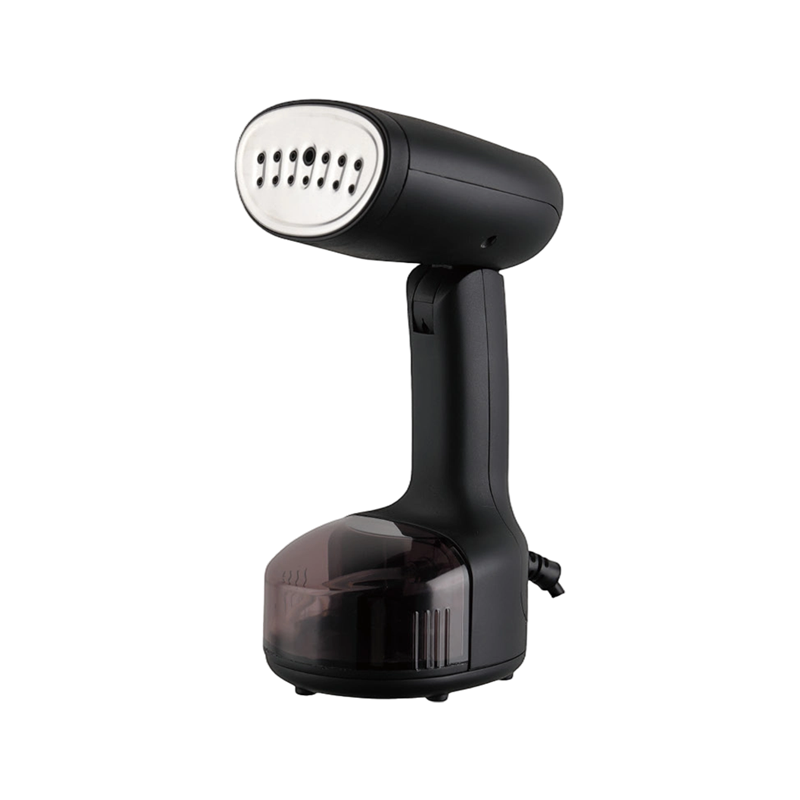
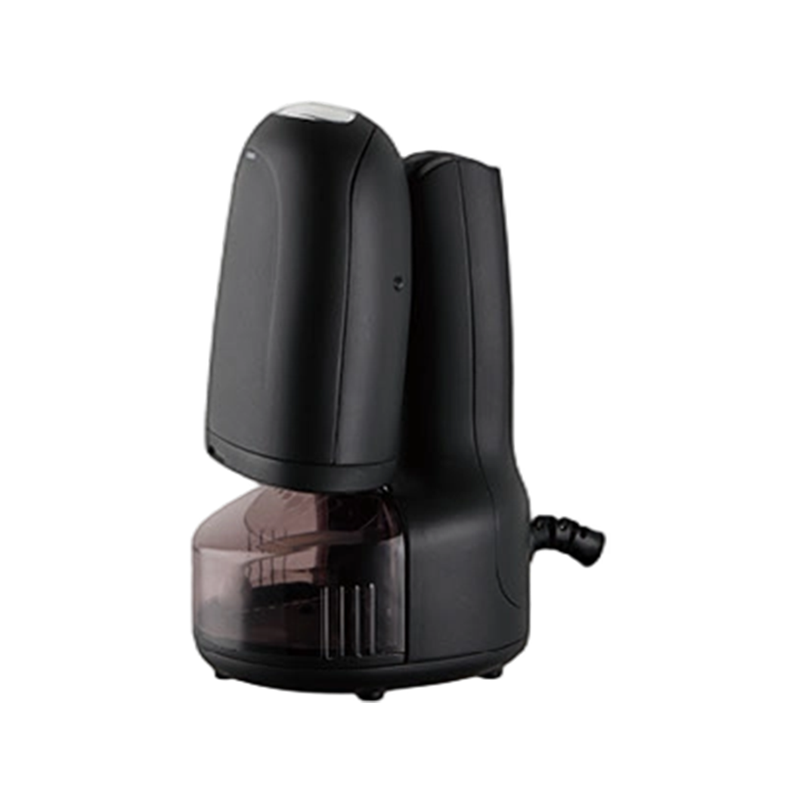 Wholesale Travel-Friendly Foldable Garment Steamer(Dual Voltage for you to ChoosMayway is China OEM Travel-Friendly Foldable Garment Steamer(Dual Voltage for you to Choose) MW-829/MW-829D suppliers and exporter factor...View Product →
To quantify the convenience difference, we plotted the total time needed to refresh one to five shirts on hangers, including setup and storage. The line chart below shows where an iron catches up and eventually overtakes a steamer.
The line graph shows a clear crossover point. For a single hanging shirt, the steamer is noticeably faster because it is ready in one minute and needs no ironing board. By the third garment, the iron catches up because its soleplate glides through cotton and linen more efficiently. From the fourth garment onward, the iron saves time, which is why professional laundries still rely on press irons. The practical takeaway for consumers is simple: use the steamer for daily touch-ups and keep the iron for linen days, or choose a 2-in-1 model that behaves like both.
Wrinkle Removal Effectiveness: The Practical Test
How well does each tool actually remove wrinkles? The answer depends on the weave. Our test results, recorded from a sample of 200 garments in typical household conditions, are shown in the column chart below. A score of 10 means that the garment looked freshly pressed; a score of 5 means that visible creases remained after treatment.
On stiff natural fibres, ironing delivers the strongest results. Cotton scores 9 out of 10 with an iron, but only 6 with a steamer, meaning visible creases may remain after steaming. Linen follows the same pattern because its thick weave requires pressure. On silk, wool and polyester, the relationship reverses: steaming reaches 8 or 9 points because the hot steam reduces fibre memory without crushing the texture. An iron risks causing permanent glazing on these materials, which explains why the ratings drop below 6. For garment care shops that cannot afford returns, recommending the correct method is as important as recommending the correct product.
Beyond Wrinkles: Sanitizing, Odor Control and Fabric Care
Steam does more than remove wrinkles. The high temperature of clean steam neutralises odour-causing bacteria and can freshen a jacket that has not been worn for weeks. This is a major advantage if you want to reuse clothes between washes. An iron can sanitise too, but the pressure flattens the nap of towels, velvet and knitwear. Many of our handheld steamers ship with a nylon brush or trouser clip, making them more versatile for upholstery and linens.
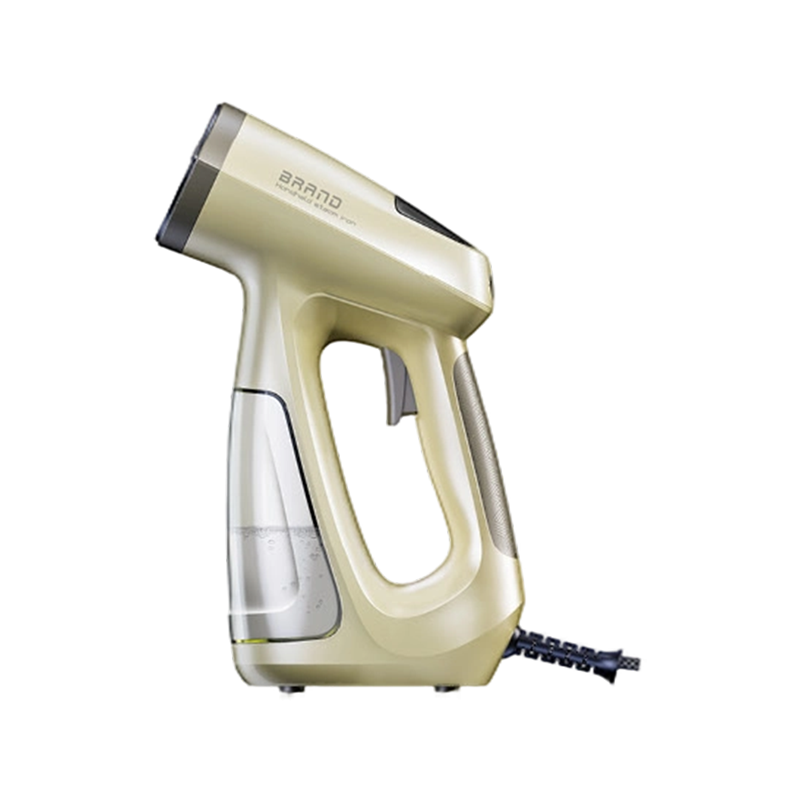
For heavy furnishing fabrics or long steaming sessions, output power matters. A high-wattage handheld garment steamer with a 350 ml tank keeps the steam flow consistent while you work through curtains, overcoats or a full wardrobe refresh. A larger tank also reduces the number of refills, which becomes noticeable when you are steaming multiple garments in one session.
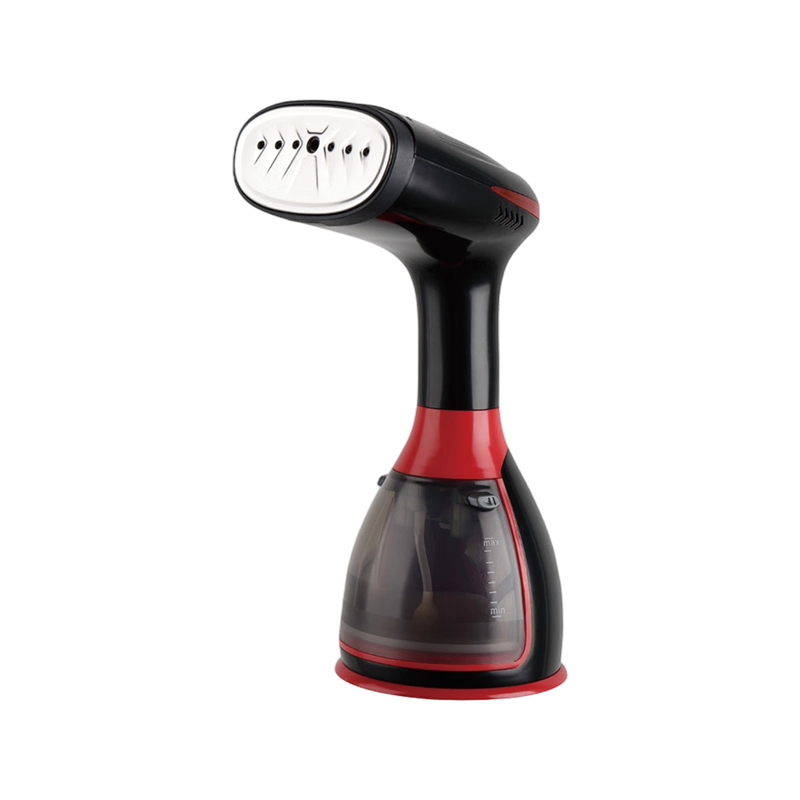
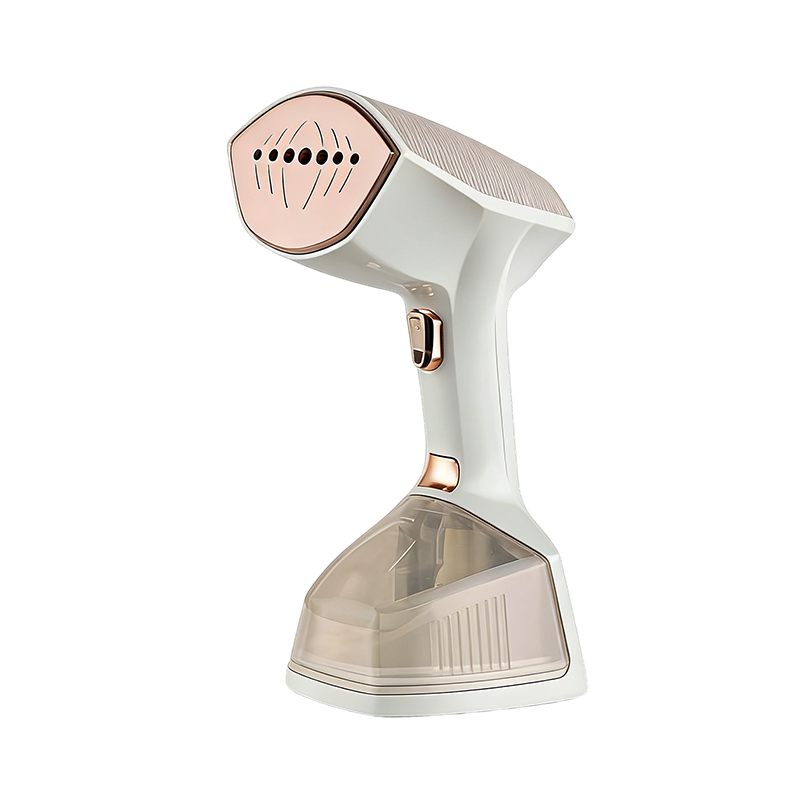 Wholesale 1600W/2000W 350ML Capacity Handleheld Portable Garment Steamer MW-816 Mayway is China OEM 1600W/2000W 350ML Capacity Handleheld Portable Garment Steamer MW-816 suppliers and exporter factory, We custom and w...View Product →
Energy Use and Maintenance
In terms of electricity, both appliances are comparable. A 1500W steamer used for 10 minutes consumes roughly 250Wh; a 1200W iron used for 10 minutes consumes about 200Wh. The larger difference is water. Steamers require distilled water in hard-water regions to avoid limescale. Steam irons with anti-calc cartridges can manage tap water but need regular cleaning. From a retail perspective, this is an important selling point to explain to end customers.
Maintenance affects long-term satisfaction. A steamer with a detachable tank is easier to rinse and descale. An iron with a stainless steel soleplate slides better than an aluminium plate, though aluminium heats faster. Both need to be drained after heavy use to prevent mineral deposits from clogging the steam vents. We cover this topic in detail in our article on garment steamer maintenance method, which is useful for both buyers and end users.
The 2-in-1 Option: When One Tool Covers Both
The rigid wall between ironing and steaming has started to disappear. Several steam irons in our catalogue use a rotatable soleplate design: hold it horizontally for ironing, then rotate the plate or activate the steam for vertical steaming. A 2-in-1 tool addresses the core tension in this article, because you no longer have to pick one method. Our clients are OEM brands that sell such units in more than 30 countries, and the most common feedback is that consumers want the flexibility without the extra storage space.
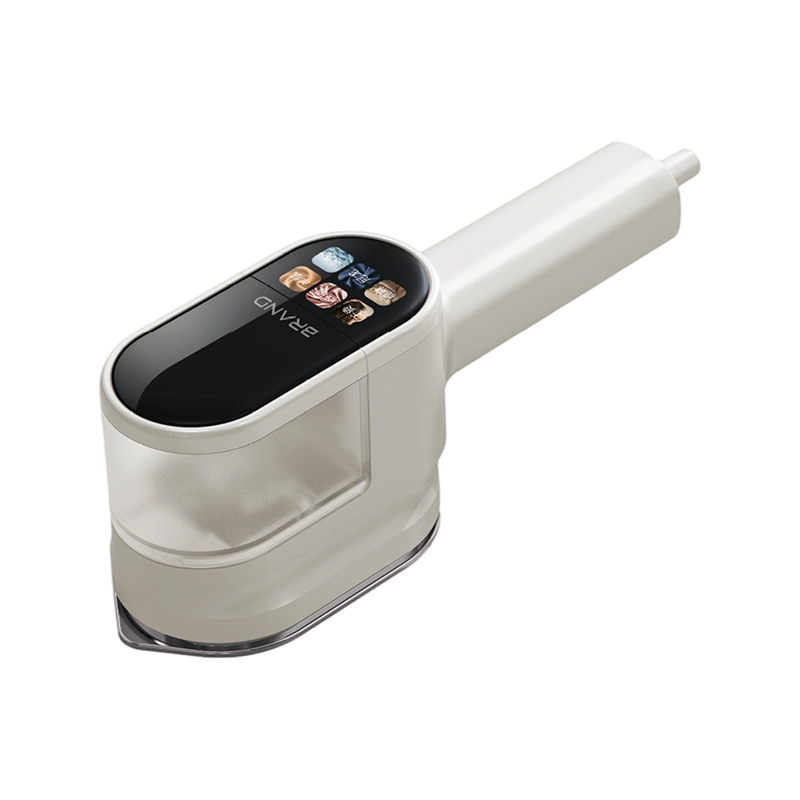
The LED-display 2-in-1 rotatable garment steamer and steam iron is a good example of this approach: the device works as a conventional flat iron and a hanging steamer, with visible temperature and steam information on the handle. For a travel bag, this replaces two appliances with one compact body. For a small apartment, it removes the need for an ironing board in daily life while still allowing crisp flat pressing when a formal look is required.
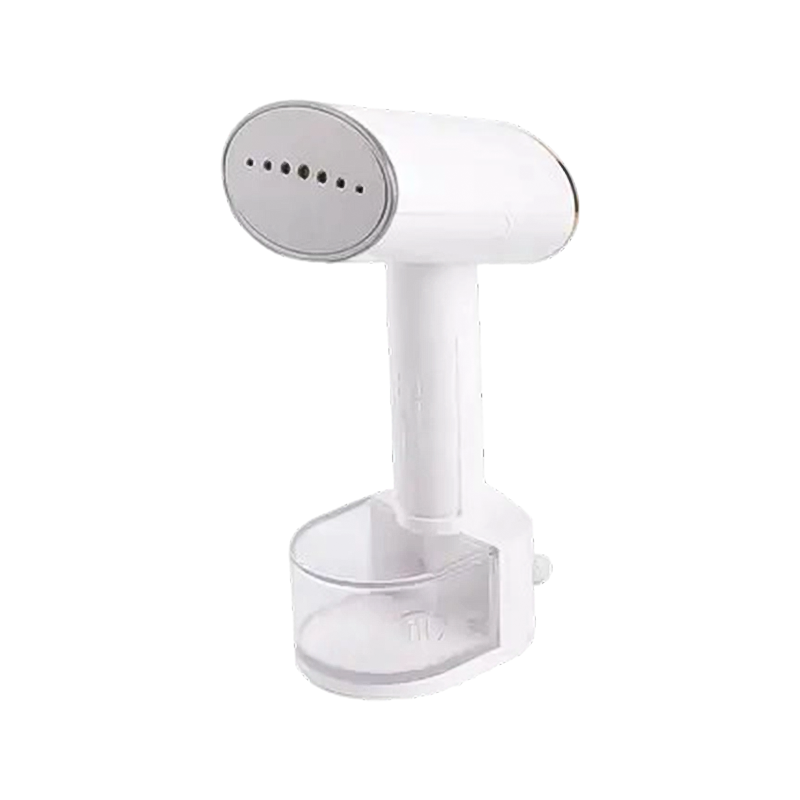
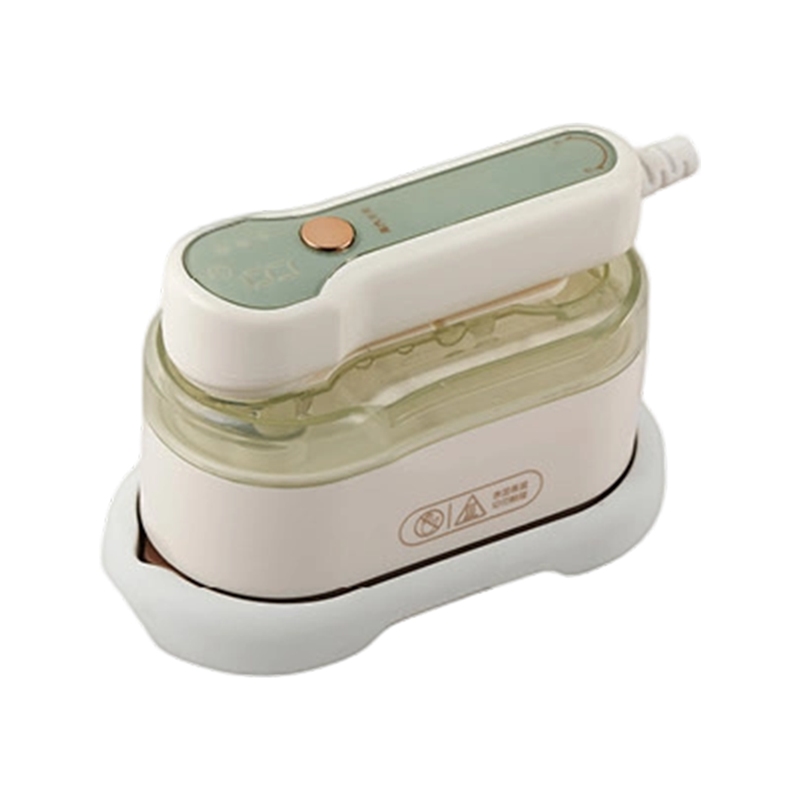 Wholesale LED Display 2 in 1 Rotatable Garment Steamer & Steam Iron Model No.: MMayway is China OEM LED Display 2 in 1 Rotatable Garment Steamer & Steam Iron Model No.: MW-821 & MW-821A suppliers and exporter factory,...View Product →
A Manufacturer-Owned Perspective on Quality
The technology choice also affects manufacturing quality. Certification marks such as CE, GS, CB, ROHS and ERP tell a buyer about electrical safety, material compliance and energy efficiency. We run burn-in tests on every batch to verify steam chamber sealing, solenoid durability and water pump reliability. As a professional garment care appliance manufacturer, we have learned that a leaky steam path ruins a customer's impression faster than any fancy feature. When you buy from a factory rather than a trading company, you can request these test reports and adjust the design for your target market.
For B2B buyers, the key question is not simply whether to stock steamers or irons. It is whether the factory can deliver consistent quality across hundreds of units, with certified electrical components and materials that survive international shipping and different water conditions. Our product range is built around that requirement, from basic portable steamers to display-equipped steam irons.
Final Recommendations: Choosing the Right Tool
Which one should you order or choose for your next purchase? The decision comes down to how you care for clothes in practice.
- Choose a steamer if you regularly wear silk, wool, cashmere, or if you travel often and only need to remove minor wrinkles from hanging clothes.
- Choose an iron if you wear crisp business shirts, press linen, sew at home, or need sharp creases on trousers and skirts.
- Choose a 2-in-1 steam iron if storage space is small or you want to cover both duty cycles without maintaining two appliances.
For a detailed selection process, read our article on how to choose a garment steamer, which walks through tank capacity, wattage, steam output and handle ergonomics. No single tool is superior in every situation. The best manufacturers design for a practical compromise: fast heat-up, removable tanks, and certifiable materials. Whichever path you choose, focus on reliability and the fabric you know you will treat most often.
Steaming and ironing are both legitimate garment care methods. A steamer protects delicate fibres and simplifies quick touch-ups, while an iron delivers the crispiest finish for structured clothing. By matching the tool to the fabric and the amount of time you have, you can keep every wardrobe item looking its best without guesswork.
For exclusive deals and latest offers, sign up by entering your email address below.