русский
 Français
 한국어
 عربى
 Español
 中文简体
Steam Iron Spare Parts: What Fails First and How to Match Replacements
Admin 2026-10-29Content
- 1 Sort the fault before you sort the part
- 2 Identify the model before you measure anything
- 3 Fit, tolerance and material decide the outcome
- 4 Water quality and the life of the steam chamber
- 5 Building a spare parts programme instead of a parts drawer
- 6 A one-message order template
- 7 When a repair stops making sense
A repair bench sees the same failure every week: an iron that heats, lights up, and produces no steam. The owner assumes the circuit board has died. More often the cause is a scaled steam chamber, a stuck solenoid valve, or an O-ring that has hardened into a brittle ring. The conclusion comes first, because it changes how you buy: most steam iron spare parts failures come from a short list of wear components, and a repair succeeds or fails on fit rather than price. A valve with the same body but a different opening pressure, or a thermostat with the wrong trip point, will put the unit back on the bench within days. Matching the original specification is the whole job.
Sort the fault before you sort the part
Diagnosis should narrow the list to two or three candidates before any order is placed. The table below maps the symptoms that arrive most often to the component behind them, and to the details that decide whether a replacement will actually work.
| Component | Typical symptom | Check before ordering | Common buying mistake |
|---|---|---|---|
| Heating element or steam chamber | Heats but never steams, or trips the breaker | Wattage on the rating plate, resistance reading, scale build-up | Fitting a higher wattage element as an upgrade |
| Thermostat or thermal fuse | Runs cold, or cuts out after a few minutes | Trip temperature, one-shot versus resettable, how many sit in series | Same housing, wrong trip point |
| Solenoid valve or pump | No steam on demand, weak burst, audible buzzing | Coil voltage, orifice diameter, connector pitch | Ignoring coil voltage, which is a safety issue, not a performance one |
| Seals and O-rings | Drips, water in the soleplate, steam escaping the housing | Elastomer type, hardness, groove dimensions | Wrong rubber compound that hardens and leaks within weeks |
| Soleplate or nozzle panel | Sticking, scratches, uneven steam pattern | Panel material, coating, steam hole layout | Treating stainless steel and aluminium panels as interchangeable |
| Water tank and outlet valve | Leak at the tank seat, no water feed | Capacity, seat diameter, cap thread | Assuming one capacity covers a whole model family |
| Switch, trigger, cord and strain relief | Intermittent power, a warm plug | Cord gauge, plug standard, switch rating | Shipping a cord that does not suit the destination market |
Order by specification, not by photograph. Two thermostats can share a housing, a thread and a connector while tripping twenty degrees apart. Two valves can look identical while one opens at a lower pressure than the other. The picture confirms the shape; only the numbers confirm the part.
Identify the model before you measure anything
Start at the rating plate, usually on the base, the tank or the inside of the handle. Record the model number, voltage and frequency, wattage, tank capacity, and the panel material if it is stated. A photograph of the plate costs nothing and prevents most wrong shipments, because model codes differ by a single letter that marks a different tank, a different display board or a different steam hole layout.
Where a service manual or exploded view exists, use the part number from the drawing rather than a description. Descriptions drift between suppliers: what one catalogue calls a steam valve another calls a water pump. If no drawing exists, measure with intent. Record the seal inner and outer diameter plus thickness, the valve orifice, the coil resistance, the cord length and gauge, and the thermostat trip point measured in a simple heat test.
Model families matter here. A platform built around one 250 ml tank and one single-row steam hole panel will share seals, valves and cords across several finished products, which turns a slow-moving spare parts inventory into a manageable one. The same logic works in reverse for buyers: when a platform is documented, one parts kit can cover a whole range instead of a single SKU.
Fit, tolerance and material decide the outcome
Seals are the cheapest part on the list and the most frequent cause of a comeback. Silicone, EPDM and nitrile behave differently at steam temperature, and a compound that is correct for cold water will harden and lose its compression set in a steam channel. Hardness matters as much as chemistry: a seal that is too soft extrudes into the gap, one that is too hard never seats. Both fail in the same place, at the tank seat or the chamber joint.
Thermostats and thermal fuses deserve the same discipline. Many irons carry two devices in series, one resettable and one one-shot, so a unit that stays cold may need only the fuse while a unit that overheats needs the control thermostat. Replacing both with one generic part removes a safety layer. On the soleplate side, choosing the best material for the nozzle panel is a design decision with a service consequence, because coating thickness and hole geometry affect glide and steam distribution, and a stainless panel will not simply drop into a housing designed for aluminium.
- Verify the coil voltage before fitting any valve or pump; a mismatch is a fire risk.
- Confirm connector pitch and terminal orientation, not just coil size.
- Check cord gauge against the rated wattage and the destination plug standard.
- Ask whether replacement parts carry the same approvals as the original build.
- Keep one sample of the failed part; it settles most supplier disputes.
Water quality and the life of the steam chamber
Scale is the slowest and most expensive failure in the category. Mineral deposits insulate the heating element, the element runs hotter to compensate, and the thermal fuse finally opens. The iron is then diagnosed as an electrical fault when the root cause was water. In hard water areas, descaling every few weeks of regular use is cheaper than any repair, and routine garment steamer maintenance keeps the steam channel and the tank valve clear at the same time.
For service partners, the practical advice is to ask about water hardness before quoting a repair. If the chamber is heavily encrusted, a new element will scale again unless the user changes the routine or the appliance is fitted with a cartridge. This is also a design conversation for importers: a model sold into a hard water market needs either a descaling reminder in the manual or a chamber that can be opened and cleaned.
Building a spare parts programme instead of a parts drawer
For importers and wholesale buyers, spare parts are an after-sales question with a measurable cost. A reasonable starting point is a stocking ratio of two to three percent of unit volume, split across the parts that fail in the field rather than the parts that are cheap to produce. Seals, thermostats, valves and cord sets usually account for most of that allowance, with soleplates reserved for models where the panel is a visible selling point.
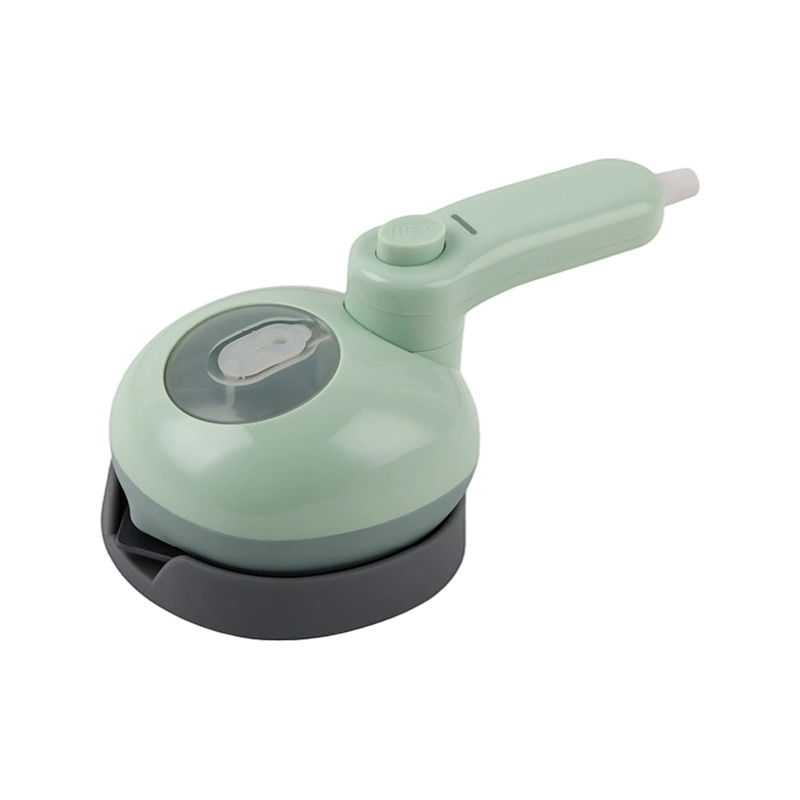
 MW-810 Series Handheld Garment Steamer PlatformSingle-row steam hole panel and 300 ml detachable tank support shared seals and valves across MW-810 variants for wholesale parts planning.View Product →
Platform sharing is what makes the ratio affordable. A family such as the MW810 series, with its single-row steam hole panel and 250 ml tank, lets one seal set and one valve serve several finished models, so a modest stock covers a wider installed base. Buyers should ask for an exploded view and a bill of materials per platform, not per product, and confirm that the documentation will still be available two years after the order.
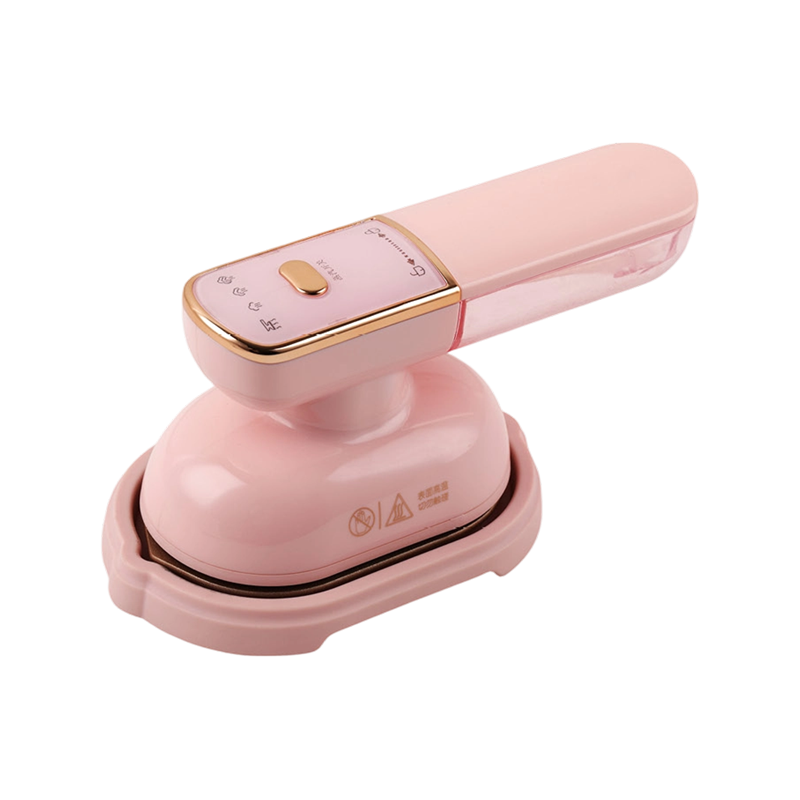
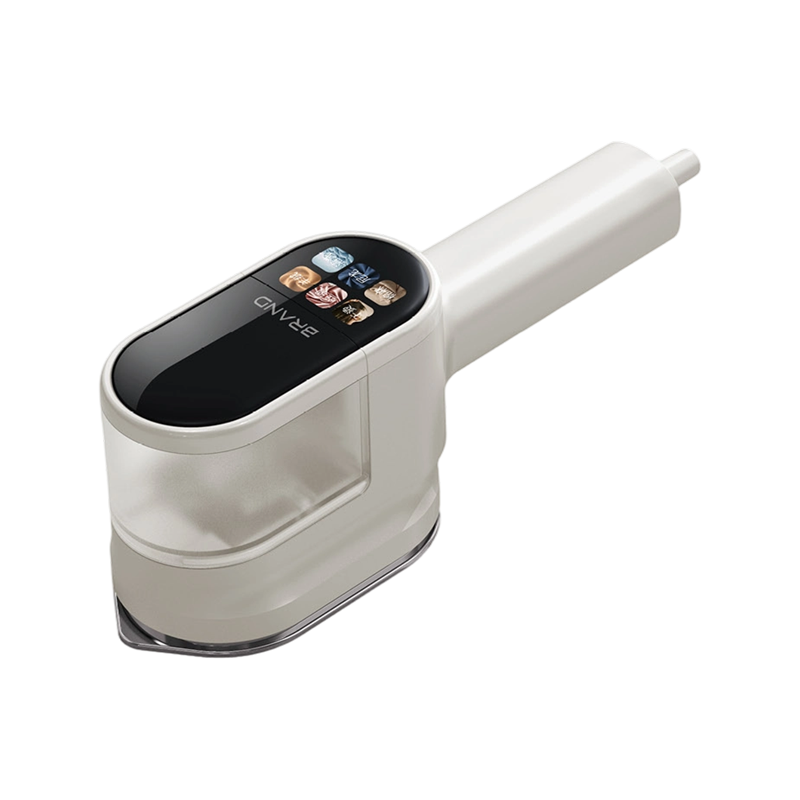 MW-827F Dry and Steam Iron with TouchscreenDry and steam modes plus four fabric settings make the MW-827F relevant when comparing wear profiles and spare-part demand across the range.View Product →
Design choices also change what wears. Models that switch between dry and steam ironing, like the MW827F, add a valve and a seal that see twice the actuations of a steam-only unit, so their failure profile differs from the rest of the range. Rotating 2-in-1 designs add a hinge joint with its own seal, and high power handheld units put a heavier thermal load on the element and the thermostat. A parts programme that ignores these differences tends to overstock the wrong items.
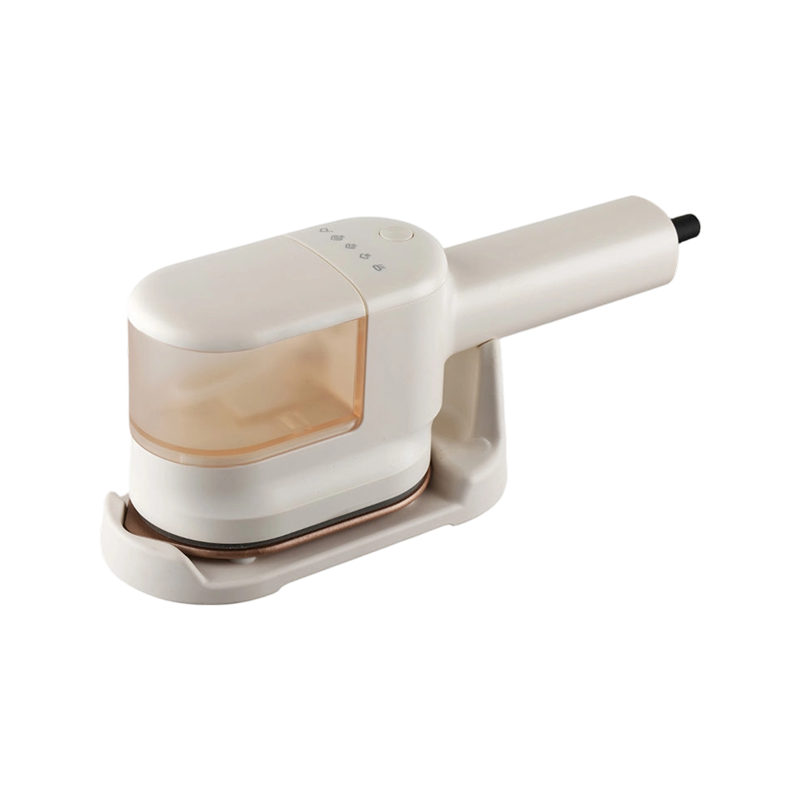
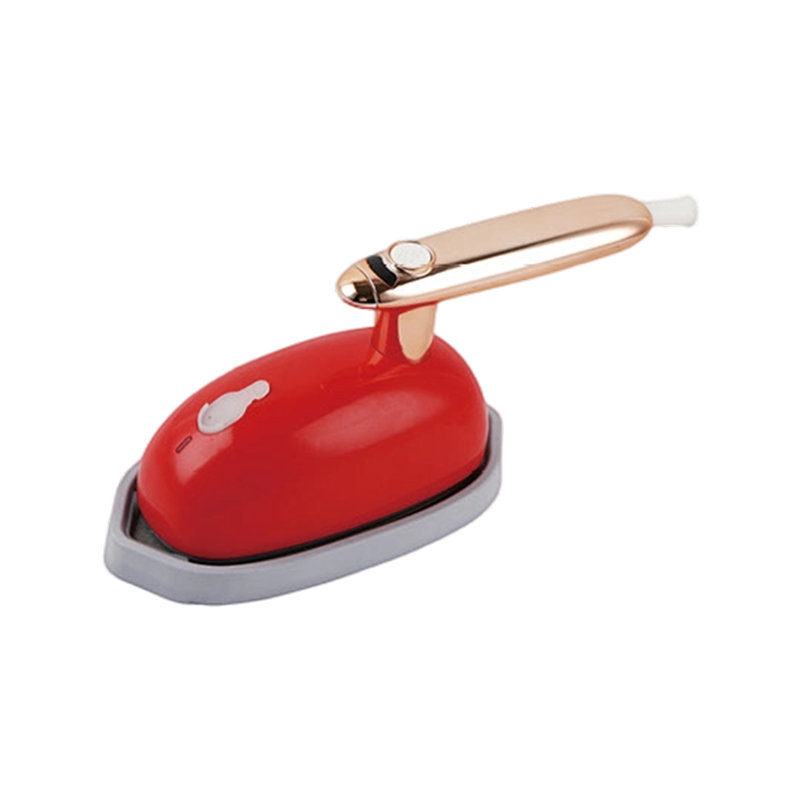 MW-817 Rotatable Two-Level Handheld Garment SteamerLightweight 0.9 kg body, 180 ml tank and rotating handle make the MW-817 a portable option for wholesale ranges and matching component sourcing.View Product →
Sourcing is the last piece. A manufacturer that already builds the finished appliance can supply the matching component, and Mayway's manufacturing background, with an 8000 square metre plant in Yuyao, ISO 9001 and BSCI certification and CE, GS, CB, RoHS and ERP approvals on the product side, is the relevant reference point when replacement parts must meet the same market requirements. Ask for the certification documents for the spare part itself, not only for the appliance.
A one-message order template
Most delays in this category come from incomplete enquiries rather than from availability. A single message containing the following will usually produce a correct quotation on the first attempt:
- Model number and a photograph of the rating plate.
- Part name plus its position on an exploded view, or a clear photo of the failed part.
- Key dimensions: seal diameters and thickness, orifice size, cord length and gauge.
- Electrical data: voltage, frequency, wattage, coil resistance.
- Quantity, annual volume estimate and required delivery window.
- Destination market and any approval the part must carry.
When a repair stops making sense
Not every unit should be repaired. If the quoted part cost passes roughly half the replacement value of the appliance, if the housing is cracked around the tank seat, or if the water tank is moulded into a sealed body, the labour rarely pays back. The same applies when a safety critical part such as a cord set or a thermal fuse cannot be sourced with the correct rating, because an uncertified substitute moves a warranty claim into a liability question.
For everything else, the rule holds: identify the model, read the specification, match the material and the tolerance, and buy the part that belongs in the appliance rather than the one that fits the hole. Steam iron spare parts are simple components, and that simplicity is exactly why the details decide whether a repair lasts a week or another five years.
For exclusive deals and latest offers, sign up by entering your email address below.