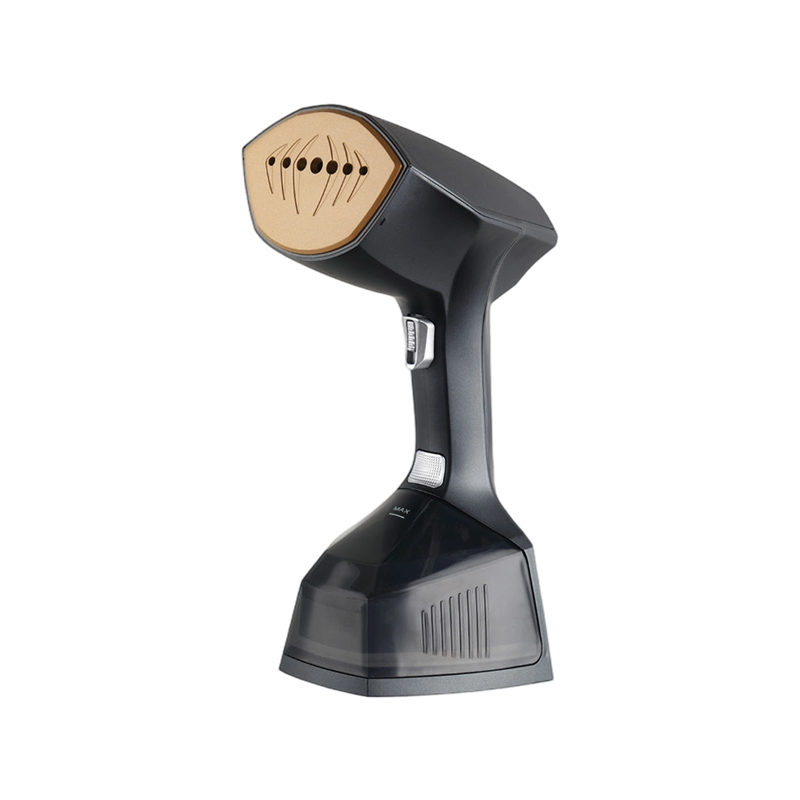
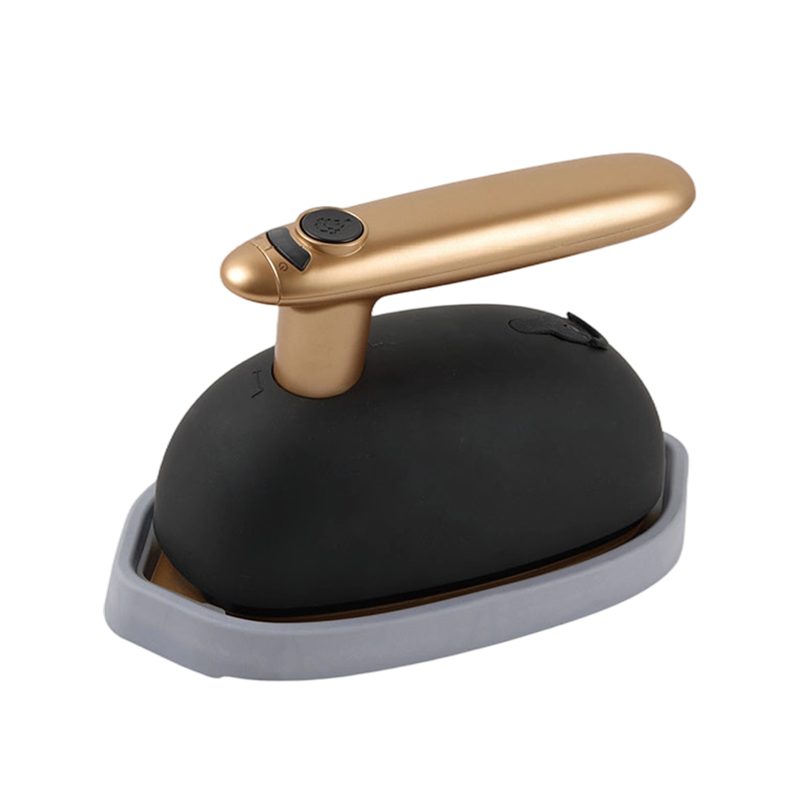
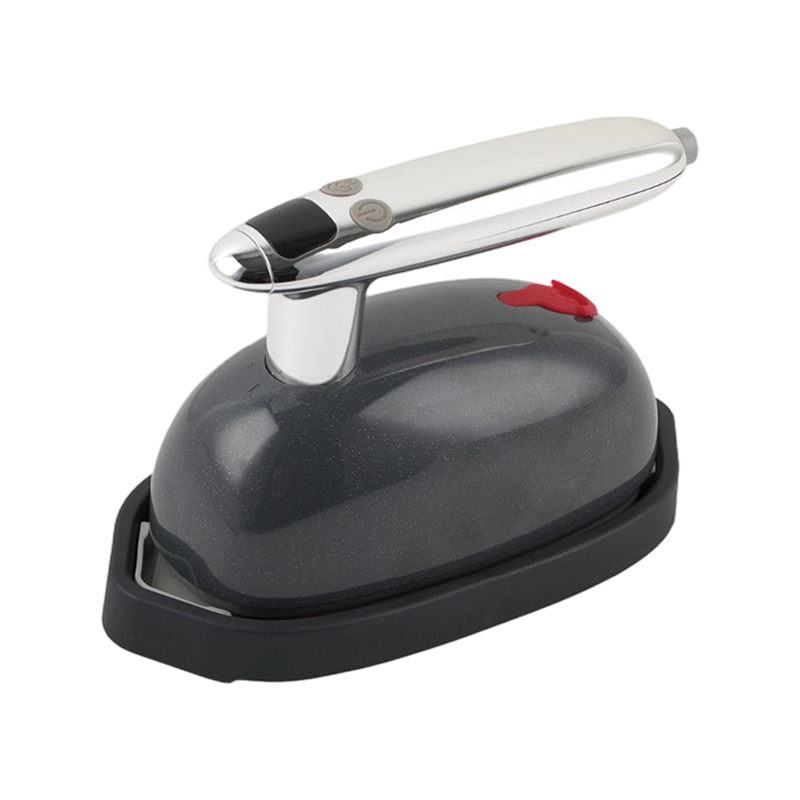
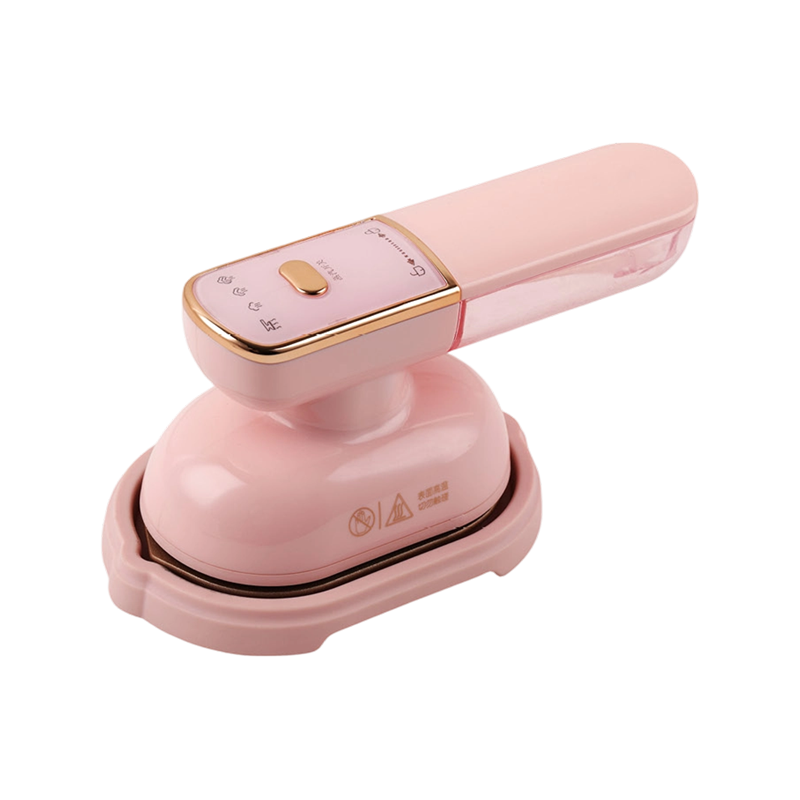
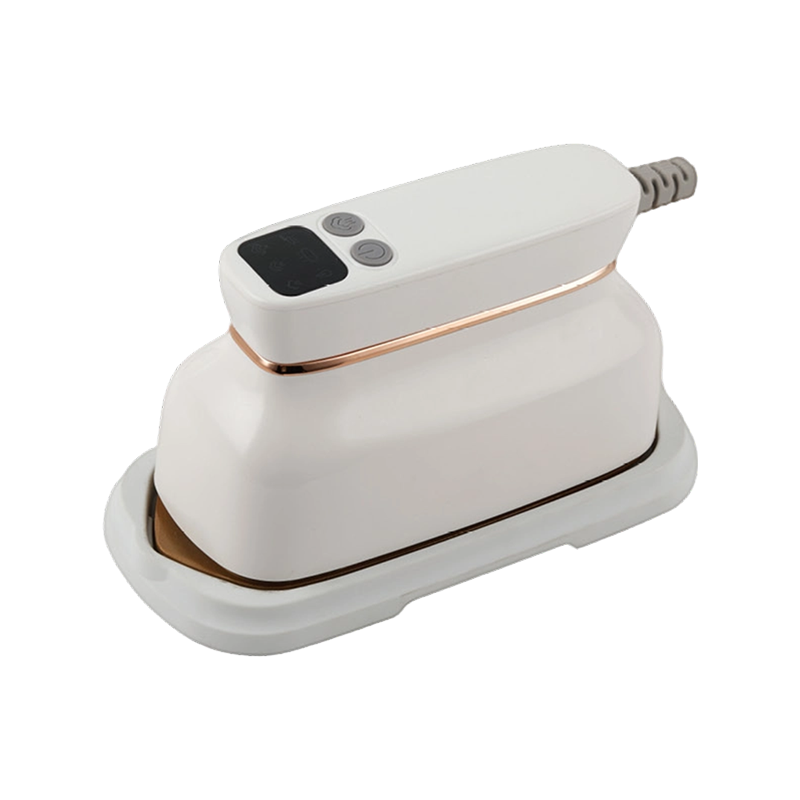
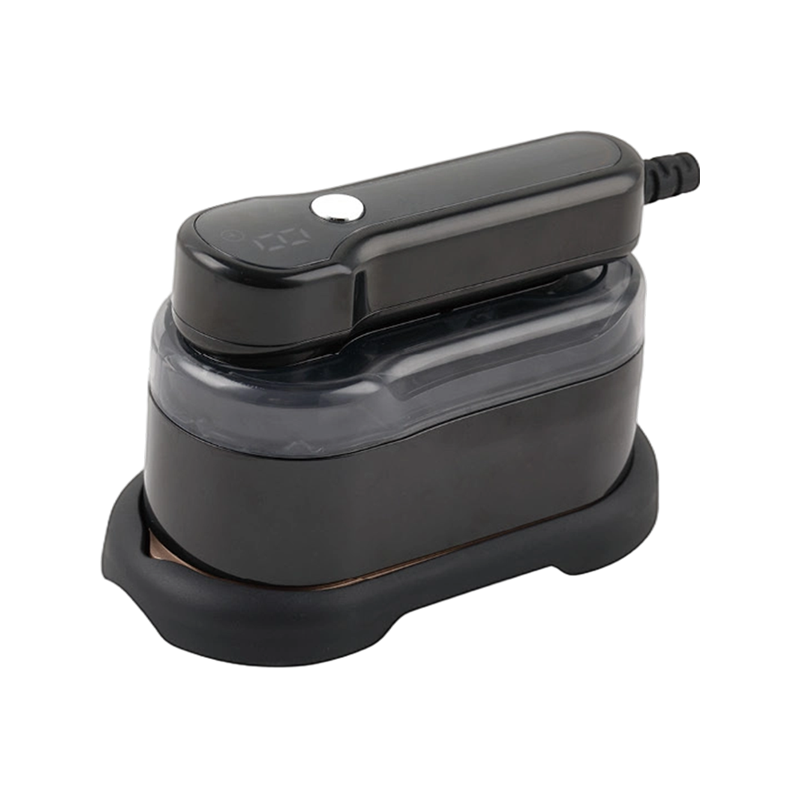
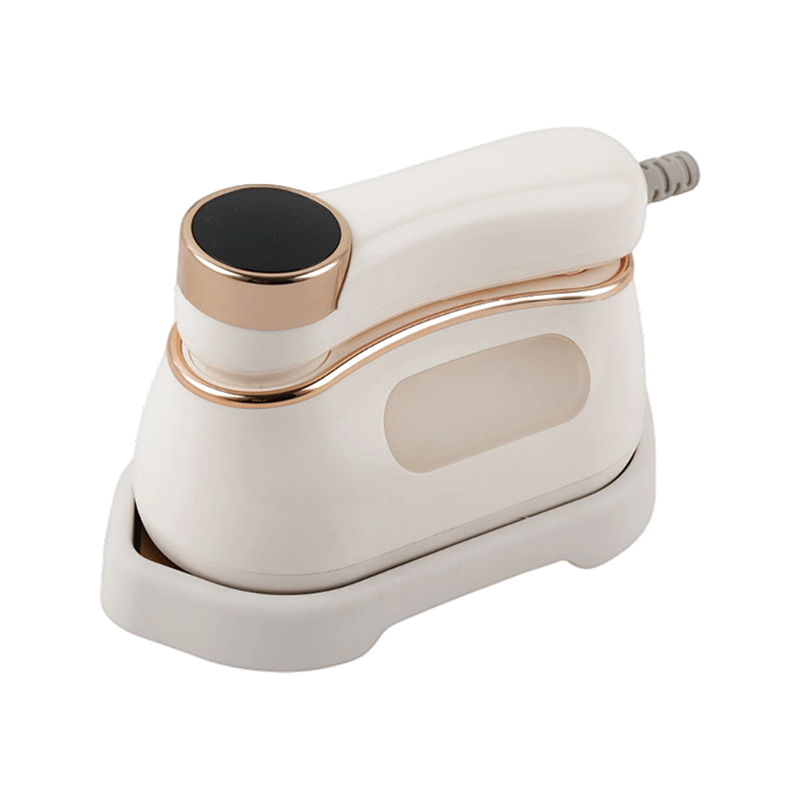
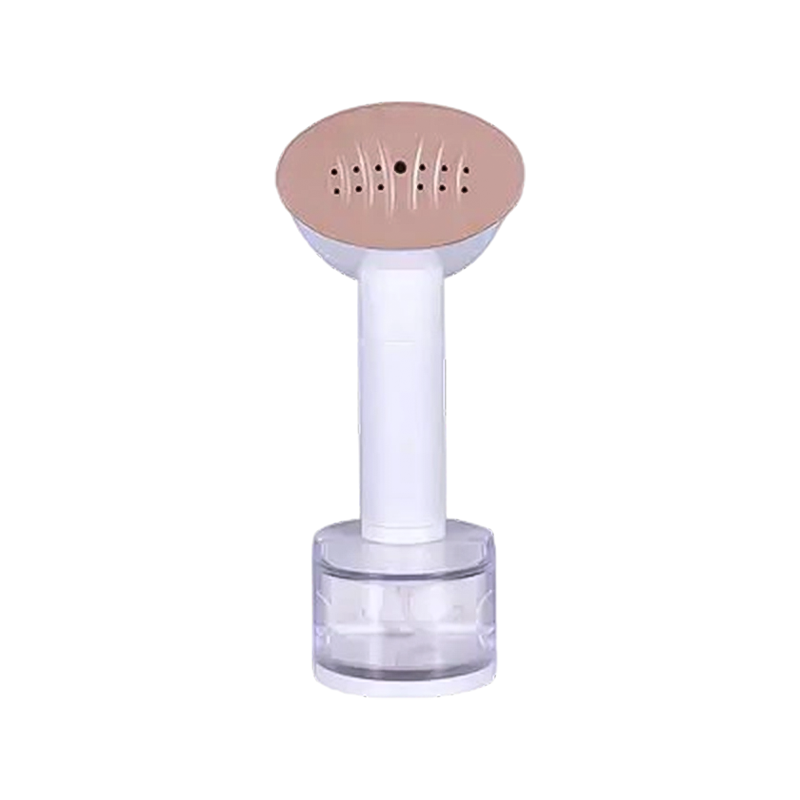
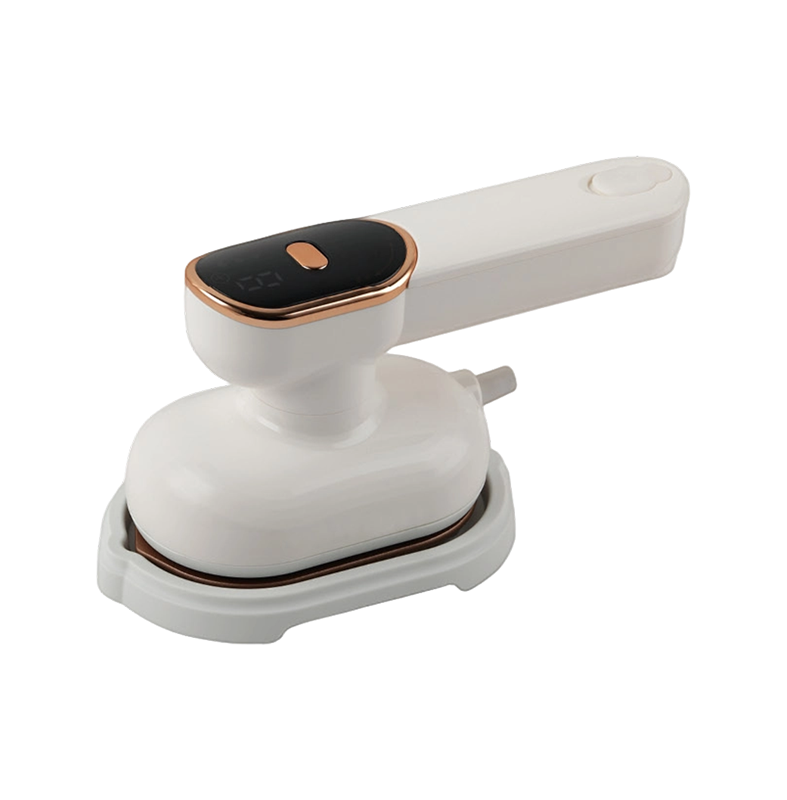
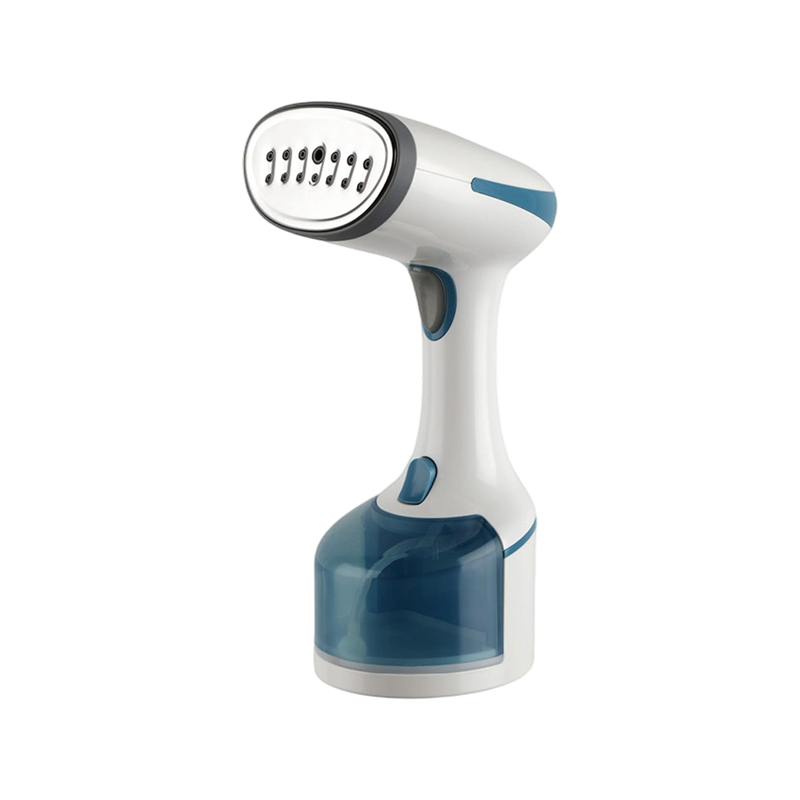
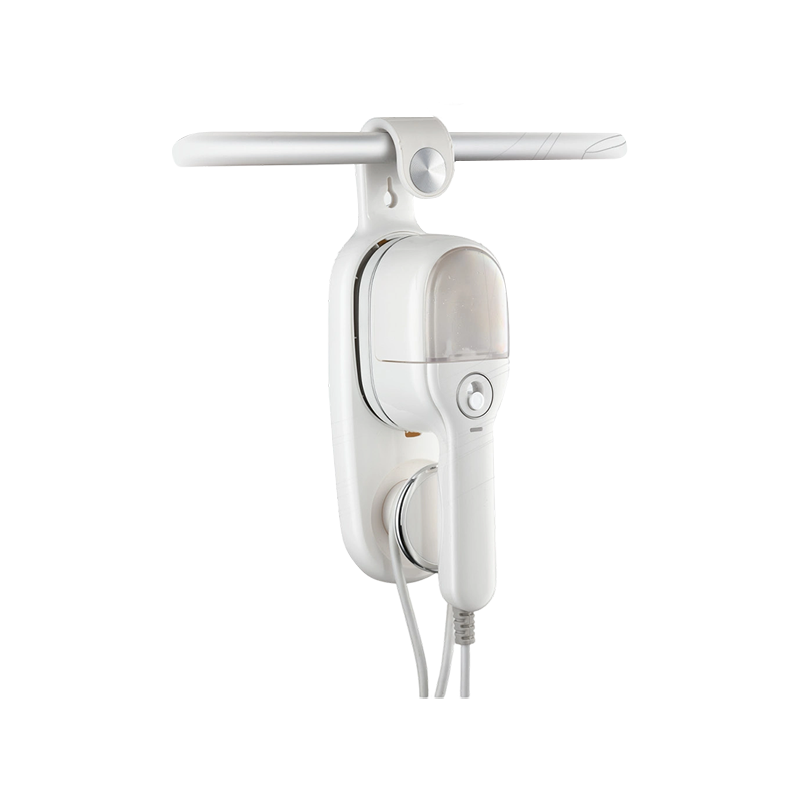
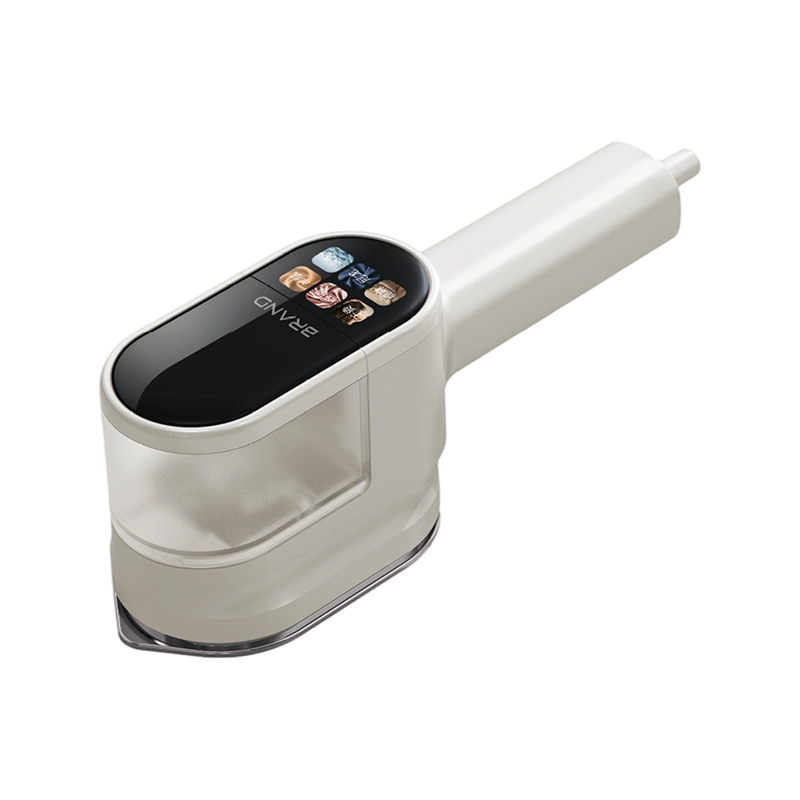
A beautural steamer for clothes is engineered to deliver consistent, high-temperature steam that removes wrinkles gently and efficiently — without ever placing a hot soleplate directly against your fabric. Compared to conventional ironing, clothes steamers work on hanging garments, require no ironing board, and are ready for use in under 45 seconds in most quality models.
The core advantages that make these appliances stand out in the garment care category include:
- Ultra-fast heat-up: Most quality units reach operating temperature in 20–45 seconds, making them ideal for morning routines and last-minute touch-ups.
- Broad fabric compatibility: Safe for silk, wool, cashmere, linen, cotton, polyester, velvet, and embroidered or beaded garments that cannot withstand a hot iron plate.
- Hygiene and odor removal: Steam at 100°C (212°F) neutralizes odors and eliminates surface bacteria without chemical sprays — studies show bacterial reduction rates of over 99% at sustained temperatures above 70°C.
- No ironing board required: Clothes steam on a hanger while hanging from a door hook or rail, cutting setup and storage requirements significantly.
- Compact and portable: Handheld models weigh as little as 0.8 lbs, fitting easily in a carry-on bag or desk drawer.
How a Clothes Steamer for Wrinkles Works
Understanding the science behind a clothes steamer for wrinkles helps you use it more effectively and select the right model for your needs. The process is simple but thermodynamically sound:
- Water in the reservoir is heated rapidly by an internal boiler or heating element.
- Once water reaches boiling point, it converts to pressurized steam and travels through an internal channel or hose to the steam head.
- Steam penetrates fabric fibers, temporarily softening the hydrogen bonds that lock wrinkles in place.
- Gravity pulls the hanging garment taut as steam is applied, working alongside the treatment for smoother results.
- As the fabric cools over 1–3 minutes, fibers re-set in a relaxed, wrinkle-free position.
Steam output rate — measured in grams per minute (g/min) — is one of the most important performance specifications. For everyday garments, a steam output of 20–25 g/min is sufficient. For heavier fabrics like linen, canvas, or denim, look for models delivering 30–40 g/min or higher for faster, more thorough results.
Handheld vs. Upright Steamer: Choosing the Right Format
| Feature |
Handheld Steamer |
Upright / Standing Steamer |
| Tank Capacity |
100–300 ml |
1.0–2.5 L |
| Continuous Steam Time |
10–25 minutes |
45–120 minutes |
| Weight |
0.5–1.3 lbs |
5–10 lbs |
| Heat-Up Time |
20–45 seconds |
30–60 seconds |
| Best For |
Travel, daily touch-ups |
Weekly home laundry, curtains |
| Storage |
Fits in a drawer or bag |
Requires floor or closet space |
Comparison of handheld and upright clothes steamers by key performance and practical criteria
Key Specifications to Evaluate in a Steamer for Home Use
A steamer for home use needs to perform reliably across a wide range of fabrics and garment types on a regular basis. The following specifications directly affect real-world performance and longevity:
Wattage
Higher wattage means faster heat-up and more powerful steam. Handheld models typically range from 900W to 1200W; upright home units from 1500W to 1800W. For a steamer used daily at home, a minimum of 1000W is recommended to ensure consistent steam output across heavier fabrics.
Water Quality and Tank Design
Most home steamers accept tap water directly. However, in regions where water hardness exceeds 150 ppm, using distilled or filtered water prevents mineral deposits from accumulating inside the heating chamber — which can reduce steam output by up to 40% over time. A removable, wide-mouth tank makes refilling quick and spill-free.
Safety Features
- Auto shut-off: Cuts power when the tank is empty or the unit has been idle for 8–10 minutes — essential for household safety.
- Anti-drip nozzle: Prevents water droplets from spitting onto fabric at lower temperatures, protecting silk and satin from water staining.
- Cool-touch body: Keeps the housing safe to handle throughout extended steaming sessions.
- Overheat protection: An internal thermostat that cuts power if internal temperature exceeds the safe operating range.
Certifications That Matter
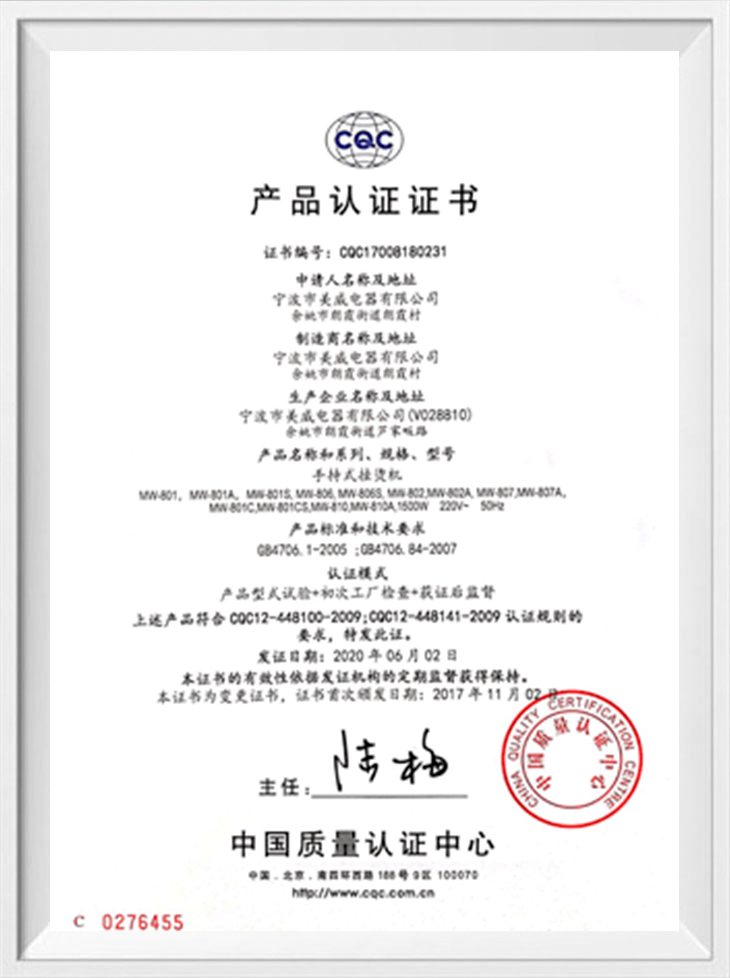
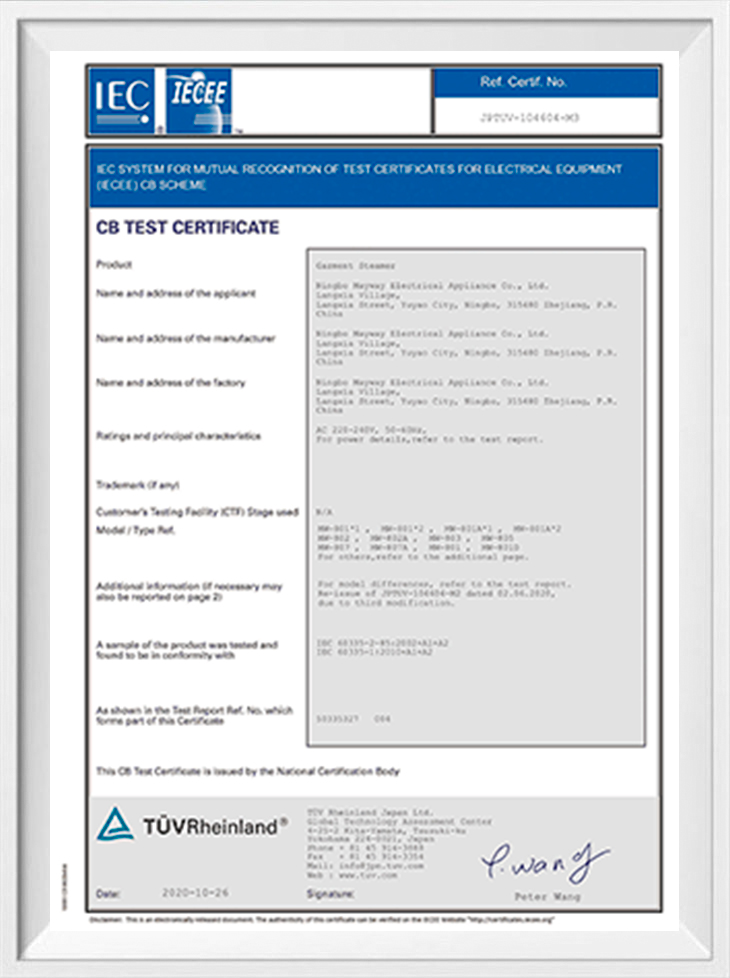
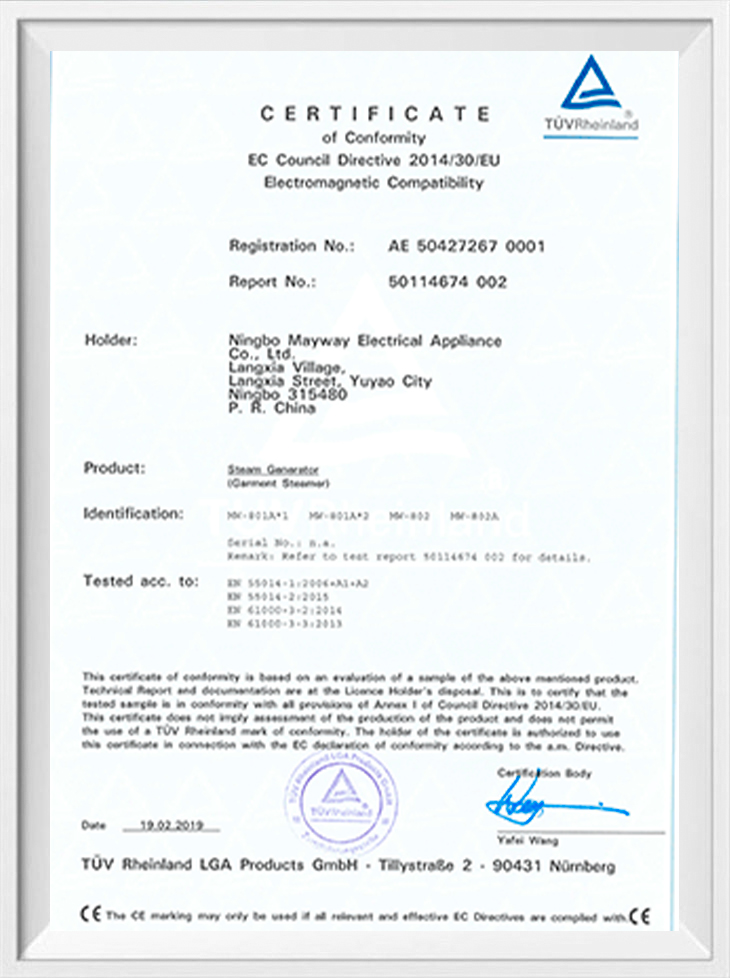
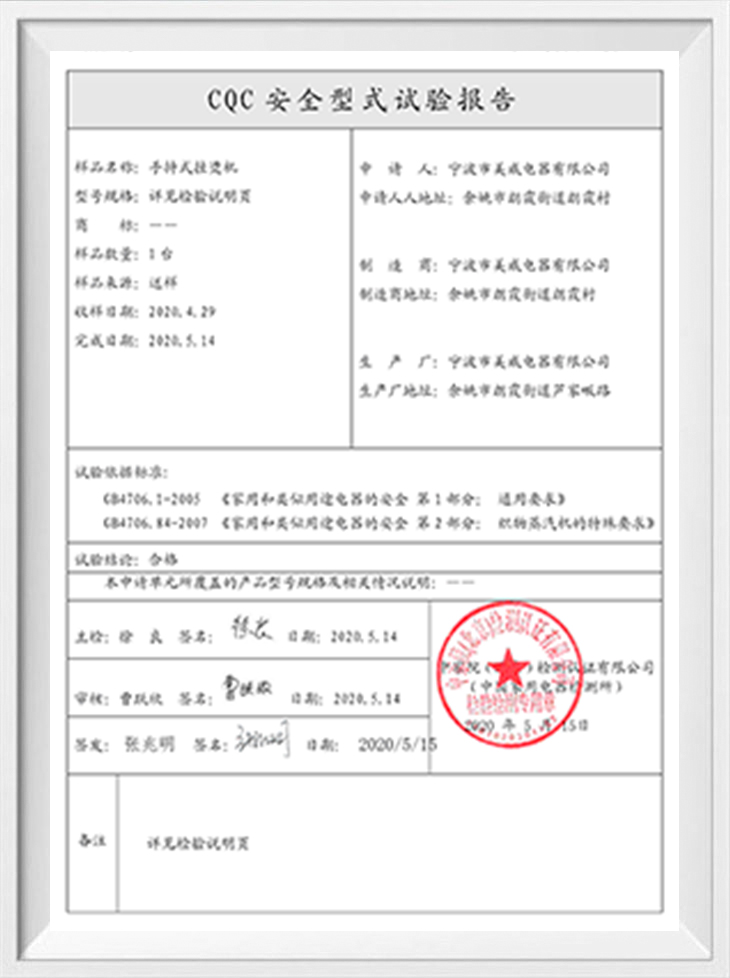
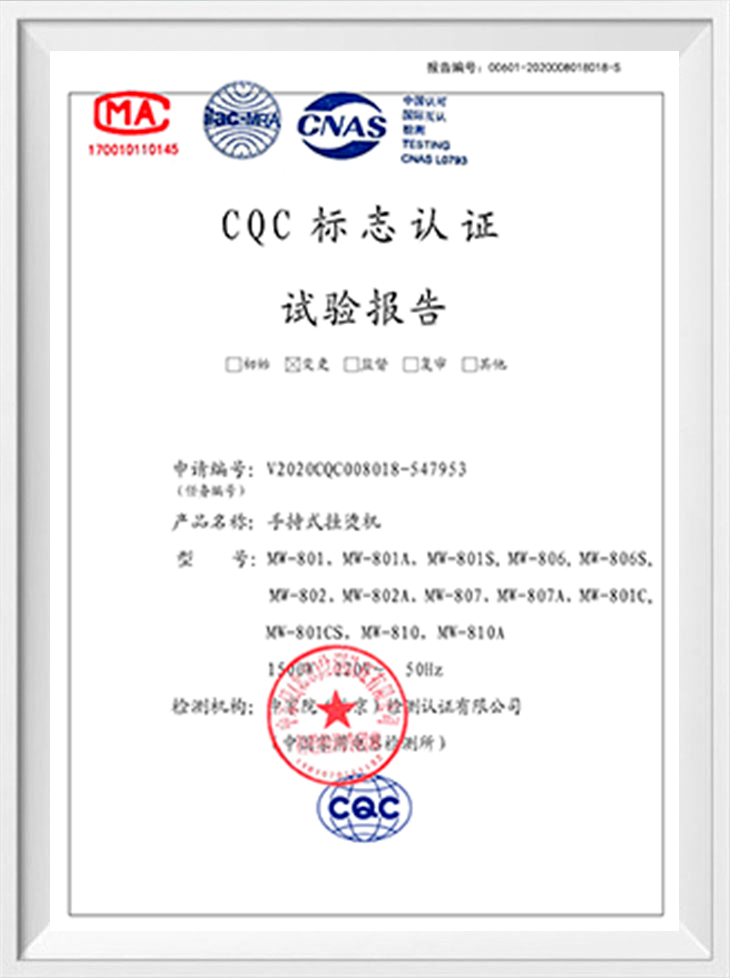
When purchasing a steamer for home use, product certification is a reliable indicator of quality and safety standards. Look for models carrying CE, GS, CB, ROHS, ERP, and PAHs approvals, which confirm compliance with European electrical safety, electromagnetic compatibility, and environmental regulations. Manufacturers holding ISO 9001 certification demonstrate commitment to consistent production quality management across their entire manufacturing process.
Effective Techniques for Using a Clothes Steamer for Wrinkles
Getting the best results from a clothes steamer for wrinkles depends as much on technique as on equipment quality. The following methods apply across most steamer formats and garment types:
Standard Steaming Method
- Fill the tank and allow the steamer to reach full operating temperature before touching the nozzle to the garment.
- Hang the garment on a sturdy hanger at or slightly above eye level on a door hook or clothing rail.
- Hold the steam head 1–2 cm from the fabric and move in slow, continuous downward strokes — gravity helps pull fabric taut.
- Use your free hand to gently tension the fabric on the reverse side for faster, more even results.
- For persistent creases, hold the nozzle stationary for 2–3 seconds on the wrinkle, then continue.
- Allow garments to air-dry for 2 minutes before wearing or folding to let fibers fully re-set.
Fabric-Specific Steaming Tips
- Silk and satin: Keep the nozzle at least 2–3 cm from the surface; use short steam bursts to avoid water spotting.
- Wool and cashmere: Steam from 3–4 cm away; never press the nozzle directly against the fabric to avoid compressing fibers.
- Linen: Steam both sides of the fabric and gently stretch the weave as you go — linen's tight structure requires thorough fiber penetration.
- Velvet: Always steam in the direction of the pile/nap; never hold the nozzle stationary against velvet as this permanently crushes the texture.
- Denim and heavy cotton: Direct nozzle contact is acceptable; slow downward strokes along seams produce crisp results.
Steamer vs. Traditional Iron: Which Serves a Home Better
Both tools have legitimate roles in garment care, but a beautural steamer for clothes outperforms a conventional iron across most everyday household scenarios:
- No ironing board needed: Steamers treat clothes on a hanger, cutting setup and cleanup time by more than half compared to traditional ironing.
- Lower burn risk: No hot soleplate making direct contact means dramatically reduced risk of scorching or shining delicate fabrics.
- Wider fabric range: Beaded, embroidered, structured, and textured garments that cannot be safely ironed flat are easily and safely steamed.
- Speed advantage: A shirt requiring a quick refresh can be steamed in under 2 minutes, compared to 5–8 minutes to set up, iron, and store an ironing board.
- Beyond clothing: Steamers handle curtains, upholstered furniture, mattress surfaces, and bed linens in situ — far beyond the scope of a conventional iron.
A conventional iron retains an advantage for creating sharp trouser creases and stiff shirt collars where firm direct plate pressure is needed. For most households, using a steamer as the primary appliance with a conventional iron for specialist pressing tasks is the most practical combination.
Maintenance Tips to Extend the Life of Your Clothes Steamer
Consistent maintenance preserves steam output and extends the operational life of any steamer for home use. These habits take under five minutes and make a measurable difference over time:
After Every Use
- Empty the tank completely after each session — standing water accelerates mineral deposit formation and can promote microbial growth inside the reservoir.
- Allow the unit to cool fully (at least 20–30 minutes) before storing to prevent warping of plastic housing components.
- Wipe the steam nozzle clean with a dry cloth to remove mineral residue from the steam vents.
Monthly Descaling
Limescale buildup is the most common cause of reduced steam performance. In severe cases it can reduce output by 30–50% compared to a clean unit. To descale:
- Fill the tank with equal parts white vinegar and water.
- Run the steamer over a sink for 2–3 minutes to flush dissolved deposits through the steam head.
- Empty the tank, refill with clean water, and run a short cycle to remove vinegar residue.
- Repeat if steam output was significantly reduced before descaling.
Regular descaling restores performance to near-original levels and can extend the appliance's working life by 2–3 years compared to unmaintained units.
About the Manufacturer: Quality You Can Verify
Behind every reliable beautural steamer for clothes is a manufacturing standard worth understanding. Ningbo Mayway Electrical Appliance Co., Ltd. is located in the industrial zone of north Yuyao, Zhejiang, China — on the south bank of Hangzhou Bay, approximately 60 km from Ningbo port, with direct access to international shipping lanes via the Hangzhou Bay transoceanic bridge.
As a professional manufacturer and exporter, the company is engaged in designing, developing, producing, selling, and providing related services across its product range. The factory covers 4,000 square meters and is equipped with advanced production equipment and strong technical capability to meet customer requirements across both quality and volume.
The product lineup — including electric irons, handheld garment steamers, and steam brushes — is manufactured under the ISO 9001 international quality assurance standard and holds BSCI certification. All products carry CE, GS, CB, ROHS, ERP, and PAHs approvals, meeting the safety and environmental compliance requirements of European and international markets.
These products are exported worldwide — to Europe, the Middle East, Russia, Asia, South America, and beyond. As a highly competitive and professional manufacturer, the company is committed to building stable, long-term business relationships with customers who value consistent quality and reliable supply.
For buyers sourcing a steamer for home use or evaluating private-label garment care products, this manufacturing background — backed by verifiable certifications and an established global export track record — provides the confidence that product specifications will match real-world performance.
Frequently Asked Questions About Clothes Steamers
Can a clothes steamer fully replace a traditional iron for home use?
For most everyday garments — shirts, blouses, trousers, dresses, knitwear, and casual wear — a quality steamer for home use handles wrinkle removal faster and more safely than a conventional iron. The main exception is garments requiring sharp pressed creases (such as formal trousers) or very stiff collar finishes, where a traditional iron's direct plate pressure remains superior. Many households use both tools: the steamer for daily refreshing and the iron for specialist pressing.
Is steam safe for all fabric types?
Steam is safe for the vast majority of fabrics including silk, wool, cashmere, cotton, linen, polyester, and blended materials. The main exceptions are waxed fabrics, suede, and leather — steam can alter their surface treatment or cause water damage. Always check the garment care label before steaming any item for the first time.
How many garments can one tank of water steam?
This depends on tank capacity and steam output rate. A 200ml tank at 20 g/min output delivers approximately 10 minutes of continuous steam — enough for 3–5 standard shirts. A 1.5L upright model can steam continuously for over 60 minutes, covering a full week's wardrobe for a household of 3–4 people without refilling.
Why is the steamer spitting water instead of steam?
Water spitting usually indicates one of three issues: the unit has not fully reached operating temperature (wait an additional 10–15 seconds after the ready indicator activates), the tank has been overfilled past the maximum fill line, or mineral deposits are partially blocking the heating element. Descaling the unit as described above typically resolves persistent spitting.
Can a clothes steamer be used on curtains and upholstery?
Yes — a beautural steamer for clothes is equally effective on hanging curtains, upholstered sofas, fabric headboards, and mattress surfaces. For curtains, steam in slow downward strokes from the top while the curtain hangs on the rod. A model with a tank of at least 1L and a long flexible hose is recommended for larger surface areas, as frequent refilling interrupts the workflow.


 русский
 Français
 한국어
한국어 عربى
عربى Español
 中文简体
中文简体 Product Category